Written by: Consensus
Last year, a joke circulated widely on Twitter:
A guy went on a business trip to Miami, and while taking a taxi, he chatted with the driver. The driver said he used to be a Wall Street analyst and is now full-time trading cryptocurrencies. "Did you take a pay cut?" he asked. The driver replied, "No, I got a promotion."
This is Miami.
You walk into a café wearing shorts and flip-flops, and the guy at the next table is wearing the same outfit but is discussing a hedge fund worth 200 million.
In other cities, people in the CBD wear suits and ties pretending to be very busy; in Miami, people wear swimwear pretending to be poor.
How Miami Became the "Crypto Capital"
Five years ago, when you mentioned Miami, people thought of - beaches, nightclubs, drugs, and the character Horatio from the TV show "CSI: Miami" wearing sunglasses.
Now, when you mention Miami, people think of - Bitcoin.
This transformation is thanks to one person: former Miami Mayor Francis Suarez.
This guy is one of the most hardcore players in the crypto world in American politics, and he did a few things:
First, he announced that employees of the Miami city government could receive their salaries in Bitcoin.
Second, he established a city token called MiamiCoin. Yes, you heard that right, a city issued its own token, which once skyrocketed from $0.006 to $0.05, allowing the whole city to collectively experience the thrill of "my city is rising."
Then, there was no more followed by MiamiCoin dropping 95% later.
But that’s alright; in the crypto industry, a 95% drop is called a "technical correction."
Third, he tweeted a message that roughly said, "If you want to get into crypto, come to Miami." This single tweet reportedly led to dozens of Web3 companies relocating their headquarters there.
You read that right, the economic transformation of a city was initiated by a tweet.
In other mayors' scenarios, this might be documented in a textbook about "government credibility crisis," but in Miami, this is called "constructive regulation."
To put it bluntly, Miami is a city built on "hype." It was constructed on swamp land, and the air conditioning engineers who invented this city were earlier than the city planners. Do you think the crypto industry doesn’t match with this city? At their core, they are the same - both turn nonexistent things into reality and sell the price higher than what truly exists.
People here speak with a financial attribute; you buy a bottle of water at a convenience store, and the clerk says, "We support crypto payments," you order a drink at a bar, and the bartender says, "Paying with Solana gets you a discount," and there are even rumors that Miami’s homeless will chat with you about DeFi - of course, they probably just want you to scan a QR code and give them some change.
But the difference is that they don’t scan WeChat or Alipay; they scan crypto wallets.

What Will Happen in May
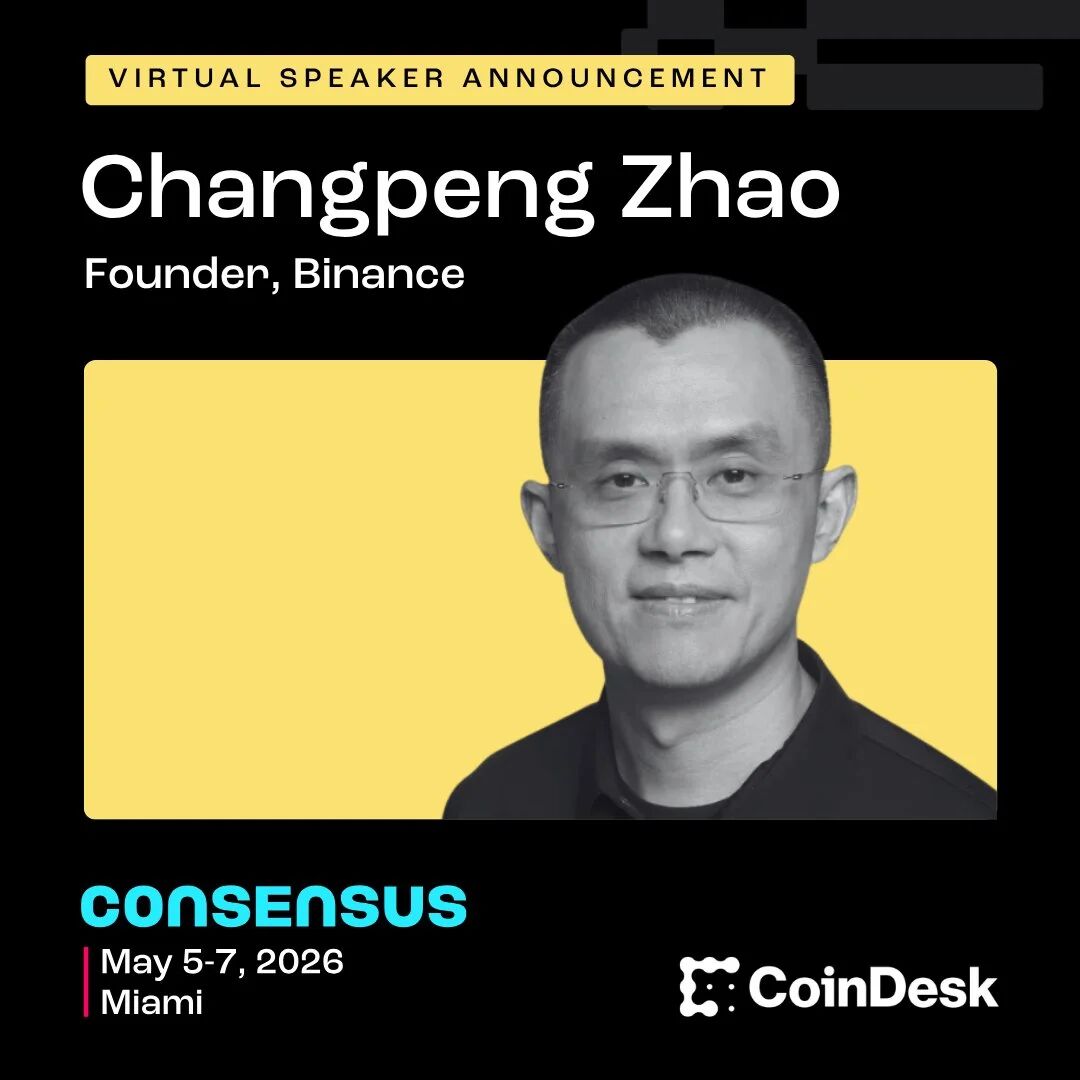
From May 5 to May 7, 2026, there will be a conference called Consensus held here.
If you haven't heard of this name, it’s not surprising; after all, new conferences pop up every day in this industry, and their names get more ridiculous - things like "Web3 World," "Metaverse Summit," and "Blockchain Future Festival."
But Consensus is different.
First, it is organized by CoinDesk; it started in 2015 and is now in its 12th year. In the crypto industry, a conference lasting 12 years is longer than most projects' lifespans.
Secondly, it’s no longer just a "blockchain conference"; this year’s theme is "Digital Assets, Institutional Scale," which translates to: Wall Street is coming to take over.
Attendees include:
SEC Chairman Paul Atkins, yes, the one who regulates whether you can legally trade cryptocurrencies. He is not here to give a keynote; he is here to tell you how to play without getting into trouble.
CFTC Chairman Michael Selig, another one who regulates you.
Patrick Witt, Executive Director of the White House Digital Asset Council, overseeing the two above.
Look at this lineup; doesn’t it look like when the teacher comes into the room during finals and says, "Class, I'm here to highlight the key points"?
On the industry side, it’s even more outrageous: Solana co-founder Anatoly Yakovenko, Galaxy Digital CEO Mike Novogratz, former BitMEX CEO Arthur Hayes (yes, the one who wrote "Pre-Market Operations" and then went to jail), and even former baseball star A-Rod Alex Rodriguez - reportedly, his primary identity now is "crypto investor," while baseball is merely a side gig.
Data shows: 20,000 attendees, over 100 countries, more than 500 speakers, and the organizations present manage $40 trillion.
What does this $40 trillion represent? It roughly equals the GDP of a small country, and these people are just coming for a conference, then dispersing in three days to go back to manage that $40 trillion.
When you walk through the venue, bump into someone randomly, it could blow you away with a multi-billion dollar deal, so don’t underestimate the coffee break - many come specifically for the breaks.

The Best Jokes in This Industry Happen Offline
Let me share a true story.
In past Consensus events, there was a classic scene: a person was making a phone call in a restroom stall, speaking particularly loudly - "Yes, yes, I confirm this number... alright, three million, no problem..."
The guy next to him quietly took out his phone to record, and then posted it to Twitter, and that tweet garnered over ten thousand retweets that night.
The top-liked reply in the comments was: "Now I finally understand why they call it 'liquidity' - even when in the restroom, it's still liquid."
Here’s another story:
There was a Japanese developer who spent the entire time in the hackathon area coding. He hadn't showered for three days, and by the third day, his project won the competition, earning him $20,000. When a reporter interviewed him and asked, "What was your biggest challenge over the three days?"
He said, "Finding a charging outlet."
This is probably the most honest answer. At all crypto conferences, what is truly scarce is not networking, capital, or information - it’s outlets.
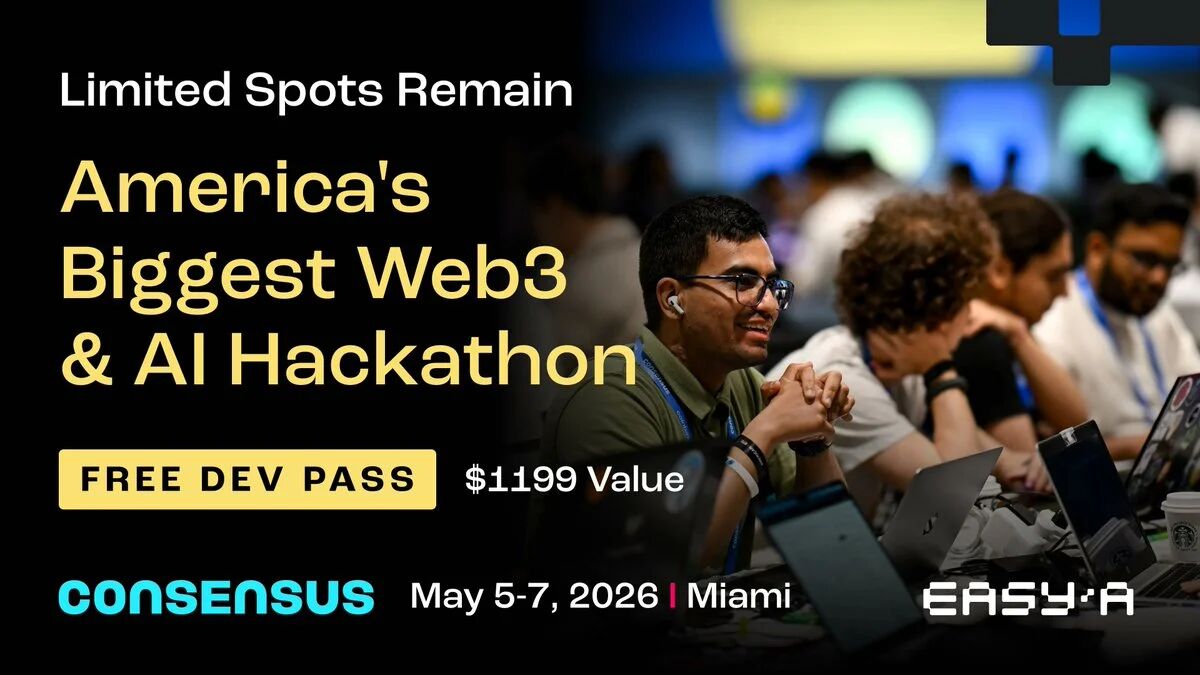
Speaking of hackathons, this year there’s a competition called "Battle Codes," where early-stage startups can compete in front of top investors for a prize of $20,000. Alumni from past competitions have raised hundreds of millions of dollars later; this means this might be one of the only chances in your life to stand in front of investors without having your resume filtered by HR.
The Real Main Course Is Outside the Conference
Anyone who has attended these events knows a secret: the things spoken on stage can later be found online, but what is truly valuable is never on the stage.
It’s in the glasses.
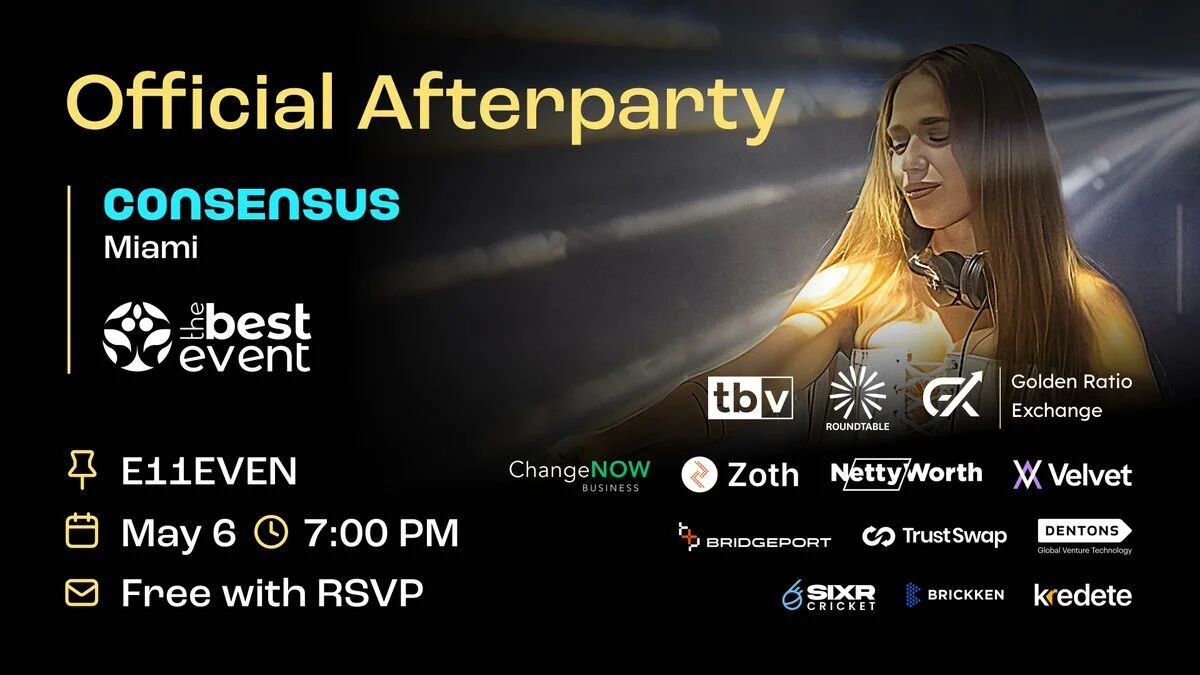
The side events of Consensus are truly the main course; each year there are hundreds of officially registered peripheral activities - dinners, cocktail parties, closed-door meetings, yacht parties, yes, yacht parties in Miami.
Last year, someone complained to me that he attended eight side events in a day, running from the morning's "Crypto & Coffee" to the late-night "Midnight Mixer," drinking about 17 different cocktails. He said what he remembered at the end was not who promised him what investment, but that he found himself at 3 AM on the streets of Wynwood messaging his wife, "I want to switch to art investments."
The next day, after sobering up, he deleted that message, but to his knowledge, he wasn't the only one making such a decision in Miami at night.
This year is even more outrageous; the conference coincides with the F1 Miami Grand Prix and the PGA Tour.
Imagine this scene:
During the day, you listen to the SEC Chairman speak about compliance frameworks, in the afternoon you’re on a golf course swinging with Ethereum core developers, and at night you’re dancing with venture capital big shots at E11even nightclub - don’t you think this feels like a super large reality show? The difference is that the prizes in this reality show are real, like in the millions of dollars.
There's also a noteworthy detail: the Miami Beach Convention Center spent several million dollars on renovations last year, with 500,000 square feet of exhibition space filled with artworks worth $7 million.
You go to the conference, and enjoy an exhibition on the side, not a bad deal.

This Year, The Real Focus: AI Starts Taking Jobs
Among the three core topics, one is called "Agentic Commerce."
Sounds academic, right? Let me translate that for you: AI is going to make its own money.
Not the "making money" of helping you write PPTs, but executing trades, managing asset portfolios, and creating new economic models.
You’d say, isn’t that just quantitative trading?
Not quite; behind quantitative trading there are still humans - humans write strategies, tune parameters, and take responsibility for losses by writing reports.
But AI Agents are different; they learn on their own, make decisions, and execute. You don’t need to tell them "short Bitcoin now" - they analyze the market, judge the timing, execute trades, and if they incur losses, they will reflect on it themselves.
Wait a minute, they will reflect on losses? What’s the difference from humans?
The difference is that humans vent on Twitter after a loss; AI doesn’t. Humans blame market manipulation after a loss; AI doesn’t. Humans have their wives discovering their losses; AI doesn’t - because it doesn’t have a wife.
Just kidding.
But seriously, if AI Agents truly start participating in market trading at a large scale, the game rules in this industry will completely change. Think about it: when the counterparty to trades may not be human but an AI that is faster, more rational, and devoid of emotions than you - do you still have a chance?
This topic will be emphasized in this year’s Consensus, and my personal suggestion is - go listen, because if you don’t, your competitors will. Then you’re competing against someone who has already kept up with the cutting-edge trends and has an AI assistant.
Of course, you could comfort yourself by saying, "I never look at trend analysis when trading crypto."
Well, in that case, AI won’t be able to help you either.
A Few Unpleasant Truths
First, don’t expect to hear any shocking secrets on stage; the real secrets are in the coffee breaks, cocktail parties, and the lobby at 2 AM. So if you just bought the cheapest ticket and sit in the back row scrolling through your phone, spending the money is similar to getting a subscription to a streaming service.
Second, what you wear matters. There’s an unwritten rule: the more expensive the suit on the guest, the faster the project dies. Those genuinely into technology wear t-shirts, while scammers wear tailored suits. Of course, this isn’t absolute - some scammers wear t-shirts and still do well.
Third, don’t assume adding someone on WeChat means you've built a relationship. In the crypto industry, networking isn’t about how many contacts you have in your phone but whether the people on the other side remember you. The best way to achieve this isn’t by handing out business cards but by presenting a problem they can’t solve.
Fourth, if you are a developer, don’t buy a ticket. Consensus offers free passes for developers and students for a simple reason: young people are the cheapest angel investors. Even though saying this may sound a bit objectifying, free is free; don’t miss out because of money.
The Last Sentence
There’s something I have to remind you.
The window for this industry is closing. Previously, Web3 was an open paradise where anyone could roam freely, but now even the SEC Chairman has shown up, alongside McKinsey, Citigroup, and Deloitte, and even former baseball stars are conversing about "institutional integration."
What does that mean? It means these people are not here to "learn"; they are here to "manage."
When an industry starts to be managed, the days of early-stage funding on wild paths or making calls in restrooms are beginning to countdown.
This is probably one of your few remaining opportunities to enter as a "participant" rather than a "victim."
Of course, you could also choose not to read this article.
Then your losses would be roughly equivalent to a 50% drop in BTC - since you don’t trade crypto anyway.
免责声明:本文章仅代表作者个人观点,不代表本平台的立场和观点。本文章仅供信息分享,不构成对任何人的任何投资建议。用户与作者之间的任何争议,与本平台无关。如网页中刊载的文章或图片涉及侵权,请提供相关的权利证明和身份证明发送邮件到support@aicoin.com,本平台相关工作人员将会进行核查。


