Original Title: "The Struggle Behind Criminal Charges: Powell vs. Trump's Interest Rate Dispute"
Original Author: 1912212.eth, Foresight News
On January 11, Federal Reserve Chairman Jerome Powell released a rare video statement, publicly accusing the U.S. Department of Justice (DOJ) of threatening criminal charges in an attempt to force the Federal Reserve to comply with Trump's interest rate policy demands. This incident quickly became the focus of global financial markets, raising widespread concerns about the independence of the Federal Reserve.
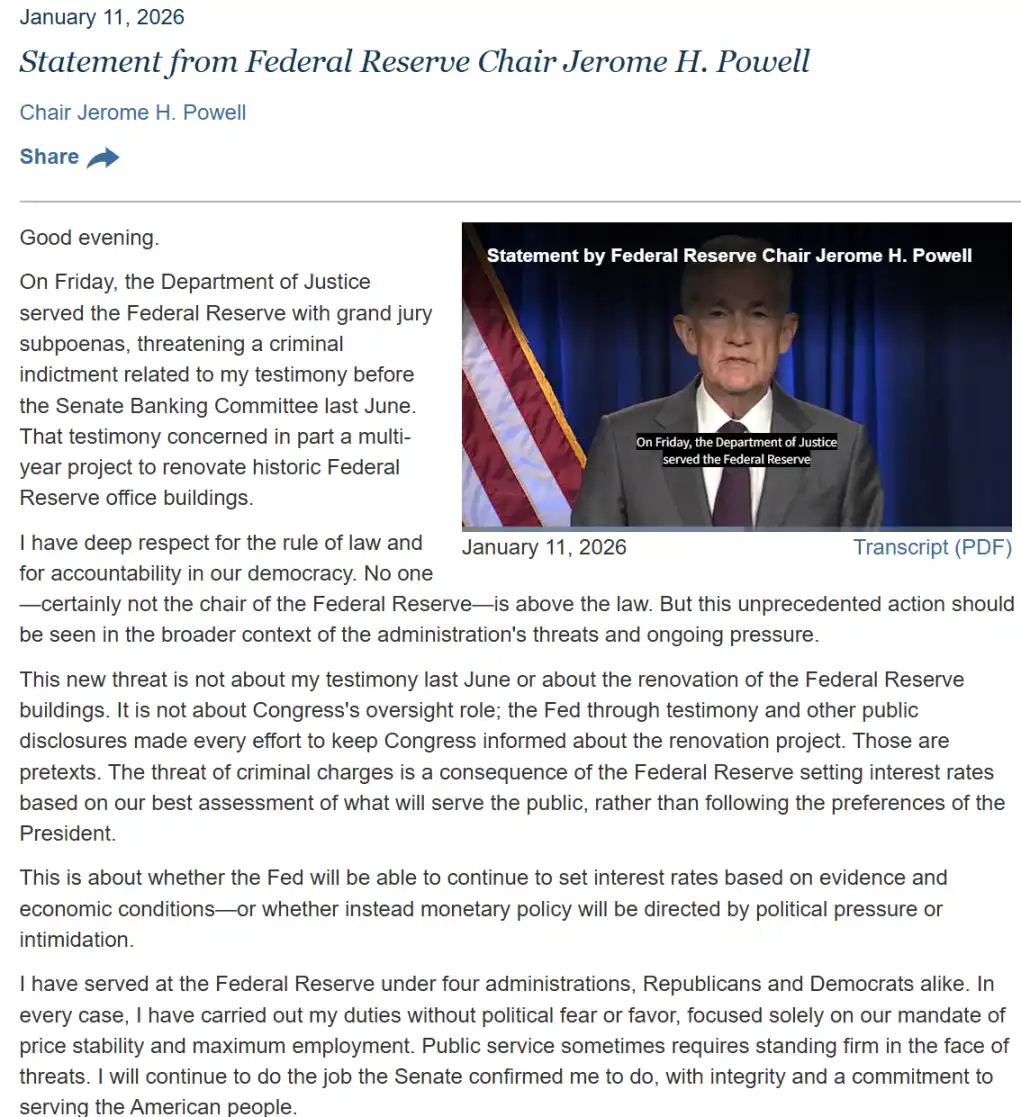
In his statement, Powell emphasized that this threat is a "consequence" of the Federal Reserve setting interest rates based on public interest rather than presidential preferences, calling it a blatant attack on central bank autonomy. This incident is not isolated but rather the latest manifestation of the intertwining of politics and economics during Trump's second term.
Following the incident, U.S. stock index futures quickly fell, with S&P 500 futures dropping over 0.5% and Dow futures retreating by 150 points during the Asian session. Spot gold rose by 1.88%, spot silver surged by about 4%, and the cryptocurrency market saw BTC still fluctuating around $91,000.
Trump's Repeated Discontent with Powell's "Slow Rate Cuts"
Powell was appointed as Federal Reserve Chairman by then-President Trump in 2018 and was reappointed in 2022, with his term originally set to end in May 2026. Under Powell's leadership, the central bank has faced challenges from the COVID-19 pandemic, economic recovery, and high inflation, with policies known for being data-driven and gradually adjusted.
However, after winning the 2024 election and returning to the White House, Trump quickly turned his attention to the Federal Reserve. Trump has long criticized Powell for being "slow to act," particularly regarding interest rate policy. He has repeatedly called for the Federal Reserve to significantly cut interest rates to stimulate economic growth and stock market performance, even promising during his campaign to "take control" of the Federal Reserve to achieve his "America First" economic agenda.
The catalyst for the incident stemmed from a $250 million renovation project at the Federal Reserve's Washington headquarters. This project, initiated several years ago to update aging facilities, sparked controversy due to cost overruns and transparency issues.
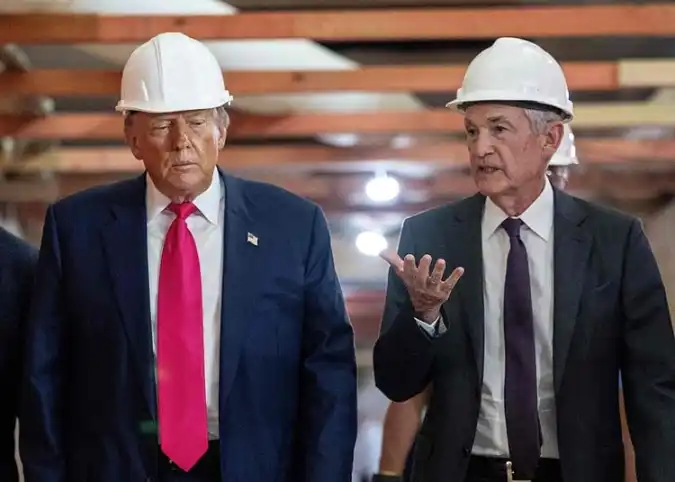
In July 2025, Republican Congresswoman Anna Paulina Luna accused Powell of providing false testimony regarding the project during a congressional hearing and called for a criminal investigation. This accusation did not immediately escalate, but after Trump took office, the DOJ quickly intervened. On January 11, 2026, multiple media outlets reported that the U.S. Attorney's Office for the District of Columbia officially launched a criminal investigation into Powell, focusing on whether he misled Congress and whether the project's funding was used improperly. A grand jury has issued subpoenas for the Federal Reserve to provide relevant records.
On January 12, NBC reported that Trump, in a phone interview, stated he knew nothing about the DOJ's investigation and again criticized Powell. "I know nothing about this, but he is clearly not doing well at the Federal Reserve, and he is not doing well with the building." When asked how he would respond to Powell's claim that the subpoena was government pressure on the Federal Reserve to cut rates, Trump said, "No, I wouldn't even consider it that way. The real pressure he should face is the reality of high interest rates. That is the only pressure he faces."
Powell explicitly linked this to interest rate policy in his video statement. He pointed out that the DOJ's actions are "unprecedented," aimed at forcing the Federal Reserve to lower interest rates through criminal threats to cater to Trump's demands. In the statement, Powell reiterated that the Federal Reserve's statutory mission is to maintain price stability and maximize employment, not to yield to political pressure. He described this incident as "a blatant violation of the Federal Reserve's independence" and suggested it is a continuation of the Trump administration's pressure on the central bank.
As early as Trump's first term, Powell had clashed with the White House for refusing to sharply cut interest rates, leading Trump to publicly label him as an "enemy." The timing of this investigation is particularly sensitive: the Federal Reserve's most recent meeting maintained the benchmark interest rate in the range of 4.25%-4.5%, far above Trump's desired level.
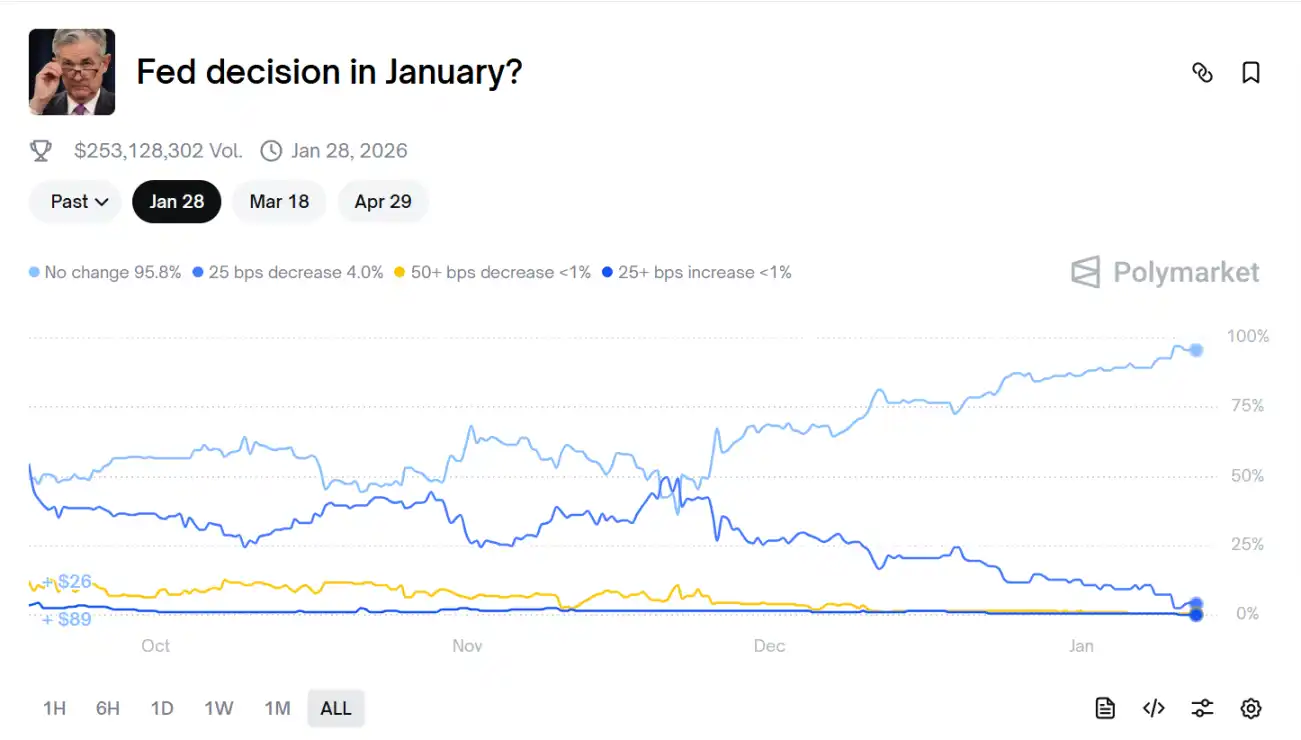
Latest data from Polymarket shows that the market's bet on the Federal Reserve remaining unchanged in January has risen to 96%.
Supporters on X view him as a hero defending independence, while opponents accuse the Federal Reserve of "damaging the economy." Some netizens claim that "abolishing the Federal Reserve is the right path," while others warn that this could lead to a constitutional crisis.
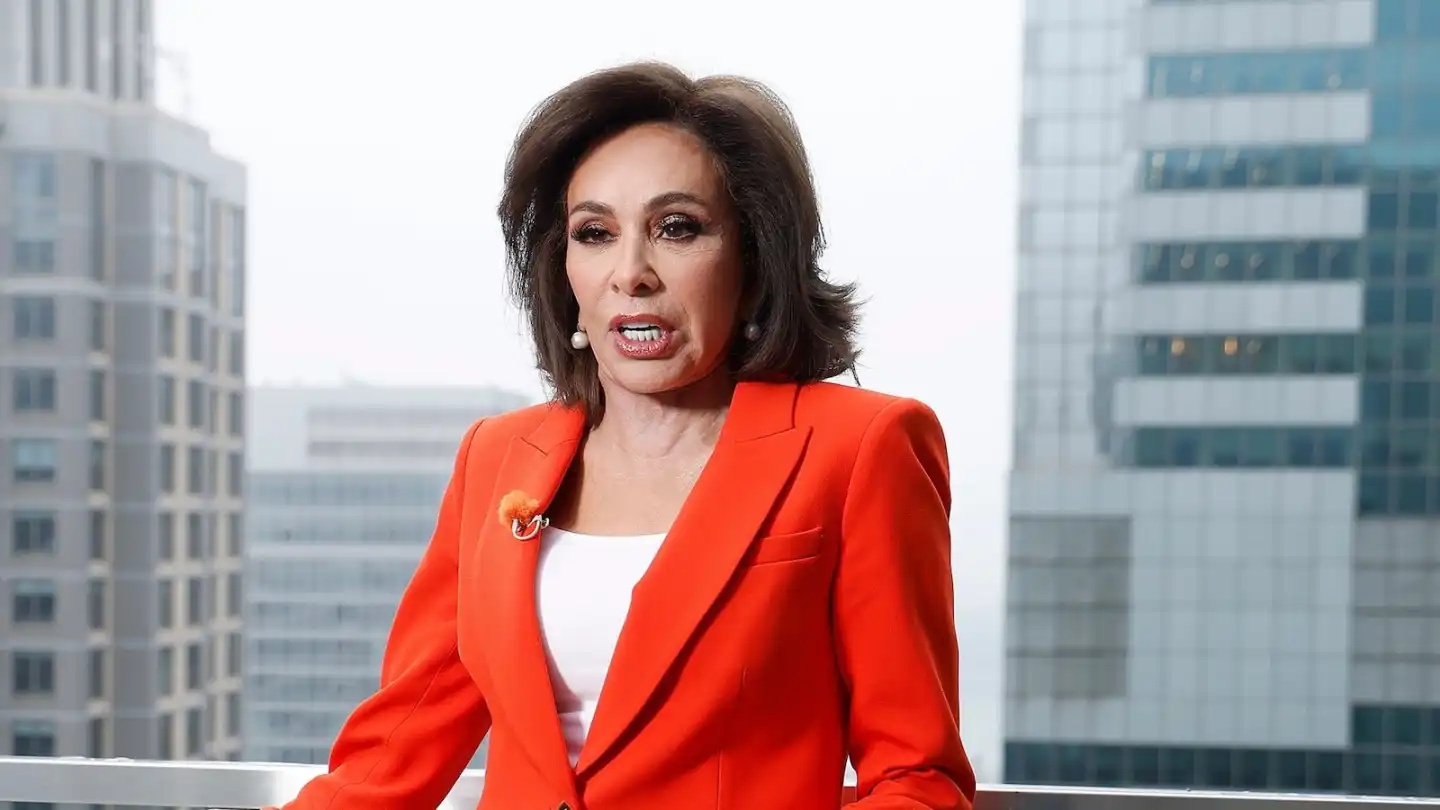
The investigation is authorized by newly appointed U.S. Attorney Jeanine Pirro, a staunch ally of Trump, further deepening concerns about political interference.
Powell responded that he would fully cooperate with the investigation but would not allow it to influence monetary policy decisions. The roots of this incident can be traced back to the institutional design of the Federal Reserve. Established in 1913, the Federal Reserve was intended to be independent of politics, but there have been historical precedents of presidential interference, such as during the Nixon era's Watergate scandal. This incident marks an extension of Trump's "de-regulation" agenda, as he has promised to restructure federal agencies, including diminishing the power of the Federal Reserve.
As of January 12, the investigation is still in its preliminary stages, with prosecutors repeatedly requesting documents, and the White House has not commented. Analysts predict that if the investigation escalates, the Federal Reserve may be forced to accelerate interest rate cuts to alleviate pressure, but this could trigger a rebound in inflation, affecting U.S. economic growth.
Powell himself may face personal risks: if the charges are substantiated, he could be forced to resign or even face imprisonment, although legal experts believe the evidence is weak.
Powell has actively responded through public statements, and in addition to hiring a lawyer to challenge the legality of the subpoena, he could appeal to the courts or seek assistance from bipartisan lawmakers, especially those concerned about the independence of the Federal Reserve.
Hassett and Warsh Become Popular Candidates for Federal Reserve Successor
The criminal charges against Powell have heightened market uncertainty. Following the exposure of the incident, investors are concerned that damage to the Federal Reserve's independence will lead to policy disorder. Powell's statement emphasized that the threat of criminal charges would "undermine" the central bank's credibility, potentially raising risk premiums.
Additionally, this incident is seen as a signal of Trump's consolidation of power, provoking strong backlash from Democrats and social groups. Democratic lawmakers have called it a "constitutional crisis," fearing that the DOJ is being weaponized for political retaliation.
The latest speculation about Federal Reserve candidates suggests that although Powell's term lasts until May 2026, the criminal investigation has accelerated discussions about successors. Trump has stated he will announce his nominee by the end of this month.
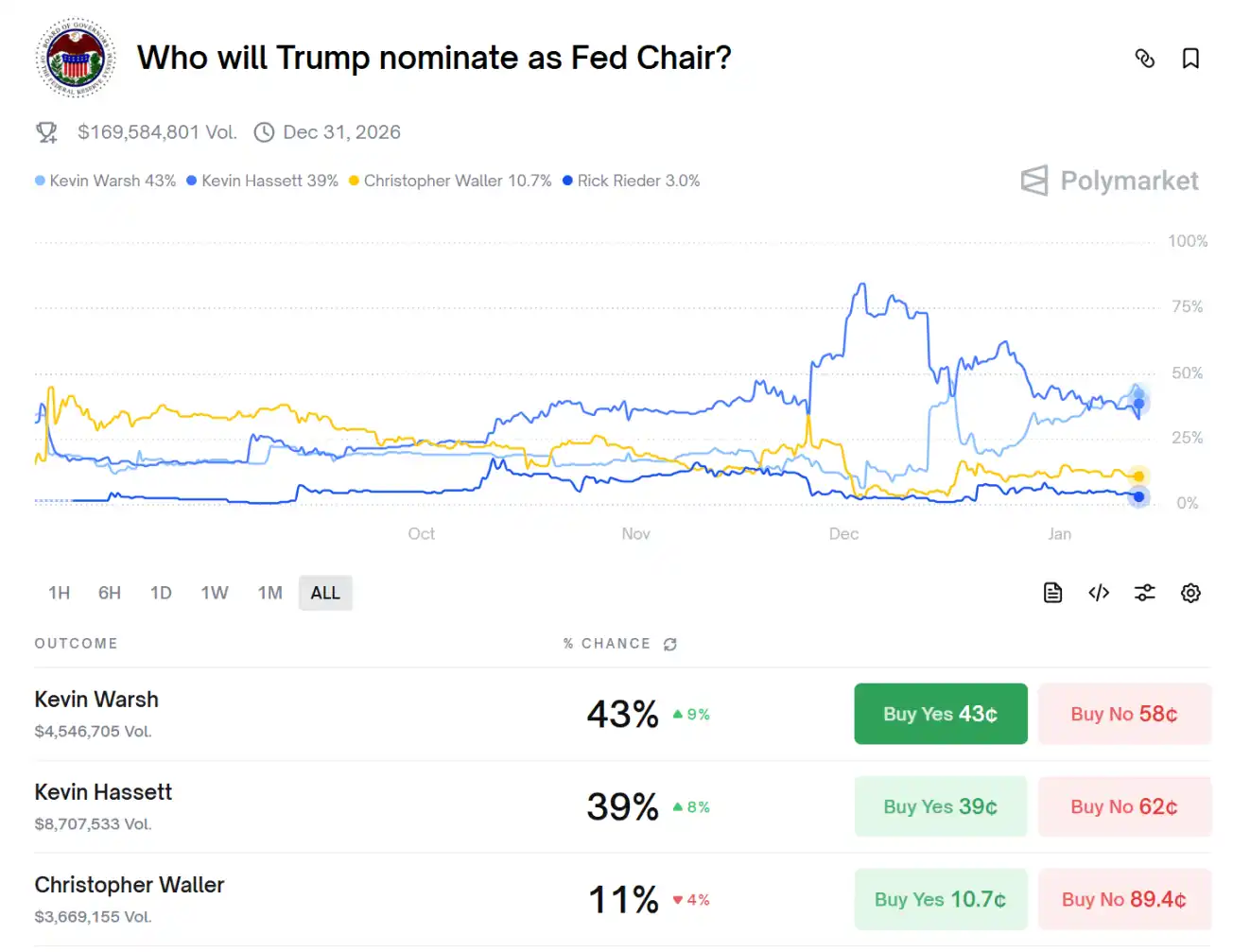
Latest data from Polymarker shows that the market bets on Kevin Warsh and Kevin Hassett as the top candidates, with probabilities of 43% and 39%, respectively. Warsh was nominated by President Bush to the Federal Reserve Board in 2006, becoming the youngest member at that time. He is known for his hawkish stance but is pro-market. In 2017, Trump considered appointing Warsh as Federal Reserve Chairman but ultimately chose Powell.
Hassett is a well-known conservative economist in the U.S., currently serving as the Director of the White House National Economic Council. He previously chaired the White House Council of Economic Advisers and supports low interest rates and Trump's economic agenda. By November 2025, he was viewed by Trump and his advisor allies as the top candidate for the next Chairman of the Federal Reserve.
免责声明:本文章仅代表作者个人观点,不代表本平台的立场和观点。本文章仅供信息分享,不构成对任何人的任何投资建议。用户与作者之间的任何争议,与本平台无关。如网页中刊载的文章或图片涉及侵权,请提供相关的权利证明和身份证明发送邮件到support@aicoin.com,本平台相关工作人员将会进行核查。


