Original | Odaily Planet Daily (@OdailyChina)
Author | Golem (@web3_golem)
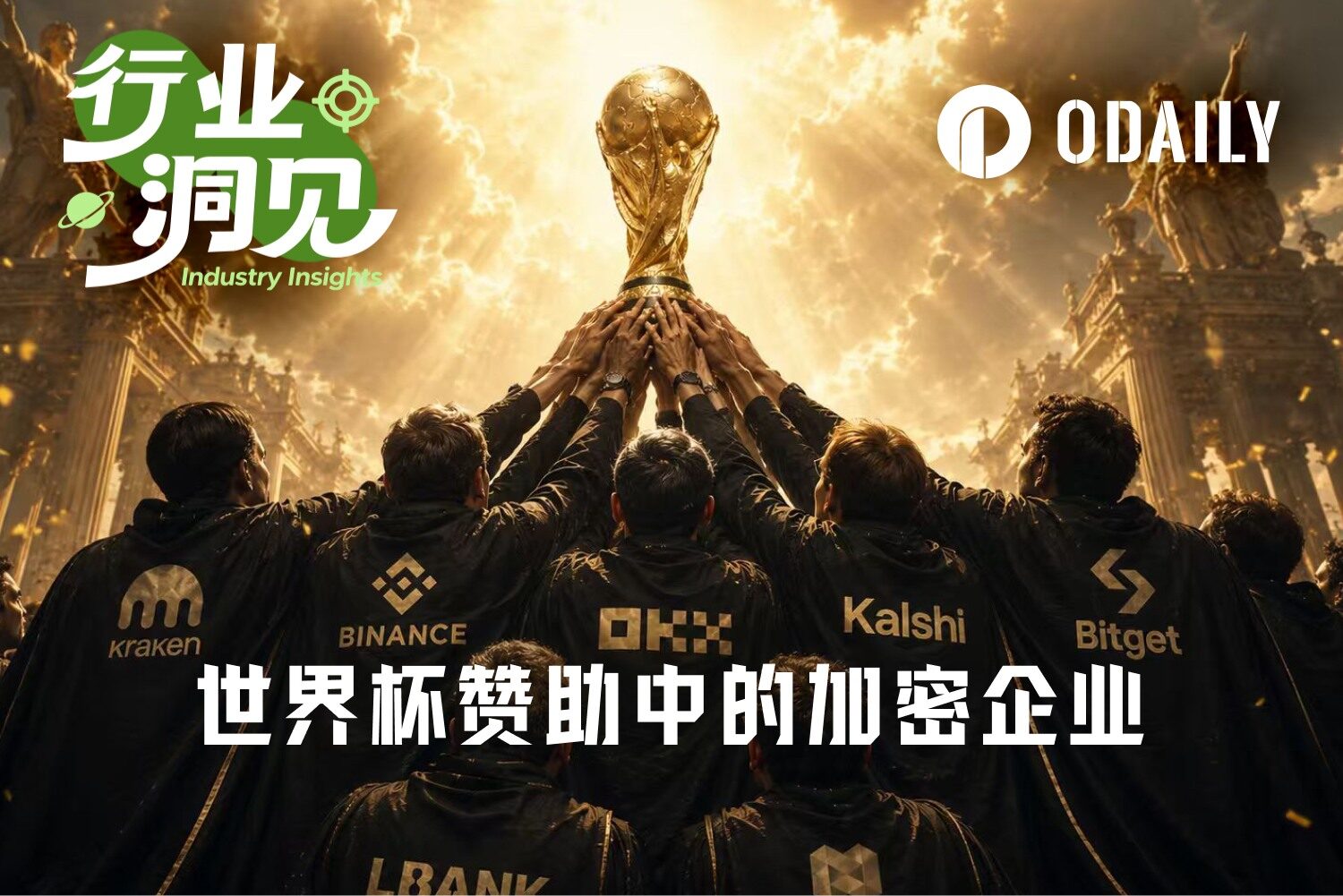
This week, as the 2026 FIFA World Cup enters the knockout stage, interest has further increased. According to Forbes, about three-quarters of the global population, or over 6 billion people, are watching/participating in this event.
Concentrating the attention of most people in the world on one screen at the same time is a huge and rare advertising resource for businesses, especially those involved in international operations. It is estimated that FIFA's revenue from this World Cup will set a record, with marketing and sponsorship contracts expected to generate about $2.5 billion to $3 billion, while the sponsorship revenue for the 2022 World Cup was $1.8 billion.
This enormous exposure is equally important for crypto companies, but this year, it seems that crypto companies have collectively gone invisible within FIFA’s official sponsorship system.
FIFA's sponsorship is divided into three levels: the first level consists of long-term partners (Lenovo, Coca-Cola, Visa, etc.), the second level features global sponsors for just the 2026 World Cup (Hisense, McDonald's, Mengniu, etc.), and the third level includes regional and event supplier sponsorships (such as Airbnb, American Airlines, etc). This year, only Kraken entered the FIFA official sponsorship system as a North American and European official crypto exchange sponsor, falling under the third level as an event supplier. Its rights include advertising displays on the pitch and the ability to carry out fan interaction activities in 16 World Cup host cities.
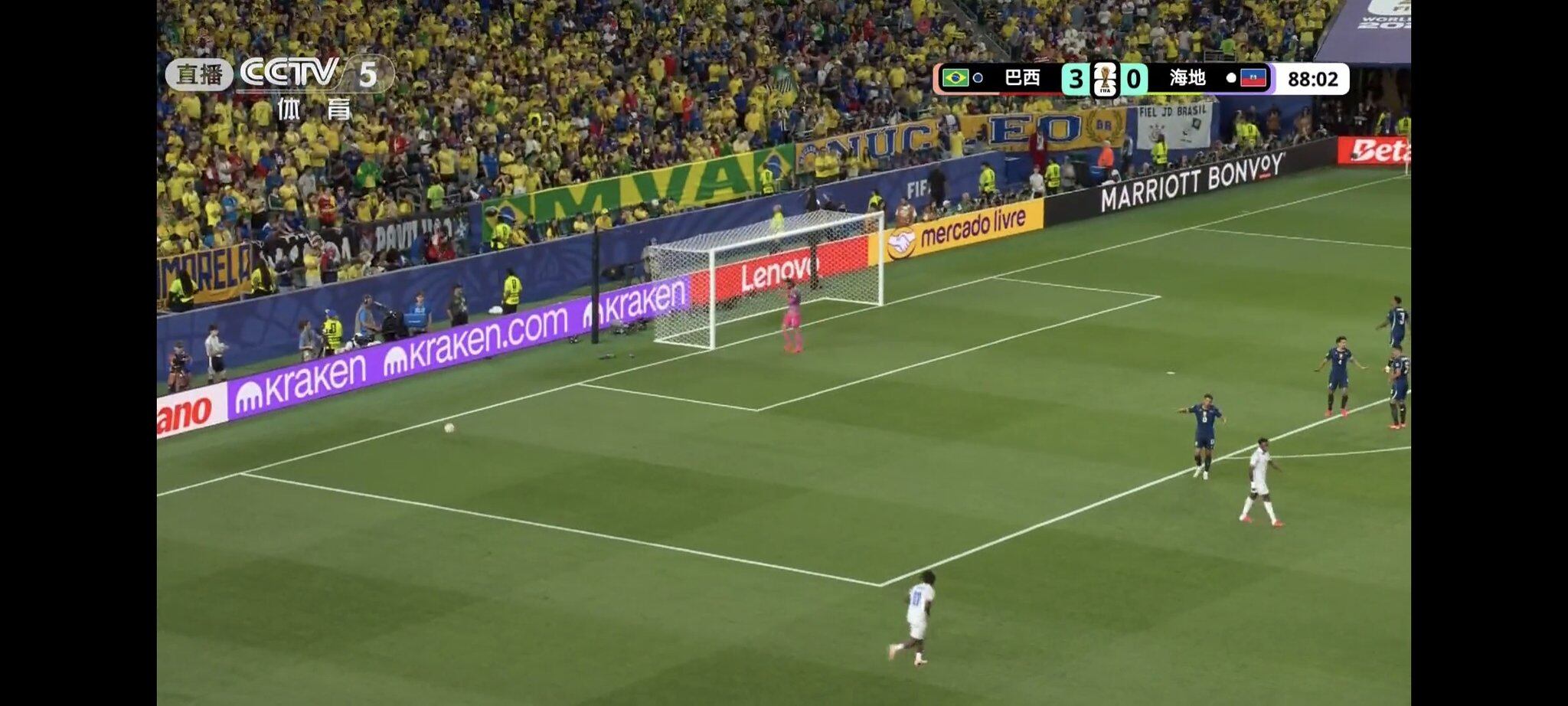
Kraken appeared on pitch-side advertisements at the World Cup stadium
Previously, in the sponsorship system for the 2022 FIFA World Cup, Crypto.com signed as a second-level sponsor, becoming the only cryptocurrency exchange sponsor at that time, while the public chain Algorand also sponsored as the official blockchain platform, with other crypto companies spending generously on club and star sponsorships.
In comparison, it seems this year's World Cup crypto sponsors are not buying in. But in reality, they have not disappeared; rather, they have become smarter in this cycle. They no longer seek to buy the substantial but ineffective FIFA official exposure, but have descended to work with national teams and stars who attract a massive fanbase and boast high odds as "traffic nodes."
Crypto companies become major sponsors for regions and stars
The high sponsorship fees from FIFA have become unworthy for crypto companies. It is estimated that the amounts for second-level sponsorship agreements typically range from $65 million to $95 million, and the sponsorship amounts for first-level partners are even higher. This price can already secure top sponsorship rights in the club and star fields, and the efficiency of reaching World Cup fans may not be worse than that of official sponsorships.
OKX becomes the main sponsor of Manchester City
The most representative example is OKX, which invested significant capital in the Premier League giant Manchester City and secured agreements with top football stars like Erling Haaland.
OKX’s partnership with Manchester City began in March 2022 and has become one of Manchester City’s core sponsors. It occupies the sleeve sponsorship for both the men’s and women’s first teams (Odaily Note: Reports indicate over $70 million was paid to Manchester City over the three-year partnership). Previously, OKX held the chest advertisement on the training kits of both teams.
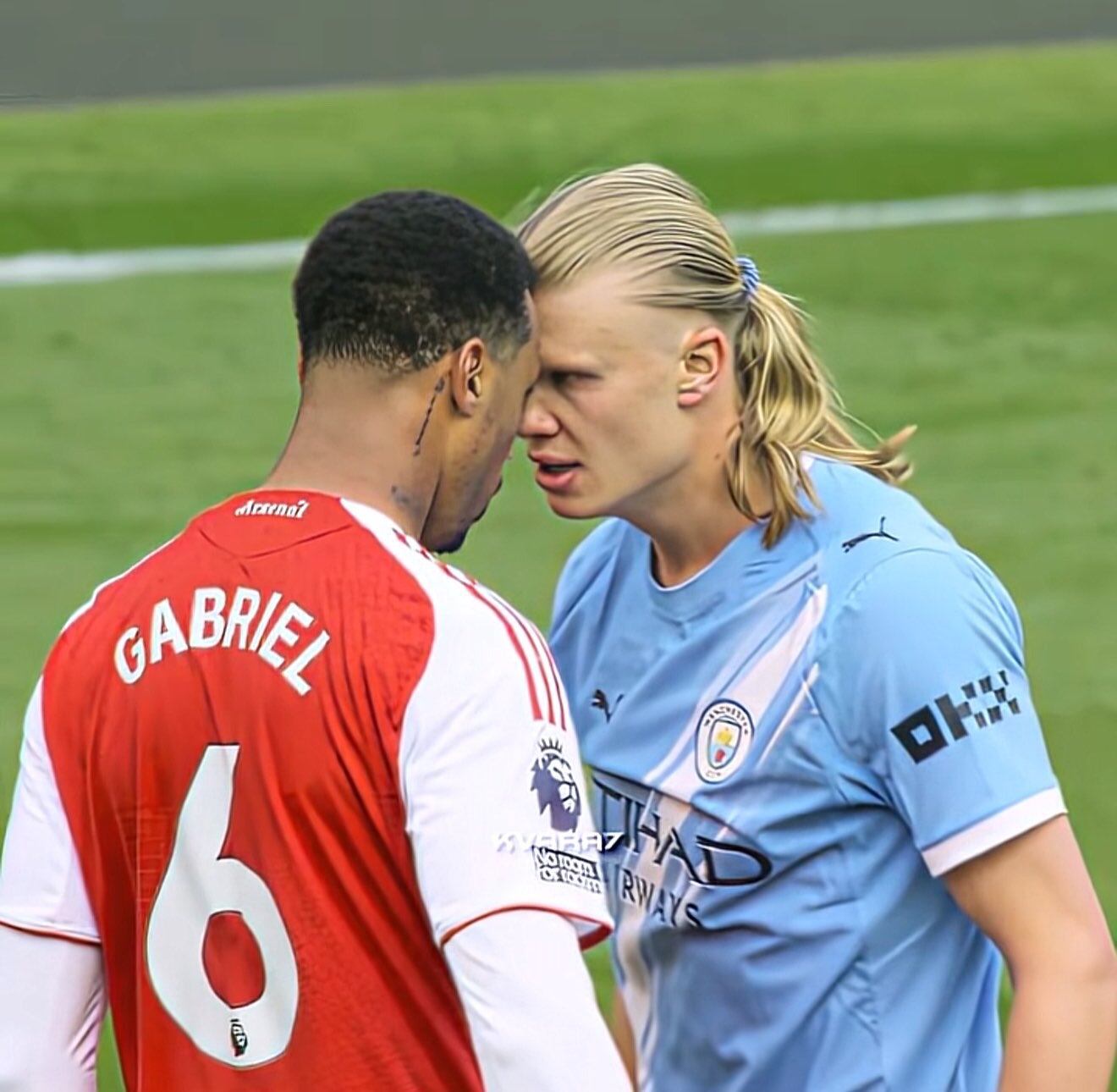
Haaland wears a jersey with the OKX logo during the World Cup
In addition to club-level brand exposure cooperation, OKX clearly understands the viral effects of a "star personal IP" on social media. Erling Haaland, as a star player for Manchester City, possesses exceptional appeal both on and off the field. Therefore, as a Manchester City player, Haaland frequently appears in various official marketing materials for OKX, integrating his image into global advertisements for OKX's Web3 wallets, trading product lines, and more.
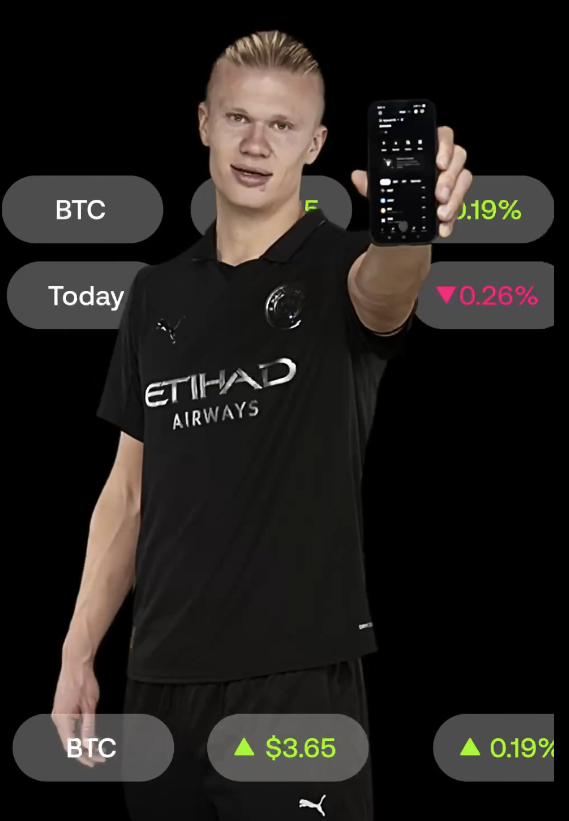
Haaland appears in a promotional video for OKX products
Binance partners with superstar Cristiano Ronaldo
Different from OKX’s strategy of gaining star influence through club sponsorship, Binance chooses to directly associate with global superstar Cristiano Ronaldo. The partnership with Ronaldo started in mid-2022 as a long-term exclusive agreement, where Binance not only acquired Ronaldo's image rights and brand endorsement but also engaged in social media promotion and even an NFT co-branding series.
In November 2022, Binance launched the CR7 NFT series, which featured different rarities based on seven dynamic images of Ronaldo. However, this campaign has left legal risks for Ronaldo, as by the end of 2023, U.S. investors have filed a class-action lawsuit seeking $1 billion in damages from Ronaldo, alleging that Ronaldo misled investors by promoting Binance NFTs, with the lawsuit currently showing no progress.
Despite this, the collaboration between Ronaldo and Binance has not been interrupted. Ronaldo continues to appear in Binance's global advertisements, promotional videos, and other exposures.
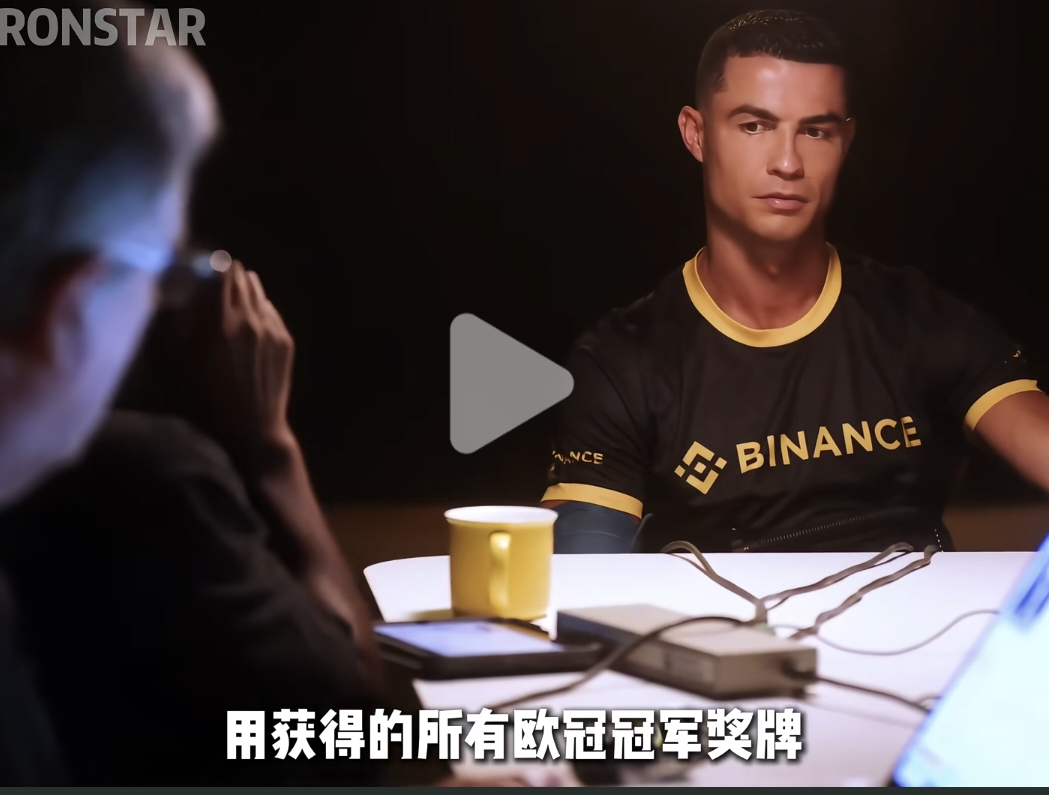
Ronaldo is interviewed wearing a Binance T-shirt before this World Cup
However, this collaboration initiated during the previous World Cup, and Binance has not made many recent moves in the realm of football sponsorship. At the national team level, Binance had also signed a five-year contract with the Argentine Football Association in 2022 but voluntarily terminated the agreement on July 17, 2023, citing delivery disputes that led to a breakdown in relations. The annual value of this contract was reportedly around $8 million. This encounter may also explain why Binance has not expanded its football sponsorships in recent years.
Argentina Football Association holding more than six crypto sponsorships
However, the partnership with Binance did not dampen the enthusiasm of the Argentine Football Association in accepting sponsorships from crypto companies. It currently holds the most sponsorships from crypto firms, effectively managing the numerous second-tier exchanges and crypto platforms that wish to attract users:
- LBank: LBank signed a multi-year cooperation agreement with the Argentine Football Association in September 2025, becoming the regional sponsor of the Argentine national football team. When announcing the partnership, LBank also launched a $100 million prize pool to support event promotion.
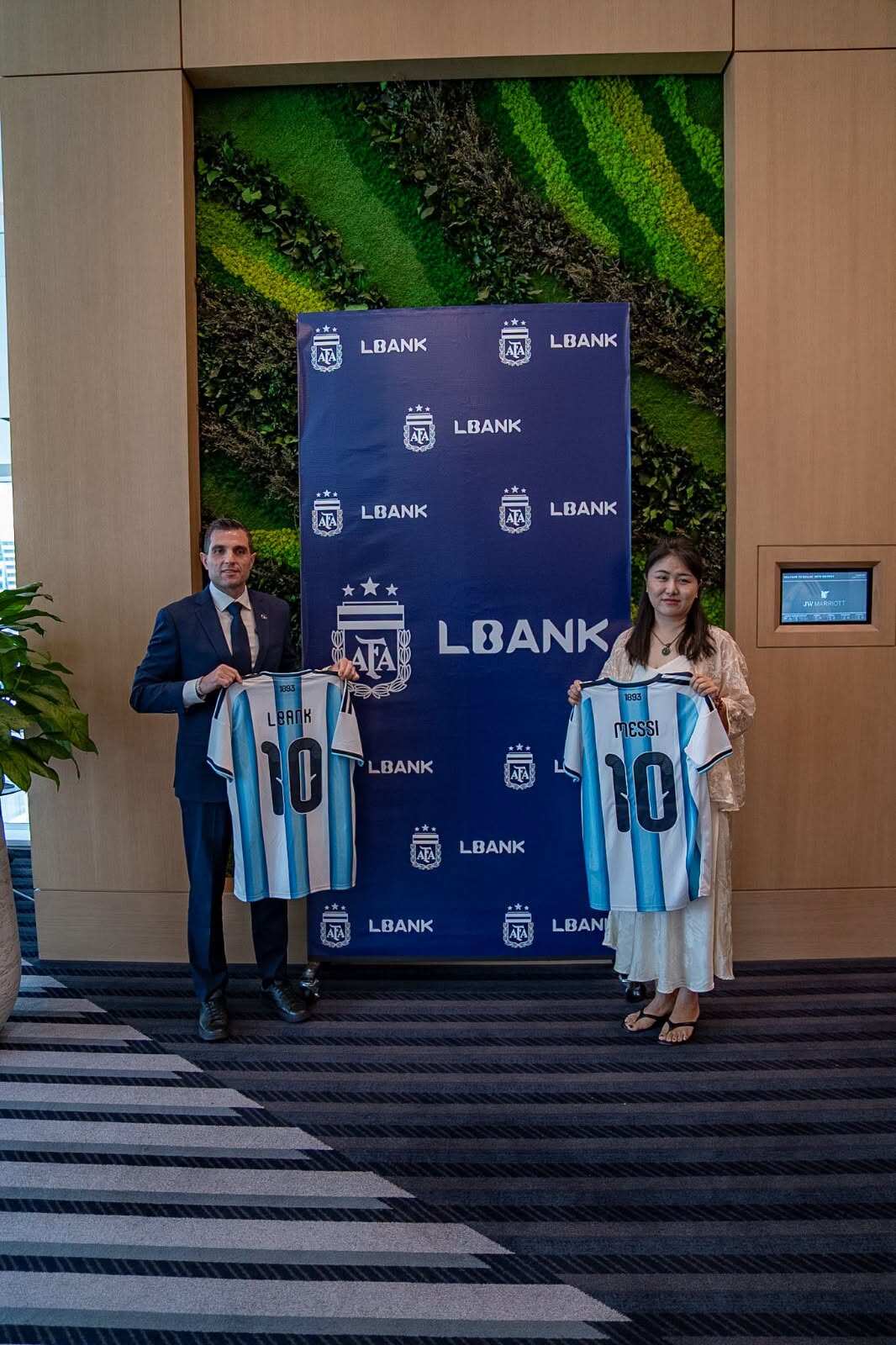
LBank joint event with the Argentine Football Association
- Crypto lending institution Nexo signed a multi-year cooperation agreement with the Argentine Football Association on April 14, 2026, becoming its official digital asset partner in South America/Latin America.
- BTCC signed a multi-year cooperation agreement with the Argentine Football Association on April 2, 2026, becoming its official regional partner.
- XBO.com signed a one-year cooperation agreement with the Argentine Football Association in 2025, becoming its official global sponsor for 2025, focusing mainly on the 2025 events and preparations for the 2026 World Cup.
- Crypto derivatives exchange Deepcoin signed a multi-year cooperation agreement with the Argentine Football Association in March 2026, becoming its official regional sponsor, specifically covering Asian/regional markets including Vietnam and Taiwan.
- ATFX signed a multi-year cooperation agreement with the Argentine Football Association in January 2026, becoming its official regional sponsor.
Bitget deeply binds with Messi
Similar to Binance’s strategy, although Bitget did not sponsor the Argentine Football Association, it also directly formed a bond with football superstar Lionel Messi. In 2022, Bitget announced a partnership with Messi, appointing him as its global brand ambassador and leveraging Messi's number 10 jersey and Bitget's then-premier offering of copy trading for global brand promotion. Since Messi ultimately led Argentina to win the 2022 World Cup, this collaboration has become a classic case in Bitget's brand development history.
Currently, the partnership is ongoing, with Messi still appearing in Bitget's global advertisements and brand promotional videos. However, the downside of such personal endorsements is that Bitget's logo cannot appear on the pitch alongside Messi during matches.
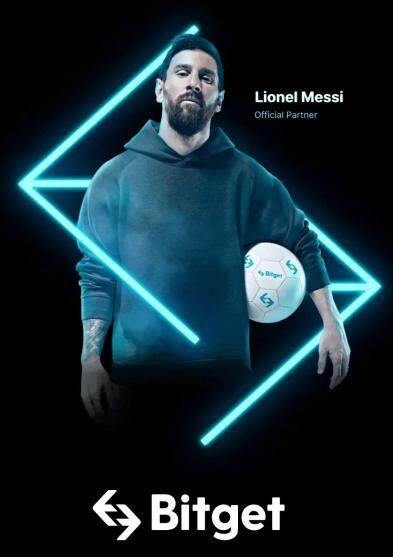
Bitget's global brand ambassador Messi
Kalshi riding on advertising
Those carefully watching the World Cup may have noticed the name of the prediction market Kalshi on pitch-side advertisements. The quadrennial World Cup presents a rare development opportunity for all prediction market projects, with each team doing extensive promotion and a series of activities centered around the World Cup, but Kalshi is the only prediction market project appearing at the World Cup.
However, Kalshi is not within FIFA's official sponsorship system. Reports indicate that Kalshi declined FIFA's sponsorship offer of about $150 million. So how did it achieve this?
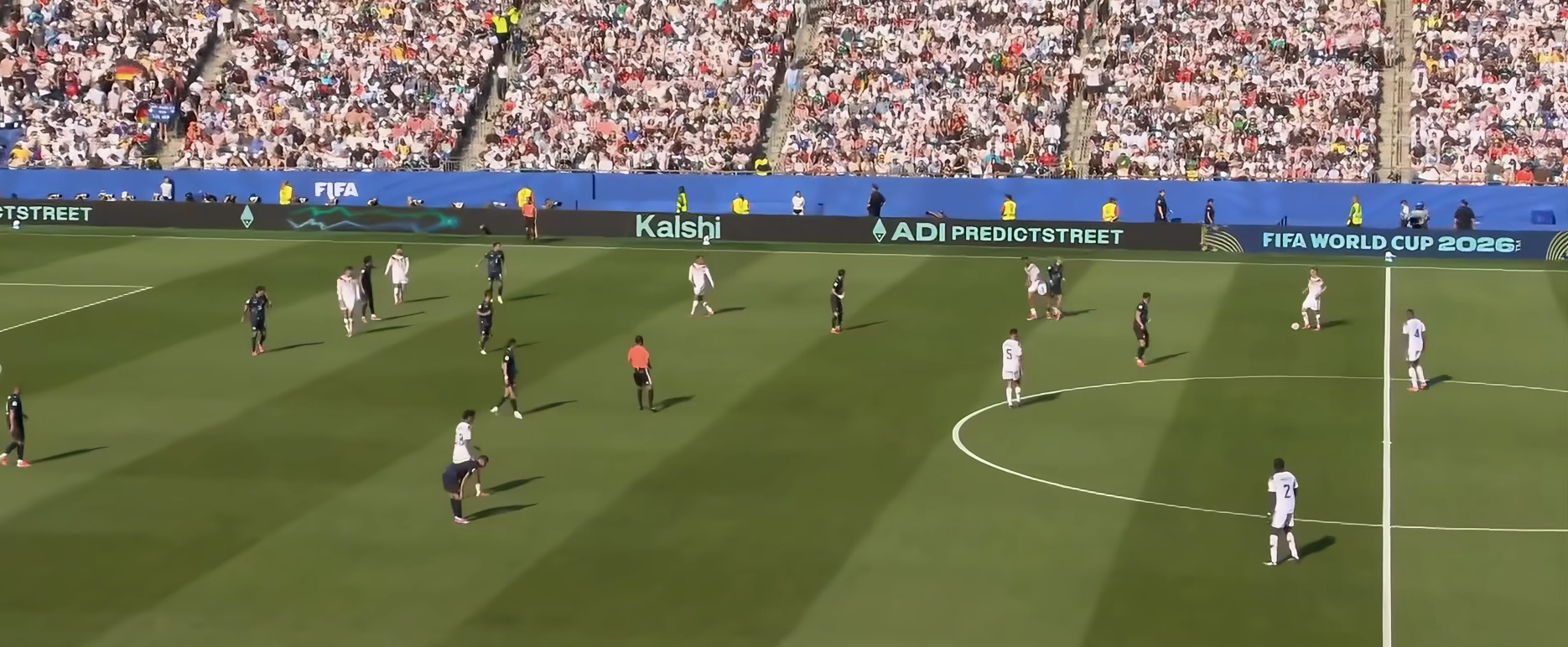
Kalshi appears on the World Cup pitch-side advertisements
This can be traced back to ADI Predictstreet, which became FIFA's sole official prediction market partner for the World Cup on April 2, 2026. On June 26, the savvy Kalshi announced a strategic brand and product collaboration with ADI Predictstreet, where the brand collaboration mainly focuses on the knockout stage. Kalshi will share advertising space with ADI Predictstreet for joint brand promotion at sports venues, television, and online platforms.
Thus, as shown in the image, Kalshi is able to appear on pitch-side billboards alongside ADI Predictstreet, and reports suggest Kalshi paid about $20 million to ADI Predictstreet to have its logo stand alongside ADI Predictstreet's during matches. Compared to FIFA's $150 million sponsorship offer, Kalshi has "saved the nation by indirect means" while achieving a higher cost-effectiveness for exposure.
Why has this change occurred?
The sponsorship from crypto companies at the World Cup has not completely vanished; they have merely realized that for the unique industry of crypto, instead of seeking "ineffective exposure" in official events, it is better to interact cooperatively with top trending football IPs, generating brand benefits that are not inferior to the World Cup while spending less.
However, in terms of timing and contracts, compared to the previous World Cup, the number of new contracts in this World Cup has obviously decreased, as many crypto companies began sponsoring football from 2022 and have not further increased their investments in recent years.
On one hand, this is closely tied to the industry environment. Around the end of 2022, the crypto market was still in a bull market, with Bitcoin hitting an all-time high in November 2021, and the direction of "mass adoption" had not yet dissipated, leading to a significant influx of crypto capital into sports event sponsorships. However, as we move into 2026, both the market situation and industry confidence appear as illusory as reflections in water or flowers in a mirror.
On the other hand, top-tier and profitable crypto companies have also gradually lost their fascination with such international top-tier event sponsorships. In April of this year, Bybit's CEO Ben explained for the first time in an interview why the company chose not to renew its sponsorship agreement with Red Bull F1, stating that the commercial value of F1 sponsorship has been declining year by year while the cost of activating all sponsorship rights continues to rise; merely maintaining the operational team's costs can often far exceed the sponsorship fee. He also pointed out that invited guests are fixed annually, and it even involves "human relationships," leading some to expect "to be invited," and that not inviting them could damage business.
The predicament Bybit faced in F1 sponsorship may also reflect the current challenges crypto companies face in World Cup sponsorships. For crypto companies increasingly emphasizing ROI in this market, rather than spending hundreds of millions on an "official partnership identity," it is more worthwhile to invest budgets in a championship team, a superstar, or even slyly "piggyback" on a pitch-side advertisement.
The World Cup remains the top traffic venue worldwide; crypto companies have not departed from the World Cup; they have merely shifted their advertising logic from a one-dimensional display of "money ability" to decentralized, discreet, and effective collaborations.
免责声明:本文章仅代表作者个人观点,不代表本平台的立场和观点。本文章仅供信息分享,不构成对任何人的任何投资建议。用户与作者之间的任何争议,与本平台无关。如网页中刊载的文章或图片涉及侵权,请提供相关的权利证明和身份证明发送邮件到support@aicoin.com,本平台相关工作人员将会进行核查。


