Key Points
The first day of the 2025 Binance Blockchain Week kicked off at the Coca-Cola Arena in Dubai, with numerous global leaders from policy, market, and Web3 innovation fields in attendance.
The program delved into topics such as Bitcoin, stablecoins, real-world applications, next-generation infrastructure, and institutional growth, sharing many insightful perspectives—speeches from guests like Michael Saylor, Richard Teng, Brad Garlinghouse, and Lily Liu were particularly notable.
Don't miss the second day of Binance Live tomorrow—featuring Raoul Pal's outlook on the 2026 market and a focal debate between CZ and Peter Schiff.
The exciting first day of the 2025 Binance Blockchain Week has concluded, marking an unforgettable day!
This year's conference is being held again at Dubai's iconic Coca-Cola Arena from December 3 to 4, bringing together leaders from the cryptocurrency, broader technology, and financial industries, as well as top policymakers from around the world. Binance's leadership set the tone for the conference: at the outset, co-founder He Yi announced that she would serve as co-CEO alongside Richard Teng, at a time when Binance's user base is nearing 300 million.
Co-CEOs Richard Teng and Yi He outlined Binance's next phase of development and user-centric strategy, while His Excellency Omar Sultan Al Olama, UAE Minister of State for Artificial Intelligence, Digital Economy, and Remote Work Applications, shared the country's vision for digital assets.
The conference agenda maintained a high-energy pace: Michael Saylor made his debut at a UAE conference, delivering a compelling keynote on Bitcoin; leaders from BlackRock, Citigroup, the Solana Foundation, Ripple, Polygon, Aptos, and others engaged in deep discussions on topics influencing the practical application trends of Bitcoin in 2025. Highlights included a "Binance People Live" session with Binance CMO Rachel Conlan, an in-depth analysis of stablecoins, tokenization, and next-generation Web3 infrastructure, as well as Balaji Srinivasan's macro outlook on a future network-driven society.
Missed the exciting moments? Don't worry—here's a quick recap of He Yi's significant appointment and the major events of the first day.
Make sure to tune in to the second day of Binance Live tomorrow!
Building the Discussion Framework and Introducing Binance Junior
At the opening ceremony of Binance Blockchain Week, our CEO, Changpeng Zhao, announced Binance's new leadership structure. Zhao stated that He Yi's appointment as co-CEO is a natural progression in her role, which will solidify Binance's leadership position as its user base approaches 300 million. He also emphasized the two CEOs' user-centric vision aimed at driving product innovation, responsibly expanding global operations, and building Web3 infrastructure, ultimately achieving the goal of 1 billion users.
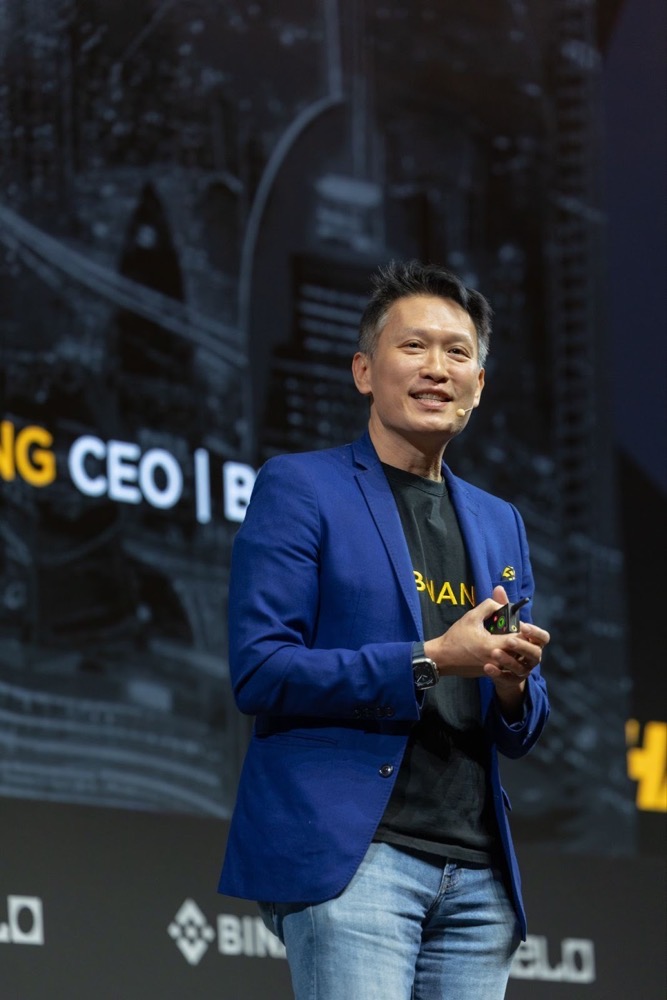
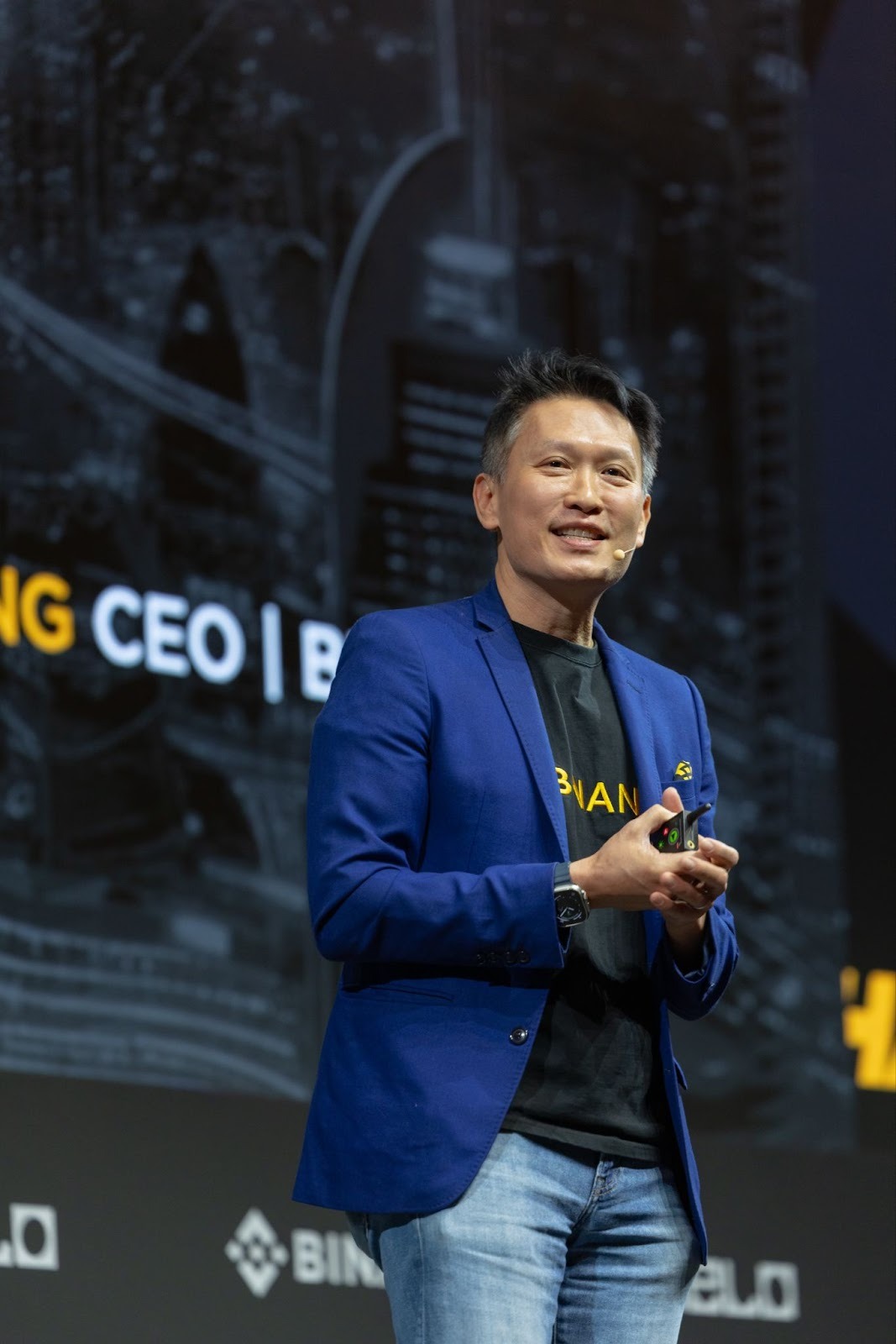
He subsequently described 2025 as a turning point for currency, markets, and digital trust, emphasizing why the UAE is an ideal place to embark on this new chapter. He reflected on the UAE's steady transformation into a leading financial and innovation hub, comparing it to the evolution of cryptocurrency itself: from a niche and decentralized currency to a global, borderless value transfer platform driven by blockchain and stablecoins. Teng highlighted the "undeniable strong momentum" behind digital assets and pointed out how regulation has become a bridge to achieving scale, citing examples of how clear rules and reliable infrastructure can accelerate real-world applications.
In this context, Teng took the opportunity to introduce Binance Junior, positioning it as a key component of Binance's responsible long-term industry development vision. Binance Junior is a new, family-centered, parent-controlled application and sub-account aimed at users aged 6 to 17, designed to create a cryptocurrency savings environment rather than a trading platform. Children and teenagers can earn rewards through the "Flexible Simple Earn" feature, while trading functions are disabled, and strict permission limits ensure the safety and transparency of activities. By combining robust security measures, practical savings tools, and age-appropriate educational content, Binance Junior aims to cultivate the next generation's understanding and confidence in digital finance, starting from the family.
His Excellency Omar Sultan Al Olama: The Digital Foundation of the Future Economy

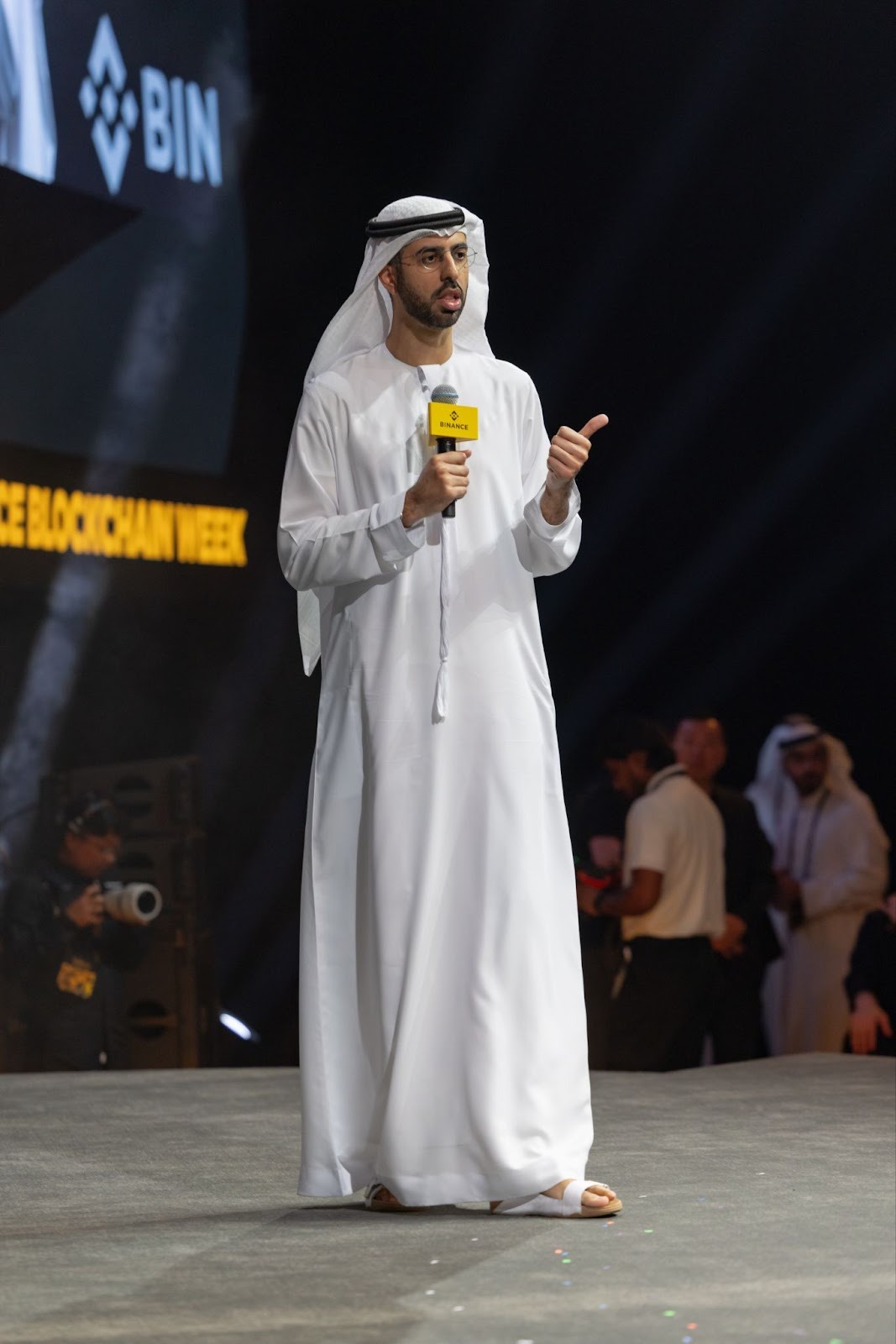
As a nation of entrepreneurs, we wake up every day asking ourselves: What can we do? How will our future unfold?
UAE Prime Minister Omar Sultan Al Olama articulated the UAE's vision in the fields of artificial intelligence and blockchain from the perspective of a "nation of entrepreneurs," contrasting the "children of the desert" with the "children of the forest." The "children of the desert" can envision the future from nothing, while the "children of the forest" only appreciate what exists. He explained that the UAE thinks every day about "what we can do?" and "how will the future develop?" rather than relying on institutions passed down over centuries.
He stated that this mindset has supported the UAE's consistent and unwavering positioning as one of the most suitable regions for blockchain development globally since 2015: they view blockchain as a foundational technology through which the UAE can create real value for global society. He recounted his experiences as Minister of Artificial Intelligence—"at that time, people still thought AI was just something from science fiction"—and emphasized the government's commitment to deploying various technologies in a seamless manner, such as smart gates at airports, which people will love once they experience them.
Michael Saylor: The Irrefutable Case for Bitcoin
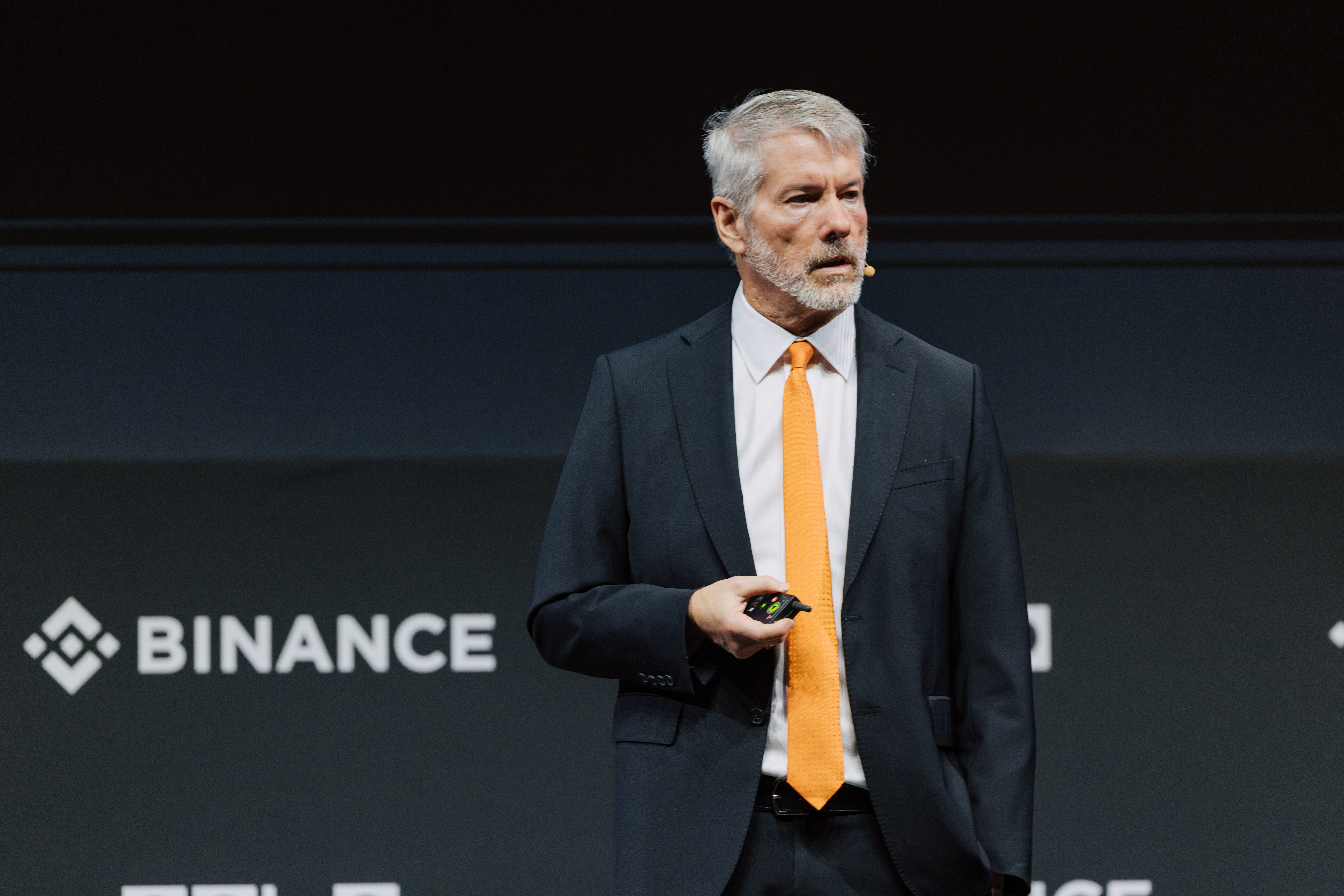
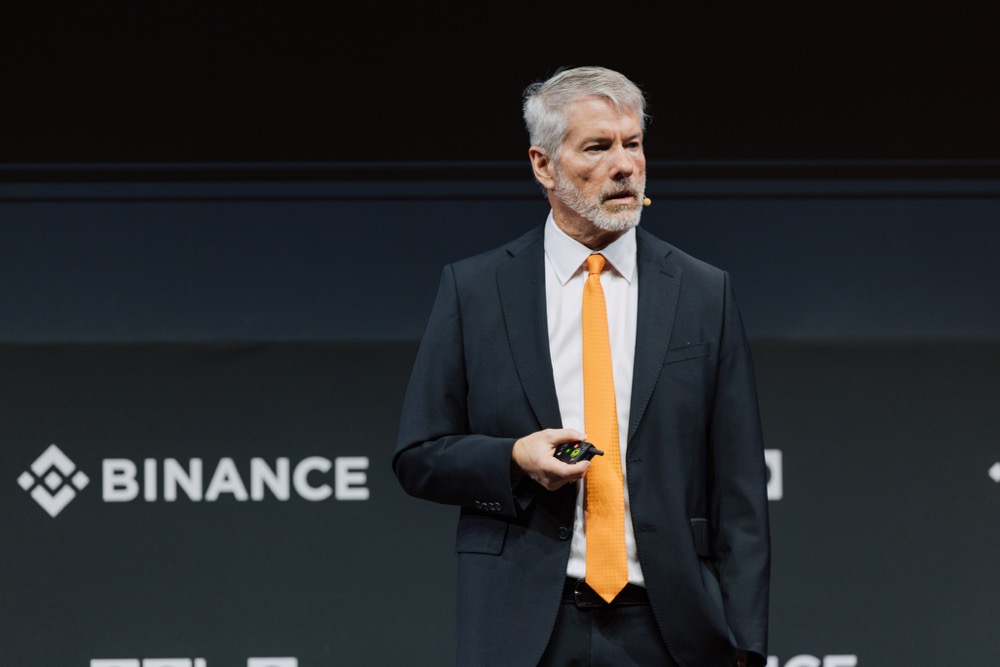
Bitcoin is the foundation of the economic market—it has trading capabilities that surpass Google, Microsoft, and even the purchasing power of the U.S. Navy.
Michael Saylor of Strategy believes that as political and institutional support shifts towards Bitcoin, it has moved from the periphery of global finance to the core, becoming "digital capital." He emphasized that within just 12 months, the U.S. banking industry has transitioned from hostility towards Bitcoin to acceptance—eight of the top ten banks are now involved in cryptocurrency lending—and the Treasury's guidance and the successful launch of spot ETFs by Wall Street giants like BlackRock indicate that Bitcoin is now widely accepted. In this context, he elaborated on his company's strategy of spending billions of dollars to acquire over 3% of Bitcoin, aimed at increasing the "per-share Bitcoin value" for investors.
Subsequently, Michael Saylor painted a grander vision: Bitcoin will serve as the foundation for a new digital credit system, thereby disrupting traditional banking, insurance, and money markets. He compared the low yields (around 3%) of the money market with Bitcoin's historically higher performance, pointing out that companies utilizing digital assets will surpass those tied to depreciating fiat currencies. He believes that by using Bitcoin as collateral to build new, AI-driven credit products—these products yield high returns, offer tax advantages, and are designed to minimize drawdowns—digital credit can provide real returns that banks "get nothing" from, reshape the global financial system, and reward investors willing to take on volatility, or investors can also gain exposure to Bitcoin's upside through structured credit products with smoother risk characteristics.
The Future of Client Asset Allocation
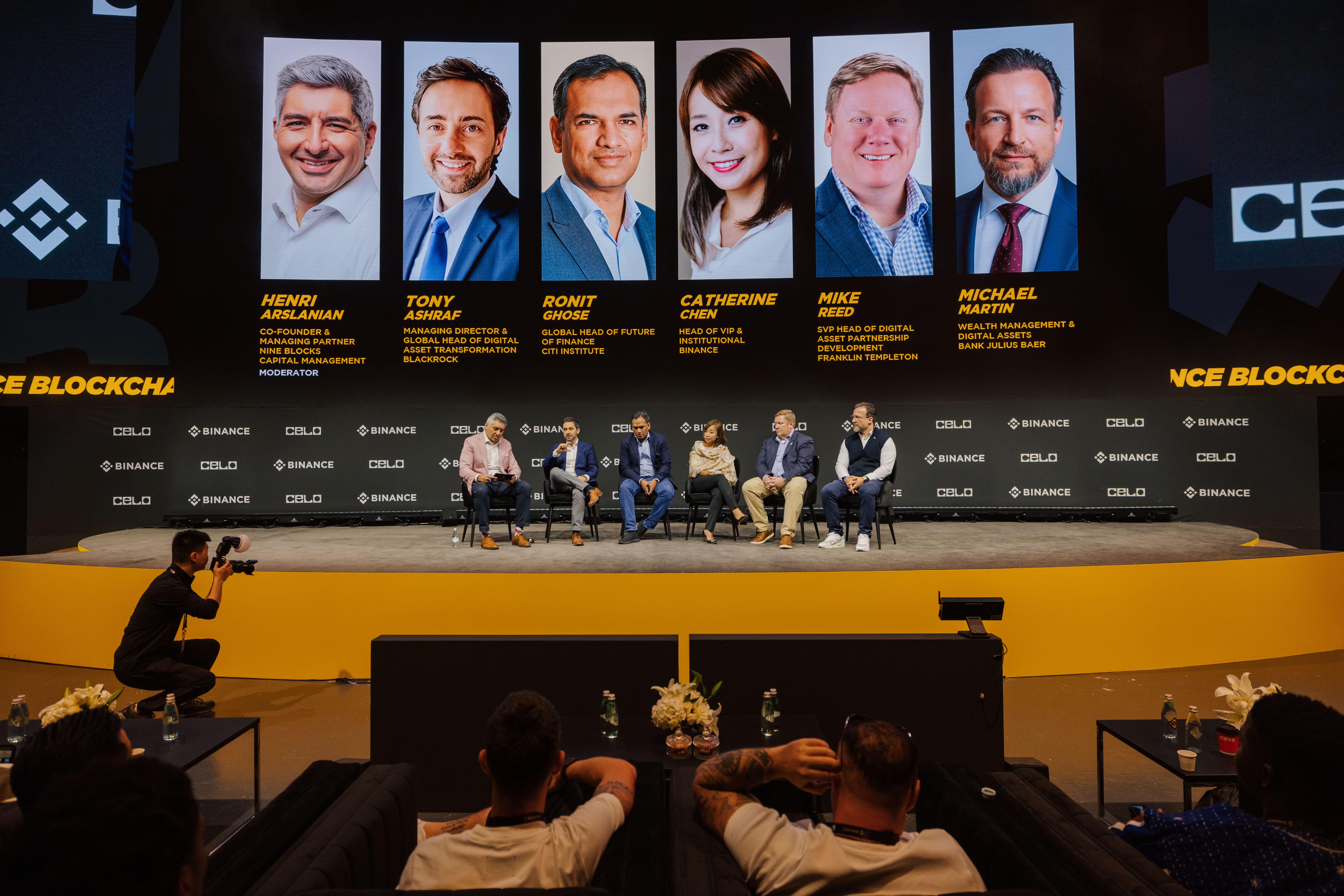

In the next 10-15-20 years, who will control wealth? This is a demographic question that requires us to build bridges and create a complete financial infrastructure. —Tony Ashraf, Managing Director and Global Head of Digital Asset Transformation at BlackRock
The first star-studded institutional expert panel discussion of the day featured Tony Ashraf, Managing Director and Global Head of Digital Asset Transformation at BlackRock; Ronit Ghose, Global Head of Future Finance Research at Citigroup; Catherine Chen, Head of VIP and Institutional Business at Binance; Mike Reed, Senior Vice President and Head of Digital Asset Partnerships at Franklin Templeton; Michael Martin, Head of Wealth Management and Digital Assets at Julius Baer; and was moderated by Henri Arslanian, Co-Founder and Managing Partner of Nine Blocks Capital Management.
The conference discussed how cryptocurrencies are transitioning from a novelty to a core asset allocation as traditional and digital markets become increasingly intertwined. Tony Ashraf from BlackRock pointed out that traditional assets are being "wrapped" in cryptocurrencies (and vice versa) due to maturing regulations, infrastructure, and growing demand for diversified investments, thereby building a bridge connecting the two. Ronit Ghose noted that what was commercially insignificant in 2015 has now been reshaped by tokenization and U.S.-backed stablecoins, which are breaking down barriers in the cryptocurrency space. Catherine Chen highlighted that Binance's wealth and premium product offerings provide clearer market information for previously hesitant clients. Mike Reed from Franklin Templeton argued that avoiding cryptocurrency investments has become a proactive choice given the risk-return characteristics of cryptocurrencies, and that products must be genuinely designed on-chain. Moderator Henri Arslanian emphasized that half of the global cryptocurrency users are under 34 years old, and that traditional financial players, rather than Binance, are competing to adapt to this new investor demographic.
A Long Road Ahead
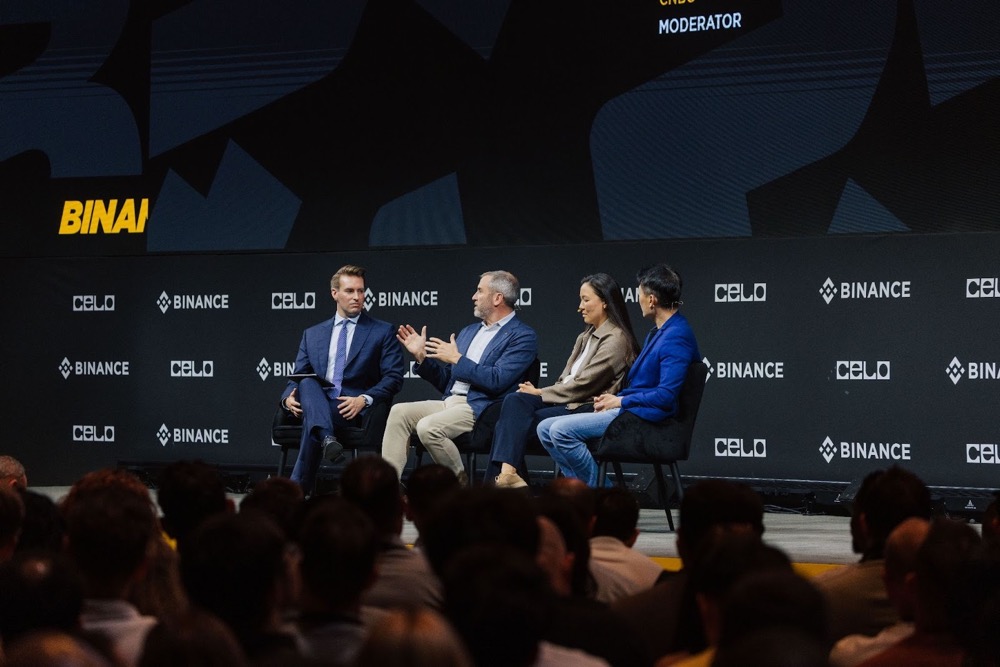
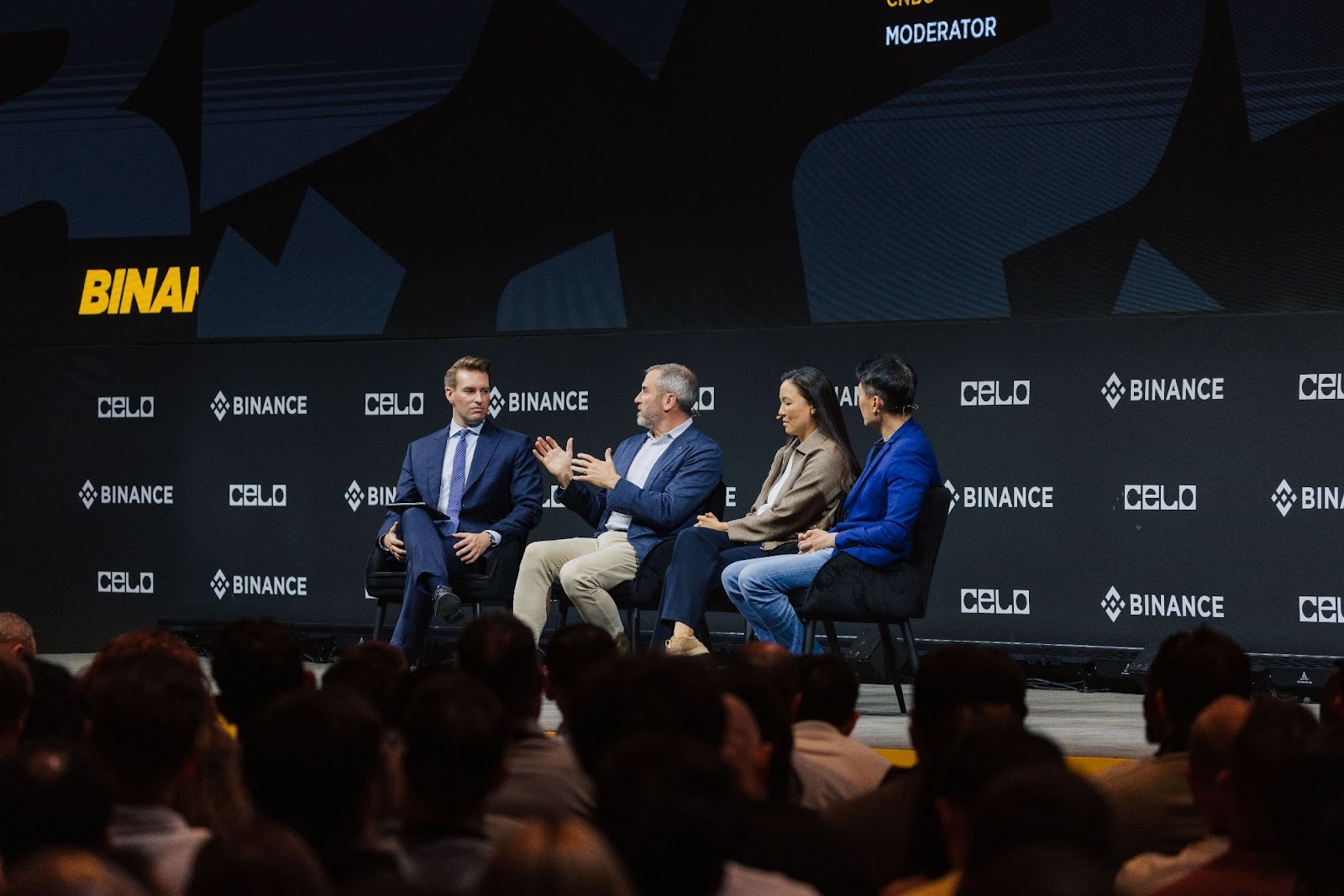
People are beginning to realize that stablecoins are indeed stable and easier to manage and transfer, especially in this region. —Brad Garlinghouse
The conference was hosted by Dan Murphy from CNBC, featuring Ripple CEO Brad Garlinghouse, Solana Foundation Chair Lily Liu, and Binance Co-CEO Richard Teng, who gathered to discuss the future development of cryptocurrencies in a more regulated and institutionally friendly environment. Richard stated that despite recent market volatility, he remains very optimistic about the cryptocurrency market, believing that the increasingly clear regulatory environment and the steady entry of institutional investors mean "the best is yet to come." He emphasized that large institutions need time to act, but they are clearly joining in, highlighting that stablecoins are a significant driver for enhancing capital efficiency—cheaper, faster, and increasingly important for institutional investors—while noting that Binance is currently one of the most strictly regulated entities in the industry.
Brad described the current phase as another shift in the cryptocurrency risk appetite/risk aversion cycle, but he stated that macro-positive factors, the "huge shift" in the previously hostile U.S. market, and the rise of spot ETFs all support his optimistic outlook for 2026. He pointed out that currently only 1-2% of ETFs invest in cryptocurrencies and expressed his belief that this percentage will rise within a year, as those who once stood on the sidelines will "crawl first, then walk, and finally run." Lily emphasized that volatility is part of the industry and stated that Bitcoin's current price "is performing well." She also joked that in 2016, she set the visitor Wi-Fi password to "Bitcoin 100 K," at a time when people thought she was crazy. She connected themes of speed, low cost, programmability, and liquidity to discussions from early Bitcoin forums a decade ago, noting that Solana's vision has always been to integrate all these features to create "fintech." The conference concluded with Brad Garlinghouse predicting that Bitcoin will reach $180,000 on December 23 or December 31, 2026, a prediction that left a strong impression.
Rachel Conlan and Binance Live's Humans of Binance
The "Humans of Binance" live segment brought a documentary-style narrative to the main stage, with Binance community members from Latin America, South Asia, and the Middle East and North Africa vividly interpreting the concept of inclusive finance. Consistent with the theme of the online series—where inclusive finance begins with accessibility and education—the speakers emphasized how Binance's Academy, Earn, P2P, and simple spot trading products empower individual users, not just investors.
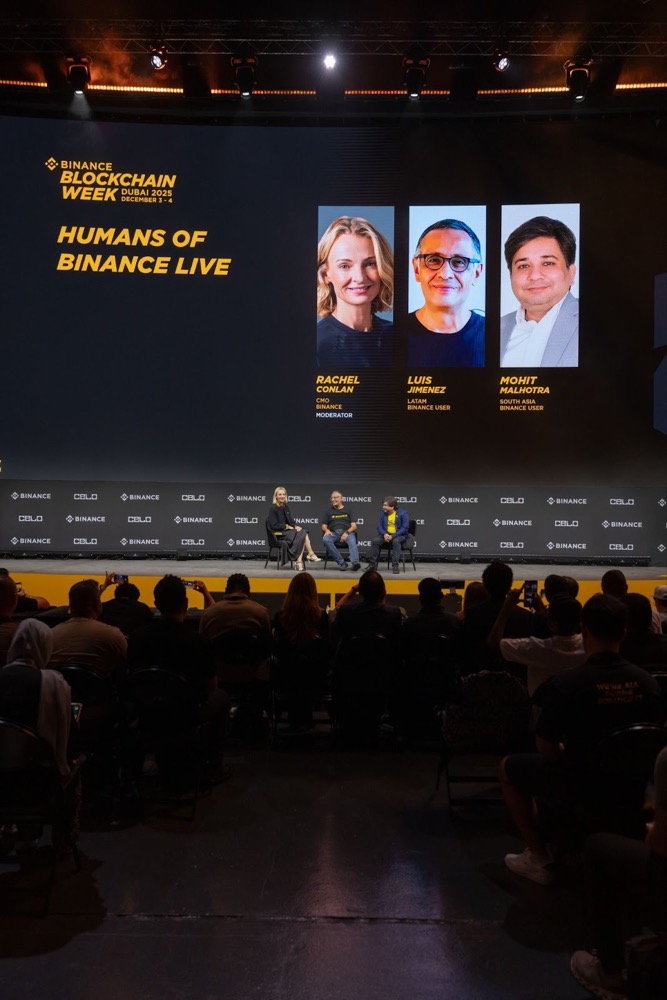
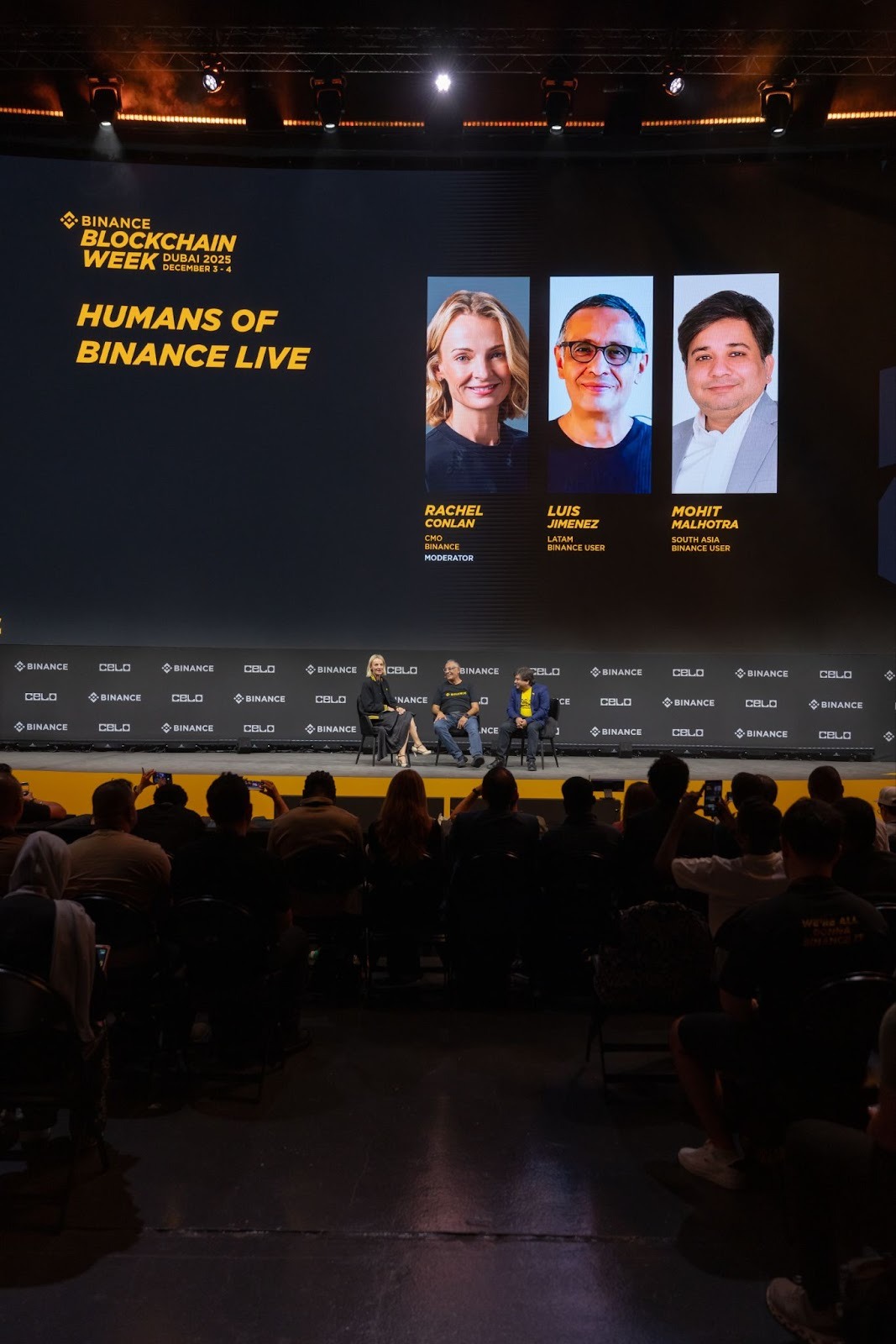
Luis Jimenez from Latin America shared his feelings when he discovered Binance in 2018, saying, "It felt like the beginning of the internet," and emphasized that learning must come first. "Use trusted resources like Binance Academy to learn the relevant knowledge before starting to invest."
Mohit Malhotra, representing South Asia, pointed out that while cryptocurrencies still seem daunting, their development—from ETFs to increasingly popular global applications—demonstrates that this technology is real and here to stay. "If in doubt, just look at Binance's homepage; the growing user base is the best proof."
Under the guidance of Binance's Global CMO Rachel Conlan, the conference refocused on people—illustrating how Binance is not only shaping the future of finance but also changing individuals' personal journeys today.
Balaji Srinivasan: Building Network States
Balaji Srinivasan presented his theory of "network states"—that new companies will emerge after cryptocurrencies, giving rise to entirely new nations. He believes that establishing network-native states is "feasible, desirable, and profitable," defining a network state as an entity social network that evolves from individuals to millions of citizens. Given that 38 UN member states have populations of less than a million and the number of UN member states continues to grow, he argues that sufficient influence—measured in population, capital, and coordination—is a new prerequisite for gaining diplomatic recognition. In his view, as countries engage in a game with increasingly powerful digital platforms and enterprises, the real world is effectively playing a game with the cloud.
He positions network states as an escape for those in failing systems—a digitally coordinated community that can migrate, invest, and establish new institutions using a SaaS (Society as a Service) model. He believes that the next decade will not only see the emergence of new products but also the rise of new types of voluntarily participatory network societies.
Day One of the Innovation Stage
The Innovation Stage of the 2025 Binance Blockchain Week showcased a series of vibrant forward-looking panel discussions and practical sessions, highlighting the builders, applications, and technologies shaping the next era of Web3.
The main stage explored key market, regulatory, and infrastructure themes, while the Innovation Stage provided a more interactive, application-oriented approach—bringing attendees closer to real use cases, practical tools, and emerging products within the ecosystem.
The day's events kicked off with a welcome address from the stage host, followed by in-depth discussions on blockchain education and ecosystem development in the Middle East and North Africa, featuring leaders from King Saud University, the UAE Blockchain and AI Association, and Binance Academy.
Subsequently, attendees heard insights from top infrastructure teams, including WalletConnect, Ledger, and Heima Network, discussing how wallets, security, and user-centric design are evolving to support the next billion users.
Other highlights included discussions on super app architecture, the future of gaming, and AI-driven economies, as well as practical sessions on payments, funding innovation, and digital asset implementation, with speakers from Mastercard, First Digital, Better Payment Network, and Binance Fiat.
Afternoon activities included panel discussions on AI x Web3, decentralized cloud infrastructure from Alibaba Cloud and AWS, the next generation of digital stadiums, and fan engagement, along with showcases of wallet and security innovations across the ecosystem.
Founders then took center stage at the "Developer Showcase," rapidly pitching their new protocols, products, and market opportunities. The day's events concluded with discussions on DeFi liquidity trends for 2026, agent payments supported by Binance Pay and Google Cloud, and a lively debate on how culture and narrative continue to shape the cryptocurrency market.
You can watch the full replay of Innovation Stage Day 1 on Binance Live.
Celebrating the Inaugural Blockchain 100 Awards
On the first day, the global creator community celebrated a milestone moment—the inaugural Blockchain 100 Awards held during Binance Blockchain Week. Sponsored by Celo and Lumia, the awards aim to recognize creators who have made outstanding contributions to blockchain education, storytelling, analysis, and community building. The opening remarks by Binance co-founder He Yi set the tone for the evening, which aimed to honor the voices that influence millions of users' understanding of cryptocurrencies. Award winners from around the world—including researchers, traders, educators, meme creators, and cultural influencers—took the stage to share their journeys and the impact of their work.
With strong support from major global media and enthusiastic participation from the audience at the Coca-Cola Arena, the awards ceremony showcased the significant influence content creators have in promoting the adoption of Web3 technologies. The Blockchain 100 Awards highlight Binance's commitment to nurturing elite talent that drives industry development through education, open knowledge, and inspiring creativity, leading to the dawn of a digital new era.
See you on the second day tomorrow!
As the first day at the Coca-Cola Arena came to a close, one thing was clear: the 2025 Binance Blockchain Week is leading the future direction of digital assets, regulation, and real-world applications. From a steadfast belief in Bitcoin and stablecoins to in-depth discussions on Web3 architecture, tokenization, and cultural narratives, today's conference prominently showcased the rapid maturation trends in the industry and how builders, institutions, and policymakers are collaborating to shape the innovative landscape of the next decade.
But this is just the beginning. The second day will bring rich market insights, technological breakthroughs, and hot topics—including Raoul Pal's outlook for 2026, a Mastercard-Ripple-TON payment panel discussion, the next wave of AI-driven trading intelligence, and of course, the main event: Bitcoin vs. Tokenized Gold, hosted by CZ and Peter Schiff.
免责声明:本文章仅代表作者个人观点,不代表本平台的立场和观点。本文章仅供信息分享,不构成对任何人的任何投资建议。用户与作者之间的任何争议,与本平台无关。如网页中刊载的文章或图片涉及侵权,请提供相关的权利证明和身份证明发送邮件到support@aicoin.com,本平台相关工作人员将会进行核查。