Author: Liang Yu
Editor: Zhao Yidan
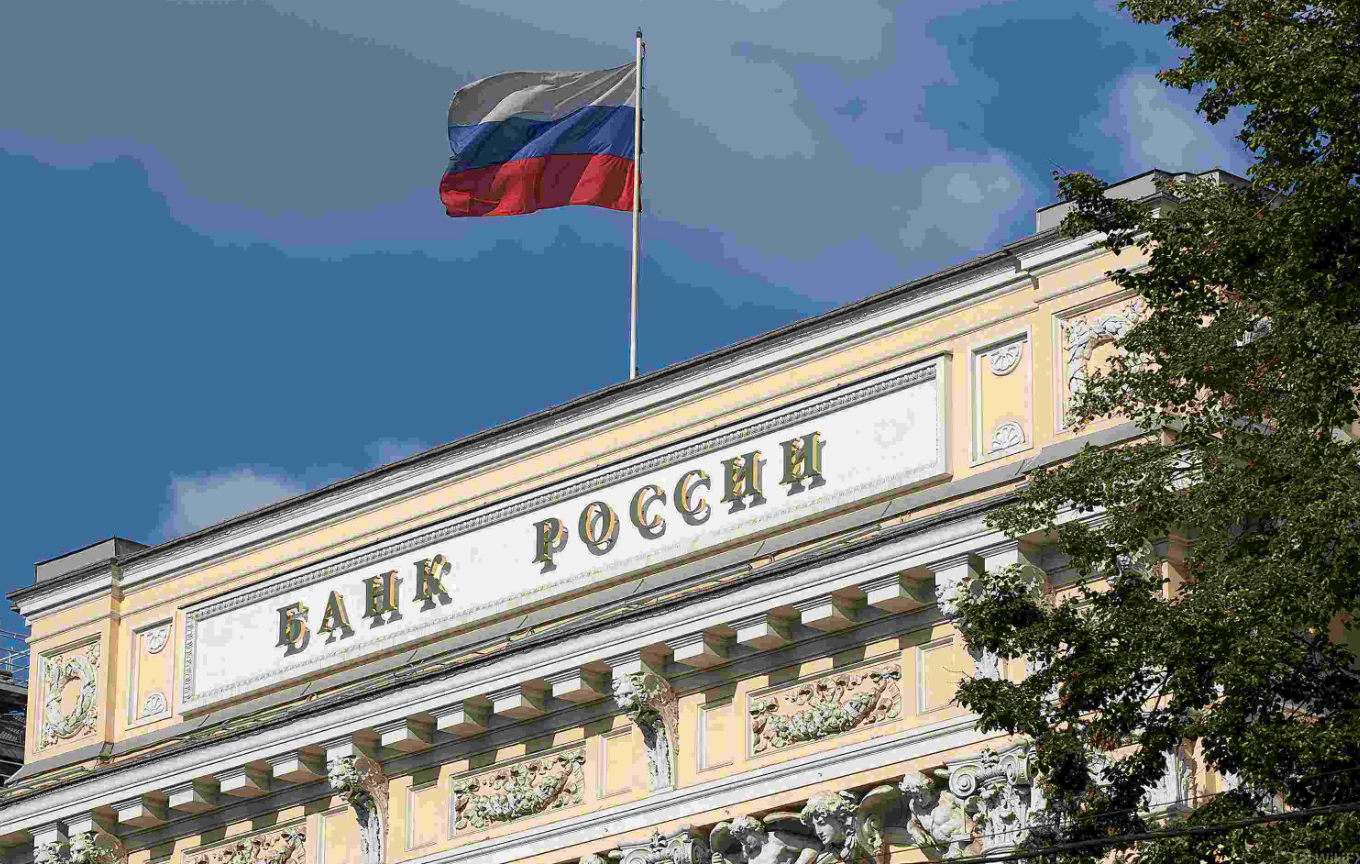
According to a report by Sina Finance on December 2, the Central Bank of Russia is actively discussing with the Ministry of Finance to relax cryptocurrency regulatory policies, potentially allowing a broader range of investors to participate in digital asset trading. First Deputy Governor Vladimir Chistyukhin stated that the current environment of restricted cross-border payments has prompted authorities to reassess the limitations.
According to public statements from the Russian Ministry of Finance, the country is considering lifting the regulations that limit cryptocurrency trading to "qualified investors" only. This restriction originally required investors to have a net worth of over $1.2 million or an annual income of $600,000. The policy adjustment is driven by real market demand: Russia has dropped from seventh to tenth place in global cryptocurrency adoption rankings, and it is estimated that Russian citizens hold over $25 billion in digital assets through overseas platforms.
This series of changes marks a fundamental evolution in the role of digital assets—from marginalized speculative assets to a key bridge connecting traditional finance and the future digital economy. The tokenization process of Real World Assets (RWA) is becoming the core driving force behind this transformation.
I. The Turning Point of Russia's Cryptocurrency Policy
Russia's regulatory attitude towards cryptocurrencies has undergone a significant evolution. In 2020, Russia implemented a comprehensive ban on the use of cryptocurrencies as a means of payment, placing digital assets in a legal gray area. However, with changes in the international environment and growing domestic demand, this stance began to gradually adjust.
In 2024, Russia passed legislation allowing businesses to use cryptocurrencies in foreign trade for the first time, laying the groundwork for the policy shift. In March 2025, the Central Bank of Russia submitted a proposal for regulating cryptocurrency investments, planning to establish a three-year experimental legal framework. This mechanism initially still restricted cryptocurrency trading to "specially qualified" investors, but the Ministry of Finance's stance was more open, actively promoting the reduction of market entry barriers.
Policymakers face a complex balancing act: preventing capital outflow and financial risks while avoiding missing opportunities for digital economic development. According to a survey by a market research company of 2,500 respondents, 10% of Russians explicitly expressed a desire to invest in cryptocurrencies, with more than a third seeking "independence from the banking system or political risks." This tension between market demand and strict regulation has prompted a reassessment of the policy framework.
II. The Multidimensional Logic and Deep Drivers of Policy Shift
The adjustment of Russia's cryptocurrency policy goes beyond merely seeking alternatives for payments under sanctions; it is intertwined with multidimensional strategic considerations. The financial isolation caused by Western sanctions is a direct catalyst for the policy shift. Since 2022, these sanctions have restricted Russia's access to the SWIFT international payment system and major international currencies. The direct consequences of the sanctions include periodic depreciation of the ruble, adjustments in foreign exchange reserve structures, and limitations on international capital flows, all of which have prompted Russia to explore financial channels outside the traditional banking system.
In addition to financial isolation, the need for adjustments in the energy economic structure is also an important driving factor behind the shift in cryptocurrency policy. As a traditional energy-exporting country, Russia faces unprecedented challenges in the global energy transition and changes in the international trade settlement system. Some government agencies are exploring the possibility of using cryptocurrencies for energy transactions. Although this attempt is still in its early stages, it reflects policymakers' strategic intent to more closely integrate digital assets with the real economy.
At the same time, domestic capital continues to flow abroad through informal channels to overseas cryptocurrency platforms. According to a report by blockchain analysis company Chainalysis, the monthly cross-border cryptocurrency transfer amount exceeds $3 billion, which is three times the officially permitted cross-border cash limit. This phenomenon of "regulatory arbitrage" undermines the effectiveness of domestic financial regulation, forcing policymakers to reconsider how to bring cryptocurrency activities into the regulatory fold.
III. Internal Struggles and the Tension of Market Realities
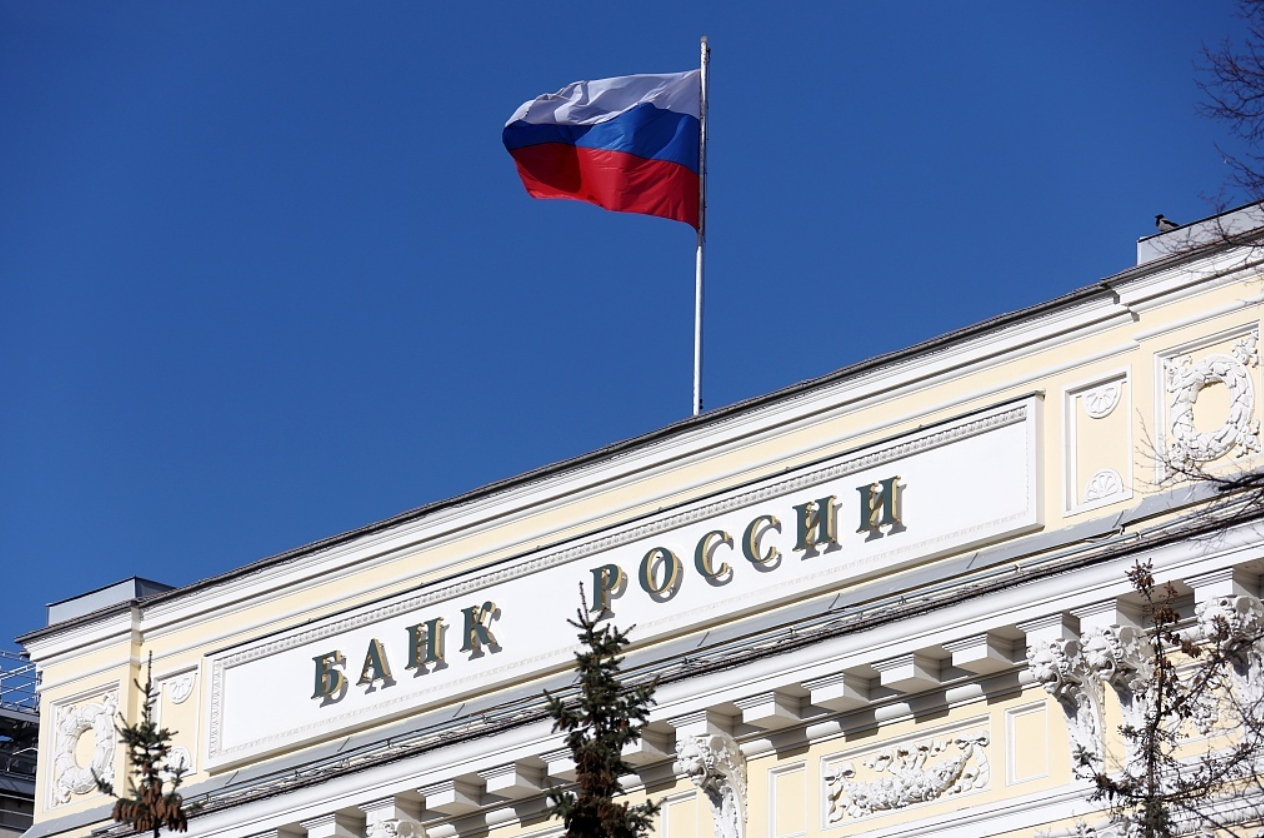
Behind the adjustment of Russia's cryptocurrency policy is a struggle for ideas and coordination of positions among different government departments. The Ministry of Finance tends to adopt a more open attitude, advocating for lowering investor thresholds and establishing clear regulatory frameworks to bring cryptocurrency activities under control. In contrast, the Central Bank is more cautious, emphasizing financial stability risk prevention and advocating for maintaining high investment thresholds and trading restrictions.
This internal divergence reflects a common dilemma faced by regulators globally: how to find a balance between encouraging innovation and preventing risks. Russia is adjusting its cryptocurrency asset policy in an effort to seek a new position in the global digital financial landscape. However, the implementation of the policy faces multiple obstacles: the long-standing capital control measures in the country conflict with the cross-border liquidity nature of cryptocurrency assets; the international sanctions environment limits the connection between Russia's cryptocurrency market and the international system, potentially leading to a relatively isolated "regulatory enclave."
Users' actual behaviors further highlight the tension between policy and market realities. Data shows that a significant proportion of traffic to major centralized trading platforms comes from Russian IP addresses. According to publicly available data, Russian IP addresses accounted for 28% of the total traffic to a certain centralized trading platform in October, equivalent to 4.9 million visits. Another major exchange also saw Russian traffic reach 16%. This high level of participation correlates with the 45% depreciation of the ruble against the dollar over two years, suggesting the hedging properties of cryptocurrency assets in an environment of currency depreciation.
IV. Blockchain Technology: The Innovative Engine for Optimizing Cross-Border Flows
The compliance of cryptocurrencies not only provides security for their own development but also lays a solid foundation for the tokenization of Real World Assets (RWA). Through blockchain technology, RWAs can achieve cross-border flow, programmable management, and transparency, playing an increasingly important role in driving the transformation of the global financial system.
The application of blockchain analysis technology in monitoring cross-border capital flows demonstrates how technology can optimize traditional financial processes. According to blockchain data analysis, addresses related to Russia receive $4-5 billion in stablecoins monthly and send $2.5-3.5 billion, primarily through USDT and USDC. Such large-scale capital flows would be difficult to monitor and manage without the transparency and traceability provided by blockchain.
The European Central Bank is actively exploring the application of blockchain technology in cross-border payments. Its "Digital Euro" project includes considerations for programmable payments and asset tokenization, reflecting traditional financial institutions' recognition of the potential of blockchain technology. The European Central Bank plans to build a payment system using blockchain technology, accelerating the transition to the "Digital Euro" era, which provides important references for other countries.
In Singapore, the Monetary Authority is also actively promoting pilot projects for RWA tokenization, exploring new forms of traditional assets such as real estate and private equity on the blockchain. These practical cases demonstrate that blockchain technology can not only improve the efficiency of cross-border payments but also provide technical support for broader asset flows and transactions.
V. The Global Regulatory Competition Landscape: Common Trends Under Differentiated Paths
Russia's policy adjustment is not an isolated event but part of the global trend in cryptocurrency asset regulation. From an international comparative perspective, countries are exploring different regulatory paths for digital assets based on their own economic structures and regulatory philosophies. The differences in these regulatory paths reflect the policy choices and strategic focuses of various countries in responding to digital assets, but overall, there is a trend of orderly development shifting from absolute prohibition to risk management.
The cryptocurrency policies of major global economies exhibit diverse characteristics: the United States passed the "GENIUS Act" in June 2025, establishing the first comprehensive regulatory framework for stablecoins, requiring issuers to hold short-term, highly liquid assets equal to the amount issued as reserves. The European Union's "Markets in Crypto-Assets Regulation" (MiCAR) adopts a more comprehensive regulatory approach, establishing unified rules covering various types of crypto assets. In Asia, international financial centers like Hong Kong and Singapore are attempting to find a balance between risk management and innovation encouragement through clear licensing systems.
How do these differentiated regulatory paths specifically impact the progress of RWA tokenization? Regions with high regulatory clarity, such as Singapore and the EU, have more active RWA pilot projects; while regions with unclear regulations may face the risk of innovation lagging behind. The differences in regulatory frameworks also affect the cross-border liquidity of RWA products, as different jurisdictions have varying definitions and regulatory requirements for tokenized assets, potentially leading to market segmentation.
From a global perspective, the progress of RWA tokenization is positively correlated with regulatory clarity. Countries and regions with clear regulations are making faster progress in the tokenization of traditional assets such as real estate, art, and private equity, while regions with regulatory uncertainty face more legal and compliance obstacles. This disparity has prompted international organizations such as the Financial Stability Board (FSB) and the International Organization of Securities Commissions (IOSCO) to begin formulating global regulatory standards for cryptocurrency assets, providing a predictable regulatory environment for the cross-border circulation of RWA.
VI. Challenges and Risks: The Complex Realities of Policy Implementation
The implementation of Russia's cryptocurrency policy adjustments has exposed a series of challenges and risks that have universal significance. These challenges are not limited to a single country but reflect common issues faced by global digital asset regulation.
Regulatory effectiveness is the foremost challenge. Although Russia plans to establish a more open regulatory framework for cryptocurrency assets, the implementation of the policy faces multiple obstacles. The international sanctions environment limits the connection between Russia's cryptocurrency market and the international system, potentially leading to a relatively isolated "regulatory enclave." While this isolated state may temporarily meet domestic payment needs, it could limit the depth and vitality of the market in the long run.
Financial stability risk is another core concern. The high volatility of cryptocurrency prices, the potential for market manipulation, and the channels of contagion with the traditional financial system are all issues that regulators must confront. The Central Bank of Russia has implemented strict regulations on foreign digital assets, requiring that these assets not be linked to securities from "unfriendly" countries, and that issuers do not retain the power to freeze or block these assets. This geopolitically based regulatory distinction increases the risk of market segmentation and liquidity dispersion.
Geopolitical factors further complicate the policy-making process. Digital assets may become channels for circumventing traditional financial sanctions, a reality that presents opportunities for sanctioned countries and concerns for sanctioning parties. Research by the Bank for International Settlements indicates that stablecoin flows have had observable impacts on the short-term U.S. Treasury market, with net inflows potentially leading to a moderate decline in three-month Treasury yields within ten days. This correlation indicates that the cryptocurrency market is no longer a completely independent domain but has formed complex interactions with traditional financial markets.
VII. Future Outlook: A New Financial Ecosystem of Integration and Symbiosis
From a long-term perspective, the boundaries between digital assets and traditional finance will gradually blur, forming a new ecosystem of integration and symbiosis. Central Bank Digital Currencies (CBDCs), stablecoins, tokenized assets, and traditional financial instruments will interconnect on a unified technological foundation. This integration will not only change the form of asset representation but may also reshape the role of financial intermediaries and the structure of financial markets.
In the context of the gradual integration of digital assets and traditional finance, we may see more innovative financial products across asset classes in the future. RWA tokenization will become an undeniable force in the global financial market, driving improvements in market transparency and liquidity. For example, financial agreements executed automatically through smart contracts may reduce reliance on traditional intermediaries; while blockchain-based asset registration and circulation systems may enhance market efficiency and lower transaction costs.
The global financial system is undergoing a profound reconstruction based on blockchain technology, and the integration of RWA and digital assets will be the core driving force of this reconstruction process. The practices of various countries in RWA tokenization, such as Singapore's Project Guardian and the EU's DLT pilot system, will provide important experiences for the global development of this field. These explorations not only showcase technological possibilities but also provide a practical foundation for improving regulatory frameworks.
This transformation brings opportunities for increased efficiency and financial inclusion, but it also comes with challenges related to risk transmission and changes in market structure. Policymakers, industry participants, and the international community need to work together to find a sustainable balance between innovation and stability, promoting the construction of a more open, inclusive, and stable new global financial ecosystem.
Some sources of information:
· "Russia Considers Easing Cryptocurrency Market Access Requirements Amid Declining Global Ranking"
· "Russia Considers Easing Cryptocurrency Access as Global Ranking Declines"
· "Central Bank of Russia Confirms: Russia May Ease Cryptocurrency Regulatory Rules"
免责声明:本文章仅代表作者个人观点,不代表本平台的立场和观点。本文章仅供信息分享,不构成对任何人的任何投资建议。用户与作者之间的任何争议,与本平台无关。如网页中刊载的文章或图片涉及侵权,请提供相关的权利证明和身份证明发送邮件到support@aicoin.com,本平台相关工作人员将会进行核查。


