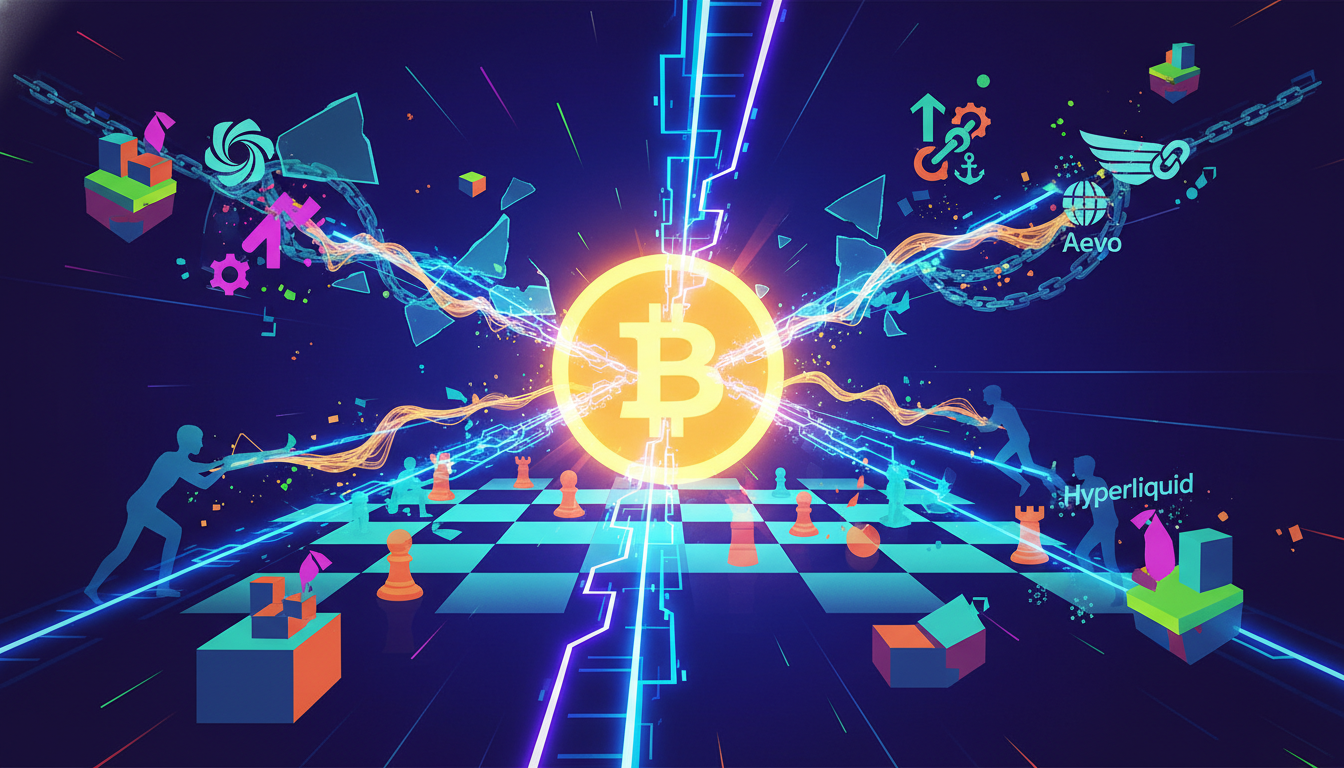
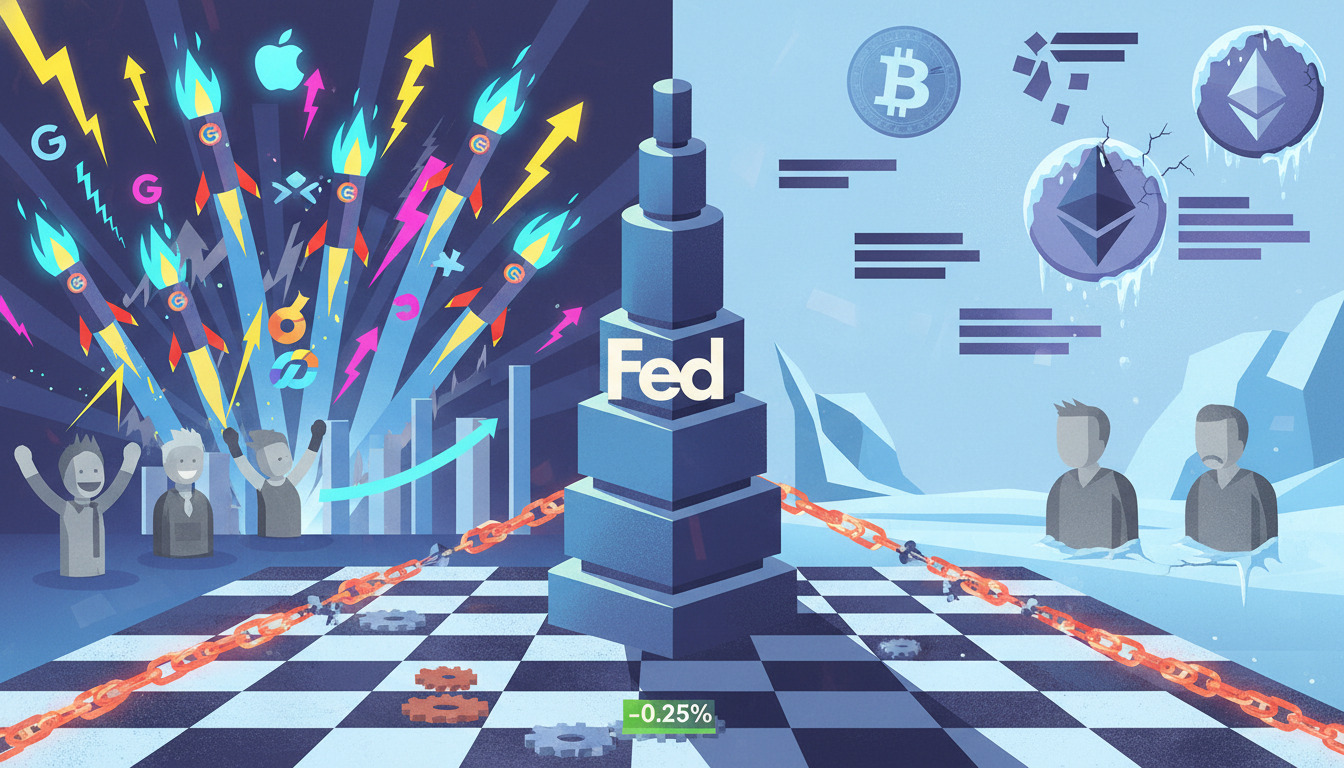
On January 3, 2025, Eastern Standard Time, Bitcoin (BTC) market capitalization share broke through the 60% mark for the first time in three years, briefly approaching 62% during trading, a significant increase compared to the 48%–50% level at the beginning of 2024. With the continuous influx of capital into spot ETFs, rising expectations for halving, and fluctuating expectations for interest rate cuts by the Federal Reserve, funds are accelerating their return from high-risk narratives to mainstream assets. BTC's pricing power over the entire cryptocurrency market has significantly strengthened, while the rotation rhythm and space of altcoins are being reshaped by this structural change.
Market Capitalization Share and Price: How BTC Reasserts Market Dominance
● BTC Price and Share Rise in Sync: Since the second half of 2024, BTC's price has repeatedly surged above $70,000, during which its total market capitalization share rose from below 50% to the current 60%+ range, indicating that this increase in share is not only due to the pullback of altcoins but also a result of BTC's own trend strengthening.
● Mainstream Assets like ETH Relatively Weaker: The exchange rate of ETH relative to BTC has significantly declined from its peak in 2021, with ETH's market capitalization share shrinking from around 20% to about 15%. The overall market capitalization share of L1 and L2 public chains is also on a downward trend, reinforcing the "single-core drive" main structure.
● "Mean Reversion" from a Long-Cycle Perspective: BTC's share fell below 40% during the 2021 bull market, and it has now returned to around 60%, approaching the typical range at the beginning of previous bull market surges, which historically corresponds to a funding structure characterized by "clear main lines and concentrated hotspots."
● Repricing of Existing Assets: With the cryptocurrency market size estimated at around $2 trillion, every 5 percentage point increase in BTC's share means approximately $100 billion in market capitalization is being "reallocated" from non-BTC assets to BTC, which exerts substantial pressure on the liquidity and valuation elasticity of the altcoin ecosystem.
ETFs and Macroeconomic Background: How Incremental Funds Push Up BTC Weight
● Spot ETFs Become the Main Channel for Incremental Funds: Since the SEC approved multiple BTC spot ETFs at the beginning of 2024, leading products have seen daily net inflows exceeding $1 billion multiple times, with cumulative managed assets reaching the scale of tens of billions of dollars, becoming the preferred tool for traditional funds entering the cryptocurrency market.
● ETF Structure Prefers Single Assets: When institutions allocate through ETFs, they tend to favor single clear assets rather than diversifying into altcoin positions, resulting in new funds being highly concentrated in BTC, naturally raising its market capitalization share, while the impact on ETH and other tokens is relatively limited.
● Interest Rate and Liquidity Expectations: Since the second half of 2024, market expectations regarding the Federal Reserve's interest rate cuts have fluctuated, but the overall direction points towards marginal easing of monetary policy. In an uncertain macro environment, funds are more inclined to view BTC as a "gold-like asset in the crypto world," prioritizing high liquidity and high consensus targets.
● Regulatory Preference for Mainstream Assets: In the compliance framework, regulators in Europe and the U.S. have a relatively clear view of BTC's asset attributes and compliance pathways, with many countries considering BTC as one of the "primary compliant assets," which indirectly guides institutions to enter through BTC while adopting cautious or strict purchasing strategies for higher-risk altcoins.
Fund Flows and Derivatives: How Long and Short Positions Compete Around BTC
● Spot and Derivatives Volume Increase in Sync: Data from leading trading platforms show that BTC-related spot and perpetual contract trading has long accounted for over 50% of total trading volume. During periods of increased volatility, this proportion often rises further, reflecting concentrated speculation on the main asset.
● Perpetual Contract Long-Short Structure is Bullish: When BTC's price approaches key integer levels, the open interest in BTC perpetual contracts significantly expands, with funding rates turning positive during most periods, indicating a dominance of leveraged long positions. However, during periods of excessive short-term sentiment, funding rates can quickly rise, followed by concentrated long liquidations as prices correct.
● Activity in Altcoin Contracts Relatively Cooling: Compared to the significant trading volume and soaring funding rates of many small-cap token perpetual contracts during the altcoin season in 2021, the current contract trading and open interest for mainstream and long-tail altcoins are overall lower than BTC, with a considerable portion of risk-seeking funds more willing to gain beta by going long on BTC this round.
● On-chain Funds Flowing Back to Main Chain Assets: On-chain monitoring data shows that wallets that were overly active during multiple thematic market rallies in 2024 have recently shown clear signs of flowing back to main chain assets like BTC and ETH, with some large cross-chain and cross-protocol assets consolidating into leading assets and mainstream CEX accounts.
The recent increase in BTC's market capitalization share is not solely driven by price or isolated capital behavior, but rather a result of the combined effects of incremental ETFs, macroeconomic expectation turning points, and regulatory preferences. Under this resonance of multiple factors, the funding structure has shifted from the previous "multiple hotspots running parallel, altcoin frenzy" to "mainstream assets dominating, altcoins assisting in rotation," with BTC reestablishing itself as the anchor for pricing and sentiment in the entire cryptocurrency market, while the performance of altcoins increasingly depends on the strength and rhythm of the main trend.
Altcoin Performance: Suppressed Beta and Structural Opportunities
● Overall Underperformance Against BTC: During the phase when BTC's share rose from 50% to 60%+, most altcoins' exchange rates against BTC (Alt/BTC trading pairs) continued to weaken, even if there were occasional rebounds in USD terms, they often remained in a downward channel when converted to BTC terms.
● Mainstream Altcoins "Retaining Some Voice": ETH, some leading L1s, and top application tokens have shown relative resilience, maintaining a certain scale in market capitalization and trading volume, but their gains relative to BTC are significantly limited, playing more of a "secondary main line" role rather than being the primary driving force of the cycle.
● Shortened Thematic Rotation Rhythm: In 2024, multiple rounds of AI, MEME, and other thematic rallies have shown characteristics of "rapid bursts and quick retreats," with the duration of sustained high heat for a single theme often shortened from months to weeks or even days, reflecting that under BTC's dominant funding structure, the altcoin sector finds it harder to sustain long-term trend funding.
● Weak Liquidity in Long-Tail Assets: Many mid- and small-cap tokens have extremely low daily trading volumes during quiet market periods, making them more sensitive to trading actions by single large holders or small-scale funds, leading to severe volatility and "flash crashes—quick recoveries," with risks significantly higher than those of mainstream assets.
When Will the Altcoin Season Arrive: Historical Rhythm and Differences in This Round
● Historically, BTC's Peak Share Often Accompanied by Altcoin Volume Surge: In the experiences of 2017 and 2021, BTC's share often peaked or retreated in the later stages of the main surge, as funds began to seek high-elasticity assets for excess returns, leading to a collective surge in altcoins known as "altcoin season."
● Current Share Still in an Upward Range: BTC's share has just returned to 60%, with no obvious signs of a peak; compared to history, it resembles a "main trend confirmation period" rather than a "full altcoin takeover period." This suggests that the time window for a full altcoin season is likely still ahead, rather than imminent.
● ETF Structure Changed the Rhythm: In past cycles, incremental funds often purchased various tokens directly through CEX, while this round has been highly concentrated in BTC spot ETFs, leading to a more singular flow of incremental funds. Unless new products like ETH spot ETFs are approved and lead to further dispersion of institutional funds into other assets, the funding structure will continue to favor BTC.
● Macroeconomic and Regulatory Uncertainty Restricts Risk Appetite: Until the interest rate path and global regulatory rules are fully established, institutions and large funds generally exhibit cautious willingness to allocate to high-volatility altcoins, making the altcoin season more likely to appear in a "structural, phased" manner rather than a "market-wide indiscriminate frenzy."
Long-Short Discrepancies: Is BTC Standing Out or Suppressing Innovation?
● Optimistic/Supporters: They believe that BTC's share breaking through 60% reflects a return to rationality and value consensus in the market. Against the backdrop of global inflation expectations and fiat currency credit disputes, BTC's position as the "benchmark asset in the crypto world" is further solidified, which is beneficial for attracting more traditional institutions into the market, thereby raising the overall valuation and liquidity of the entire asset class.
● Pessimistic/Opponents: They worry that BTC's excessive siphoning will long-term suppress the innovation and experimental space of the altcoin ecosystem, making funds reluctant to provide the necessary fuel for early high-risk projects, leading the industry to degrade from a "diverse experimental field" to a "price game of a single asset," which may weaken the technical and application boundary expansion capabilities of the crypto industry in the medium to long term.
● Optimistic/Supporters: They point out that during the phase where the main line is clear and liquidity is concentrated in BTC, market volatility is often more "tradeable," which is conducive to the development of quantitative, trend, options, and other multi-strategies, and the prosperity of the derivatives market, in turn, enhances BTC's price discovery and hedging functions.
● Pessimistic/Opponents: They argue that the high concentration structure under BTC's dominance amplifies the systemic risk of a single asset. If BTC encounters regulatory crackdowns or technical black swans, the entire market lacks sufficient "backup growth engines," and its fragility may be greater than the total market capitalization scale observed on the surface.
Outlook: The Next Steps in the Mainstream and Altcoin Battle
In the short term, the market will continue to compete around the inflow rhythm of BTC spot ETF funds, the Federal Reserve's interest rate cut path, and the potential approval progress of ETFs for other assets like ETH. As long as BTC maintains a high market capitalization share and a strong trend, altcoins are likely to remain in a "following rather than leading" state, manifesting more as structural thematic rotations rather than a full altcoin season. In the medium term, once BTC's share shows signs of stagnation at high levels or even declines, combined with a relaxation of macroeconomic and regulatory uncertainties, funds may reassess the cost-effectiveness of high-elasticity assets, and the altcoin sector may welcome a more sustained phase of market activity. Before that, how to streamline altcoin risk exposure while selectively participating in high-quality projects, respecting the main trend, will be the core proposition of fund management.
Join our community to discuss and grow stronger together!
Official Telegram community: https://t.me/aicoincn
AiCoin Chinese Twitter: https://x.com/AiCoinzh
OKX Welfare Group: https://aicoin.com/link/chat?cid=l61eM4owQ
Binance Welfare Group: https://aicoin.com/link/chat?cid=ynr7d1P6Z
免责声明:本文章仅代表作者个人观点,不代表本平台的立场和观点。本文章仅供信息分享,不构成对任何人的任何投资建议。用户与作者之间的任何争议,与本平台无关。如网页中刊载的文章或图片涉及侵权,请提供相关的权利证明和身份证明发送邮件到support@aicoin.com,本平台相关工作人员将会进行核查。