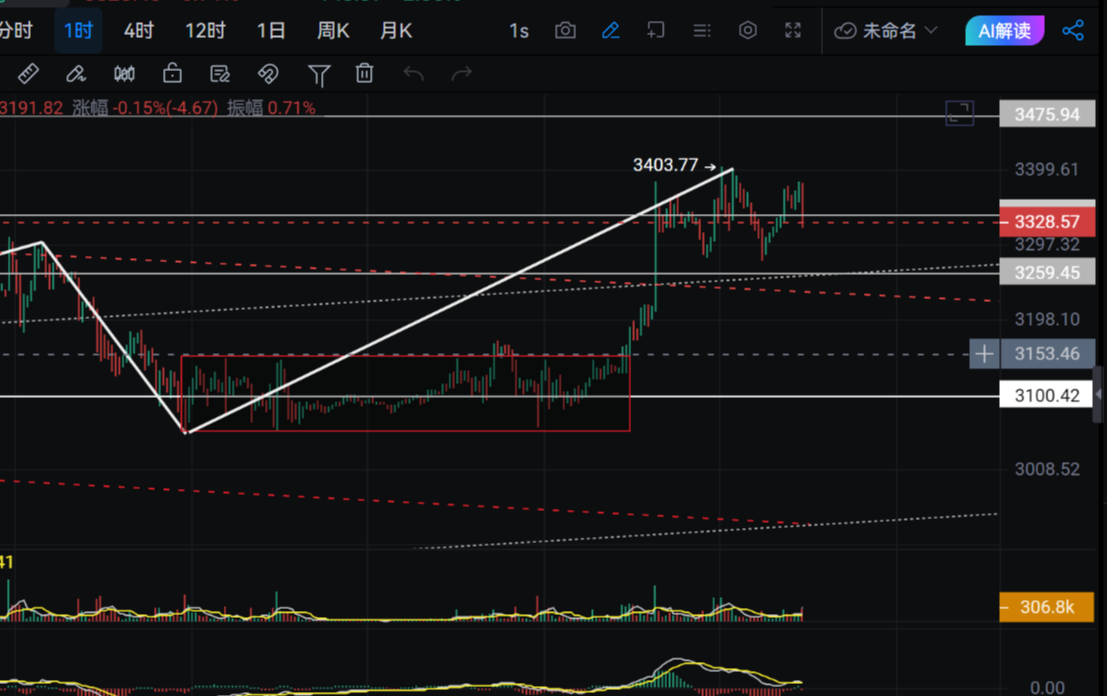
In mid-January, Eastern Standard Time, on-chain monitoring tools captured an influx of approximately 2.27 million USDC into HyperLiquid, used to open a 2x leveraged XMR perpetual long position. This isolated large bet sharply contrasts with the news that MilkyWay Protocol announced its permanent closure and completed asset returns during the same period. Meanwhile, on-chain data shows that approximately 78,317,178 USDC were destroyed by the Treasury, equivalent to about 78.3 million USD (according to a single source). Coupled with the cooling sentiment in re-staking and LST tracks, this indicates a shift of funds from high-expectation but quiet narrative sectors towards more concentrated derivatives with volatility and leverage.
Whale Leverage Bets and Concentration of Funds in HyperLiquid
● Funding Pathways and Position Structure: On-chain data (according to Onchain Lens) shows that an anonymous large address concentrated approximately 2.27 million USDC into HyperLiquid, directly used to open a 2x leveraged XMR/USDC perpetual long position. This means its nominal exposure is doubled, significantly increasing the sensitivity of this position to profit and loss when the XMR price experiences directional fluctuations.
● Leverage Limits and Product Supply: According to publicly available parameters from the platform (source C), HyperLiquid has set the maximum leverage for XMR/USDC perpetual contracts at 5x, which is noticeably lower than the higher multiples seen for some mainstream large-cap assets on certain platforms. However, it is sufficient to amplify the price fluctuations of privacy-related assets to a scale that institutional and high-net-worth traders can engage with, also somewhat filling the previous market gap of insufficient supply of privacy coin derivatives.
● Amplification Effects on Liquidity and Volatility: Given the limited depth in the spot market and high concentration of market-making, such directional longs in the millions of dollars, when triggered by chain liquidations or concentrated reductions in counterparties, often amplify short-term price volatility ranges. Even if they cannot directly change long-term trends, they can create localized "sweeping" and slippage environments during relatively thin order book periods.
● Betting or Hedging: From the publicly available information, this position primarily consists of a single contract and long direction, lacking a clear hedging structure exposure with other targets, resembling more of a directional bet on XMR's future performance in the current environment rather than a clearly visible hedging combination. However, due to the lack of a global perspective on this address across other platforms and chains, it cannot be ruled out that it has layered complementary risk control positions off-chain or through other links. Therefore, its complete strategic structure can only be viewed with caution to avoid over-interpretation.
Filling the Gap in Privacy Coins and Changes in Leverage Risk Appetite
Surrounding the launch of the XMR contract on HyperLiquid, there are market voices (according to a single source perspective) suggesting that "the launch of the XMR contract fills the gap in the privacy coin derivatives market." This evaluation is more from the perspective of product lineage improvement, pointing to the long-term absence of privacy assets on mainstream derivatives platforms. In previous cycles, privacy-related assets were often delisted or restricted by some large platforms under compliance pressure, making it difficult for their derivatives market to form a depth and leverage tool selection that matched their market capitalization, with liquidity primarily remaining on a few small to medium platforms or off-chain channels.
In this context, HyperLiquid provides XMR with a maximum 5x leverage perpetual contract, which is significantly lower than the higher leverage limits visible for some mainstream L1 and blue-chip assets on certain platforms, yet far higher than the experience of purely spot or low-leverage margin trading. This "medium multiple" setting helps find a balance between controllable risk and attractiveness. For traders seeking to amplify volatility, 5x leverage is sufficient to significantly enhance capital utilization; for the platform, it avoids the potential public opinion and risk control pressures that may arise from releasing excessively high leverage in a dual environment of regulatory pressure and sensitivity to asset characteristics.
It is worth noting that in an environment of tightening regulation and ongoing scrutiny of privacy narratives, the derivatives market provides a more "covert" aggregation path for leveraged funds. Compared to large on-chain spot transfers, accumulating directional positions through contracts often appears more dispersed and fragmented, making it harder for external observers to identify concentrated bets by a single entity at a glance. This shift from spot to contract leverage allows privacy-related assets to potentially accumulate significant leveraged exposure in the background, even under conditions of limited apparent trading volume, amplifying price feedback through forced liquidation chains at critical moments.
MilkyWay Shutdown and Celestia Expectation Adjustment
MilkyWay Protocol was once seen as an important LST protocol bearer within the Celestia ecosystem, carrying external expectations for the TVL expansion of the "modular narrative + re-staking" combination. Its product design attempted to package Celestia's native assets and yield redistribution mechanisms through LST and re-staking structures for a broader range of DeFi participants, ensuring that Celestia could form measurable capital accumulation on the on-chain financial level, rather than merely remaining at the technical narrative level of data availability and modular settlement. However, the official snapshot and subsequent announcement on January 14, Eastern Standard Time, indicated that MilkyWay had completed the return of user assets and clearly stated it would permanently close the protocol.
The project team listed "the unmet DeFi demand within the Celestia ecosystem" as one of the core reasons for the shutdown (source A perspective), which is essentially a reverse correction of the previously high narrative. The smooth completion of the snapshot and asset return process means that user principal safety has been ensured at the technical and execution levels, but on the other hand, this exit action has left a significant credit gap within the Celestia ecosystem: external expectations for its DeFi sustainable demand and LST track growth have been forced to adjust from a rapidly expanding blueprint to a more conservative reality valuation range. For the re-staking and LST track, MilkyWay's shutdown is not just the termination of a single protocol but serves as a signal prompting the market to reassess whether the transmission efficiency between modular underlying technology and its upper-layer financial applications can support the previously expected TVL and yield curves.
Scale of USDC Destruction and Liquidity Structure Contraction
On-chain data shows that approximately 78,317,178 USDC were destroyed by the Treasury, equivalent to about 78.3 million USD (according to a single source). Mechanically, such destruction typically corresponds to the issuer's actions in recapturing circulating tokens, addressing user redemption demands, or other balance sheet adjustments. Its direct consequence is the contraction of the total available USDC on-chain, which means potential liquidity tightening for various protocols relying on USDC as a trading settlement and collateral.
At the structural level, this USDC supply contraction needs to be understood separately from the declining popularity of some re-staking protocols and long-term locked products. On one hand, the exit of protocols like MilkyWay and the cooling of expectations have weakened the narrative appeal of "earning passive income and linear TVL expansion," leading some funds to no longer be willing to remain long-term bound in structured products with poor liquidity and relatively closed exit paths. On the other hand, the reduction in USDC on-chain more reflects the contraction of the capacity of settlement media, contract margins, and arbitrage capital pools, which is not the same dimension as a simple "total crypto market cap pullback."
Therefore, when we see the simultaneous occurrence of USDC contraction and increased derivatives activity, it is reasonable to discuss the potential correlation between the two: for example, some funds exiting long-term locked re-staking and LST products first complete redemption and recapture through the USDC channel, and then re-leverage to participate in derivatives trading on other platforms. However, in the absence of more granular tracking of fund flows, equating USDC destruction with the rise and fall of any single track would constitute over-attribution, necessitating a cautious distinction between "total market cap fluctuations" and "structural adjustments of stable tools themselves."
Cooling of Re-staking and Misalignment Switch of Privacy Leverage
As MilkyWay completed its snapshot and closed the protocol within the Celestia ecosystem, on-chain activity also saw whales opening a 2x XMR long position with approximately 2.27 million USDC on HyperLiquid. These two events occurred concurrently but do not have a verifiable direct causal relationship. However, juxtaposing the two can capture a potential misalignment switch in funding preferences: on one end is the high-expectation yet actually quiet re-staking and LST track; on the other end is the derivatives market with more concentrated volatility and leverage.
For some funds, the previous round of optimistic bets on re-staking and modularization was more based on valuation premium expectations from TVL and narratives, while actual DeFi demand and sustainable income failed to keep pace quickly, raising the opportunity cost of locked products. In contrast, concentrating leveraged positions through contracts on assets like XMR can amplify volatility returns and improve capital turnover efficiency in a shorter time. The whale's choice of XMR at this time, rather than mainstream L1 or Meme assets with high topicality, naturally leads to interpretations of avoiding regulatory scrutiny and seeking low correlation exposure with mainstream risk assets as potential motives: privacy assets exist in regulatory gray areas in some jurisdictions, giving them both controversy and appeal, while their correlation with traditional blue chips is not as tight, providing a narrative space for "alternative hedging" in portfolios.
However, it is essential to emphasize that directly elevating the behavior of a single large address to represent "institutional consensus" is a typical interpretative risk. The lack of a complete perspective on this address across other chains and platforms, as well as the absence of its historical operational trajectory for cross-validation, means that all deductions about its identity, source of funds, risk preferences, and even strategic systems can only remain at the level of speculation. Therefore, a more prudent approach is to view it as a concrete sample of the current changes in funding preferences rather than equating it with the trend of the entire institution or whale group.
Divergence Moment of Privacy Narrative and Modular Narrative
In conclusion, the closure of MilkyWay has brought the issue of insufficient DeFi demand within the Celestia ecosystem to the forefront: the modular underlying technology narrative has not naturally translated into observable on-chain financial demand in the short term, while the expansion expectations for LST and re-staking in this ecosystem have been forced to adjust. Meanwhile, XMR has gained a more standardized trading channel through perpetual contracts on platforms like HyperLiquid, allowing privacy-related assets to welcome a new leveraged stage in derivatives, even if spot enthusiasm is limited, still able to attract more aggressive capital at the contract level.
The destruction of approximately 78.3 million USD in USDC and the whale's leveraged behavior do not simply reflect "capital withdrawal" or "overall risk aversion," but rather indicate a more nuanced switching and restructuring of funds between different narratives. On one end, the high expectations but slow realization of the modular + re-staking story have raised the discount rate, while on the other end, trading logic more sensitive to short-term volatility, hedging demand, and privacy attributes is being amplified through derivatives. Moving forward, a key clue will be the expansion and depth construction of privacy-related contract products on more platforms, observing whether they can continuously attract leveraged capital without crossing regulatory red lines; another clue will be whether Celestia can genuinely incubate applications with sticky demand beyond data availability, repairing the DeFi credit and cash flow expectations within the ecosystem. This divergence between privacy and modular narratives may either be a short-term noise misalignment or the prelude to a new round of capital allocation turning points, requiring time and on-chain data to provide answers together.
Join our community to discuss and grow stronger together!
Official Telegram community: https://t.me/aicoincn
AiCoin Chinese Twitter: https://x.com/AiCoinzh
OKX Benefits Group: https://aicoin.com/link/chat?cid=l61eM4owQ
Binance Benefits Group: https://aicoin.com/link/chat?cid=ynr7d1P6Z
免责声明:本文章仅代表作者个人观点,不代表本平台的立场和观点。本文章仅供信息分享,不构成对任何人的任何投资建议。用户与作者之间的任何争议,与本平台无关。如网页中刊载的文章或图片涉及侵权,请提供相关的权利证明和身份证明发送邮件到support@aicoin.com,本平台相关工作人员将会进行核查。