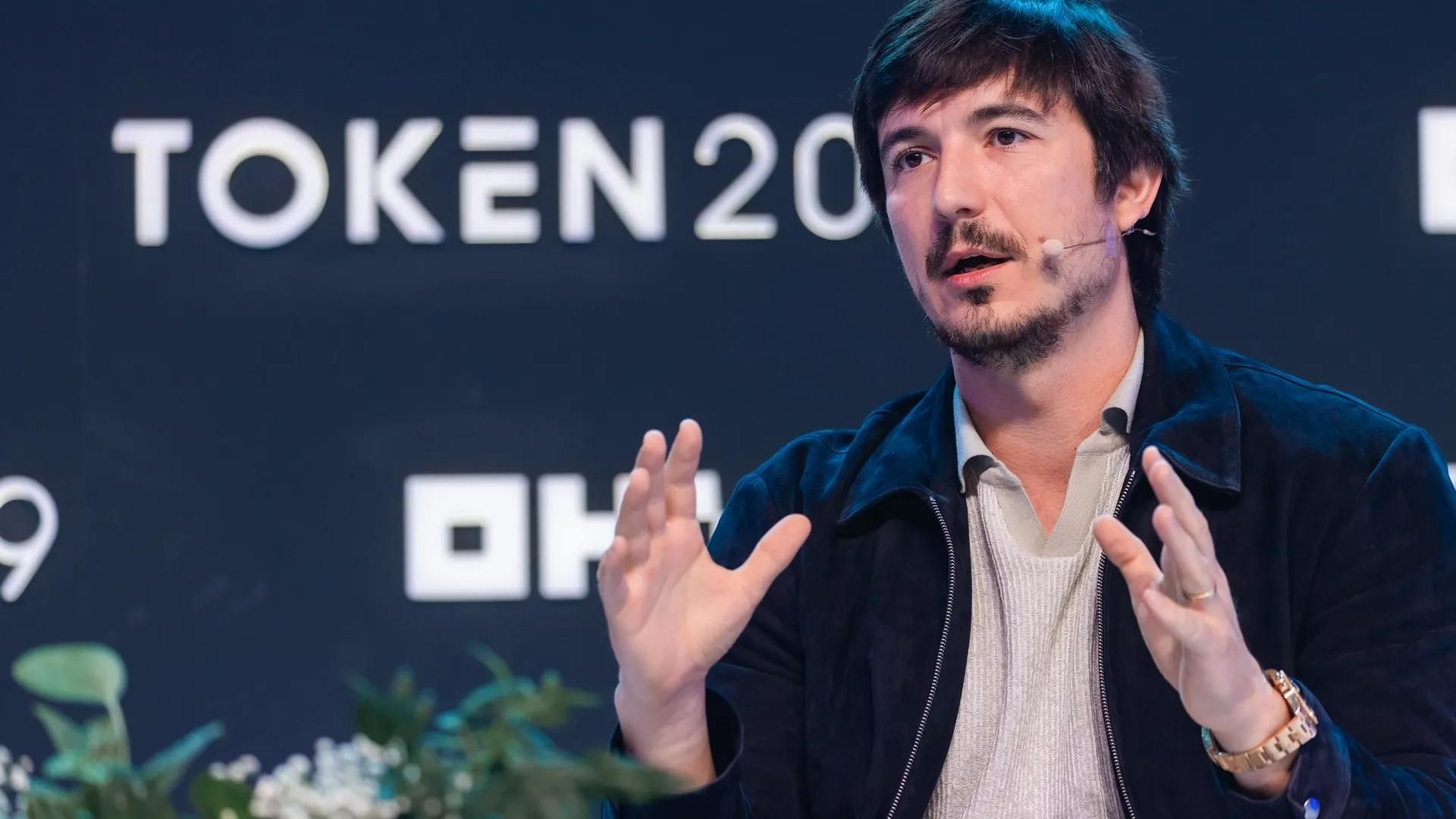
What to know : Robinhood CEO Vlad Tenev says the 2021 GameStop trading halt was caused by slow, collateral-intensive settlement infrastructure, rather than bad actors. Tenev argues that even the shift from T+2 to T+1 settlement is insufficient in a 24/7 news-and-trading environment, especially for trades executed on Fridays. He is pushing to move stocks onto blockchains for real-time settlement, expand Robinhood’s tokenized stock offerings and 24/7 DeFi-style trading, and urge Congress to pass the CLARITY Act to force the SEC to issue rules on tokenized equities.
Five years after Robinhood (HOOD) stunned users by halting trades on GameStop (GME) and other meme stocks, CEO Vlad Tenev says blockchain-based shares could help make sure it never happens again.
In a post on X marking the anniversary of the January 2021 trading freeze, Tenev blamed the chaos not on bad actors, but on bad infrastructure. “What happens when you combine slow, outdated financial infrastructure with unprecedented trading volume and volatility in a small number of stocks,” he wrote. “Massive deposit requirements, trading restrictions, and millions of unhappy customers.”
At the time, Robinhood and other brokers faced massive collateral demands due to the industry’s two-day trade settlement system. To keep operating, Robinhood raised over $3 billion in emergency funding. “Retail investors who wanted to buy Gamestop were understandably livid,” Tenev continued.
Although regulators later shortened the cycle from T+2 to T+1, meaning a one-day settlement, Tenev says that’s still not fast enough. “In a world of 24-hour news cycles and real-time market reactions, T+1 is still far too long,” he said, noting that Friday trades can still take days to settle.
His solution: move stocks on-chain. “Tokenization refers to the process of converting an asset, like a stock, into a token that lives on a blockchain,” Tenev wrote. “No lengthy settlement period means much less risk to the system and less pressure on both clearinghouses and brokerages, so customers can freely trade how they want, when they want.”
Robinhood was one of the first major players to embrace tokenized stocks. According to data from Entropy Advisors on Dune Analytics, the company has minted nearly 2,000 tokenized versions of U.S. stocks and ETFs, totaling just under $17 million, according to RWA.xyz. That’s still far behind tokenization leaders xStocks and Ondo Global Markets, whose offerings each exceed $500 million.
“In the coming months, we’re planning to unlock 24/7 trading and DeFi access,” Tenev wrote, pointing to upcoming features like self-custody, lending, and staking.
But for U.S. markets to follow, he said, regulators must act. Tenev urged lawmakers to pass the CLARITY Act, which would push the SEC to write rules for tokenized equities. “Let’s seize the moment,” he said, “and unlock real-time settlement for retail traders once and for all.”
免责声明:本文章仅代表作者个人观点,不代表本平台的立场和观点。本文章仅供信息分享,不构成对任何人的任何投资建议。用户与作者之间的任何争议,与本平台无关。如网页中刊载的文章或图片涉及侵权,请提供相关的权利证明和身份证明发送邮件到support@aicoin.com,本平台相关工作人员将会进行核查。


