Author: Ba Jiuling, Wu Xiaobo Channel
“My body was shaking uncontrollably.” A Chinese person in Dubai, An Guo, said that at that moment, he saw missiles being intercepted in the sky, and a huge explosion erupted above his head, as debris hit a high-end hotel on Palm Jumeirah, causing a fire.
An Guo was previously an expatriate employee of Huawei and now works for a company in Dubai. The war first affected the UAE capital, Abu Dhabi, but he believed Abu Dhabi has always been known for its safety and did not pay much attention.
“I originally planned to stay a few more days and go to Riyadh, but I was worried that traveling with my child would be too troublesome, so I returned early,” Peng Shuaijing, co-chairman of the China-Europe Legal Foundation (CELF), said gratefully to Xiao Ba.
At 11 p.m. Beijing time on February 27th, after negotiating business in Dubai, Peng Shuaijing boarded a flight back home, landing at Chengdu Tianfu Airport at 10 a.m. on February 28th.
At 2 p.m., the United States and Israel launched an attack on Iran, igniting the Middle East war, which affected U.S. military bases and embassies in neighboring countries such as the UAE, Qatar, Bahrain, Kuwait, Saudi Arabia, and Iraq, and continues to expand as Middle Eastern aviation generally pressed the pause button.
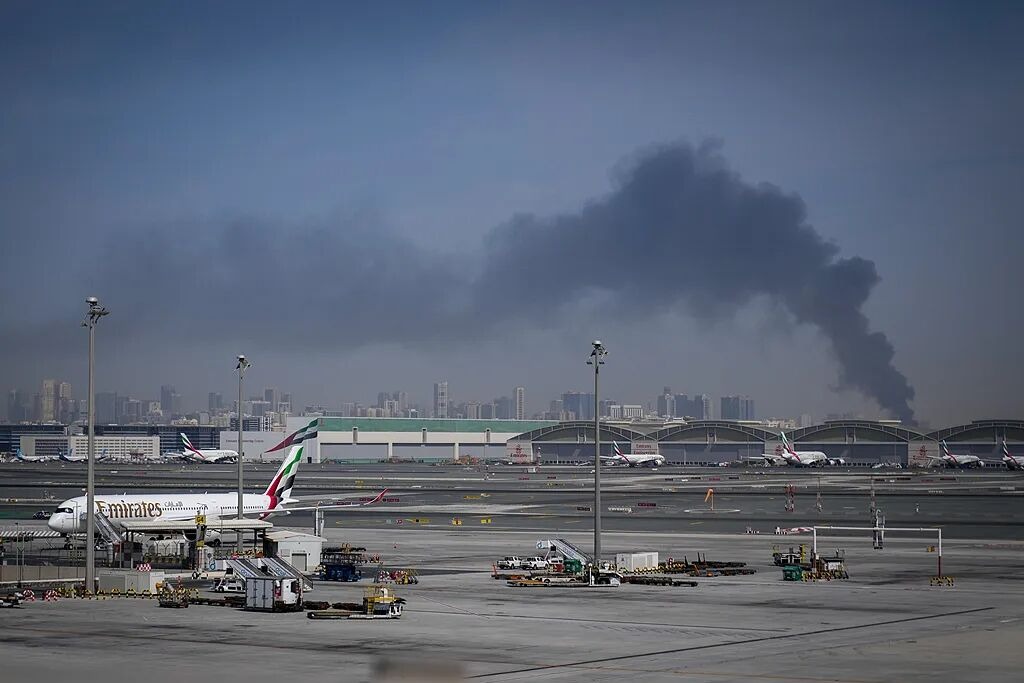
March 1, after Dubai International Airport closed
Amidst the smoke and chaos, luck and misfortune intertwined, without any order.
In recent years, the Middle East has become a hot land for Chinese companies to expand abroad. In the first half of 2025, China's exports of goods to the Middle East rose by 10.2% year-on-year, accounting for 8.0%, the highest level in the past decade.
The Chinese people venturing abroad faced an unprecedented absurd world.
Newcomers to the sea encounter the chaos of the Middle East
This year marks the second year for 30-year-old Tim to work abroad, and his first trip to the Middle East.
On February 13th, nearing the Spring Festival holiday, Tim, an engineer from a listed company, was dispatched to Bahrain to take over a project after-sales job.
Before departing, he specifically had a meal of Chengdu hotpot to bid farewell to himself and prepare mentally for a month-long business trip.
The impact of war is most felt on the front lines. On the morning of February 28th, which was his weekend, although Tim's phone had pushed news about U.S. military attacks on Iran, he paid little attention until half past noon when the first few loud explosions sounded like distant thunder, followed by clouds from missile explosions. When a missile fell without warning 12 kilometers away at the U.S. Navy's Fifth Fleet headquarters, he panicked.
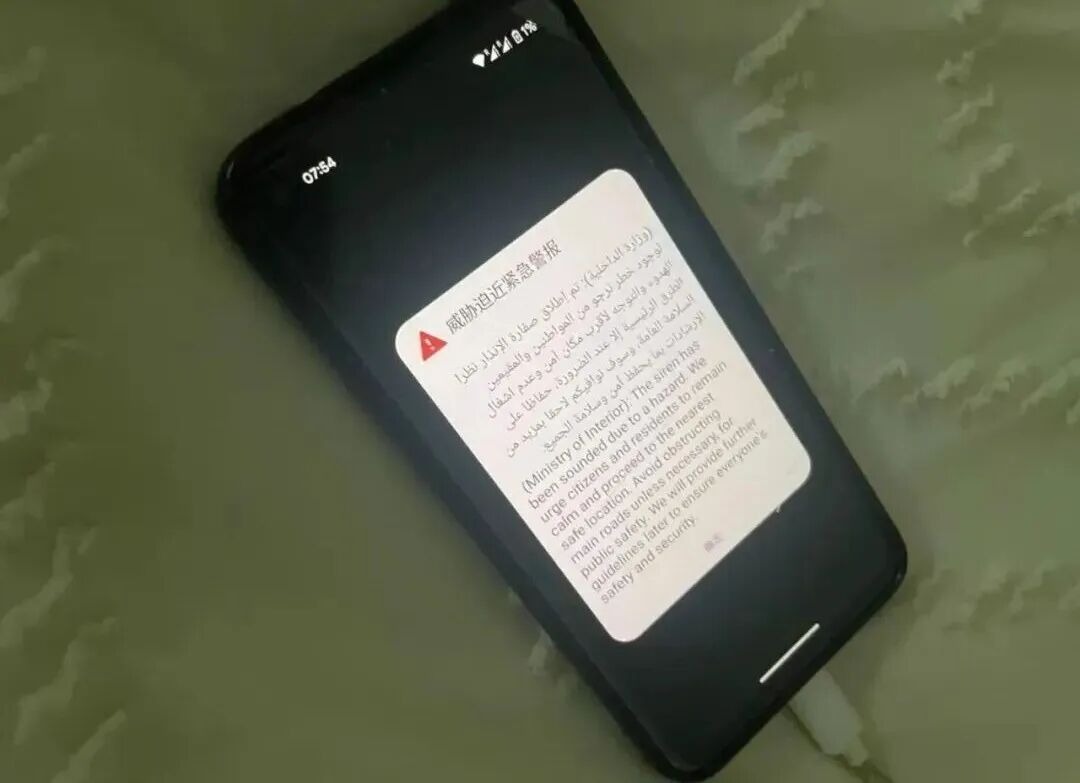
The air defense alert displayed on the phone, source: provided by the interviewee
He first ran to ask the building's friendly black security guard if there was a bomb shelter. The guard said there was an emergency shelter in a nearby mall, but when he ran there, the main door had already closed. He then returned to the apartment, but the thunderous roar above continued.
When he plucked up the courage to "storm into" the mall again, he found that smoke was already enveloping the area. Fortunately, by then, order had been maintained in the mall, and he was guided into the parking lot shelter.
“Walking in, I saw a bustling crowd. Some brought pets to take refuge, and some were kneeling in prayer,” Tim told Xiao Ba. During the panic, his heart rate soared to 141.
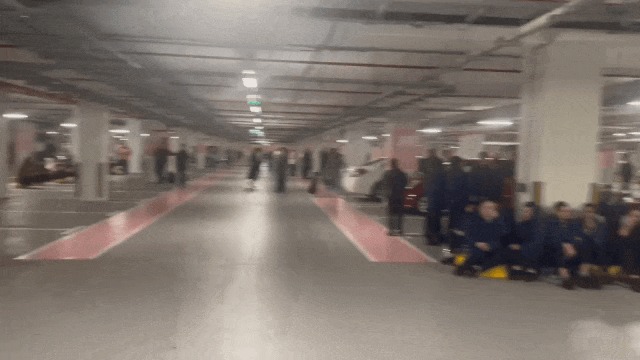
Parking lot shelter, source: provided by the interviewee
Such experiences are common.
Tim's only colleague was even more helpless; he had already left Bahrain to return home, but his plane quickly turned back shortly after leaving Qatar airspace and is now stuck at Doha Airport in Qatar, still shaken.
“I didn't expect it to escalate this much, and this is the first time in UAE history that it has suffered such a large-scale attack,” another Chinese entrepreneur stuck in Dubai, Duan Duan, added.
“Yesterday afternoon, a drone was hit and lost control, crashing into a residential building.” “Yesterday, several rounds of missiles exploded above my head, without any warning.” Similar unexpected situations have filled the accounts of Chinese people in the UAE and Bahrain.
According to the official UAE news agency WAM, the Ministry of Defense stated that on Monday (March 2nd), nine ballistic missiles, six cruise missiles, and 148 drones attacked the country.
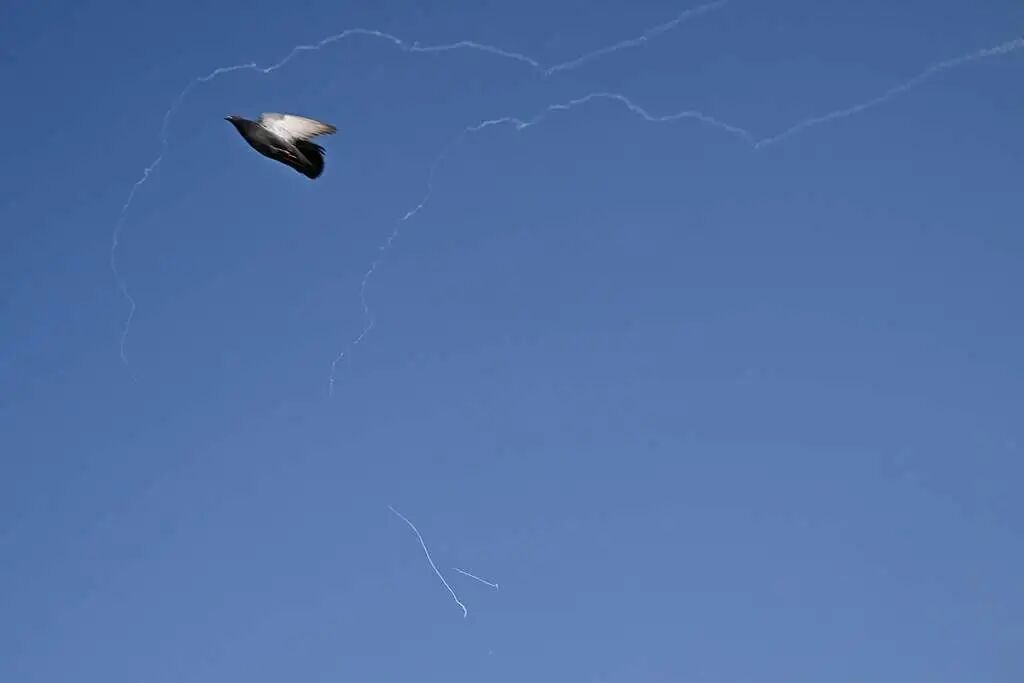
On March 2, the trails of intercepted missiles in the skies of Dubai
Additionally, the UAE Ministry of Defense's social media account stated on March 1 that since the attacks began on February 28, three people have died and 58 have been lightly injured in the UAE.
Duan Duan, a former executive at Huawei and Tencent, has spent over a year in the Middle East, often traveling between China, Saudi Arabia, and the UAE, and usually does live broadcasts.
Recently, during a live broadcast, he found that many people were visiting Dubai and Abu Dhabi for the first time, all asking similar questions, so he formed two “Dubai and Abu Dhabi stranded groups,” quickly gathering three or four hundred people.
“We exchange some information, don't panic!” Duan Duan said calmly.
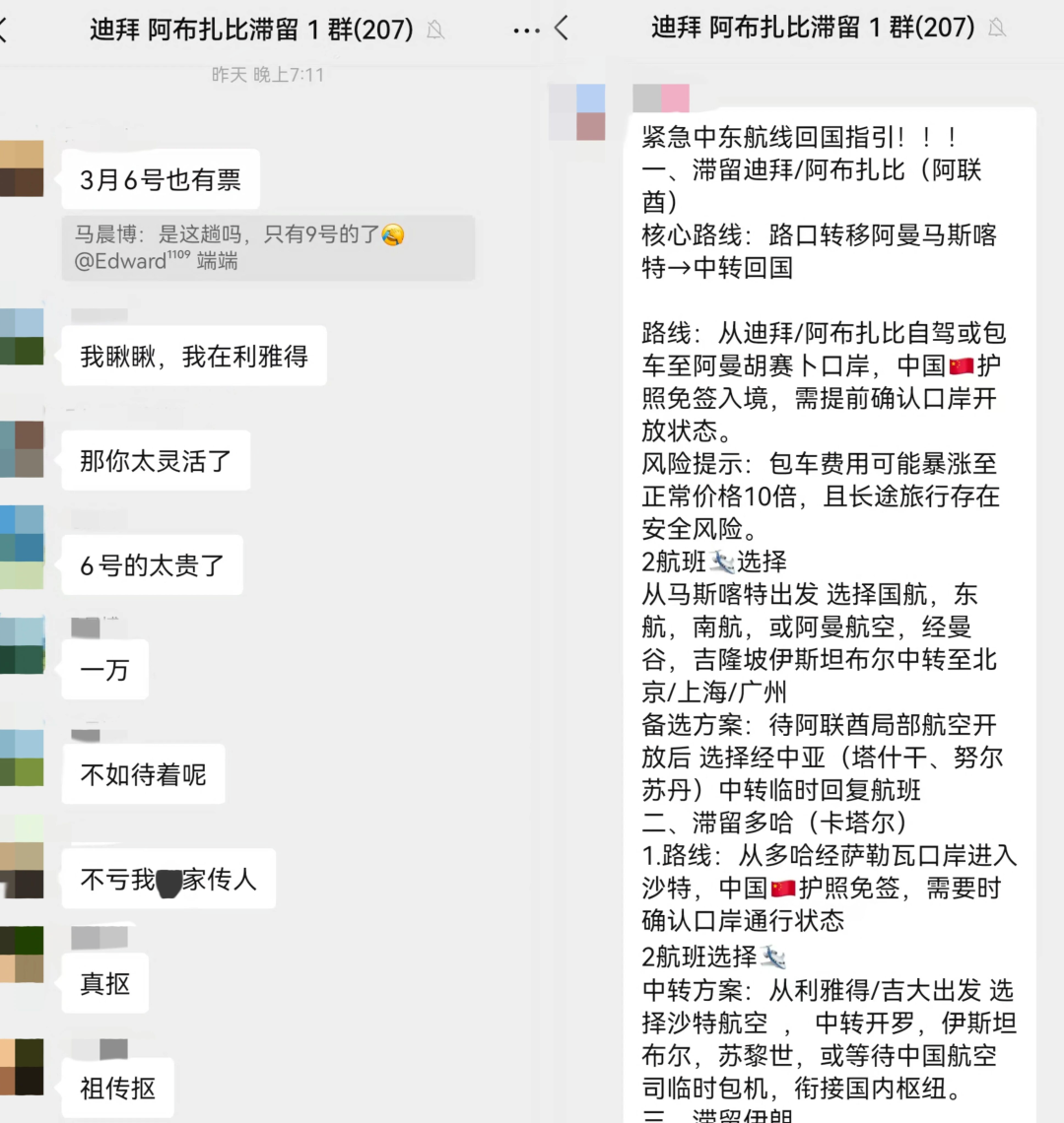
Messages endlessly circulate in the stranded groups, source: provided by the interviewee
In a tense time, there are various stances: some want to evacuate, some want to settle, and some continue to be busy with business
Newcomers to the sea represent one aspect of Chinese people venturing abroad, in a tumultuous and relatively unfamiliar foreign country, and their common demand is to evacuate quickly.
“Many people are frantically looking for cars to Oman to escape,” An Guo observed, using the method of driving for six hours from Dubai to catch Oman Air, “Oman has some flights that can still operate, and the prices are not outrageous, still within thousands.”
In the “Dubai and Abu Dhabi stranded group,” they mainly discuss various flight information and strategies for returning home.
Some people constantly receive cancellation messages and are busy rescheduling flights; others are busy booking flights that have resumed operation, but often back off due to exorbitantly high prices; some report that they have successfully mapped out a route home by land from Oman or Saudi Arabia and share their strategies in the group...
The rapidly changing situation tests everyone's information gathering and emergency response abilities.
According to Xiao Ba's understanding, some regions in China have begun to compile statistics on Chinese citizens stranded in Dubai, Iran, Israel, and other countries.
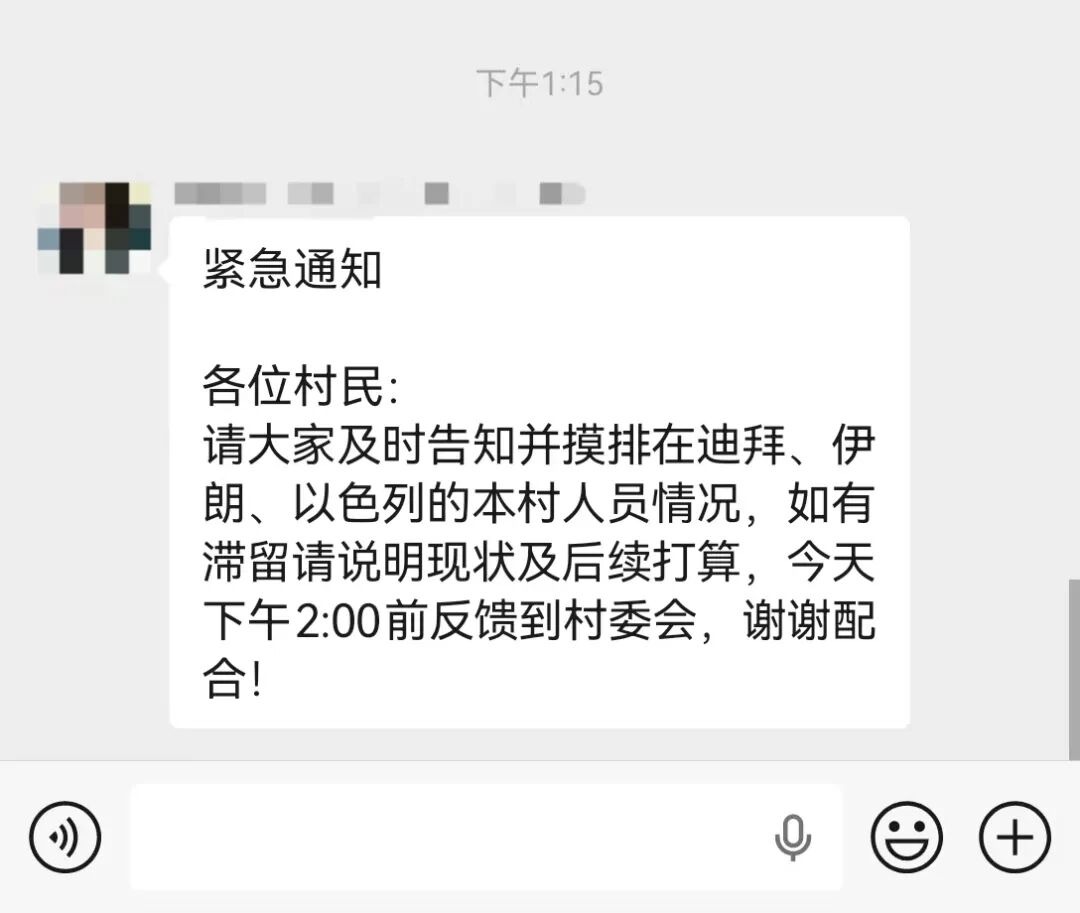
Statistics on stranded residents, source: provided by the interviewee
In comparison, Chinese people in Iran, the center of war, are in a relatively better situation.
On the evening of March 2nd, Bogo, who has been building a business in Tehran, Iran for nine years, told Xiao Ba: “Most have evacuated to Azerbaijan, Armenia, and Turkmenistan.” He is aware of the situation of about 200 to 300 Chinese people in the WeChat group formed by the Chinese embassy in Iran.
According to his understanding, most Chinese people who ventured into Iran had evacuated before the Lunar New Year, and he was among them.
Bogo is a parts supplier in Iran's oil industry, owning a warehouse of three to four thousand square meters, with five to six employees. In December 2025, he encountered a situation that had not been seen in many years: large-scale public demonstrations erupted in several cities in Iran, protesting the rapid devaluation of the currency, leading to a two-week internet blackout and casualties— according to British media, at least 36 people died.
Although he had previously spent many Spring Festivals in Iran, this time he decided to avoid risk and returned home smoothly after completing the “end-of-year collections” from his Iranian distributors, demonstrating the unique geopolitical sensitivity and nimbleness of a seasoned player.
According to multiple media reports, since the outbreak of military conflict on February 28, the Iranian Chinese Federation has arranged for five groups of people to evacuate, totaling around 400 people, with plans to complete evacuations by March 3rd. Furthermore, since the situation in Iran became complicated at the end of last year, over 3,000 Chinese citizens have evacuated.
However, besides planning evacuation schemes, many Chinese venturing abroad have also chosen temporary solutions that embrace the situation, depending largely on their personal assessment of the risk status of their environment.
For example, after experiencing initial panic, An Guo is now in a state of wait and see. “I mostly stay at home, try to minimize going out, and stockpile supplies, but I have found that the supply of daily necessities has not been affected, so I did not continue. I am working from home, and life goes on as usual.” He said.
From his observation, Dubai still maintains a restrained and calm atmosphere: everything in the city is still operating, with water, electricity, internet, and transportation functioning and many people seen walking dogs outside; some are enjoying good food, playing games, and continuing to promote real estate advertisements.
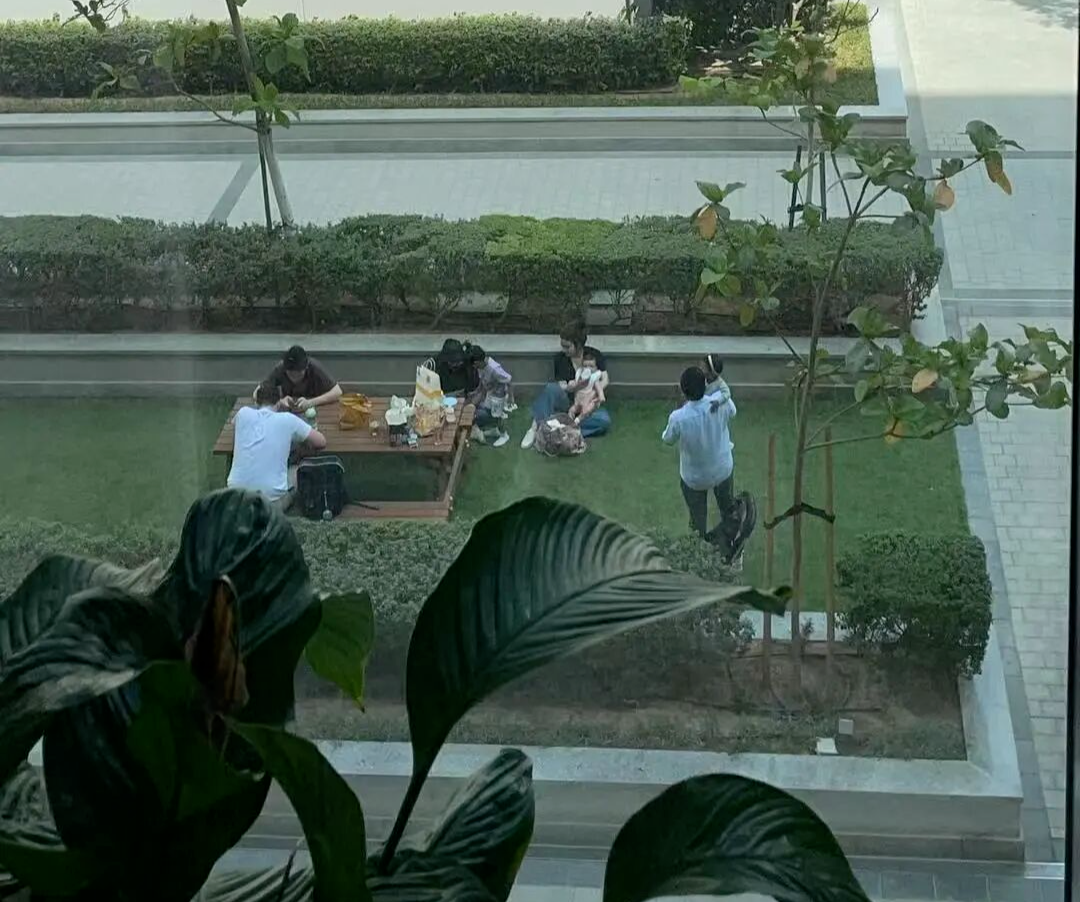
People in Dubai continue their lives, source: provided by the interviewee
The most “radical” approach remains to hold the fort and achieve established work and life goals. The most notable example is, according to media reports, around 200 Chinese citizens in Iran's Urmia, Qom, and other places have chosen not to evacuate temporarily due to work arrangements and personal willingness.
According to Xiao Ba's understanding, there are quite a few capable private Chinese enterprises active in Iran's manufacturing industry, with no strong competitors from other countries as of yet. “Slowly putting down roots is much better than outside, for instance, industrial electricity is only 9 cents, and diesel is a few cents per liter,” Bogo mentioned with appreciation regarding Iran’s industrial costs.
People are adapting, and Middle Eastern countries are also synchronously providing “emotional value”
In an overall loss of control but locally peaceful situation in the Middle East, people strive to adapt, while countries and cities are also actively adjusting to enter a new normal.
An Guo, who works in Dubai and has invested in real estate, simultaneously cares about financial safety and future trends in housing prices. Such confusions need timely feedback from the city where he resides.
A somewhat comforting aspect is that during this unprecedented crisis, many countries and cities in the Middle East have demonstrated unexpected abilities in material control and personnel reassurance.
On the day of the explosion in Bahrain, the malls and supermarkets around Tim were initially nearly completely closed and only accepting cash payments, but soon adapted to reopen large supermarkets, thanks in part to guidance from the local government.
“That afternoon around three or four o'clock, the large supermarkets in the malls resumed supplies, and the prices remained the same as before, with ample supply of meat and vegetables,” Tim said. So he bought only what he needed for that day without hoarding.
“Just looking at the results, I think they did extremely well this time,” Duan Duan in Dubai said, “The streets are very clean, work goes on as usual, and businesses are open, it’s just that there are fewer people on the roads.”
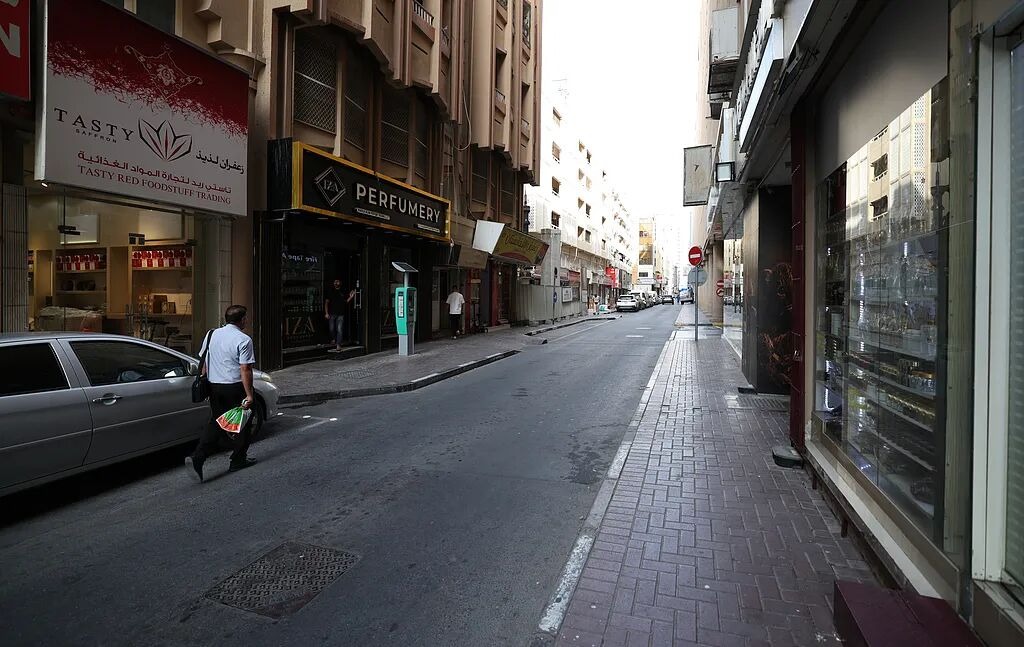
On March 3rd, streets near the old market in Dubai were sparsely populated
This is particularly evident in key indicators: stable public sentiment, stable supply of goods, and stable prices. Additionally, he learned that Dubai has covered part of the costs for stranded tourists, such as hotel accommodation.
On March 1st, relevant departments in Abu Dhabi and Dubai requested local hotels to extend accommodation services for stranded travelers, stating that the associated costs would be borne by the government. According to official information, there are currently over 20,000 foreign tourists stranded in the UAE.
Many hotels even provide significant emotional value, such as offering lavish free meals. “I had a whole steak for lunch, with fries and beer, which was too much for one person to finish.” A stranded tourist in Dubai said to First Financial News on March 3rd.
A popular post on Xiao Hong Shu mentioned a stranded tourist in Dubai who received a complimentary bottle of rosé wine placed in a bucket of ice, accompanied by a card with warm messages as a gesture of comfort.
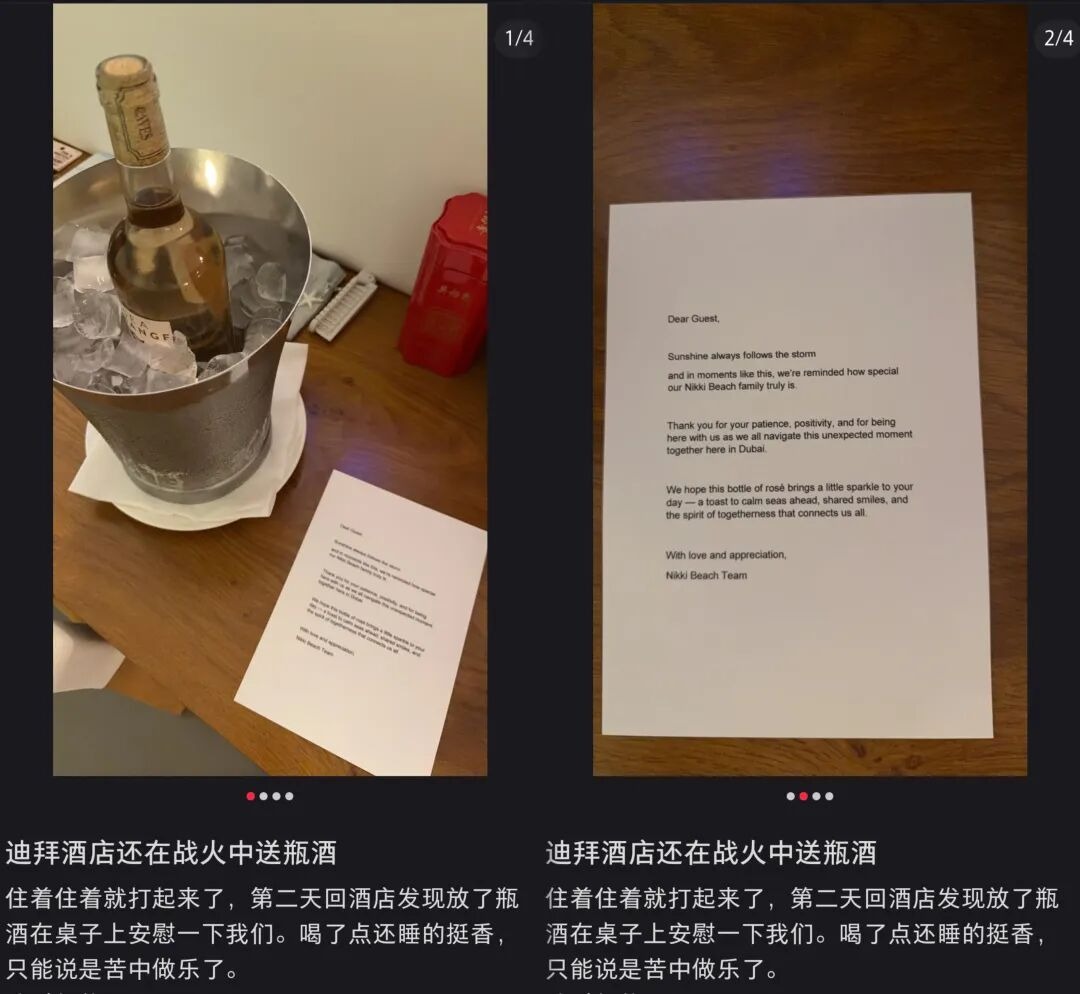
Source: Xiao Hong Shu
These timely responses and service capabilities largely stem from the maturity of the industry.
According to the Dubai Department of Economy and Tourism (DET), in 2025, Dubai will host 19.59 million international overnight visitors, a year-on-year increase of 5%, marking the third consecutive year of record-breaking highs; data from the UAE Ministry of Economy and Tourism shows that the contribution of the tourism industry to GDP has risen sharply from 6% in 2021 to 15% in 2025.
Therefore, this exceptional experience has also updated Chinese people’s perceptions of the countries and cities they are in.
When Xiao Ba asked Tim whether he would work in the Middle East again in the future, he was already able to give a positive answer.
“The short-term work rhythm is affected, and cargo coming to the port is not arriving, but based on this performance, this place can be stayed in for the long term,” Duan Duan said, affirming his thoughts on long-term investments in the Middle East.
In recent years' narratives of major overseas destinations, the business environment in the Middle East is viewed as being at a medium level, better than Africa but lower than Southeast Asia and Latin America.
Reflecting this, in 2024, the total trade volume between China and the ASEAN, Latin America, the Middle East, and Africa is projected to be $982.1 billion, $518.47 billion, $487.2 billion, and $295.6 billion respectively.
To some extent, the Middle East is also ushering in an unprecedented opportunity for trust.
Conclusion
Of course, the phenomena collected by Xiao Ba are still not comprehensive or reliable, and the future situation largely depends on the developments of the war and whether it will escalate.
Initially, Duan Duan was not in a hurry to evacuate from Dubai; he planned to complete his work there and then take land routes back to Saudi Arabia for further work, finally planning to return home.
“Returning to Saudi Arabia through the port, Iran’s target is the U.S. military; it cannot bomb any civilian facilities in the UAE, such as roadways.” He emphasized.
But two days later, he decided to evacuate, judging that the situation would escalate. The good news is that at 9:59 p.m. on March 4th, the first flight from Dubai directly to Guangzhou arrived safely.
In the long run, an increasingly prominent and irrefutable insight from venturing abroad is: there is no ideal nation.
“Now we need to spread out the map, and establish more complex, resilient business models in order to better adapt to future overseas environments,” Peng Shuaijing said.
免责声明:本文章仅代表作者个人观点,不代表本平台的立场和观点。本文章仅供信息分享,不构成对任何人的任何投资建议。用户与作者之间的任何争议,与本平台无关。如网页中刊载的文章或图片涉及侵权,请提供相关的权利证明和身份证明发送邮件到support@aicoin.com,本平台相关工作人员将会进行核查。


