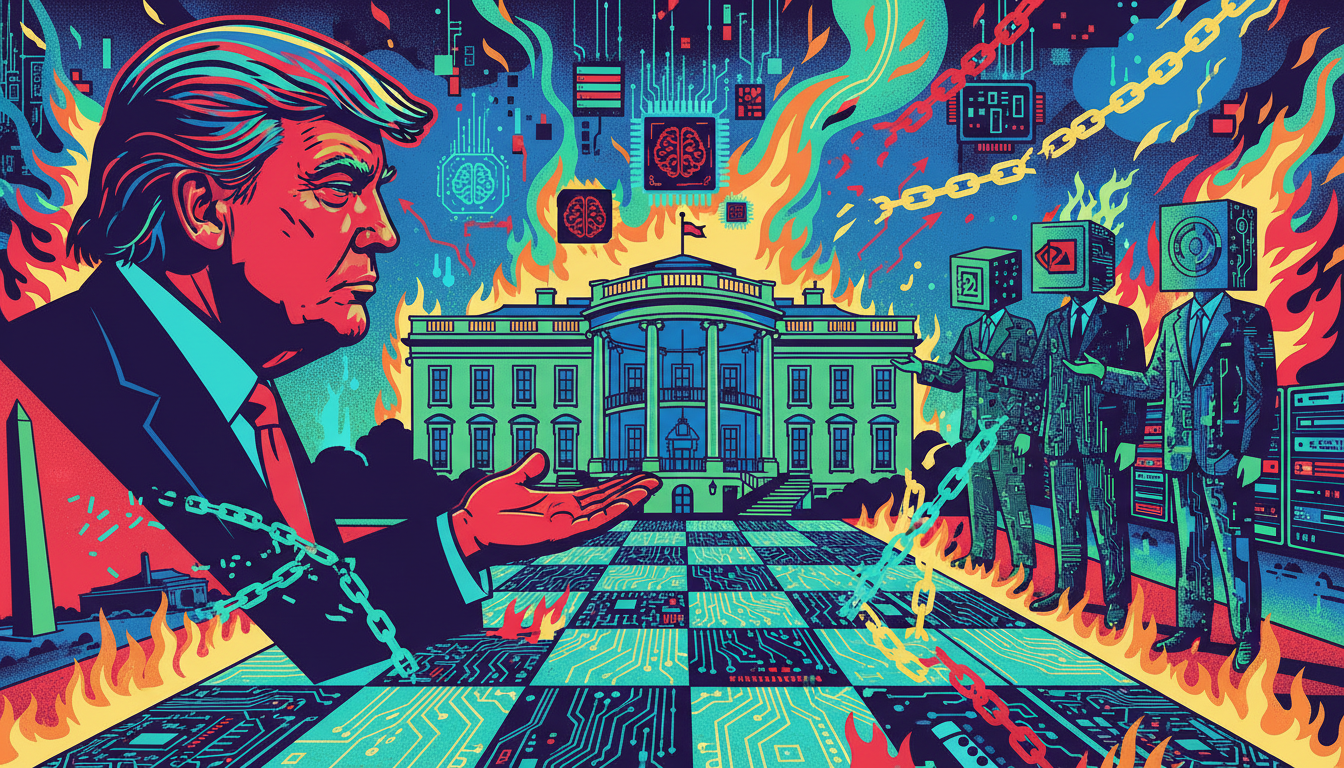
This week, high-ranking officials in Iran have continuously issued loud warnings to the United States, while several media outlets have reported that the U.S. aircraft carrier USS Lincoln strike group is entering regions within range of Iranian missiles. The Iranian Navy publicly declared that once the aircraft carrier enters its missile range, it will be considered a legitimate target for attack. This statement, which equates range thresholds with conditions for fire, significantly amplifies concerns about accidental conflict. Amidst a backdrop of rapidly rising geopolitical tensions, the prices of Bitcoin, Ethereum, and various crypto-related stocks have shown unusual movements, as the market oscillates between narratives of "conflict risk" and "safe-haven assets": is this a panic sell-off in response to looming clouds of war, or is it a speculative risk premium increase driven by geopolitical shocks?
From Verbal Sparring to the Brink: How Iran's Warnings Escalated
In a public speech, Qalibaf warned that the U.S. military could become "a victim of Netanyahu's delusions," emphasizing "do not test our determination to defend our homeland." This statement directly names Israel's leadership while putting the U.S. military in a position of being used or sacrificed, sending a political signal to Washington of "do not be coerced by allies," while also shaping the narrative of Iran responding "rationally and passively" domestically: the real provocateur is Netanyahu, while Iran merely sets the red lines.
Meanwhile, Iranian Navy Commander Irrani's remarks have pushed the verbal exchanges to the brink of conflict. According to multiple sources, he stated that Iran is monitoring the U.S. USS Lincoln strike group and made it clear that "once the Lincoln enters range, it becomes a target." This progression from "monitoring" to "entering range = conditions for attack" represents an escalation of deterrence: first notifying the other party that every move is being tracked, then militarizing the range threshold publicly, making every advance of the carrier group interpreted by the market as a potential trigger point.
It should be emphasized that the current information regarding the USS Lincoln's movements comes more from intelligence gathered from multiple media sources rather than a unified official announcement. The research brief also notes that precise location and route information about the fleet is lacking, and there has been no detailed public response from the U.S. regarding this round of high-profile warnings from Iran. This means there exists an information vacuum between the public's risk perception and actual military deployment: Iran is creating a deterrent posture through loud statements, while the external parties find it challenging to calibrate the gap between those statements and the real intentions of the U.S. military.
The Metaphor of Missile Range: Deter Show of Strength and Credibility Debate
Iran's public statement that "an aircraft carrier entering missile range" constitutes a condition for attack is essentially a show of strength aimed at multiple audiences. Externally, it conveys to the U.S. and regional allies that "we possess denial capabilities": it's not mere verbal condemnation, but placing an aircraft carrier that symbolizes U.S. power projection on the attack target list; internally, it fortifies the narrative of regime security through hardline rhetoric amid high oil prices, sanctions pressure, and social sentiment—Iran is not passively under pressure but capable of drawing lines at sea.
Historically, Iran has commonly used highly charged language regarding the U.S. and Israel, but often maintains significant restraint in action. During the Trump administration, the U.S. unilaterally declared Iran "abandoning nuclear weapons" and withdrew from the nuclear agreement, which Iran promptly denied, and in the following years repeatedly raised the stakes rhetorically, yet did not cross the threshold of direct large-scale military confrontation. This mode of "extreme rhetoric, constricted action" compels external observers to consider both the symbolic meaning of this round of "entering range equals attack" statements and the tension between this and the actual willingness to execute such actions.
Accusations regarding whether Iran's military propaganda involves systematic exaggerations periodically emerge in international discourse but currently remain unverified and cannot be conclusively stated as facts. The research brief clearly indicates that the evidentiary chain around such accusations is incomplete, and there is a lack of publicly verifiable hard data. For market participants, what is pragmatically operable is viewing Iran's high-profile deterrence as a signal of "increased escalation probability," rather than simply equating it with "inevitable fire" or "entirely bluffing." In this gray area, crypto assets' sensitive responsiveness to risk premiums often precedes the geopolitical realities themselves.
Fear and Speculation Resonance: Crypto Pricing Under Geopolitical Clouds
Historically, during high-pressure moments in the Middle East, Bitcoin, Ethereum, and some crypto-related stocks tend to experience a period of "sharp volatility followed by reevaluation of positioning." Initially, the market tends to view such conflicts as negative for overall risk assets, leading to increased short-term selling pressure; however, as traditional safe-haven assets (like gold) rise and dollar liquidity expectations change, some funds begin to attempt to incorporate Bitcoin into a "digital gold" narrative, seeking price differentials between fear and speculation.
In the current Iranian turmoil, validated data indicates that crypto-related stocks have provided directional feedback first. Prices of some publicly traded companies closely linked to mining and trading concepts have risen, interpreted as capital preemptively trading on potential safe-haven narratives: once the geopolitical shocks worsen and global financial market volatility increases, on-chain assets and related infrastructure companies may gain additional attention in a context of "traditional financial pressure + currency devaluation concerns."
At the spot and derivatives level, geopolitical uncertainty often first reflects changes in futures premiums, implied volatility, and funding rates. Some traders increase their holdings of short-term Bitcoin and Ethereum options to hedge the tail risks of traditional investment portfolios during escalating tensions, while structural funds might reduce high-leverage long positions to lower rollback risks. This contrasts with traditional safe-haven assets such as gold and U.S. Treasuries that exhibit "interest rate sensitivity" in their pricing logic: crypto assets act more like high-beta vehicles in the game between fear and liquidity, with their "safe-haven" properties continuously shaped through market transactions.
From Battleground to Ballot: A Shadow of Britain's Crypto Political Donation Ban
The military standoff between Iran and the United States occurs within a broader political context: traditional democratic countries are reconsidering the impact of crypto funds on electoral and diplomatic agendas. Research briefs indicate that the UK released a report on the same day proposing a ban on political donations in crypto form. This development coincides almost perfectly with rising tensions in the Middle East, forming a symbolically rich picture: on one side is the missile range red line over the Gulf, and on the other, the political circles in London are wary of "stateless capital."
The proposed ban's core is to sever the direct channel between political parties, candidates, and crypto funds, preventing "hard-to-trace cross-border funds" from influencing domestic political direction. In a time characterized by frequent geopolitical conflicts and the extensive use of sanctions tools, traditional political systems naturally maintain a high level of vigilance against funds "bypassing the banking system"—their concerns extend beyond just money laundering risks to the possibility of external forces infiltrating policy agendas and intervening in foreign policy stances via crypto channels.
From a broader perspective, the UK's action reflects the ongoing wavering of Western regulators between national security, financial sovereignty, and technological innovation. On one hand, policymakers must acknowledge the importance of the crypto industry in capital markets and technological innovation; on the other hand, when it touches on sensitive areas like electoral financing and diplomatic decision-making, the contradiction between "decentralization" and "sovereign control" gets magnified. The Iranian turmoil has brought geopolitical security back to center stage, while the discussion around Britain's political donation ban serves as a reminder to the market: the crypto narrative has deeply embedded itself within the nerves of national governance.
Distrust of Funds and Peace: Undercurrents of Bybit's On-chain Asset Management
Amidst the dual context of geopolitical tension and tightening policies, on-chain funding behavior also tells another narrative. According to TechFlow data, Bybit's on-chain asset management products have surpassed 200 million USDT, coinciding with the timing of high-ranking Iranian statements and escalating tensions in the Middle East. This number itself isn't earth-shattering, yet it releases a clear directional signal: some funds are actively choosing to pivot towards on-chain passive management and crypto asset allocation to hedge against uncertainties in the real world.
For these funds, the motivation is not solely to maximize short-term profits but rather the result of weighing regulatory environments, geopolitical shocks, currency stability, and asset mobility comprehensively. When geopolitical tensions rise and expectations of capital controls increase, reallocating some assets into globally transferrable crypto products becomes a tool for "cross-jurisdictional protection"—even if the returns are not extremely tempting, the very characteristic of being "easily transferable" becomes a source of premium.
However, it is essential to clearly differentiate: the expansion of exchange asset management product sizes and the deterioration of regional situations are more correlated rather than directly causal. The growth of funds includes endogenous factors such as overall market recovery and platform product iterations, compounded by the exogenous variable of geopolitical uncertainty. Simplistically binding the two as a linear narrative of "war-driven funds flooding in" exaggerates the decisiveness of the geopolitical shock while overlooking the cycle inherent within the crypto industry. For investors, the real risk lies in misinterpreting correlations as causations and making excessive bets based on anticipated paths of geopolitical events.
Tensions Persist: Crypto Market Pricing in the Gray Area
Based on current public information, the game between Iran and the U.S. over the USS Lincoln remains largely at the stage of high-decibel deterrence and symbolic red line demarcation, with significant boundaries still in place before reaching actual hostilities. Iran, on one hand, raises the intensity of verbal deterrence by incorporating "entering missile range" into conditions for attacks; on the other hand, there have been no verifiable actions such as missile launches or substantial engagements, and the U.S. has yet to provide a detailed public military response.
Surrounding this confrontation, multiple layers of information noise exist: Qalibaf's denial of U.S.-Iran negotiations intertwines with various external associations related to "negotiation and market manipulation," but these potential connections remain in the realm of unverified; the lack of transparent data regarding the true location and route of the USS Lincoln, coupled with discrepancies in details among multiple media sources; the debate over whether Iran's military propaganda is exaggerated is also simmering in public discourse. For the crypto market, the greater risk lies not in whether one side will fire immediately, but in the trading decisions being made based on incomplete or even amplified narratives, creating a cycle of emotional self-reinforcement.
In the medium term, it can be anticipated that crypto assets will continue to wager a fragile risk premium within the squeeze of geopolitical shocks and tightening policies. Once the clouds of war in the Middle East thicken, some funds will again attempt to view Bitcoin as a "digital safe haven," driving up short-term volatility and risk compensation; but at the same time, discussions on restrictions in countries like the UK regarding crypto political donations and capital movement will continually remind the market that regulatory tolerance for "stateless assets" is limited. The narratives of safe-haven and compliance constraints will collectively shape the risk pricing of crypto assets during this round of the cycle.
For participants, there exists no clear dichotomy between war and peace; what is truly being traded is "probability" and "uncertainty." In this highly fragmented information landscape, overly simplistic linear extrapolations of geopolitics—pricing often are the biggest minefields.
Join our community to discuss and grow stronger together!
Official Telegram community: https://t.me/aicoincn
AiCoin Chinese Twitter: https://x.com/AiCoinzh
OKX benefit group: https://aicoin.com/link/chat?cid=l61eM4owQ
Binance benefit group: https://aicoin.com/link/chat?cid=ynr7d1P6Z
免责声明:本文章仅代表作者个人观点,不代表本平台的立场和观点。本文章仅供信息分享,不构成对任何人的任何投资建议。用户与作者之间的任何争议,与本平台无关。如网页中刊载的文章或图片涉及侵权,请提供相关的权利证明和身份证明发送邮件到support@aicoin.com,本平台相关工作人员将会进行核查。