Written by: Tiger Research
This report was written by Tiger Research, as cryptocurrency companies are generally facing "fear of missing out" (FOMO). From exchanges to security firms, they are racing to launch AI-driven services. We will explore why they have chosen to act at this time.
Key Takeaways
Cryptocurrency companies in areas such as exchanges, security, payment, and research are synchronously launching AI services.
Unlike previous cycles, companies that have proven to be profitable, such as Coinbase and Binance, are leading the trend. AI has shifted from a theoretical concept to a necessity for practical operations.
The motivations for adoption vary across industries: exchanges aim to prevent user churn; security companies aim to fill audit blind spots; payment infrastructure targets the emerging gig economy.
Having a feature and actually using it are two different things. The "FOMO" and competitive pressure in the AI field are accelerating its application, which far exceeds actual demand.
Real demand and competitive anxiety are both at play. Distinguishing between adoption that creates value and merely labeling adoption is a key issue.
1. Cryptocurrency Companies are Offering AI Services
Artificial Intelligence (AI) is currently the most关注的领域 in the global market. General tools such as ChatGPT and Claude have become integrated into daily life, while platforms like OpenClaw have lowered the barrier to building intelligent agents.
Though the cryptocurrency industry missed the initial wave, it is now integrating AI across various verticals.
What AI services are these companies offering? Why are they entering this market?
2. How Cryptocurrency Companies are Adopting AI Technology
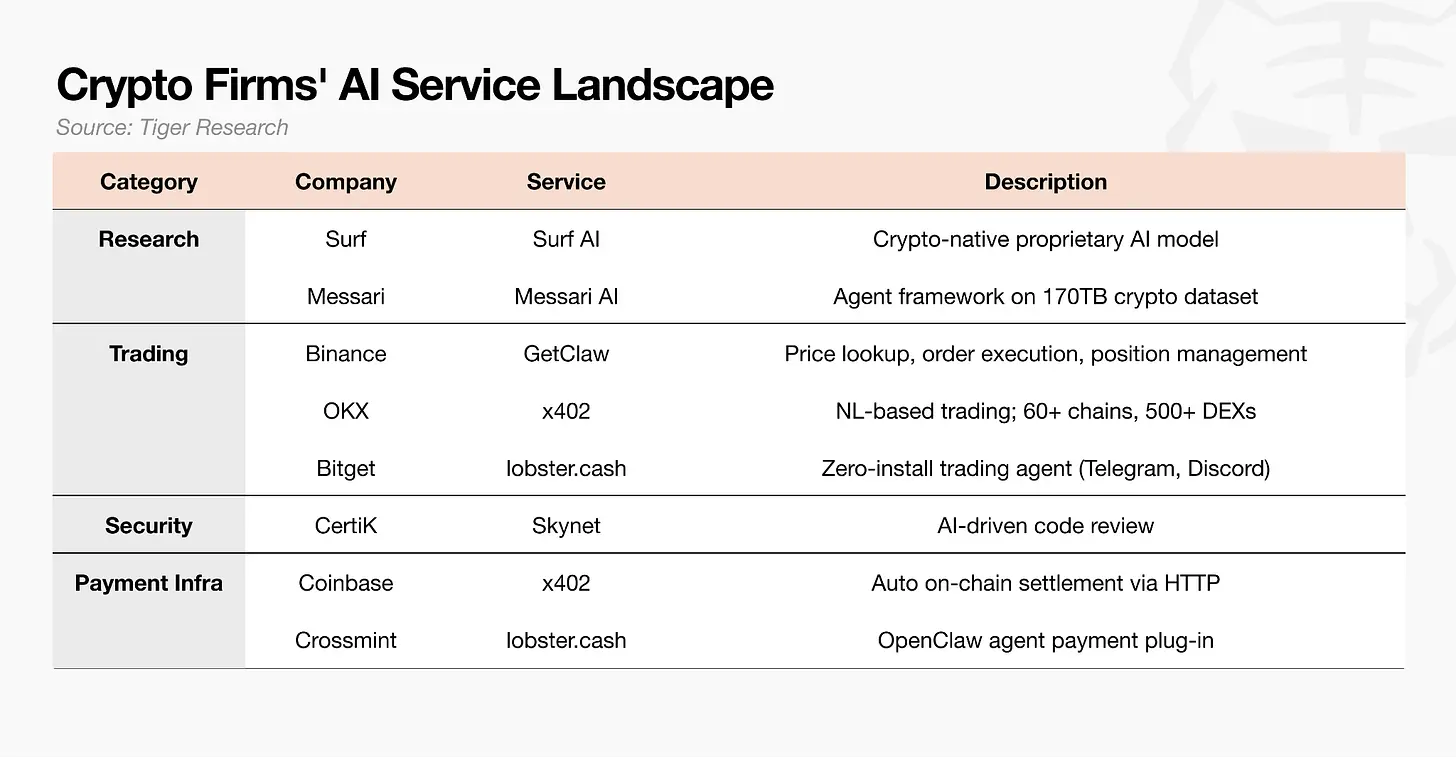
2.1 Research
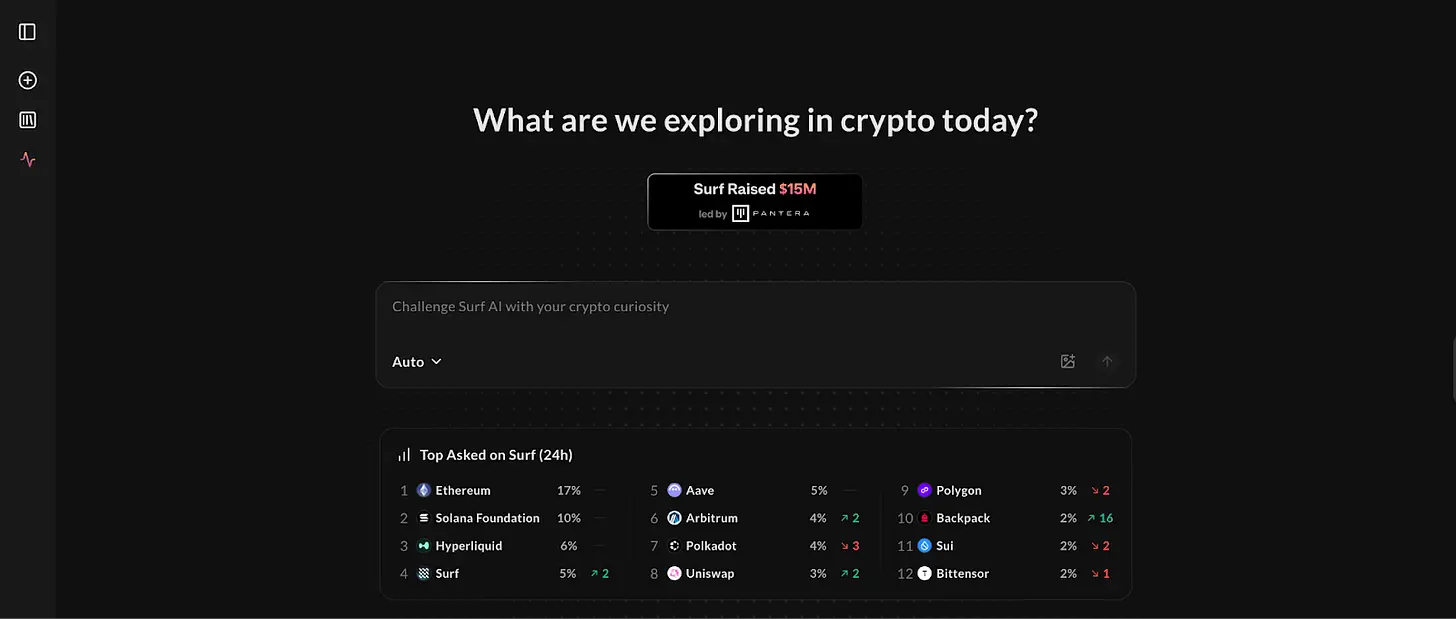
Cryptocurrency research has structural issues: on-chain data, social sentiment, and key metrics are scattered across various platforms, making validation difficult. General AI often returns inaccurate answers to cryptocurrency queries.
Projects like Surf are addressing this issue by providing AI research tools specifically for cryptocurrency, which can integrate dispersed data sources. Among all cryptocurrency AI applications, research has the lowest entry barrier for average users, requiring no programming or trading expertise.
2.2 Trading
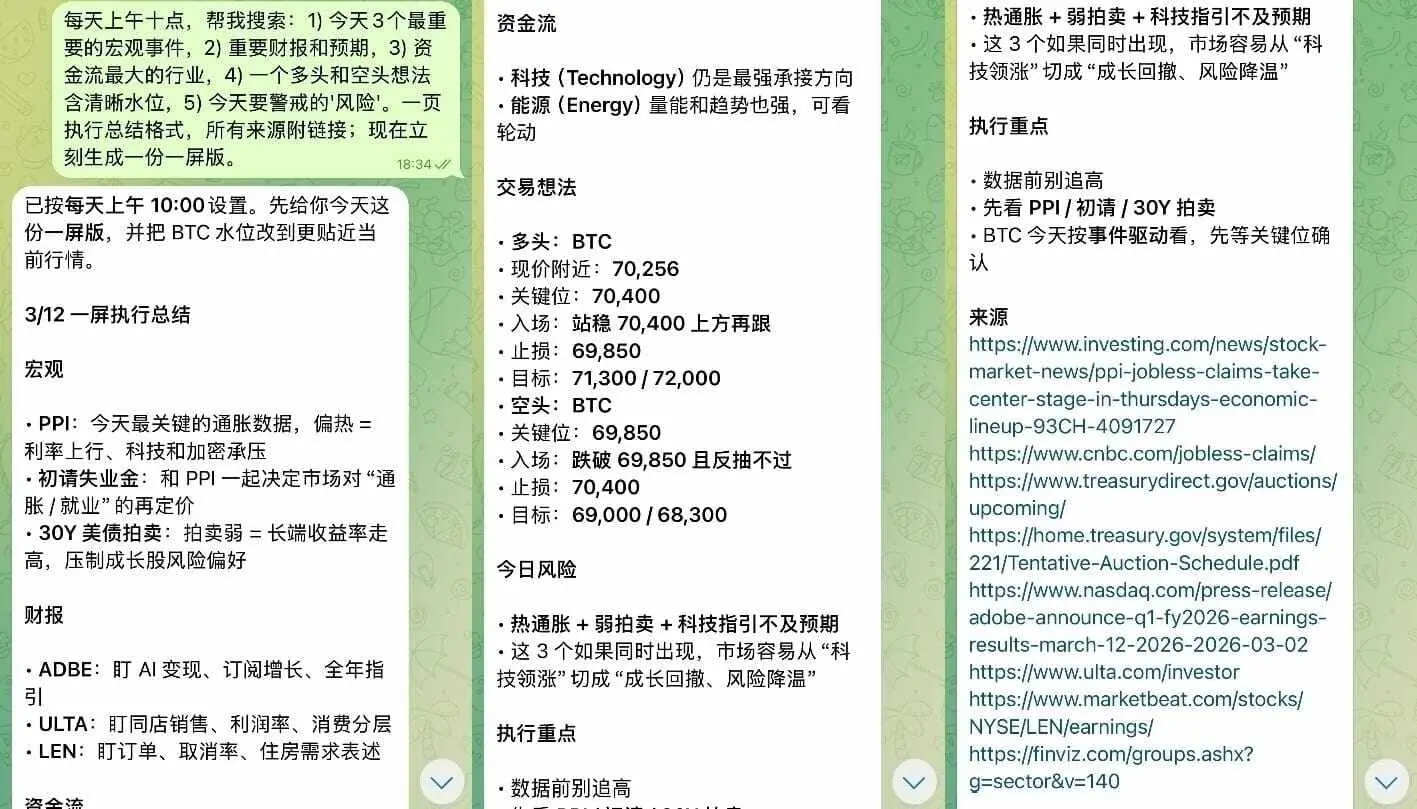
Exchanges are leading the application of AI in the trading field.
Methods vary. Some approaches publicly reveal proprietary trading data to users; others allow users to issue natural language commands to AI agents, which can complete the entire process from analysis to execution.
Exchanges have offered APIs for many years. The difference today is the addition of a layer: interfaces like MCP and AI Skills enable non-developers to access exchange functionalities through AI agents. Tools once limited to developers can now be accessed through natural language.
This aligns with broader community trends. Non-developer users increasingly build automated trading strategies through AI agents without writing any code. They simply describe the strategy, and the agent constructs and runs the algorithm.
For exchanges, this presents both opportunities and challenges. As the number of AI users grows, user loyalty to single exchanges may decline, as traders can execute trades anywhere. The motivation for exchanges to adopt AI is simple: to quickly attract users and keep them active on the platform.
Trading involves real asset management, requiring more judgment and responsibility than research. However, as entry barriers lower, this field is also opening up to average users.
2.3 Security/Audit
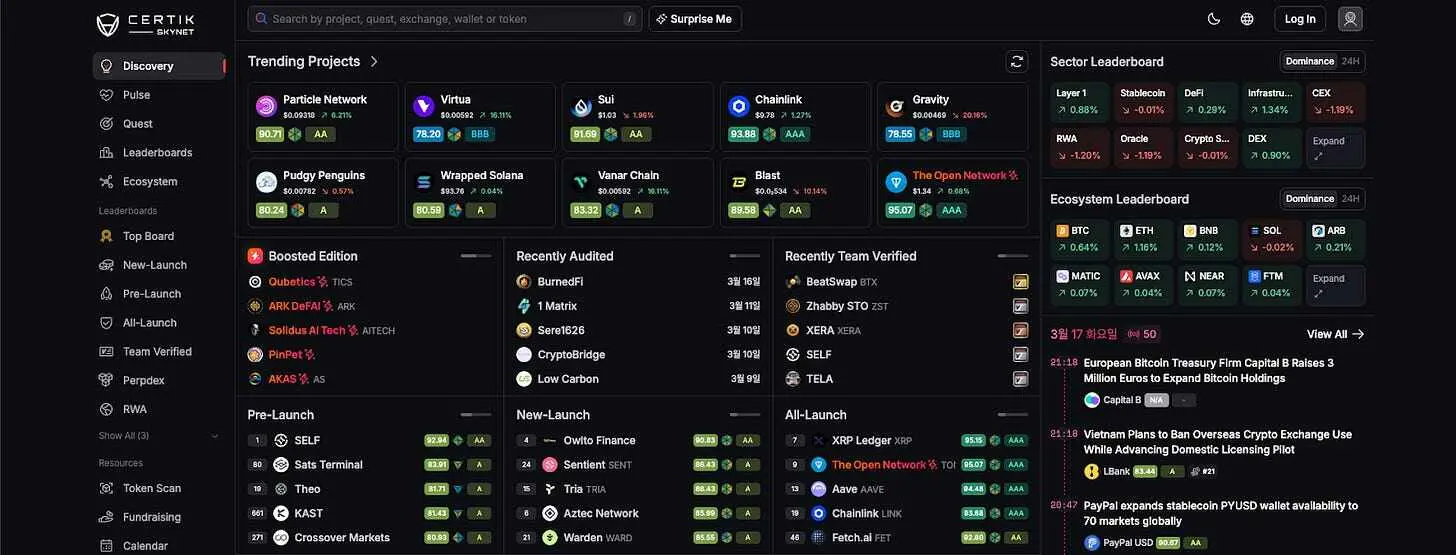
Traditional smart contract audits rely on manual line-by-line code reviews, a method that is slow, costly, and subject to varying standards among different auditors. Now, AI has been integrated into workflows: AI first scans the code, followed by targeted in-depth reviews by human auditors. This increases speed and coverage without replacing auditors.
CertiK is a typical example. The company has previously faced criticism for audit projects that were later maliciously exploited. However, these incidents occurred outside the audit scope. Audits check code at specific time points and do not include continuous monitoring.
CertiK utilizes AI to fill this gap. It adds real-time post-audit monitoring capabilities and publishes monitoring results via a public dashboard. Because the expanded monitoring scope is driven by AI rather than human operation, both CertiK and the projects it audits benefit from this.
In the security field, the application of AI does not disrupt existing services but expands the scope of human work: improving accuracy during audits and addressing post-audit blind spots. For blockchain security firms, AI is not a new business area but a tool to address existing security vulnerabilities.
2.4 Payment Infrastructure
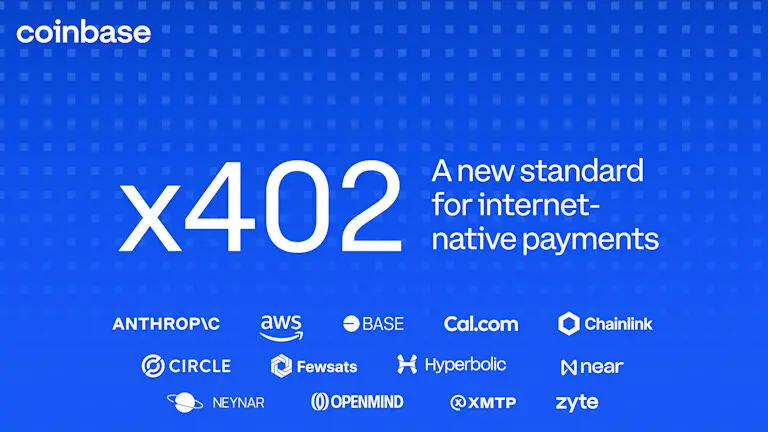
AI Agents require payment channels to engage in economic activities: for example, to pay API fees, purchase data, and acquire services from other agents. For agents, the most natural payment method is on-chain wallets paired with stablecoins.
Two models are emerging. The first is a general protocol that embeds payments into HTTP requests, allowing agents to automatically settle on-chain when accessing paid APIs. The second is a payment plugin for specific agents, allowing agents to execute payments only within pre-set permissions and limits.
Payment infrastructure is the area most closely tied to stablecoins. However, because the payment counterpart is an AI agent rather than a human, there is currently no fully operational model.
The issuer of USDC, Circle, is also receiving attention. The company published a proposal aimed at connecting its Gateway payment infrastructure with the x402 protocol, inviting developers and researchers to review and contribute.
This is not a mature market, but the market has begun to absorb this development trend. One of the key drivers of Circle's stock price increase is its AI agent payment model. The speed of implementation for payment infrastructure will be slower than in the other mentioned areas, but it has become one of the most prominent macro themes in the current market.
3. Why Cryptocurrency Companies are Entering the AI Space Now
When ChatGPT was launched in November 2022, both AI and cryptocurrency were not yet mature. While AI models were impressive, they were unable to reliably execute tasks. The cryptocurrency industry was severely impacted by the collapse of FTX and a total crisis of trust.
Since then, AI has rapidly developed. In the past year, the capabilities and practicality of all mainstream models have significantly improved. In contrast, cryptocurrency has merely "leveraged" AI during the same period: filled with "Meme coins" labeled with AI, flawed AI agents, and marketing-driven promotions. Decentralized AI infrastructure projects continue to emerge, but when objectively compared to equally-level native AI services, their quality is clearly lacking.
Today, the gap is further widening. In the AI industry, infrastructures such as MCP (enabling agents to directly invoke external tools) and OpenClaw (supporting no-code agent building) have made the era of intelligent agents a reality. Cryptocurrency companies are just beginning to act.
What sets this apart is who the actors are. It is no longer emerging startups waving the AI banner but established companies with profitable models: Coinbase, Binance, and Bitget. The launch of AI services by these companies is not driven by marketing purposes; they are motivated by a fear of falling behind: FOMO (fear of missing out).
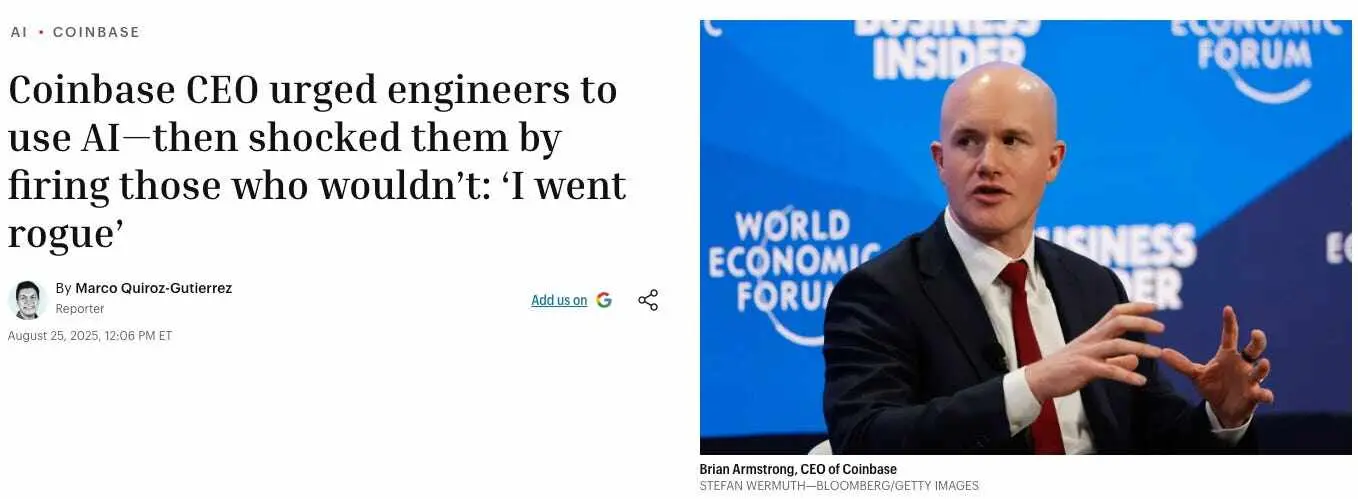
Coinbase CEO Brian Armstrong's actions exemplify this sense of urgency. He issued an order to all engineers in the company to launch AI coding tools in just one week and fired employees who did not comply.
However, it is also crucial to remain clear-headed. For example, in trading automation, agents can check prices and propose strategies, but how many users will genuinely trust the agents to hand over funds for real-time trading? Moreover, has the x402 protocol actually been applied in the real world?
Ultimately, the adoption of AI in the cryptocurrency field is not about chasing trends. With the advent of the AI era, companies are actively taking steps to avoid losing market position. Having a feature and truly utilizing that feature remain two different issues. But who is taking action matters significantly.

Imagine the AI industry as a swimming pool that is being filled with water. Previously, those who jumped in were merely pretending to know how to swim. Now, those who jump in are former national team surfers. No one knows how high the water level will rise, nor whether this swimming pool will turn into an ocean. But cryptocurrency will not be submerged in the flood.
免责声明:本文章仅代表作者个人观点,不代表本平台的立场和观点。本文章仅供信息分享,不构成对任何人的任何投资建议。用户与作者之间的任何争议,与本平台无关。如网页中刊载的文章或图片涉及侵权,请提供相关的权利证明和身份证明发送邮件到support@aicoin.com,本平台相关工作人员将会进行核查。


