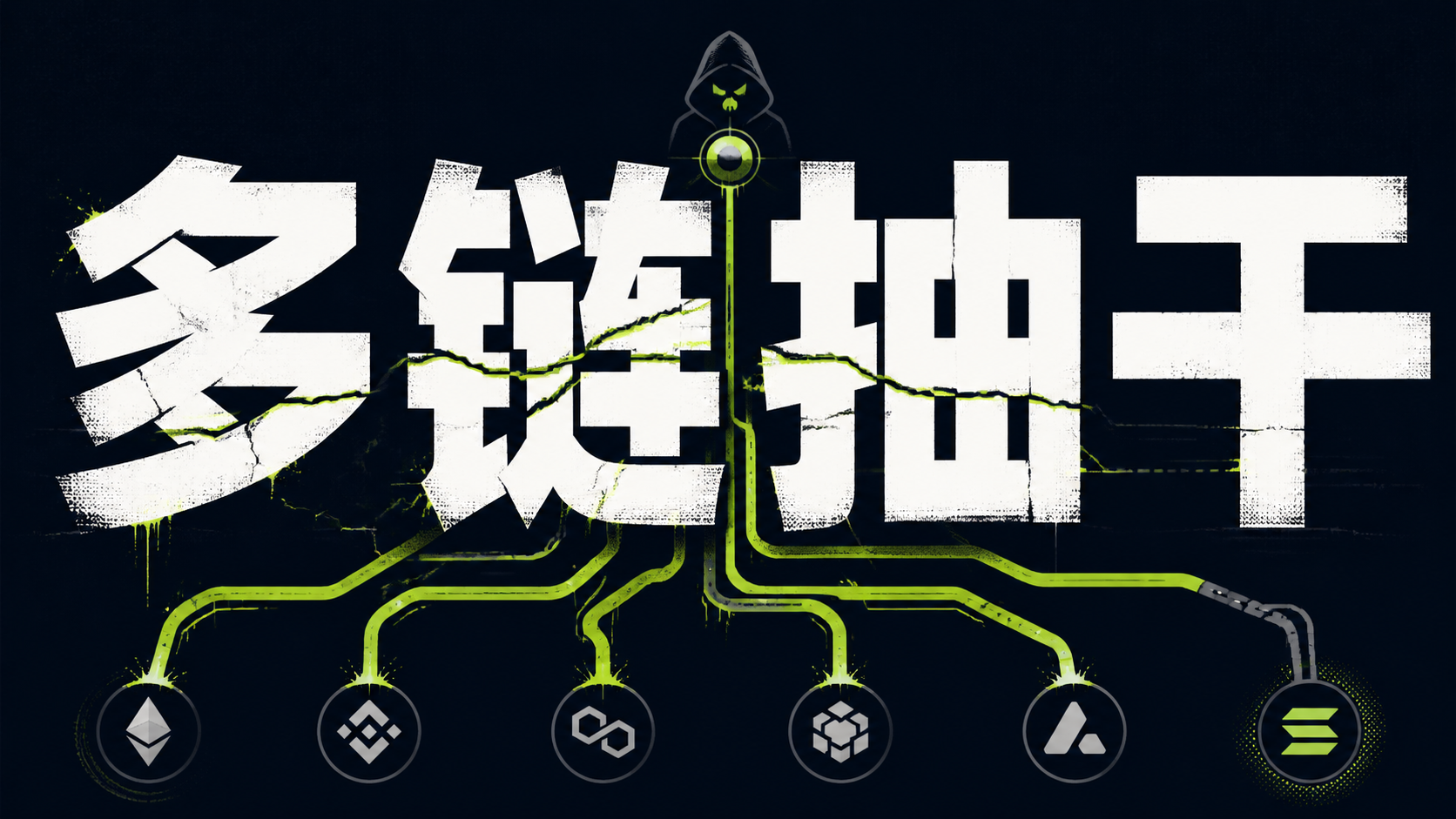
On April 30, 2026, the on-chain market exhibited a complex situation characterized by both a wave of expansion and security concerns. On one hand, cross-chain trading and multi-chain issuance continued to gain momentum, with Gate Alpha officially launching a special May Day event at 14:00 (UTC+8) that day, featuring a total prize pool exceeding $100,000. By covering multiple public chains such as SOL, ETH, BNB Chain, and SUI, it aimed to further capture on-chain increments through trading incentives. Meanwhile, the public sale process of the multi-chain issuance platform Printr was at a critical juncture. According to monitoring from AiCoin and data from Polymarket, although the project had raised over $2.46 million, there were drastic fluctuations in market expectations about whether its fundraising scale could surpass $4 million, with the probability of this forecast dropping over 30% to 63% in a single day, reflecting a cautious approach towards pricing of multi-chain assets.
However, beneath the trading activity, the structural risks of lending protocols were once again brought to the forefront. Security firm PeckShieldAlert disclosed that the THE market on the Venus protocol suffered approximately $2.15 million in bad debts due to a precise attack. This attack utilized on-chain operations that were laid out about a month prior, employing a method of donating tokens to the vTHE contract to bypass the supply cap and inflate the exchange rate, exposing security vulnerabilities in the existing lending pools when facing mechanisms of specific tokens. This article will deeply analyze the current on-chain environment's intertwining opportunities and risks, focusing on three core threads: Gate Alpha's incentive expansion, the evolving public sale expectations of Printr, and the bad debt crisis at Venus.
$100,000 blind box ignites cross-chain trading
According to AiCoin data, Gate Alpha officially launched the May Day special event at 14:00 (UTC+8) on April 30, 2026, aimed at stimulating on-chain trading activity through a prize pool valued at over $100,000. The event featured a clear tiered incentive structure, divided into basic and advanced rewards: the basic reward threshold was set at one normal blind box draw opportunity for every transaction of 200 USDT, with the prize pool estimated at about $30,000 and a 100% winning rate, offering prizes including iPhone 17, GT tokens, and Alpha fee cashback vouchers; for high-frequency and large transaction traders, after accumulating a total transaction volume of 2000 USDT, additional advanced blind box opportunities could be obtained for every 500 USDT traded beyond that, with an advanced prize pool reaching $76,000, including an iPhone 17 Pro Max and higher value GT token rewards. Additionally, the event introduced a social referral mechanism, where both the referrer and the referred individual could receive real-time additional rewards after the new user completes their first transaction of 100 USDT, rapidly boosting on-chain interaction frequency through this instant feedback incentive logic.
Beyond the incentive measures, Gate Alpha sought to address the pain points of on-chain liquidity fragmentation through technical integration, lowering the barriers for users to participate in cross-chain token trading. Currently, the platform has achieved comprehensive support for several popular public chains, including SOL, ETH, Gate Layer, BNB Chain, Base, SUI, Arbitrum, World Chain, AVAX, Polygon, Linea, ZK, OP, and Berachain. In terms of core features, the platform allows seamless trading of tokens across all chains by searching through contract addresses, which was interpreted by the market as completing the last segment of cross-chain transactions, enabling on-chain assets to be “available at a click.” This model of combining trading incentives with multi-chain coverage is changing the traditional habit of ordinary users frequently switching wallets and seeking cross-chain bridges between different ecosystems. By simplifying complex cross-chain paths into a single entry for search and exchange, Gate Alpha not only enhances the configuration efficiency of on-chain assets but also provides a more sticky infrastructure support for capital flow in a multi-chain environment.
Printr's fundraising expectations plunge, multi-chain issuance cools
Against the backdrop of continual optimization at the infrastructure layer, the performance on the asset issuance end exhibited a notable temperature difference in expectations. As a recently scrutinized cross-chain token issuance platform, Printr's product logic aims to break down barriers between chains, supporting users and even AI agents in issuing, trading, and staking tokens across eight mainstream blockchains like Solana, Base, BNB Chain, and Ethereum. Its core competitiveness lies in providing a standardized infrastructure for asset issuance under a multi-chain environment through a customizable fee structure and cross-chain trading incentives. However, despite its technical breadth covering eight public chains, Printr's performance in secondary prediction markets has faced a significant confidence downgrade.
According to media reports citing Polymarket data, the prediction market regarding whether “Printr’s public sale fundraising can exceed $4 million” has seen violent fluctuations recently. As of the morning of April 30, 2026, the transaction volume in this prediction market had approached $3.26 million, but the probability of meeting the target had sharply dropped to 63%, a decline of over 30% within the day. This probability drop directly reflects a cautious assessment of the project’s fundraising progress by investors. According to publicly available data from the project, Printr has currently raised about $2.46 million, with only about 35 hours remaining until the public sale ends. This means the project team needs to fill a gap of nearly $1.54 million in less than two days, a substantial challenge given the current volatility in on-chain sentiment.
This drop in expectations not only reflects short-term sentiment fluctuations concerning a single project but also signals a reevaluation in the market regarding the profit prospects of the “multi-chain issuance” track. Although cross-chain technology has lowered the barriers to asset circulation, the question remains whether the model of simultaneous multi-chain issuance can continue attracting high-net-worth capital amidst the still unresolved issue of liquidity fragmentation. The intense competition in prediction markets essentially tests the actual capital-raising capability of the multi-chain issuance infrastructure among on-chain players, revealing that investors, while pursuing the convenience of cross-chain products, hold higher risk control requirements regarding the certainty of asset issuance.
$2.15 million in bad debts: Venus lending pool breached
According to security firm PeckShieldAlert monitoring, at around 16:36 (UTC+8) on March 19, 2026, the leading lending protocol Venus Protocol on BNB Chain experienced a meticulously planned attack targeting the THE (Thena) market, ultimately leading to approximately $2.15 million in bad debts for the protocol. Looking back at the on-chain capital path, this was not a spontaneous assault. About a month before the incident, the attacker withdrew 7,400 ETH from Tornado Cash as startup capital, subsequently using these funds to borrow approximately $9.9 million and make a large purchase of THE tokens. This preemptive capital layout laid the groundwork for subsequent manipulations of the vToken exchange rate, bypassing the protocol's risk control system.
The core of this attack lay in exploiting logical flaws in the way the vToken contract handled token supply and exchange rate calculations. The attacker did not increase their position through normal mint pathways, but instead took the extreme measure of directly “donating” 36.1 million THE tokens to the vTHE contract address. This operation cleverly circumvented the supply cap constraints set by the Venus protocol and directly interfered with the underlying asset balance of the contract, causing the internal exchange rate of vTHE to spike approximately 3.81 times within a short period. By artificially inflating the collateral value in this manner, the attacker was able to borrow significantly more assets from the protocol than their actual value before completing their exit ahead of the market detecting the anomaly, leaving the protocol with difficult-to-liquidate bad debts.
This incident once again sounded the alarm for risk management in DeFi protocols, particularly concerning the design of collateral and price anchoring logic. Although Venus set supply caps for specific assets to prevent liquidity risks, the attacker demonstrated the vulnerabilities of solely relying on supply limitations while neglecting the underlying exchange rate calculation logic by changing contract balances through direct token donations. Furthermore, after the incident, movements among large on-chain holders further amplified market anxiety. Monitoring indicated that Justin Sun, one of the top five XVS holders, rapidly deposited 621,000 XVS (approximately $1.95 million) into HTX after the attack occurred; while an address linked to the BNB Bridge incident still holds 135,000 XVS (approximately $421,000). The intertwining of core governance token concentration with emergent security risks exposes the fragile balance between collateral security and governance token stability in lending protocols amid extreme black swan events.
Justin Sun and bridge hacker, who bears the risk of XVS
After the THE market of Venus Protocol was attacked, resulting in approximately $2.15 million in bad debts, the flow of on-chain capital quickly became a core indicator for market scrutiny of the protocol's stability. According to AiCoin data, the seeds of this attack were sown as early as mid-February 2026, when the attacker withdrew 7,400 ETH from Tornado Cash and borrowed $9.9 million to purchase THE. They then utilized the approach of donating 36.1 million THE to the vTHE contract to bypass the supply cap and artificially inflate the vTHE exchange rate by approximately 3.81 times. This security event not only revealed the vulnerabilities in the exchange rate design for specific tokens in lending protocols but also directly triggered position adjustments among core governance token XVS holders. As one of the top five holders of XVS, Justin Sun was monitored depositing 621,000 XVS into HTX during the sensitive period following the disclosure of the attack, worth approximately $1.95 million based on market prices at the time. Such actions by leading holders during periods of protocol fluctuation are often seen as hedging against short-term risks of the protocol, exacerbating market concerns about the price support level of XVS.
Adding complexity to the matter, the chip structure of the Venus protocol is shadowed by historical security events. According to security monitoring data, the address marked as the BNB Bridge Exploiter remains the 16th largest holder of XVS, holding 135,000 XVS valued at approximately $421,000. When a lending protocol's governance token is highly concentrated among a few large holders, even including addresses with a background of attacks, the fairness of its governance decisions and market confidence inevitably face severe testing. Such a chip distribution characteristic means that any proposals regarding bad debt handling, parameter adjustments, or protocol upgrades may be influenced by the funding intentions of these oversized holders. In the context of the $2.15 million bad debt resulting from the THE market attack, the overlap of governance rights and historically risky addresses could lead to deviations in the protocol's response mechanisms under extreme stress testing, potentially affecting ordinary users' long-term expectations of asset security. The high concentration of core holders intertwined with abrupt security vulnerabilities has become a key battleground to assess whether this lending protocol can emerge from the "risk quagmire."
Opportunities and pitfalls coexist, what to watch next
In conclusion, the current on-chain ecosystem is at a juncture of "incentive expansion" and "risk clearing." On one hand, trading infrastructures represented by Gate Alpha are rapidly competing for users, as demonstrated by the May Day special event launched on April 30, 2026, which attempts to establish stickiness in the cross-chain trading sector through a prize pool exceeding $100,000 and seamless support for multiple popular public chains such as SOL and BNB Chain; on the other hand, while Printr has raised over $2.46 million, its asset issuance capabilities in a multi-chain environment still require the ultimate test of market pricing. Additionally, the THE market attack encountered by the Venus protocol in mid-March has exposed core risk points in bypassing supply limits and inflation design, with the approximately $2.15 million bad debt remaining a hard indicator for measuring the protocol's security. This "heat" on the infrastructure side and "risk" on the protocol security side constitutes the main theme of on-chain gaming at this moment.
Future market trends should focus on three core variables: first, the real trading heat of different public chain tokens during the Gate Alpha event, which will directly reflect the distribution center of cross-chain trading demand; second, the final fundraising results of Printr and deviations in prediction market pricing—currently, the probability regarding “raising over $4 million” on Polymarket has dropped from a high position to 63%, indicating that market expectations are being reassessed; finally, the risk management process of the Venus protocol, especially the movements of key holders such as Justin Sun (who deposited 621,000 XVS into HTX) and the BNB Bridge Exploiter, will determine whether the protocol's governance can effectively digest bad debts and restore market confidence. According to AiCoin data, the flow of on-chain capital is often highly correlated with the safety of protocol governance; thus, participants must cautiously evaluate the safety design and governance structure of protocols while chasing cross-chain product incentives. This analysis does not constitute any investment advice.
Join our community to discuss and become stronger together!
Official Telegram community: https://t.me/aicoincn
AiCoin Chinese Twitter: https://x.com/AiCoinzh
AiCoin on-chain: https://aicoin.com/hyperliquid
AiCoin exclusive Hyperliquid benefits: https://app.hyperliquid.xyz/join/AICOIN88
AiCoin exclusive Aster benefits: https://www.asterdex.com/zh-CN/referral/9C50e2
免责声明:本文章仅代表作者个人观点,不代表本平台的立场和观点。本文章仅供信息分享,不构成对任何人的任何投资建议。用户与作者之间的任何争议,与本平台无关。如网页中刊载的文章或图片涉及侵权,请提供相关的权利证明和身份证明发送邮件到support@aicoin.com,本平台相关工作人员将会进行核查。