At the beginning of May 2026, the sentiment curve in the cryptocurrency market began to move. The fear and greed index rose to 47 around May 2 to 3, with the official definition being "neutral" — neither an overwhelming sense of greed nor the "fear" that had previously enveloped the market. Prices have yet to show a clear direction, but risk appetite is quietly shifting from extreme caution to a cautious wait-and-see and tentative increase in positions. This most sensitive string of sentiment has loosened a bit.
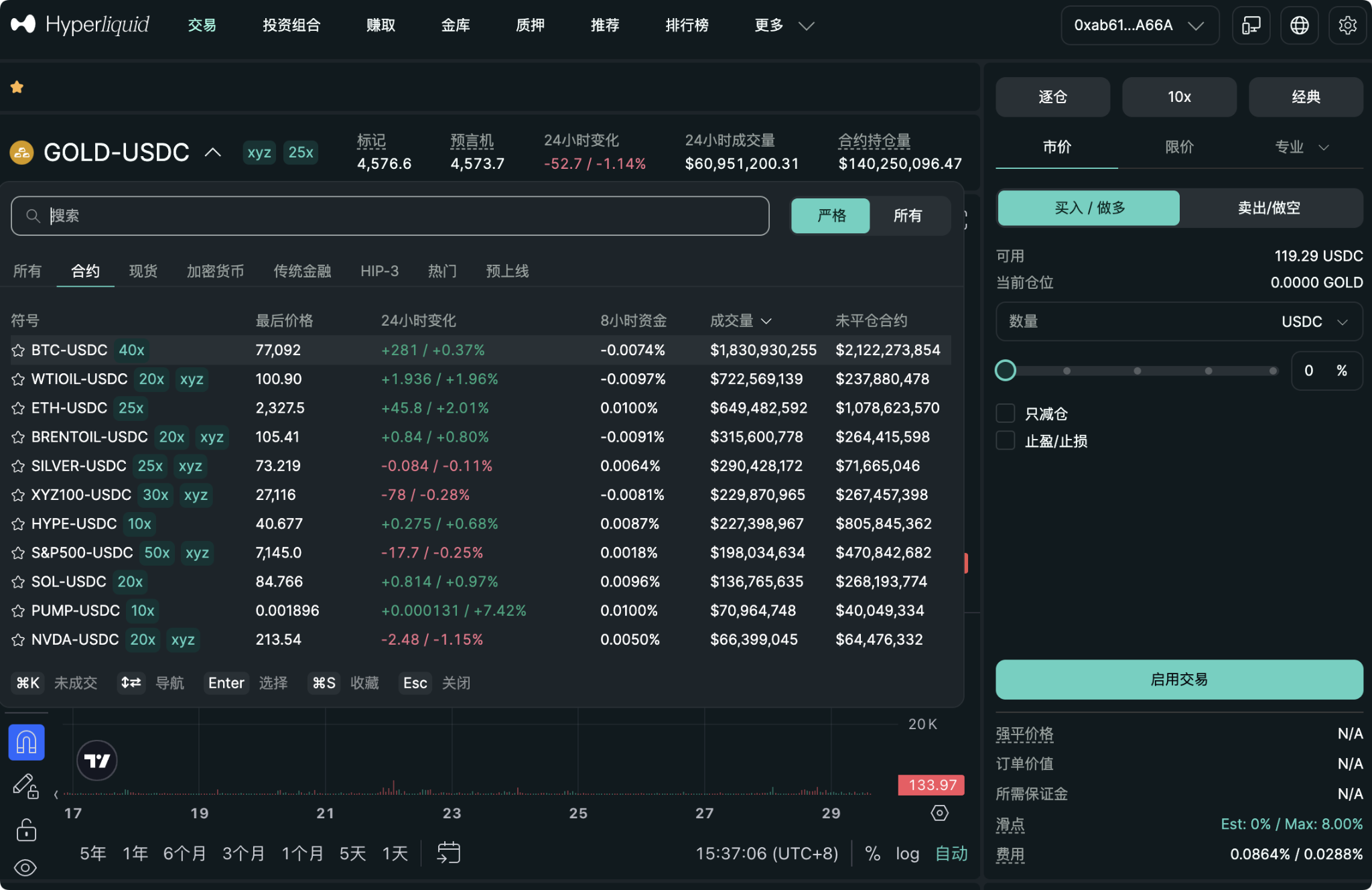
However, during the same period when sentiment indicators gave repair signals, three completely different undercurrents emerged at the macro level: on one side, Sky co-founder Rune was forced to close positions in WTI crude oil, Brent crude oil, and the S&P 500 index, realizing a total loss of over $735,000 according to a single source — even seasoned macro and crypto traders “missed their footing” during the volatility; on the other side, Warren Buffett publicly indicated that for Berkshire Hathaway, the current environment is not ideal for capital deployment, with overall valuations being high, leading this company that typically acts aggressively when undervalued to choose to hold a large amount of cash and wait for opportunities; meanwhile, former U.S. President Donald Trump expressed that there is a possibility of the U.S. resuming airstrikes against Iran while explicitly stating that he “cannot imagine” that Iran's latest proposal would be accepted, thus heightening geopolitical uncertainty once again. Against this backdrop, whether the cryptocurrency market's shift from panic to neutral sentiment can evolve into a sustainable trend or is merely a brief rebound that could be interrupted at any time by macro valuation pressures and geopolitical shadows remains a question that will run through the upcoming narrative.
Fear Index Returns to 47: Cryptocurrency Sentiment Thawing
The rose of the fear and greed index back to 47 primarily signifies one thing: the market is no longer in the extreme defensive state of “just wanting to survive.” According to the official range definition of this index, values around 50 are deemed "neutral," while the index had previously lingered in the "fear" zone, indicating that funds were more inclined to stay away from risk assets, voting with their feet. Now, approaching neutrality signals a shift from extreme caution to a "cautious probing" — investors are no longer overwhelmingly pessimistic, starting to acknowledge that previous negativity might have been a bit excessive, but they are still far from optimistic enough to make large bets on a reversal.
The key here is that this emotional repair does not equate to risk being alleviated. 47 remains in the "wait-and-see" range: it is neither a crash nor “greed.” After panic recedes, the market is more about weighing options and hesitance — traders will reopen their market software and discuss the rebound's resilience, but they will still be cautious when placing orders, more concerned about whether they can withstand any pullbacks. The fear and greed index essentially serves as a mirror, reflecting short-term risk preference and psychological positioning rather than a systematic evaluation of the macroeconomy and liquidity environment. Therefore, its rebound resembles a self-correction of sentiment rather than a complete turnaround in macro narratives.
Compared to the previous panic phase, this round of rebound from lower levels seems more like a counter-correction of “overly pessimistic pricing” — under the pressure of continuous bad news and declining prices, market sentiment had been compressed to a single dimension: sell first and ask questions later. Once prices stopped falling and bad news no longer escalated, the index naturally bounced back from the panic range to close to neutral territory. However, at the macro level, high valuations, the volatile behavior of professional capital in commodities and stock indexes, and the uncertainties brought by geopolitical tensions have not vanished just because of this single reading. The warming sentiment from freezing merely indicates that people are temporarily no longer rushing to escape, but it is not yet time to queue up to enter the market, which also dictates that the foundation of the current rebound remains fragile.
Rune's 730,000 Dollar Loss as a Warning
At the same time that the sentiment indicators returned from panic to "neutral," the macro environment presented a completely different face. According to a single source, Sky co-founder Rune was recently forced to close positions in WTI crude oil, Brent crude oil, and the S&P 500 index, realizing losses exceeding $735,000. Rune himself is a prominent figure in the crypto and macro trading circles, and such a number does not reflect “small retailers being caught in traps,” but rather resembles heavy tuition fees paid by professional players in a high-volatility environment — especially since public reports vary on his long and short positions as well as entry timing, we can hardly achieve a complete review, only confirming one point: this cutting of positions occurred during an extremely difficult macro window.
Crude oil and stock index futures face sharp edges on both ends amid geopolitical tensions and fluctuating inflation expectations. Every statement regarding the Middle East situation and every realignment of future interest rate paths can trigger significant volatility in WTI, Brent, and the S&P; in such an environment, even seasoned traders can easily be pushed out of positions by extreme short-term market movements. Rune’s closure resembles being “forced off the market table” rather than a calm reallocation of assets. For those focused on macro signals, this sort of forced exit itself is a warning signal that risks are accumulating and leverage is being passively reduced.
Such large position cuts often have a tearing effect on sentiment. On one side, deeper worries arise: if even seasoned macro bettors cannot withstand the fluctuations in crude oil and stock indexes, the macro foundation behind this rebound in cryptocurrencies might be far less stable than price movements suggest; on the other side, some may interpret it as a sign that “all bad news has been priced in” — when professional capital is forced to concede and close erroneous positions, it means that a portion of the most fragile chips has been cleared from the market, and the remaining volatility might actually be more favorable for brewing a new trend. The occurrence of such position cuts just as sentiment transitions from fear to neutral indicates that this is not the stage where everyone is comfortably increasing their positions, but rather an awkward convergence where some have just escaped the fire line while others are preparing to step into the market.
Buffett Criticizes High Valuations: Wall Street Is Watching
As professional traders are forced to acknowledge losses and exit positions in commodities and stock indexes, another signal comes from Omaha. Recently, Warren Buffett publicly stated that regarding Berkshire Hathaway’s capital deployment, the current market environment is not ideal, with one significant reason being that overall market valuations are too high. For an investor accustomed to being “greedy when others are fearful,” the meaning of this statement is not hard to decipher: it is not the time to pick up cheap chips everywhere; rather, everything seems somewhat expensive. Berkshire’s choice to stay put in such an environment rather than chasing price increases itself denies the current safety margins of asset prices.
Corresponding with this statement is Berkshire's continued holding of a high proportion of cash and cash equivalents — the official line being “waiting for more attractive investment opportunities,” but more bluntly stated: even the staunchest long-term value investor cannot find assets cheap and certain enough to bet heavily on. Buffett has consistently emphasized “safety margins”; historically, he often makes concentrated investments when valuations are attractive, but now chooses to stay on the sidelines holding cash, which sends a clear directional signal to traditional institutions that habitually track his moves: do not rush to spend all the bullets.
This kind of caution will not just stop at Buffett's level. When traditional stock market valuations are high, it means that expected future returns are declining, leading to tightened overall risk budgets for pension funds, sovereign funds, and family offices. When they hesitate between stocks and bonds, or even lean towards increasing cash weight, the question becomes not “how much to allocate” but “whether to allocate at all” when it comes to cryptocurrencies. At the moment when cryptocurrency market sentiment has just shifted from panic repair to neutrality, this wait-and-see attitude from traditional financial giants equates to putting a lid on the pool of incremental funds: there can be short-term rebounds and ongoing battles with existing capital, but the long-term funds that can truly lift the center of the entire market value are still standing at the door, providing no answers for “entering en masse.”
Trump Hints at Iran: Geopolitical Shadows Looming Over the Market
Just as funds in the market are tentatively increasing positions and sentiment indicators shift from panic to "neutral," another piece of news pushes traders' attention back to the Middle East. Former U.S. President Trump publicly stated that there is a possibility of the U.S. resuming airstrikes against Iran; he would “study” Iran's latest submitted proposal, but he explicitly said he “cannot imagine” that this proposal would be accepted, emphasizing that Iran “has not paid a sufficient price.” This is not bureaucratic language but a typical extreme pressure tone: while negotiations seem open, the outcome is preemptively denied in the dialogue, pushing market expectations regarding the Middle East situation back into a higher uncertainty range.
For macro traders, the real sting of such statements often comes not from the news itself rather than its shadow on the oil curve. As geopolitical tensions escalate, oil and other commodities' risk premiums are almost reflexively raised, while volatility in global financial markets and safe-haven demands expand. Previously, Sky co-founder Rune reportedly recorded total losses exceeding $735,000 on his positions in WTI, Brent crude oil, and the S&P 500 index (this figure has yet to be independently verified by multiple parties), indicating that even in the phase where “live ammunition” has not yet escalated, the contest surrounding energy and stock indexes has been enough to make professional players pay a considerable price. Against this backdrop, Trump putting the option of "potential airstrikes" back on the table is equivalent to informing all observers: the oil front remains far from calm, and any new wave of shocks may emanate from here.
Moreover, this wave of shock will ultimately hit cryptocurrency assets. When geopolitical risks rise, funds typically first reprice commodities and interest rates, safe-haven sentiments rise, and liquidity preferences tighten, with the dollar and high-grade assets becoming more favorable, while risk assets are packaged together and set aside for “wait-and-see.” Historically, cryptocurrencies have often become entangled with macro liquidity, risk preferences, and geopolitical sentiments: while the fluctuations in oil and stock indexes are still consuming the margins of professional traders, those capable of pushing a new bull market are more inclined to wait, assess the direction of war and peace, and then decide whether to write a check for a new on-chain narrative. This current rebound is caught in such a gap: on one side, it is a risk preference returning from panic; on the other, Trump's tough rhetoric pulls the entire market back to the reality of “anytime something could go wrong.”
From Panic to Neutral: How Fragile Is This Rebound?
The fear and greed index returning to 47 appears to be just an ordinary emotional repair: retreating from panic to neutrality, capital shifts from extreme caution to cautious probing, without the excitement of a bull market nor the despair of one-sided negativity. However, on the other hand, Rune is said to have incurred a singular loss of over $735,000 in his positions in WTI, Brent, and the S&P, Buffett explains Berkshire's high cash ratio choice with “overall valuations being high,” and Trump has thrown the signal of “possible resumption of airstrikes against Iran” back onto the table. These fragments piece together the same underlying picture: this rebound is supported by self-initiated emotional repairs against a backdrop of unfriendliness in macro liquidity, geopolitical pressures that could escalate at any time, and professional traders having already paid real tuition. Historical experience shows that this combination of “emotional warming + macro clouds not yet dissipated” often suggests a lack of directional clarity accompanied by plenty of volatility.
Therefore, what lies ahead resembles a situational question: if the pressures from geopolitics and valuations do not worsen in the short term, and Trump's tough statements remain at the level of rhetoric, with no new surprises emerging on the macro front, the current sentiment shift from panic to neutral could very well push for another trend-following rebound, giving the market a window of “time for space”; conversely, once the Middle East situation suddenly escalates or if other assets' valuations are “corrected,” this temporarily teetering sentiment above the midpoint could easily slip back into panic, with chips having just returned to the market finding new exits. Strategically, it is more crucial in the short term to pay close attention to the resonance of sentiment indicators like the fear and greed index and macro news rather than being led by single large bullish candlestick; while in the medium to long term, Buffett's concern over valuations and the continuously rising geopolitical uncertainties should be considered as the persistent background noise of this rebound, reserving sufficient room for position control and risk management, rather than treating any emotional repair as the beginning of a new narrative.
Join our community to discuss together and become stronger together!
Official Telegram community: https://t.me/aicoincn
AiCoin Chinese Twitter: https://x.com/AiCoinzh
OKX Welfare Group: https://aicoin.com/link/chat?cid=l61eM4owQ
Binance Welfare Group: https://aicoin.com/link/chat?cid=ynr7d1P6Z
免责声明:本文章仅代表作者个人观点,不代表本平台的立场和观点。本文章仅供信息分享,不构成对任何人的任何投资建议。用户与作者之间的任何争议,与本平台无关。如网页中刊载的文章或图片涉及侵权,请提供相关的权利证明和身份证明发送邮件到support@aicoin.com,本平台相关工作人员将会进行核查。