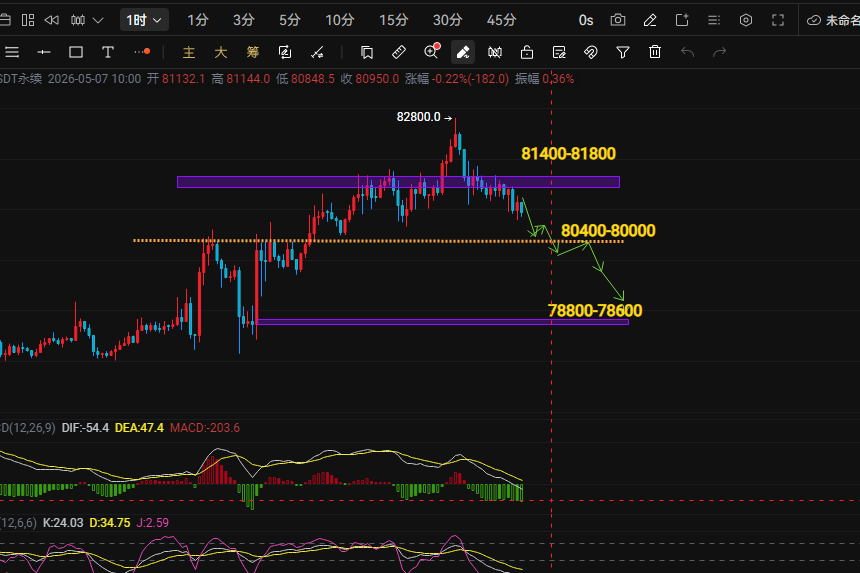
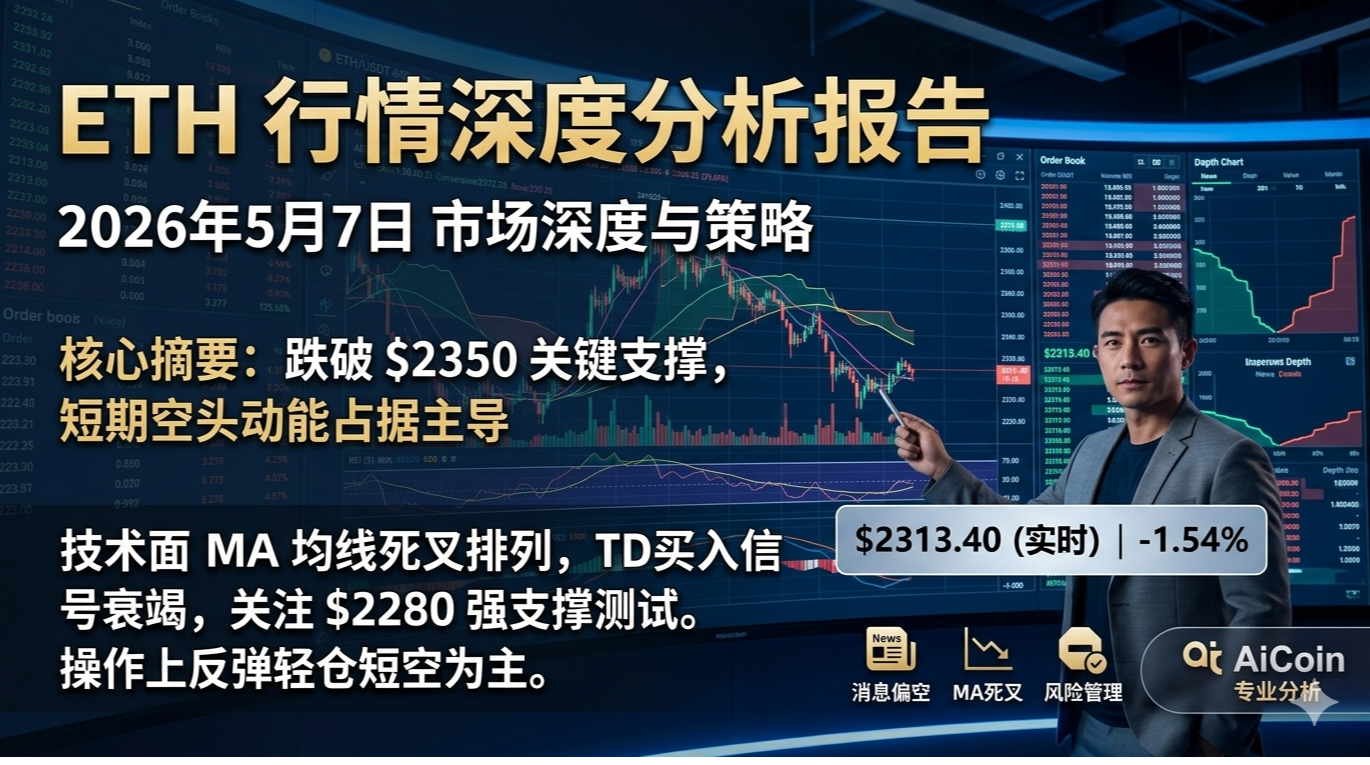
The situation between the U.S. and Iran is still in a tug-of-war, but yesterday's judgment has basically come true: the deadlock in the Strait of Hormuz continues, putting pressure on both sides; clearing the strait is bound to be the first step towards a peace agreement between the U.S. and Iran.
For the U.S., if WTI oil prices stabilize above 100 dollars in the long term, there is basically no room for interest rate reduction in 2026, and anyone who takes office will find it difficult to change this situation.
For Iran, a long-term blockade of the strait will lead to the U.S. completely banning Iranian oil exports, directly cutting off the lifeblood of its economy; continued standoff will consume the U.S., but Iran will suffer more seriously. A ceasefire is a pressing need for both sides, and the Strait of Hormuz is the common economic throat of the two countries.
I was previously thinking: if Iran uses the opening of the strait as a bargaining chip before negotiations, what other trump cards do they have in the subsequent nuclear facility negotiations? It now seems that the strait is right at their doorstep, and if negotiations really cannot be reached, they can still impose a blockade again, but long-term deadlock is definitely not a good strategy. By the way, the Malacca and Red Sea routes actually have similar bargaining attributes.
Although the U.S. and Iran are still wrangling, the recent drop in oil prices indicates that the market is pricing in expectations of negotiations materializing. If oil prices can steadily fall below 90 dollars this week, the subsequent inflation pressure in the U.S. will significantly ease.
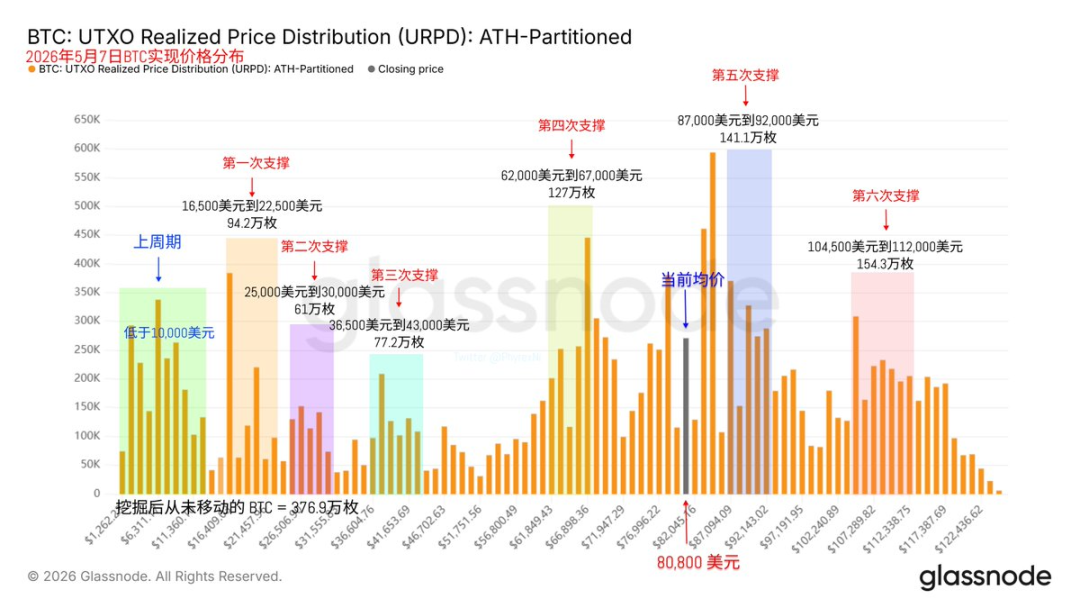
Currently, BTC data seems relatively strong, but the core logic needs to be clear -- the strength in the market benefits from the easing of U.S.-Iran tensions and the situation evolving towards peace, not from cryptocurrencies establishing an independent structural market; at this stage, the overall crypto market is still tied to the performance of the U.S. stock market.
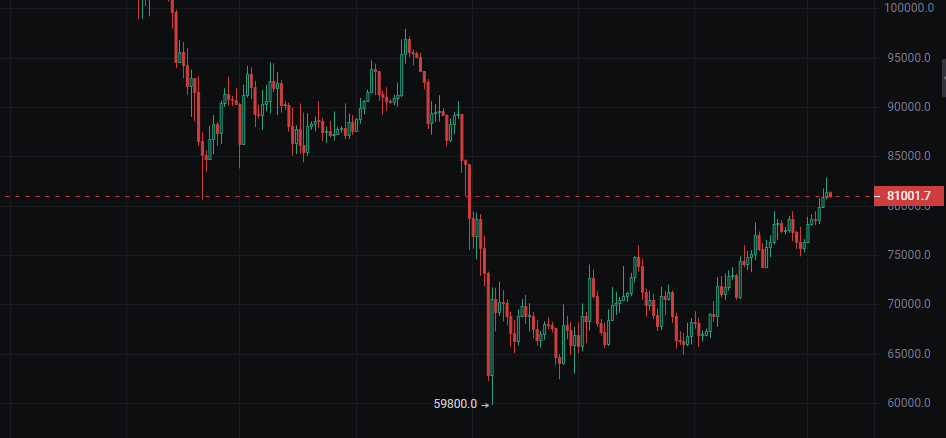
Currently, BTC is stable above 81,000; it is not advisable to blindly chase long positions anymore.
From the perspective of timing and market cycle review, this round of rally in mid-year is merely a technical rebound during a bear market and does not mark the official start of a new bull market. A significant correction is likely to follow.
From the perspective of key levels and risk-reward ratios: the 82,000 — 85,000 range is a strong resistance zone; rashly chasing long positions now would provide only about a 5% profit margin; but once pressured and falling back, the risk of correction could reach 10%—30%, leading to a severely unbalanced profit-loss ratio, making it completely unprofitable.
The true ultimate bottom of this bear market will likely appear around the end of this year, just before or after the U.S. midterm elections, which will be the best opportunity to position at low levels.
The core logic behind this is very clear: the short-term benefits brought by the current U.S.-Iran negotiations have gradually been consumed, combined with persistently high inflation in the U.S., making it basically impossible to lower interest rates within the year; the entire crypto market is unlikely to see significant improvement throughout the year. Only when the Federal Reserve begins its interest rate reduction cycle will a truly bullish market officially begin.
Currently, major platforms are strictly reviewing content, and sharing market views and trends may be restricted. If you want to exchange market opinions, synchronize strategies, and learn from each other’s review logic, +【三条】Daniu4416. Regular updates on market dynamics, joint review discussions, and rational exchanges are encouraged for steady growth together.
This content is merely an exchange of market views and personal review ideas, and does not constitute any investment advice.
免责声明:本文章仅代表作者个人观点,不代表本平台的立场和观点。本文章仅供信息分享,不构成对任何人的任何投资建议。用户与作者之间的任何争议,与本平台无关。如网页中刊载的文章或图片涉及侵权,请提供相关的权利证明和身份证明发送邮件到support@aicoin.com,本平台相关工作人员将会进行核查。