When two individuals with years of experience in consortium blockchains and traditional finance decide to use Web3 to tackle issues related to real-world assets.
Written by: Eric, Foresight News
On the evening of April 28, 2026, Wish Wu announced the launch of the Pharos mainnet in a work group, and the Pharos official account released an announcement stating, "Pacific Ocean Mainnet is LIVE." This not only heralds the birth of a new public blockchain but also signifies that a group of technical talents who left China's largest fintech company finally rewrote their compliance experiences accumulated during the consortium blockchain era into the fundamental protocols of public blockchains.
At this moment, it has been a full 20 months since he and Alex Zhang left Ant Group to start their own business.
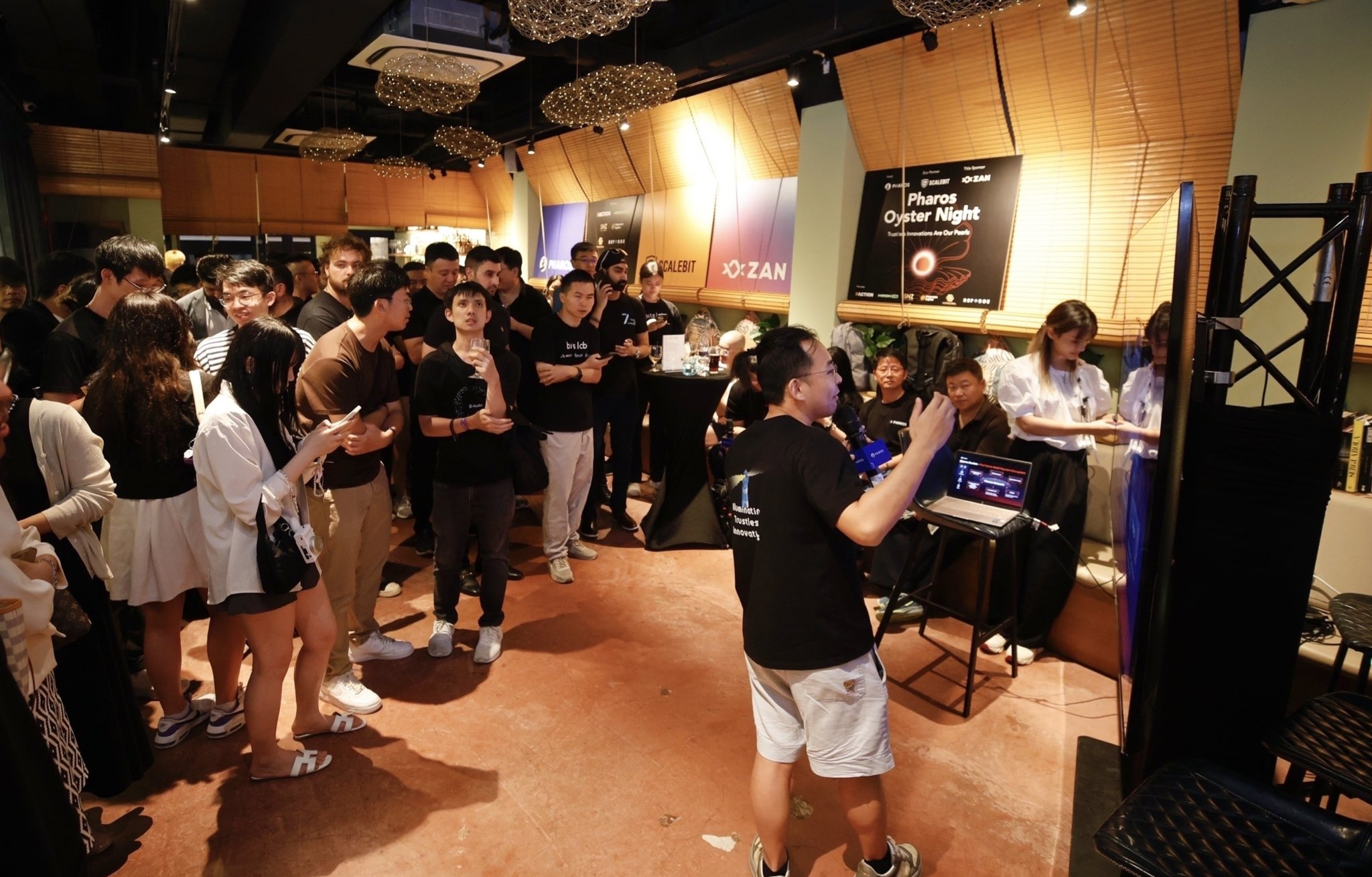
In September 2024, Pharos's first offline activity, Wish introduces the project to attendees
Institutional Blockchain Fantasies
If you attended any crypto finance summit in Singapore or Hong Kong in the past two years, you would have noticed a subtle change: bankers, asset management representatives, and regulatory officials on stage no longer discuss the outdated topic of "Is blockchain a scam?" Instead, they are now debating a more specific dilemma: We love the settlement efficiency and transparency of blockchain, but can we avoid bringing over all of its characteristics intact?
This seemingly contradictory demand is precisely the core tension within the RWA tokenization sector over the past three years.
In July 2025, the passing of the "GENIUS Act" in the United States acted as a key that opened the door for institutional capital to flood into tokenized assets. According to data from RWA.xyz, the total market value of on-chain tokenized assets skyrocketed from about $8.8 billion in April 2025 to nearly $30 billion in April 2026, with an annual growth rate exceeding 240%. BlackRock's BUIDL fund, Circle's USYC, Franklin Templeton's on-chain money market fund… These names, which once appeared only in the halls of traditional finance, are now frequently seen in contract addresses on blockchain explorers.
But behind the glamorous figures, a structural dilemma has always loomed.
The public blockchains on the market present two extremes: on one side are permissionless blockchains represented by Ethereum and Solana, which advocate complete transparency and decentralization but fail to meet the basic requirements of financial institutions for privacy protection, compliance review, and business confidentiality; on the other end are consortium blockchains like Hyperledger Fabric and R3 Corda, which can finely control access and permissions but sacrifice the liquidity aggregation and composability of an open network. Yet, it is precisely this composability that has fueled astonishing financial innovation in DeFi over the past few years.
This "dilemma" is a theme that Wish Wu and Alex Zhang have heard countless times during their tenure at Ant Group.
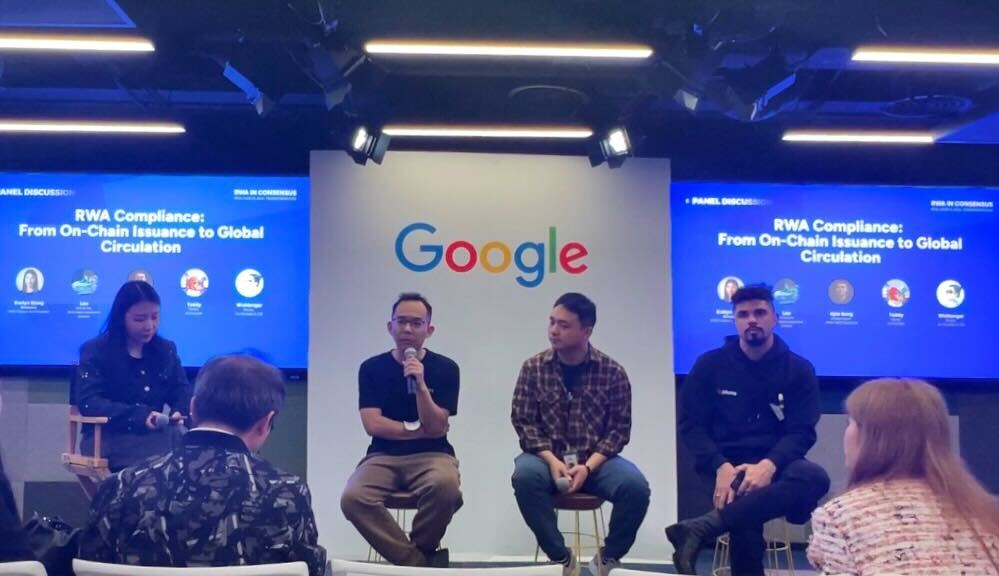
In February 2025, Wish attended the RWA in Consensus Panel as a guest
During their time at Ant, the two gradually formed a clearer judgment: the compliance experience of consortium blockchains and the open liquidity of public blockchains should not be a zero-sum game. The market urgently needs an "intermediate state" that can share liquidity, be composable, verifiable like a public blockchain while embedding compliance and privacy protection mechanisms at the protocol level.
This judgment ultimately led the two in 2024 to make a highly publicized decision: leaving Ant Group to build a public blockchain from scratch.
They named this blockchain Pharos, derived from the ancient Greek word for "lighthouse."
Starting from Ant, for Real World Finance
Pharos boasts a multidisciplinary team with academic depth, industry experience, and financial background.
The two co-founders previously held executive positions at Ant Group's Web3 business company ZAN. Wish Wu was the Chief Security Officer (CSO) of ZAN and had earlier worked at Microsoft Research Asia, focusing on distributed systems and network security protocols, and studied at Shanghai Jiao Tong University, Virginia Tech, and the University of Southern California; Alex Zhang was the CTO of Ant Digital and CEO of ZAN; he also serves as the vice chair of the IEEE Blockchain Standards Committee and is one of the core contributors to international blockchain standards.
However, even with such an experienced configuration, the challenges faced in the early days of entrepreneurship turned out to be more specific than expected.
“The educational costs are extremely high,” Wish Wu admitted, “Traditional financial institutions need to understand what 'privacy-enabled' means. It is not 'completely anonymous,' but 'selective disclosure under a compliance-audit premise.' This concept is counterintuitive, and we spent a lot of time deconstructing, demonstrating, and educating.” Meanwhile, the team also had to find its answer to the industry-level challenge of the survival model for public blockchains: what to do, what not to do, how to position.
But these difficulties ultimately transformed into the moat of Pharos's tech stack. As Wish Wu said, “These things of ours are gradually worked out through repeated conversations and revisions with institutions and enterprises.”
In November 2024, Pharos completed an $8 million seed round led by Lightspeed Faction and Hack VC, with participation from several institutions including SNZ Capital, Dispersion Capital, and Hash Global. This funding provided a solid base for the team's high-intensity development phase. Subsequently, in March 2025, the developer public launch went online, the public test network went live in May, and by October, the AtlanticOcean test network had achieved complete alignment with the mainnet environment, keeping a tight and steady rhythm.
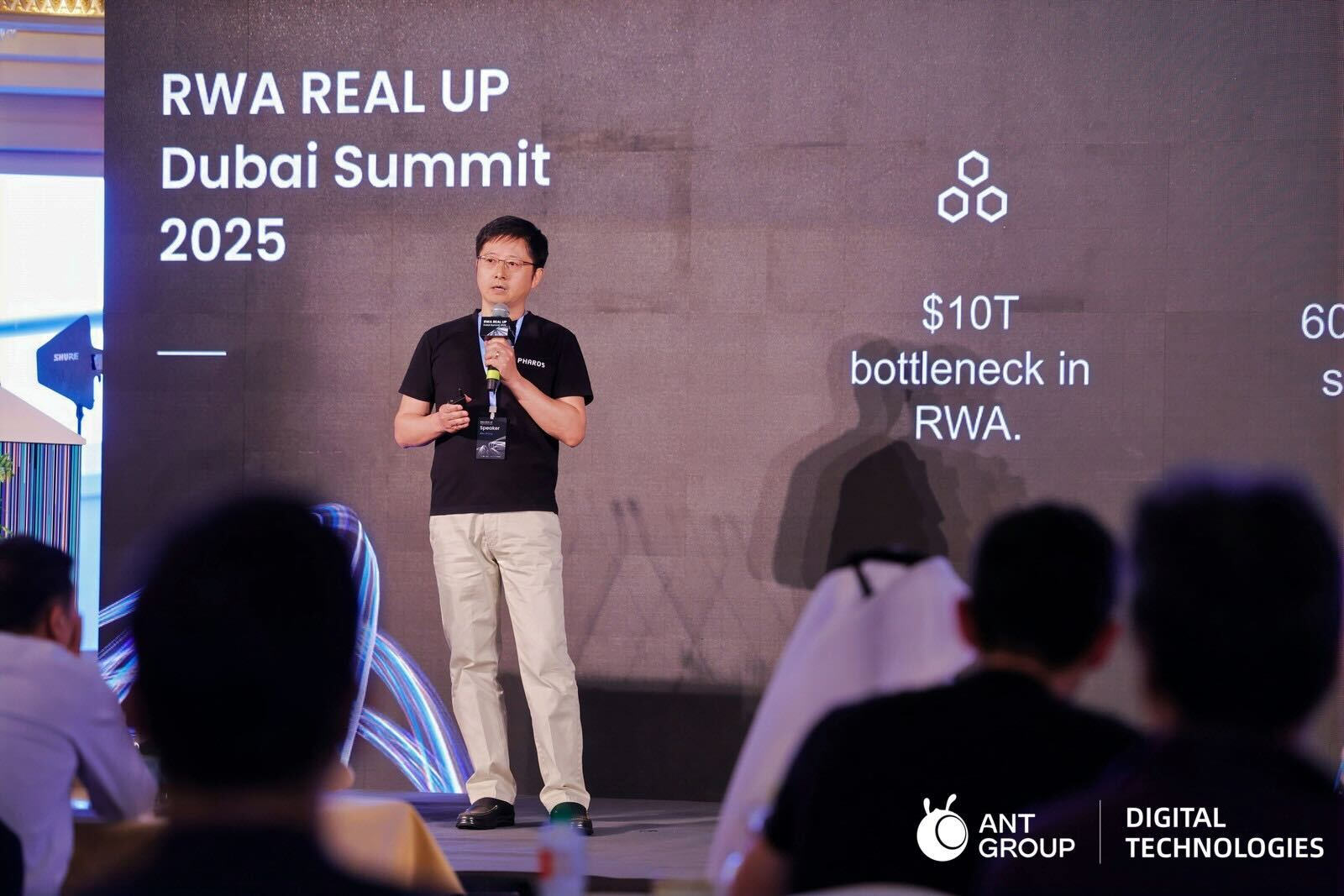
On April 30, 2025, Alex delivered a keynote speech at the RWA Real Up Dubai Summit, just two weeks before the public test network launch of Pharos
What truly made the market reevaluate Pharos was the announcement of a $44 million Series A financing on April 8, 2026. This round was co-led by several institutions from traditional technology, finance, and crypto sectors; what drew significant attention was the strategic capital collaboration with GCL-Poly Energy Holdings Limited, a Hong Kong-listed energy company, which directly drove Pharos's valuation close to the billion-dollar mark.
Pharos's investor roster includes top crypto funds like Hack VC and Faction VC, as well as traditional financial and industrial capital such as Sumitomo Corporation and Flow Traders. In Wish Wu's words, there is a core consensus among everyone: RWA is not just a short-term narrative but a long-term migration of financial infrastructure.
“Our investors have a real 'running together' relationship with us, not a 'launch and exit' relationship,” Wish Wu said.
After much deliberation and refinement, the team positioned Pharos as the infrastructure for "real-world finance on-chain + RWA tokenization + composable DeFi," and the design of the technical architecture fully followed this fundamental idea:
First is SPN (Special Processing Networks). This is the most recognizable design within Pharos’s overall architecture. Simply put, SPN is a modular, dedicated subnet layer that allows different business scenarios—such as compliant stablecoins, institutional lending, energy-related RWAs, and cross-border payments—to operate in their own independent execution environments, while sharing the security and liquidity of the Pharos mainnet. Each SPN can independently configure its own virtual machine, node access policies, compliance parameters, and even fee settlement logic. This design allows Pharos to maintain the openness of a public blockchain while providing customizable "sandboxes" for institutions across different jurisdictions and business types.
Second is the built-in zk-AML and KYC modules. This is also where Pharos differentiates itself from other RWA chains. The biggest concern for institutions has never been whether "the chain can function," but whether "on-chain activities can be compliant without exposing trade secrets." Pharos's approach uses zero-knowledge proofs to achieve "verifiable compliance identities and transaction behaviors," where on-chain actions are provable to regulators while keeping market privacy intact. The two previously mutually exclusive goals have been compressed into the same protocol layer. This is not just theoretical, but the team has "translated" the compliance experiences accumulated in the era of consortium blockchains into the intrinsic capabilities of public blockchains.
Third is sub-second deterministic consensus. The true performance bottleneck of on-chain finance has never been the TPS number itself, but deterministic finality. A repurchase agreement, a liquidation, or a settlement that requires waiting several seconds or even a minute to confirm is fundamentally unable to match the rhythm of real financial markets. Pharos employs a Pipelined BFT consensus protocol that splits the proposal, voting, and finalization of blocks into parallel pipeline stages, compressing the time for final confirmation of transactions at the mainnet level to under one second.
Lastly is the deeply parallel architecture. A single transaction in the institutional RWA scenario often involves multiple assets, accounts, and contracts making complex calls; traditional serial EVM can easily become a bottleneck under this load. Pharos retains full EVM compatibility while introducing a transaction dependency graph-based parallel execution engine: non-conflicting transactions can be settled in parallel, and different types of asset transactions can be channeled through the SPN architecture to different processing avenues. Pharos even proposed a "DP (Degree of Parallelization)" framework, categorizing blockchain parallel capabilities into six levels from DP0 to DP5, with Ethereum sitting at the lowest tier DP0, while Pharos is positioned at the highest tier DP5.
From measured data, Pharos's public test network handled nearly 4.3 billion transactions in less than a year, covering over 200 million wallet addresses, with on-chain monthly active users stabilizing between 2 million and 3 million, and block time maintained at 0.5 seconds. This data provided ample pressure-testing samples for the mainnet launch and also partially validated the stability of this architecture under high loads.
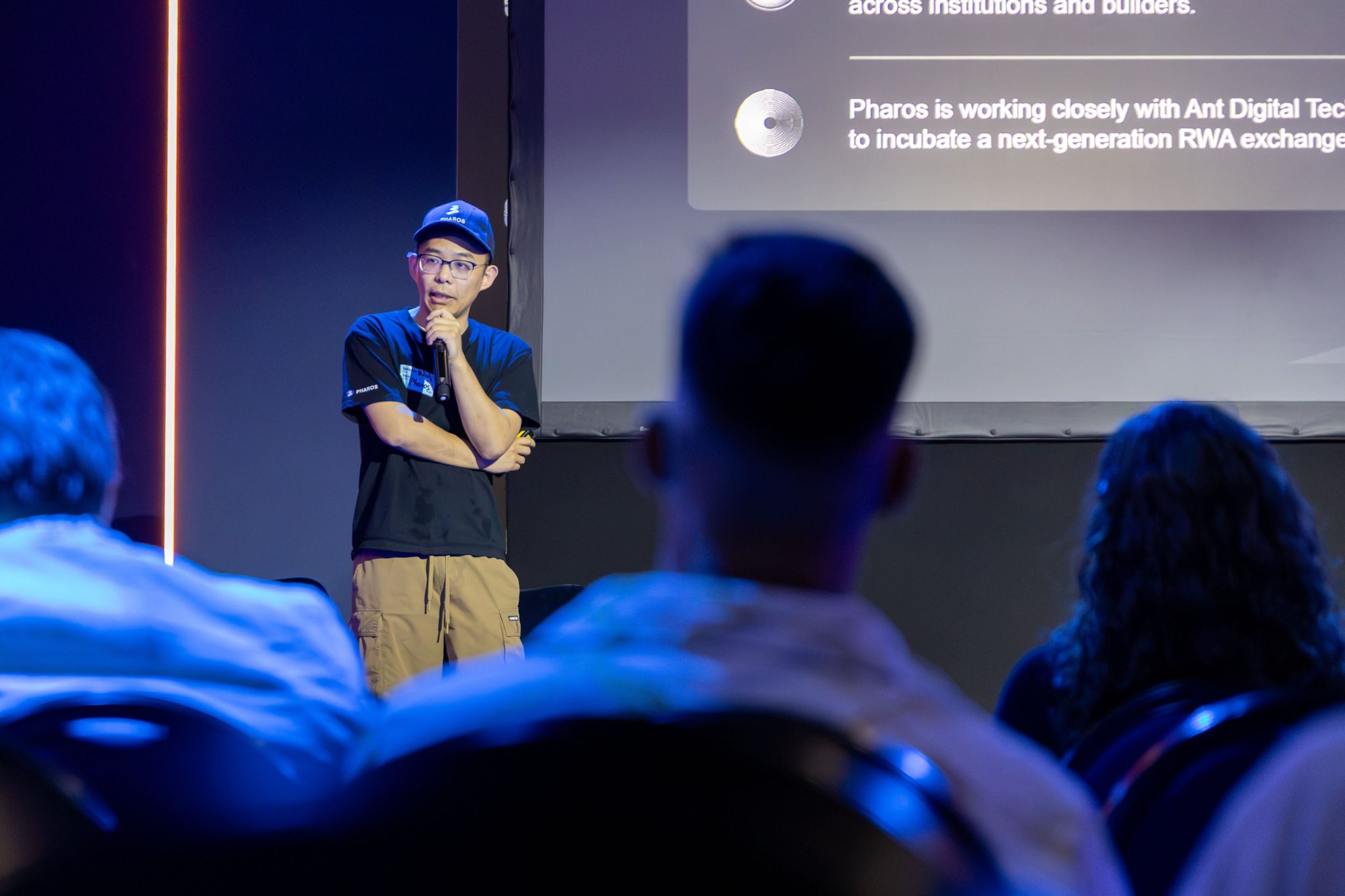
On July 1, 2025, Wish introduced Pharos to developers at EthCC Cannes, during which the Pharos test network had already launched
The Ecological Land Grab
For a public blockchain focused on RWA tokenization, design is bound to be a distinguishing aspect. Besides technology, another vital issue is the ability to attract genuine institutional clients and players. While the scale of RWA is substantial, once institutions choose a chain as their partner, as long as there are no security and efficiency issues, they are unlikely to easily "relocate."
Unlike crypto native projects that can be redeployed across multiple chains, RWA tokenization projects (like corporate bonds) do not see the need to launch again on Solana once they have chosen Ethereum. Therefore, no matter how aesthetically pleasing the technical architecture is, a public blockchain without an ecosystem and liquidity is just an empty city. The Pharos team is clearly well aware of this.
Before the mainnet launch, Pharos had already invested significant effort in ecosystem布局. In early 2026, they initiated the RealFi Alliance, with the first batch of members including key players like Chainlink, Centrifuge, LayerZero, Asseto Finance, Ember, covering oracle networks, asset issuance platforms, cross-chain protocols, institutional wallets, and risk management among others. Subsequently, the alliance introduced “intelligent partners” like Dune, Four Pillars, Anchorage Digital, and Alchemy to provide data transparency and research coverage for the entry of institutional capital.
"RWA cannot be accomplished by a single public blockchain working alone; it must be a collaborative effort involving 'assets - protocols - liquidity - channels - data'," Wish Wu explained the underlying logic of the RealFi Alliance.
On the same day that the Pacific Ocean mainnet launched, over 50 ecological DApps were simultaneously deployed, covering core sectors including asset issuance, trading, lending, derivatives, and stablecoins. The previously launched $10 million "Native to Pharos" global incubator program will provide funding, technical support, and business guidance to developers, further promoting rapid ecological development.
However, what truly reflects market confidence is the data from the high-yield RWA pre-staking activity. Before the mainnet launch, Pharos opened a total of $50 million in RWA treasury pre-staking, which was quickly oversubscribed within days, and the $10 million public round was filled in just one hour. This means that on the first day of the Pacific Ocean mainnet's birth, there were already tangible high-quality assets and ample liquidity on-chain, instead of having to start from scratch as a hollow network.
In terms of infrastructure integration, Pharos also presented a fairly complete "financial ecological stack" at the mainnet launch: Circle's USDC and cross-chain transfer protocol CCTP have been natively integrated, ensuring seamless circulation of compliant stablecoins; Chainlink provides decentralized oracle pricing and cross-chain messaging services; Morpho brings mature capital market primitives; Centrifuge introduces on-chain private credit assets; infrastructure such as OKX Wallet and TopNod syncs in, allowing millions of existing users to participate without re-registering.
As Wish Wu stated on the day of the mainnet launch: "Institutional participation, which was previously a concept, is now a reality. The momentum is there, and the capability is there too."
Differentiated Competitive Strategy
The heat of the RWA sector in 2026 needs no reiteration, but this also means cutthroat competition.
In the European and American markets, Canton Network has accrued over $340 billion in off-chain asset associations through deep ties with traditional financial giants like Goldman Sachs, Deloitte, and BNY, establishing a solid moat with its privacy-first architecture and Daml smart contract language in institutional settlement scenarios. The Ethereum ecosystem is continuously solidifying its presence in institutional RWA through flagship cases like BlackRock BUIDL and Société Générale’s tokenized bonds. Networks like Avalanche and XRP Ledger are also vying for market share through their respective subnet architectures and cross-border payment advantages.
Faced with this competitive landscape, Pharos's choice is not to engage in direct confrontations but to clearly define its differentiated ground: an institutional RWA ecosystem centered in Asia-Pacific, radiating globally.
This choice is backed by clear logic. The Asia-Pacific region has a unique asset supply structure: large-scale renewable energy assets, complex supply chain finance networks, active cross-border trade scenarios, and increasingly open regulatory policies. Hong Kong's licensing framework, Singapore's Project Guardian, and Dubai's virtual asset regulatory system all provide institutional soil for tokenized assets. Moreover, energy physical assets like photovoltaic power plants, carbon credits, and energy storage facilities are exceedingly rare in European and American chains but are large in scale with steady growth in the Asia-Pacific market, backed by real cash flow.
The strategic stake from GCL-Poly Energy is a highly representative signal. This Hong Kong-listed energy company has not only brought capital but also a massive demand for putting physical energy assets on-chain, a resource endowment that will be hard for European and American competitors to replicate in the short term.
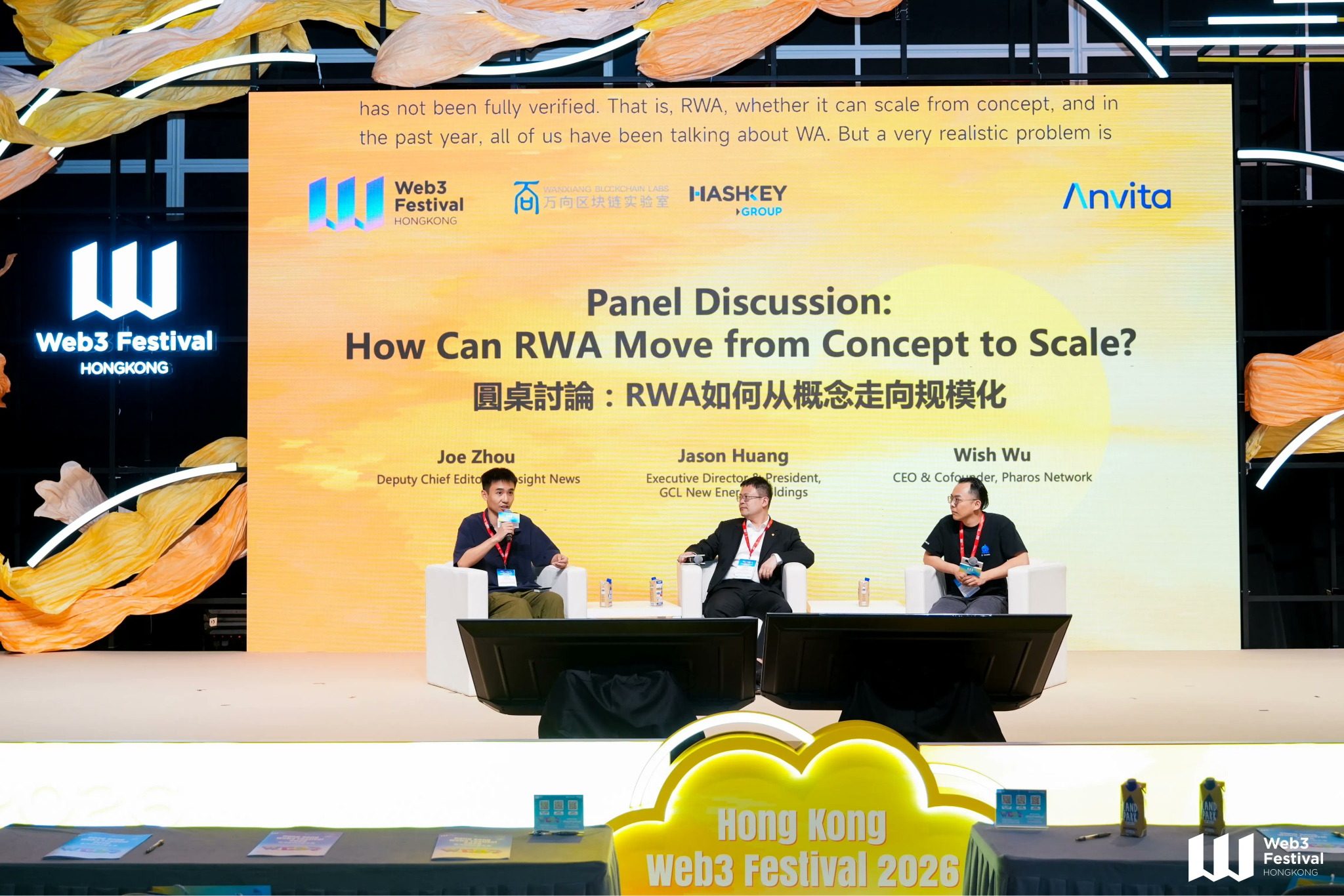
On April 24, 2026, Wish participated in a roundtable discussion at the HK Web3 Festival with Jason Huang, Executive Director & President of GCL-Poly Energy Group, and Joe Zhou, Deputy Editor of Foresight News.
In addition, another trump card for Pharos lies in the composability of DeFi and RWA. With compliance capabilities built into the protocol, real assets on Pharos can safely engage in lending, derivatives, and structured products within DeFi scenarios, unlocking financial value far beyond simple tokenization. This is something many RWA chains focused solely on asset issuance cannot achieve.
Of course, the road ahead is not without challenges. Pharos needs to continuously prove the reliability and security of its architecture in practical operations after the mainnet launch and gradually build awareness and trust in markets outside the Asia-Pacific region. After all, competition for public blockchains has never been a one-off deal, but a multi-year endurance race.
The PROS token economic model also reflects this design philosophy.
PROS has a total supply of 1 billion tokens, with 21% allocated to the ecosystem and community (of which 6% is for community airdrops), 20% each for the team and investors, 16% and 9% held by the foundation and laboratory respectively, and another 4% for node and liquidity incentives. But what stands out is the release schedule: core team and private investors adhere to a strict plan of 12 months of lock-up followed by a 36-month linear release, with some treasury and incentive distributions extending even to 48 to 60 months.
This means that for a full year after the mainnet launch, there will be no token inflows from any teams or investors unlocking their tokens into circulation. Furthermore, in terms of staking mechanisms, Pharos has set a highly unusual precondition: for the first six months after the mainnet goes live, the staking inflation rate will be 0%, with a 5% annual staking incentive introduced starting the 7th month, and thereafter dynamically adjusted based on network conditions.
This "first deflationary buffer, followed by inflationary incentives" phased design is quite contrary to the crypto industry mainstream. Most projects, in order to attract early stakers, will release high-yield inflation rates on the very first day of TGE. Pharos's choice clearly sacrifices some short-term attention economics but trades it for a healthier value discovery environment in the early stages of the mainnet launch.
In addition to conventional Gas fees, staking, and governance functions, PROS has also been designed with deeper RWA-targeted uses: as collateral for minting compliant stablecoins, obtaining priority access to specific financial primitives, and even participating in network security in the form of staking RWA. "What we want to express is simple: we hope users can grow alongside the network," Wish Wu said.
From the countercyclical rise of the Canton Network token CC, we observe that institutions are willing to pay a high cost to trade such products because prior financial infrastructure was not only inefficient but also involved numerous costly factors. However, when transactions move on-chain, even when imposing fees that are significantly higher than gas fees on single trades, this remains highly cost-effective for institutions.
This is a unique advantage of public chains in the RWA tokenization field; Canton has already navigated this logic, making Pharos an excellent subject to observe whether this logic can be replicated in markets outside the United States.
How Far Away is an Era Belonging to RealFi?
Returning to the opening question of this article. When Wish Wu and Alex Zhang left Ant Group, they faced an industry undergoing fragmentation: institutions wanted the efficiency of blockchains yet feared its transparency; entrepreneurs chased the RWA narrative, but few were willing to delve into foundational protocols; investors rallied around long-termism yet cashed out in the first month after TGE.
Two years later, Pharos has morphed from an idea in an office into an active public blockchain that has processed 4.3 billion transactions and has over 200 million addresses. The launch of the Pharos mainnet is not merely a technical milestone but a vote of confidence for the industry's values: demonstrating that the slow build, long-term lock-up, and institution-oriented public blockchain model can still work in today’s restless crypto market.
How long until the wave of RWA tokenization arrives? From a market scale perspective, on-chain assets worth $30 billion are still just a drop in the ocean compared to the hundreds of trillions in traditional finance. BlackRock's Larry Fink predicts that by 2030, tokenized assets will reach several tens of trillions, while Standard Chartered’s predictions are as high as $30 trillion. Even if these figures only materialize halfway, they will be sufficient to sustain the coexistence of multiple public blockchains at the level of Pharos.
The current RWA tokenization sector resembles AI a few years ago; industry insiders see unlimited potential, yet numerous hesitant onlookers remain. Although Pharos did not emerge at the peak of RWA tokenization, its foresight is enough for us to anticipate whether it can open a new chapter for RealFi in the Asia-Pacific region.
免责声明:本文章仅代表作者个人观点,不代表本平台的立场和观点。本文章仅供信息分享,不构成对任何人的任何投资建议。用户与作者之间的任何争议,与本平台无关。如网页中刊载的文章或图片涉及侵权,请提供相关的权利证明和身份证明发送邮件到support@aicoin.com,本平台相关工作人员将会进行核查。


