Today we officially start the journey of Aster's altcoin market. How have everyone’s results been in the secondary market recently? I've been studying the trends of meme coins in the secondary market during this time, and today I will thoroughly analyze and break it down for everyone.
Looking back at the months from April to June 2026, the operators of meme coins have had a series of manipulations and crash cases. The core strategies are quite consistent: after a high degree of control, they make a violent price surge, followed by a double kill for both longs and shorts, crashing at high positions, and as retail investors FOMO in, they harvest directly.
Let’s take RAVE as an example.
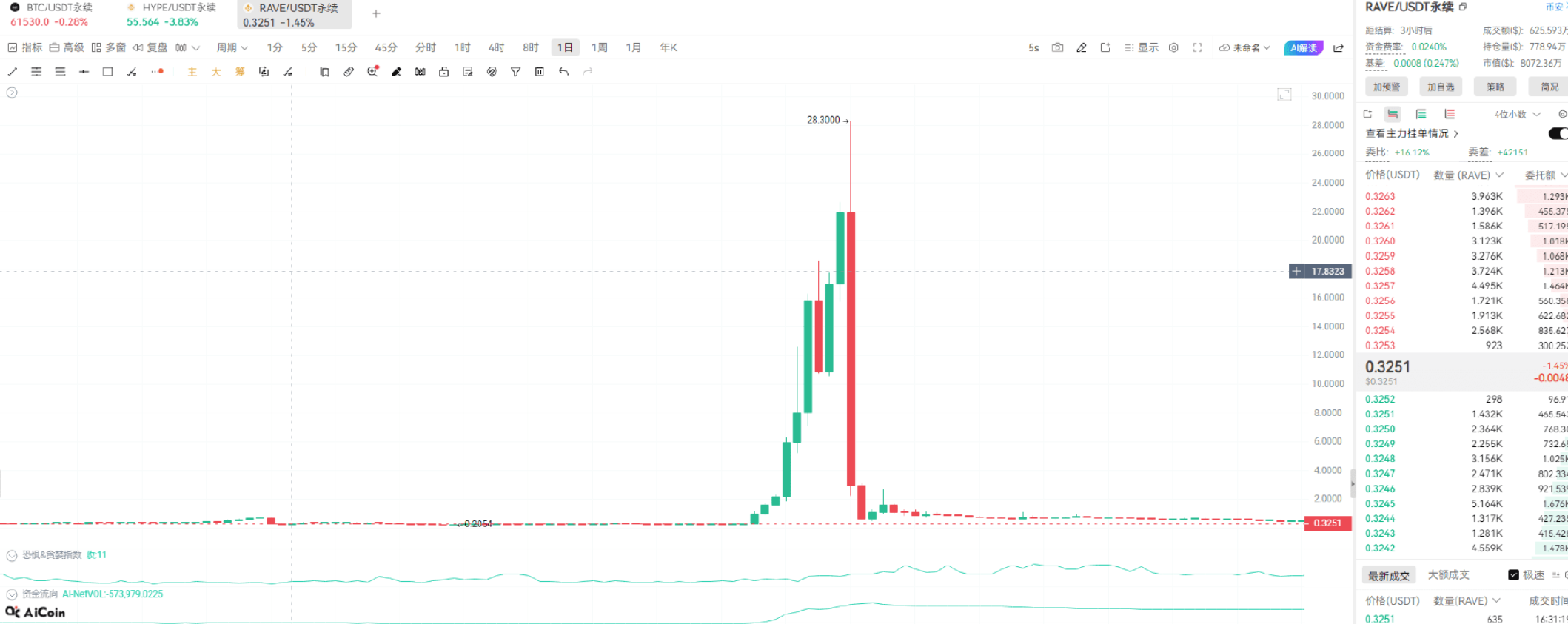
Everyone can take a look at the chart; it surged violently from $0.25 to $17-28.9, with a direct increase of over 10000%. As a result, just 24 hours later, it plummeted by 93%, with market value evaporating by over $5.7 billion, equivalent to about 13.5 billion RMB. This coin's operator had a very high degree of control, with the top ten addresses holding as much as 98% of the chips at one point. The manipulation tactics are classic: first crashing to scare off shorts, then violently surging to bust the shorts, and finally cashing out directly at high positions. Hundreds of thousands of retail investors had their holdings nearly wiped out, with total liquidations across the network exceeding $44 million, a clear "textbook-level harvesting." As I recall, this was during the BN Alpha era and it was the first coin that surged the most aggressively. 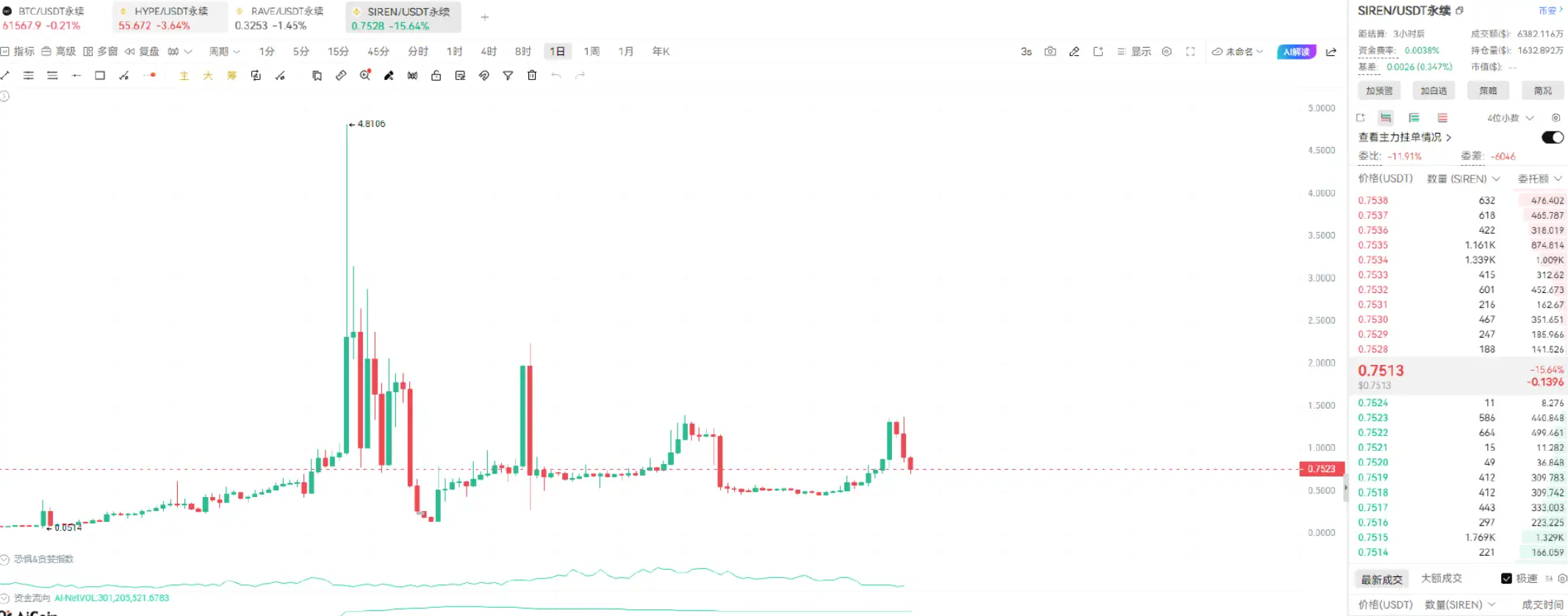 During the same period, there were quite a few similar meme coins: SIREN, leveraging high control and AI narratives, also faced a 93% crash; GENIUS saw a volatility of up to 6566% within 24 hours, followed by a rapid decline; COAI doubled briefly after being listed on Binance, then entered a correction. Their common characteristics are unified: low liquidity, whale-driven surges, and harvesting retail investors relying on information asymmetry.
In summary, the market rules are very clear: meme coins are essentially a game where operators use information asymmetry to harvest retail investors. Typically, the control rate is above 80%, bound to narratives like AI, hot events, and World Cups, and after a short-term extraction of large profits, they quickly crash.
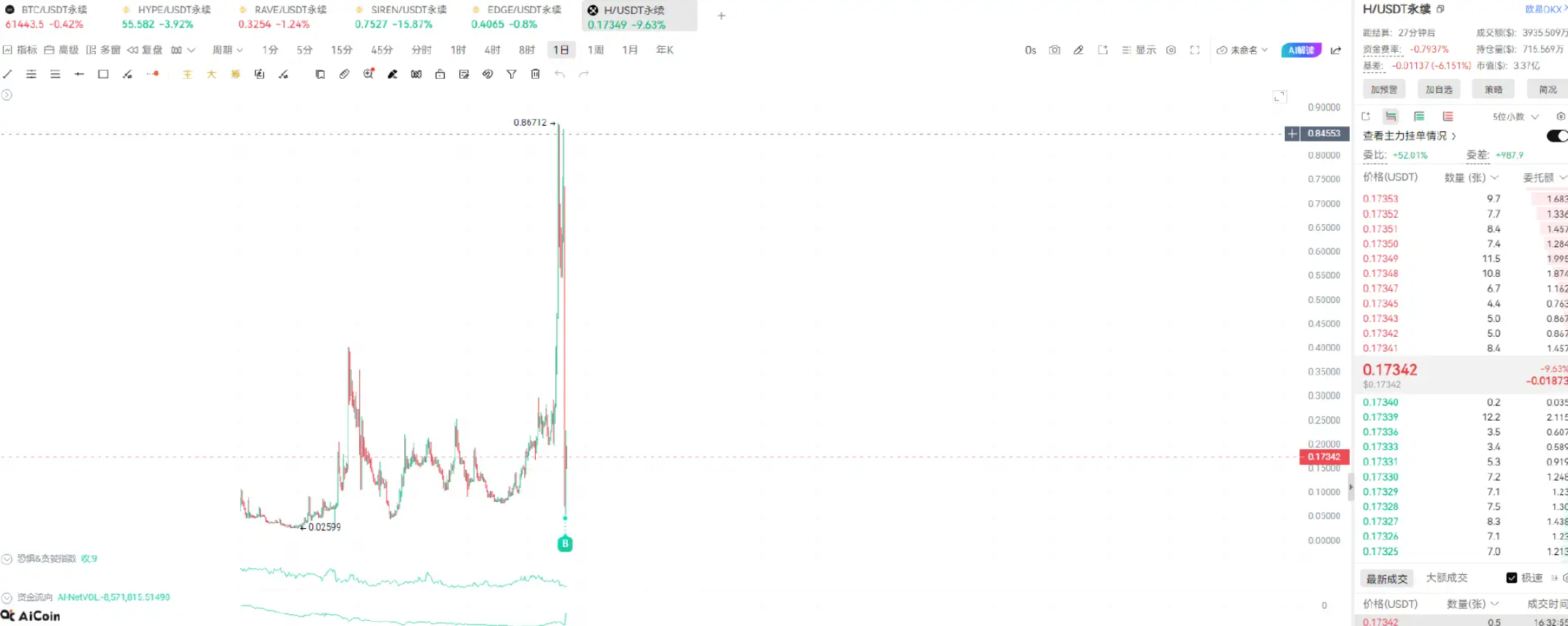
Next, let’s analyze the projects that have crashed in the past two weeks, so you can avoid the pitfalls: The first is $EDGE (Image 3), on-chain data shows this is an AI-related project on Ethereum, with a small market capitalization of about $3 million and typically low trading volume. The price dropped directly from $1.54 to $0.4, and after the project's crash, the market was directly thrown into the hands of retail investors.
The second is an on-chain project that absolutely became a market focus this Wednesday because of its crash.
The official statement was that a foundation member's private key was stolen, resulting in a security incident affecting multiple wallets, with over $10,000 in liquidity directly drained. On the same Wednesday, I saw someone showcasing and claiming to have leveraged their quota multiple times, only for the project to crash immediately after. The price flashed from around $ to $ when the drop exceeded the official statements saying a foundation member's private key leak triggered panic selling in the market. Additionally, there had previously been a controversy over the distribution of 10,000 H tokens, with reports that the founder took part of the allocation, creating a crisis of trust combined with the hacker attack, leading to a dual blow that collapsed the coin's price. Now, the retail investors in the market have learned the lesson, frequently saying, "Don’t all in on a single coin, $H is a lesson," with many referring to it as "one of the biggest crashes of 2026."
In addition, I have also been keeping an eye on another project. First, a small cap coin GUA, a meme coin on Ethereum with a NervyFrog theme, has a market cap of only $30,000 to $40,000, priced at $0.000005, promoting a slogan of "sustainable development and transparent governance." The risks of such small coins are best weighed by individuals.
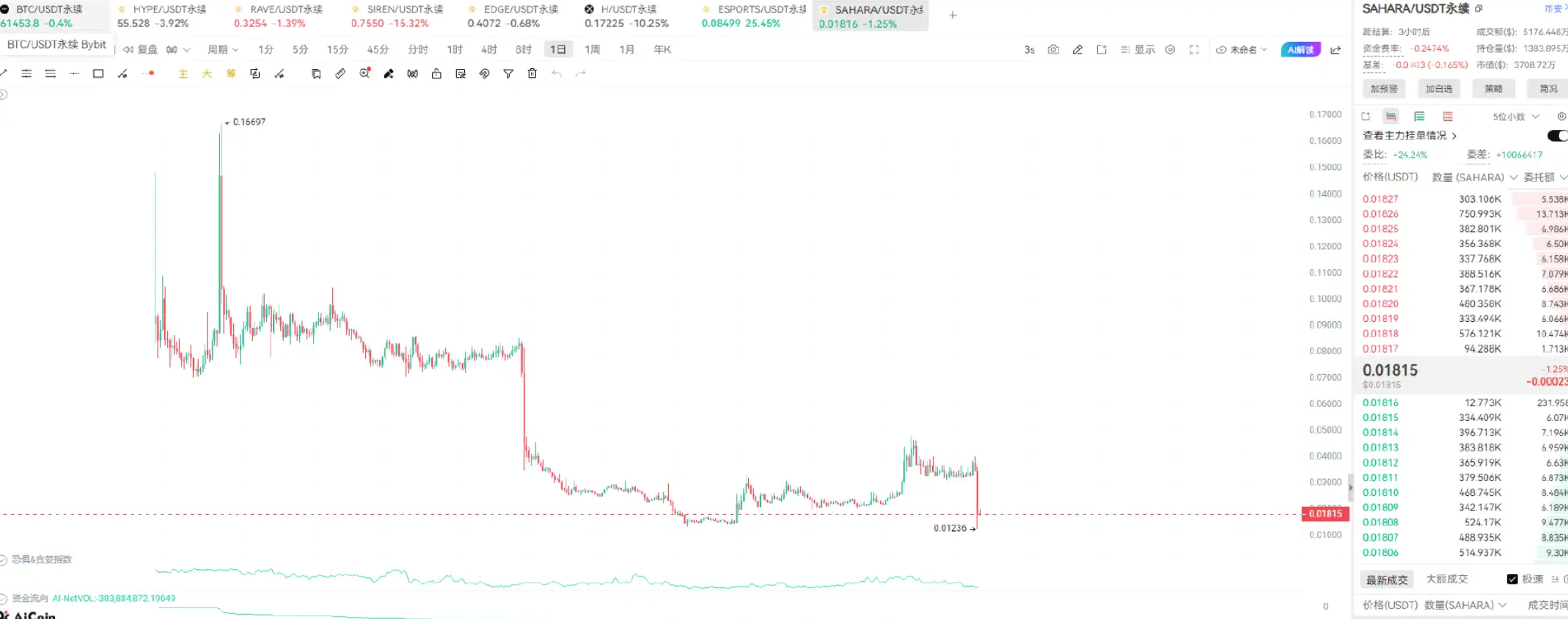
Returning to $ESPORTS, it's a project on the BSC chain. Currently, the information I’ve tracked indicates that market makers are running operations within it. This coin had already clearly crashed by the end of May: the operators and internal addresses sold off 197.8 million coins within 4 hours, accounting for 43% of circulation and extracting about 20,000 BNB, equivalent to $13.5 million (Image 6), which directly led to a price drop of 92%-93%. The project is related to Yooldo Games, with many KOLs directly denoting it as a scam that eloped with funds. Currently, the market appears to be in a phase of exchanging shares, and there isn't any major market activity for the time being.
There is another project, which has also suffered a hacker attack. Although its liquidity isn’t low, the price has already crashed from its high, likely due to issues with private keys or permissions, resulting in a large sell-off. The situation is very similar to H, both triggered by security incidents, and there are rumors in the market that Binance may clear related positions.
In short, these projects are basically consuming retail investors' principal, with some projects collecting taxes up to 20 years later. Therefore, butterfly-type coins, with a market cap under 40,000, are common, while those around hundreds of thousands should consider whether there is cooperative capital to organize them. Playing with these types of coins definitely requires looking closely at the destruction data; those that burn tokens look high in market value, but the actual circulating market value might only be a few million levels, so doing more research doesn’t hurt.
Additionally, the recent heat of the Base ecosystem is quite high, with most newly listed tokens being AI-related, and many application teams have come to issue coins. A reminder: do not engage in claiming coins within the Base ecosystem; such coins rely purely on emotional hype; when they rise, remember to take profits and exit; if you want to participate, focus on legitimate project tokens. These tokens may look intimidating in market value but often have locked positions, with actual circulating quantities being low; everyone can observe first.
Each time the ecosystem sees a development window, token prices will follow suit with opportunities. As the native currency of the BSC ecosystem, its volatility is returning. You can open BNB perpetual contracts to leverage the premium brought by this round of protocol empowerment. Both new and old users can receive a 10% cash rebate reward! Previously, our rebate ratio was 5%, but now by binding through a dedicated link, it is directly upgraded to a permanent 10% rebate. Dedicated link: https://www.asterdex.com/zh-CN/referral/9C50e2
Good news to share with everyone, the total trading volume of the AiCoin community has officially surpassed the $10 million mark! In appreciation of everyone's support, we have directly increased the welfare: from now on, all users' rebate ratios will officially increase to 10%. This is just the beginning; more exclusive “airdrop-level” benefits for both new and old users are on the way.
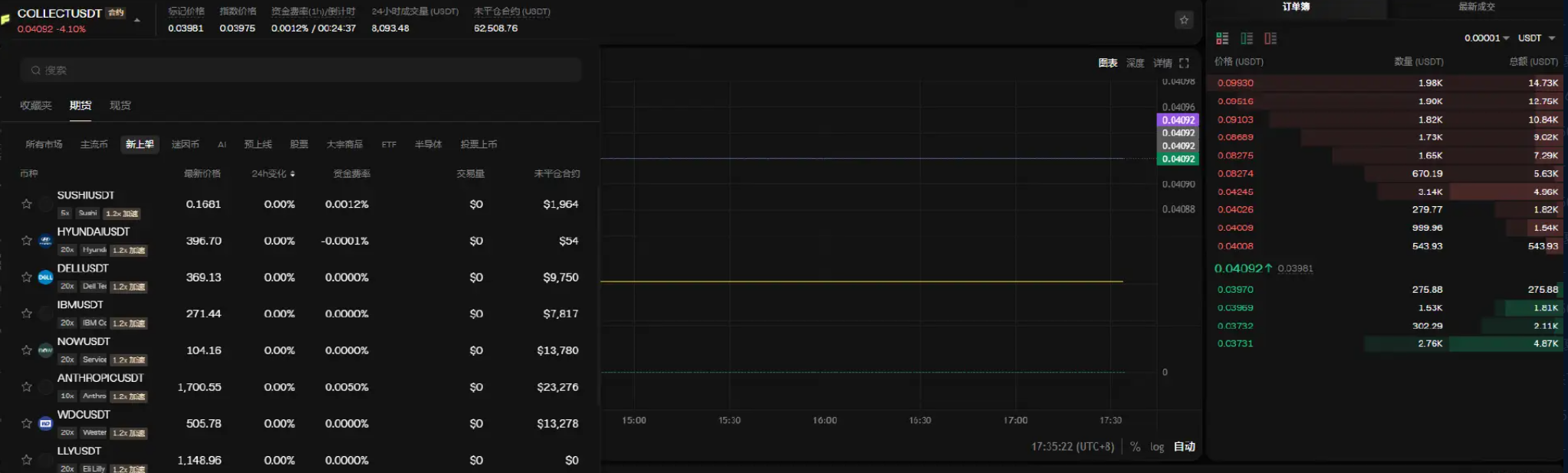
Today I will also share the latest data from the Aster platform. I compared a few competitors, and currently, Aster's performance in data is very satisfactory, and everyone should focus on total trading volume and new user growth as the two dimensions. Recently, all new coins on the platform have a 1.2x points multiplier; friends looking to take advantage of airdrops can participate. Trading any of the following tokens: , LLY, ONDS, $NVO, $DELL, NOW, ASTS, BBX, HIMS will automatically receive a 1.2x weight addition for every transaction, combined with the platform's low fee policy, it’s almost equivalent to zero cost to get 20% more points in the new season. This essentially turns $ASTER from an ordinary token into a sustainable income-producing vehicle. Season points calculation formula: trading volume × 1.2x addition (new coins exclusive)
Let everyone know how to participate: Open the official website: https://www.asterdex.com/zh-CN/referral/9C50e2, click "Connect Wallet" on the right side, and then switch the language to Chinese.
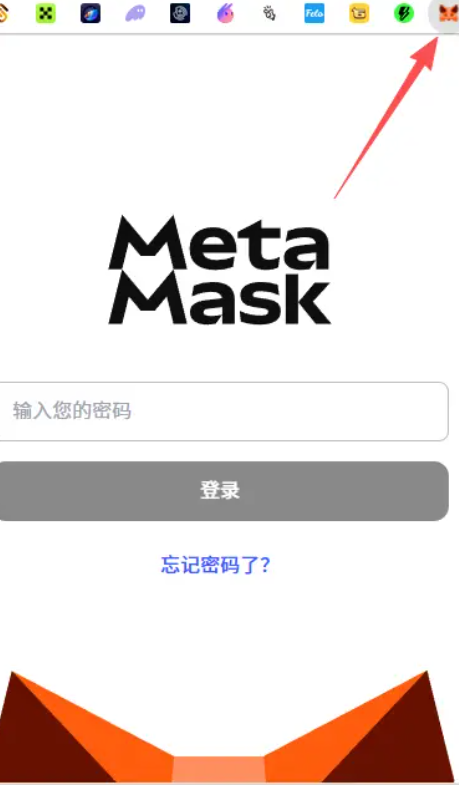
Once set up, click on the "Tokens" section on the left, and select "New Listings" to see the most recently listed coins and US stock-related investment targets. Remember that all newly listed tokens participate in the 1.2x points activity, allowing for both trading layout and points accumulation, laying the groundwork for future airdrops. 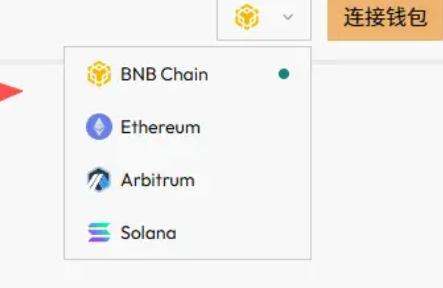
Many people are concerned about the trading experience; Aster has some slight delays in on-chain data packaging, but the exchange's market updates in real-time within seconds, making the trading experience more user-friendly. Recently, in addition to altcoins, everyone can also pay more attention to opportunities in BTC, gold, and crude oil. Aster is a multi-chain decentralized perpetual contract exchange, supporting high-leverage trades and cross-chain operations, with an overall low fee structure. Flat market conditions are quite suitable for exploring crypto derivatives; below I’ve organized a beginner's guide to registration and also discuss the platform's core advantages and promotional activities. ⚠️ A reminder: Cryptocurrency investment carries risks; please participate rationally.
Beginner’s Guide: Connect Wallet to Start Trading
Aster doesn’t require a traditional registration process; you can use it by connecting your wallet, which can be completed in a few minutes. Prepare a commonly used wallet, then visit the official website: Open the browser and enter the official site: https://www.asterdex.com/zh-CN/referral/9C50e2, click "Connect Wallet," select your wallet to complete authorization.
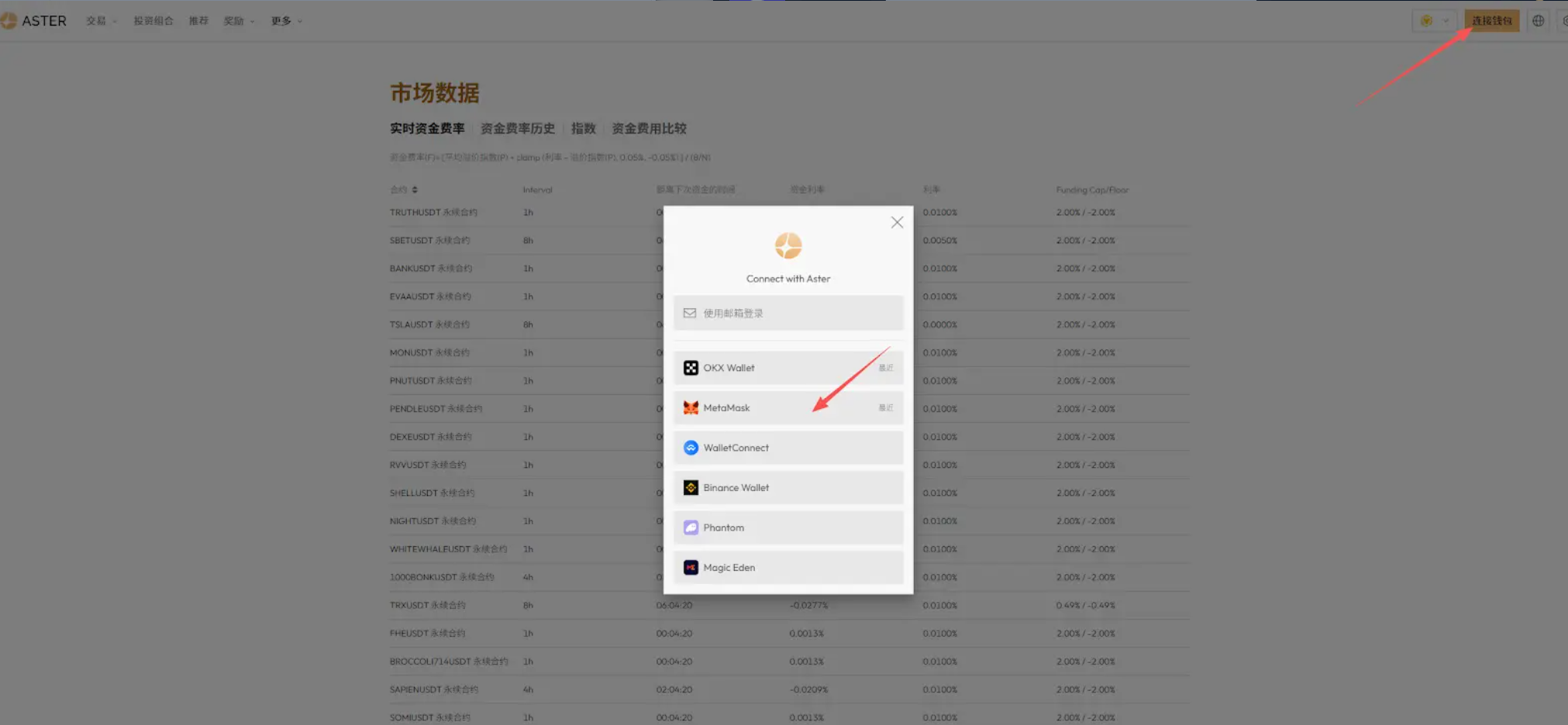
After successfully connecting for the first time, you can proceed to transfer funds, such as USDT, which can be transferred from centralized exchanges. Click on the personal center to view the balance and choose between spot or perpetual contract trading modes.
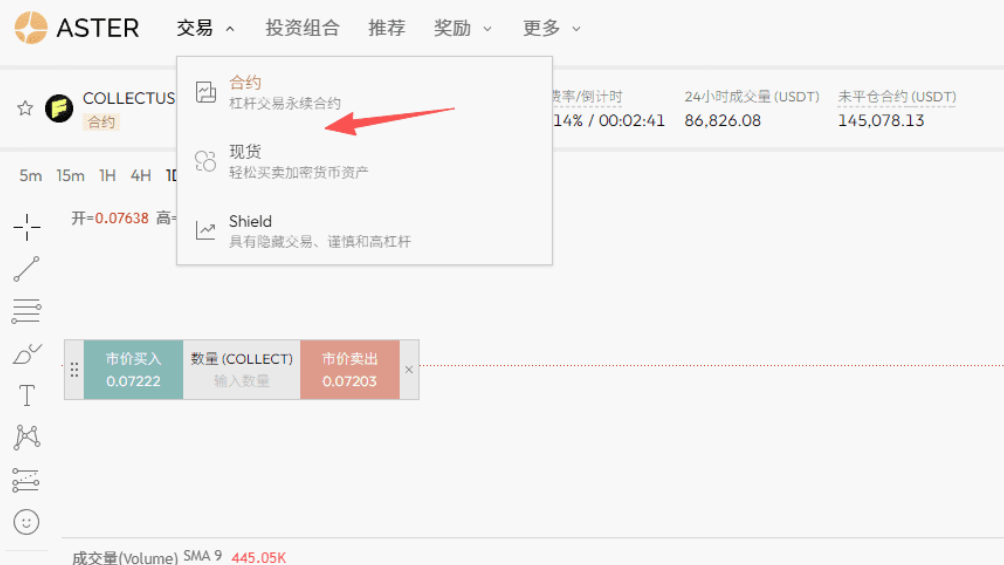
New users are advised to transfer a small amount first to test the connection, starting with low leverage to familiarize themselves with the interface and operations. The platform's perpetual contract rates are low, and combined with the financing rate mechanism, the actual trading costs are very small.
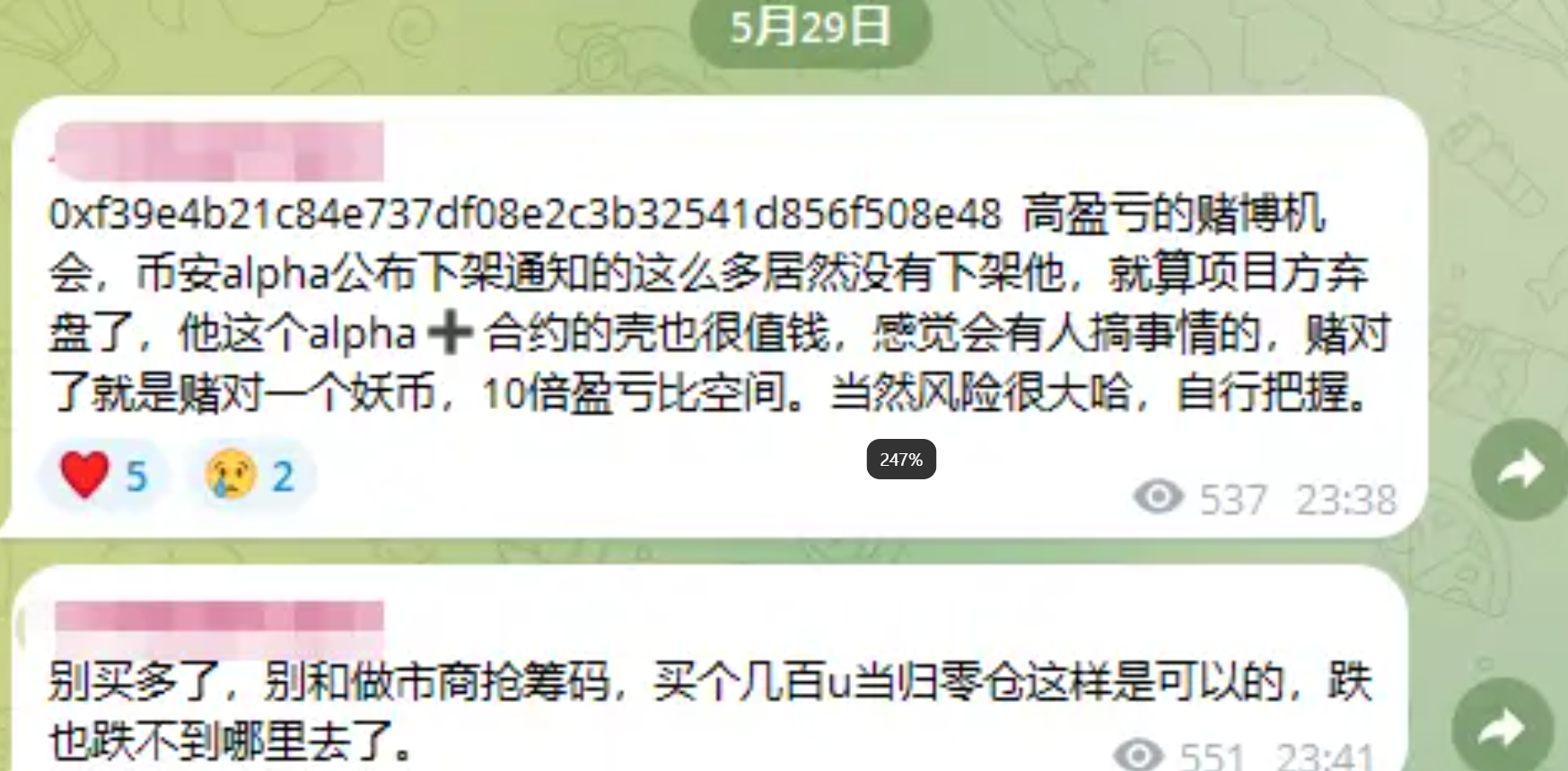
Returning to $ESPORTS, although most chips are in the hands of the project party, some trends can still be observed from the on-chain data. In the last 7 days, smart money and large investors have basically not participated, relying solely on retail investors’ strength to sustain the market, and in the face of absolute control, all technical analyses are quite pale.
To make it easier for everyone to layout new coins, Aster has launched a 30-day stablecoin fee-free swap activity:
- All exchange fees are waived: the original 0.1% exchange fee is directly eliminated. Whether exchanging USDC to USDT to buy new coins or reverse exchange to avoid risks, the cost of exchange is 0.
- Activity time: June 11, 2026, to July 10, 2026.
- Limit explanation: Individual daily limit of $100,000, platform daily cap of $500,000; for large operations, it is advisable to arrange early.
- Operation method: Enter the Swap section for one-click completion 👉 Experience 0 fee Swap now, and layout new coins: https://www.asterdex.com/zh-CN/referral/9C50e2
Finally, let’s talk about the broader direction; the Base ecosystem will continue to lead in the AI track, given its compliance advantages backed by Coinbase. Many Web2 teams that cannot secure financing can come to Base to issue coins for funding support. Of course, the Sol chain can also, but the core still relies on the strategic support of the authorities; we can wait and see. Binance is like Tencent in the internet, monopolizing most of the market's liquidity, and as long as major mistakes are not made, it can stabilize its leading position. As for the future development of the BSC ecosystem, we’ll have to take it step by step. Many KOLs are starting to transition; essentially, the risk assets in the crypto circle can no longer accommodate their capital size. This relates to the rise and fall of the community, but it’s not entirely so; like leveling up by fighting monsters, transitioning from playing with meme junk assets to application coins, secondary markets, and then laying out in US stocks is an inevitable process of upgrading capital size. Those who say the circle will die or has no innovation should be heard, but not taken too seriously; the crypto circle will only keep evolving for the better, so everyone can also explore opportunities in other tracks.
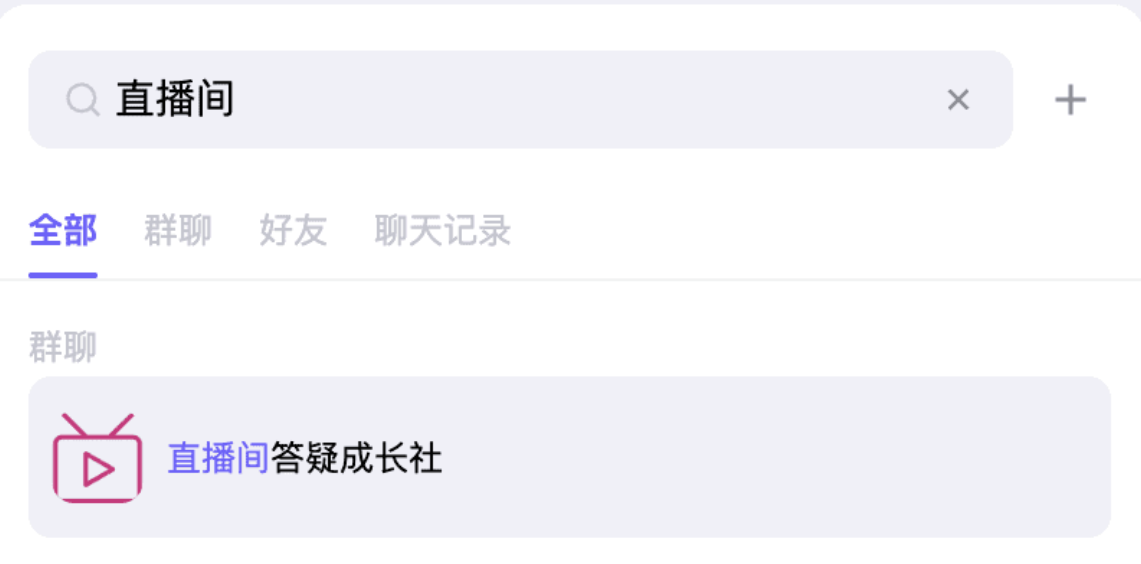
You can search for this community; I’m also in the group, making communication very convenient. If Yingying is too busy, you can also directly search for "Live Room Q&A Growth Club" to join the discussion. That's about it for today’s content; if there are other questions, we can discuss them in the group.
There are live streams from Monday to Friday, welcome to book and grow with AiCoin partners!👇
https://www.aicoin.com/zh-Hans/live/list?tab=upcoming
This article only represents the author's personal views and does not represent the position and views of this platform. This article is for informational sharing only and does not constitute any investment advice to anyone.
免责声明:本文章仅代表作者个人观点,不代表本平台的立场和观点。本文章仅供信息分享,不构成对任何人的任何投资建议。用户与作者之间的任何争议,与本平台无关。如网页中刊载的文章或图片涉及侵权,请提供相关的权利证明和身份证明发送邮件到support@aicoin.com,本平台相关工作人员将会进行核查。