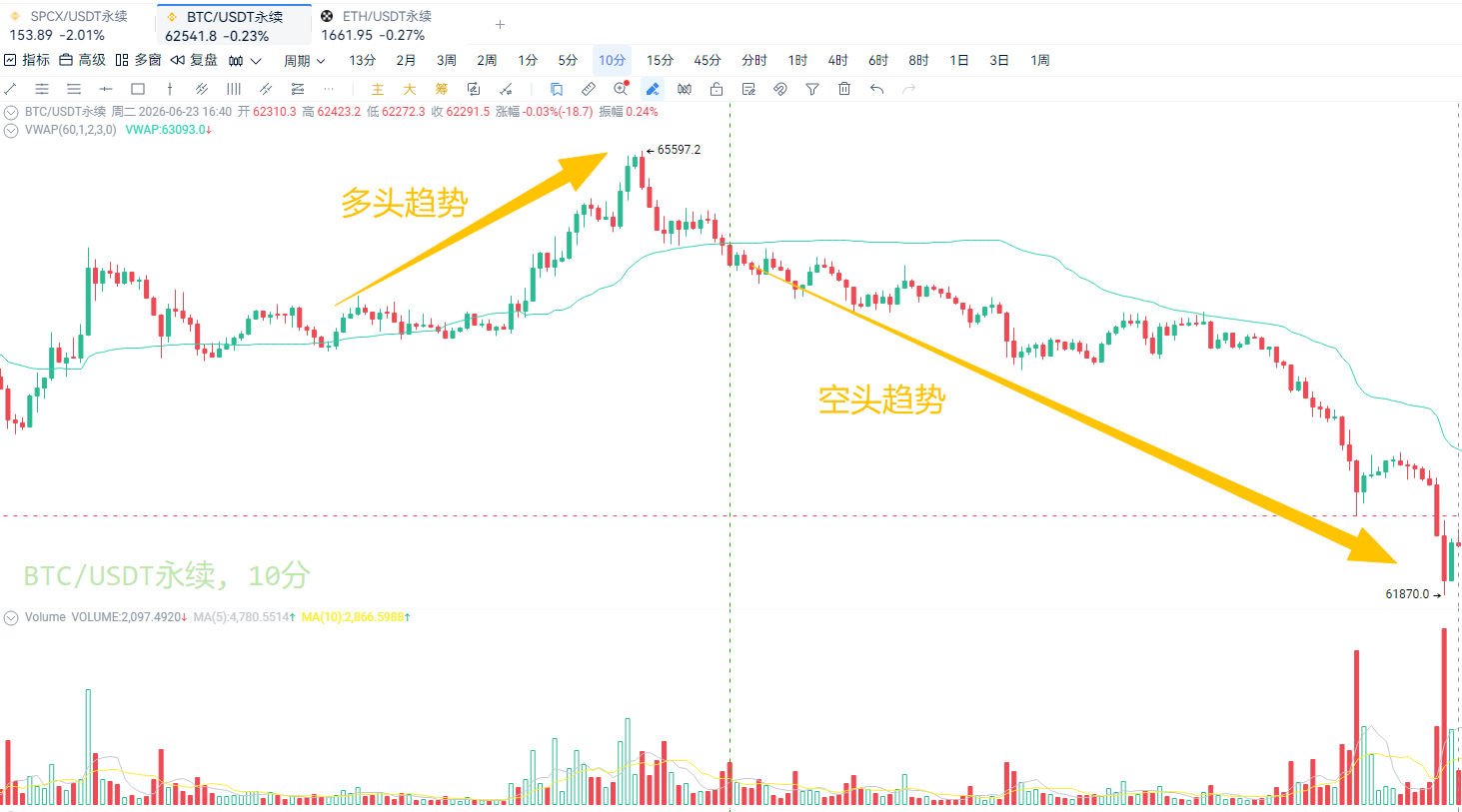
This morning BTC again broke below 59,000, and the market over the past few days has indeed been quite troublesome. I made a small profit from a short position at 59,000 two weeks ago and exited, not expecting another opportunity to get back in. Looking overall, the US stocks seem pretty strong; they usually pull back but eventually recover, but the sentiment in the crypto market is still very cold. If there is any negative news over the weekend, it is likely to probe lower again, not to mention there is an important hearing on July 17, and a major market move is yet to come.
Before officially discussing the market, I want to let everyone know that friends who want to trade together can register for Aster first; the targets we talk about later can all be operated on there. Official entry: https://www.asterdex.com/zh-CN/referral/9C50e2 invitation code 9C50e2, register to receive exclusive benefits for new users.
BTC breaks below 60,000, not simple retail panic
Many people think this wave of decline is due to a retail panic sell-off, however, it is not the case at all. This is the inevitable result after a structural deterioration of capital flow on-chain over the past few weeks, a complex game involving institutional distribution, sovereign wallet cash-outs, corporate finance battles, and deleveraging intertwined.
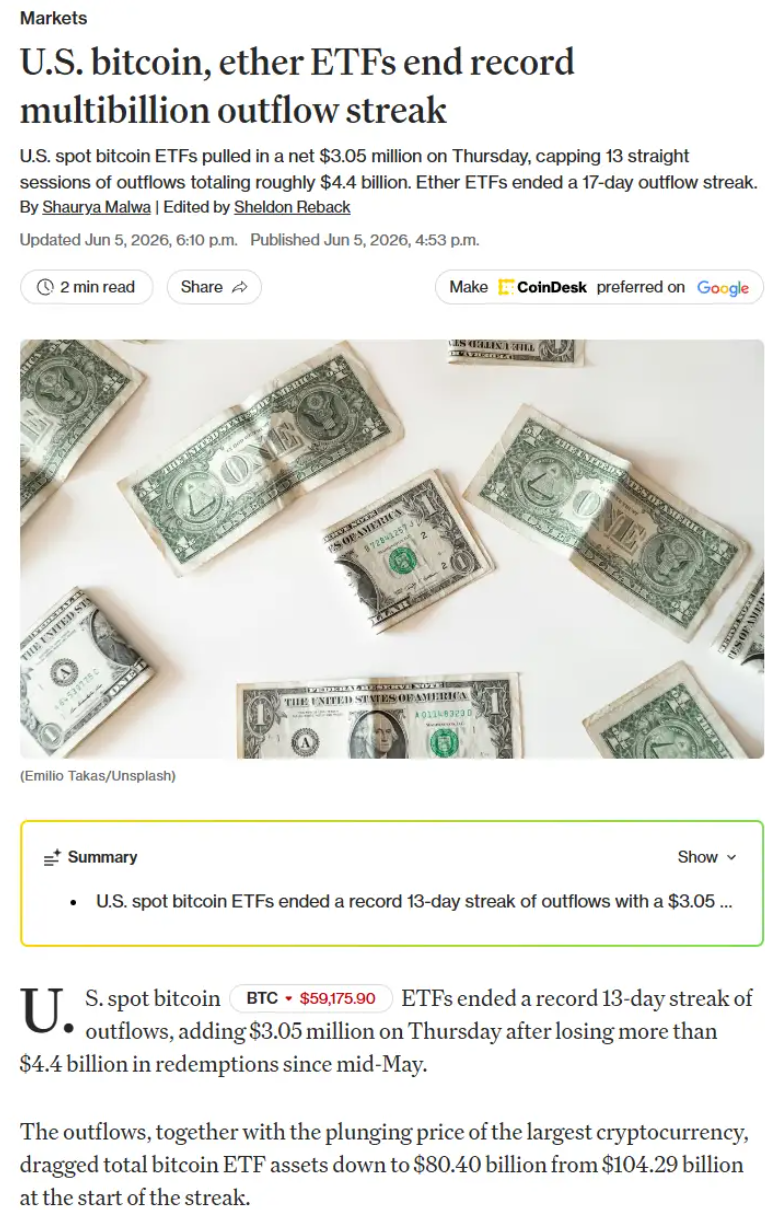
The most direct pressure comes from the continuous outflow of compliant funds from the US, compounded by worldwide spot supply being released. Over the past five weeks, Bitcoin spot ETFs have cumulatively seen outflows of nearly 7 billion USD, and the 30-day metric shows 6.35 billion, with reports indicating that June saw outflows nearing 8 billion. Take June 23 for example, BlackRock's IBIT redeemed about 1,000 BTC in a single day. Here it is important to clarify that it is not that BlackRock is actively bearish, but rather that after the redemption mechanism was triggered in the spot ETFs, the custodian had to sell corresponding BTC in the spot market, which created institutional-level selling pressure. MicroStrategy’s stock also suffered heavily, and the correlation between the two is very strong, so everyone should pay close attention.
Another telling indicator is the Coinbase premium, which has been negative for 44 consecutive days since May 19, with the latest reading around -0.1089%, setting a historic negative record. This reflects a strong risk-averse sentiment among US compliant funds and institutional investors, with continued outflows, while spot prices remain discounted compared to other global markets. Historically, after prolonged periods of negative premiums, there are often considerable short-term downward pressures. 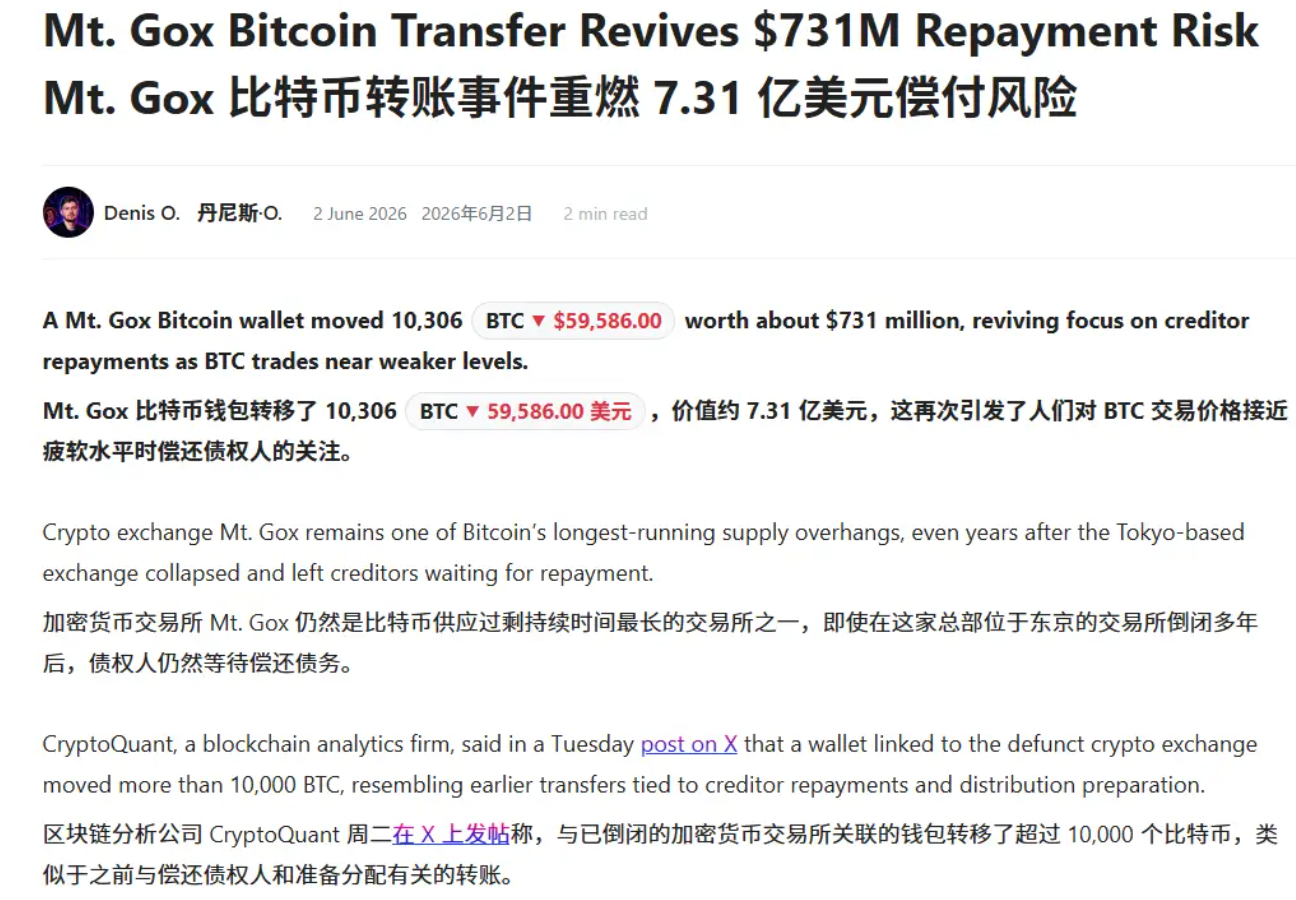
The pressure from the supply side is not limited to the ETFs. In early June, large transactions of over 10,000 BTC appeared on the Mt.Gox chain, equivalent to about 730 million USD, preparing for final repayments by the end of October. Currently, around 35,000 BTC are awaiting distribution, posing a long-term potential selling pressure. In addition, the German government wallet and early holders have also been selling continuously, further worsening the supply side structure.
Interestingly, despite such large selling pressure, the market did not experience extreme panic sell-offs; the core reason is that corporate finances are picking up shares against the trend. Long-term holders like MicroStrategy are aggressively accumulating during the drop; during the week of massive ETF outflows, corporate finances net bought 2,398 BTC with no sales at all. They are constantly accumulating chips, essentially hedging against the passive selling pressure caused by the ETFs, which is the core support keeping the market from collapsing despite the downturn.
Risks have not fully cleared, potential catalysts in July
From both a technical and funding perspective, risks have not fully released, and the market still has hidden dangers of further deleveraging. Since May, the total reserves of stablecoins on exchanges have been declining, indicating a lack of 'dry powder' and generally weak buying support. During the sharp declines, the funding rates for perpetual contracts of BTC and ETH even turned negative, but the total open interest still remains high relative to spot trading volume, indicating that bulls have not capitulated completely. This is a typical signal of "needing further deleveraging after liquidations," making secondary declines likely. Additionally, many projects face concentrated large unlocks in July, which will add more selling pressure to an already fragile market. 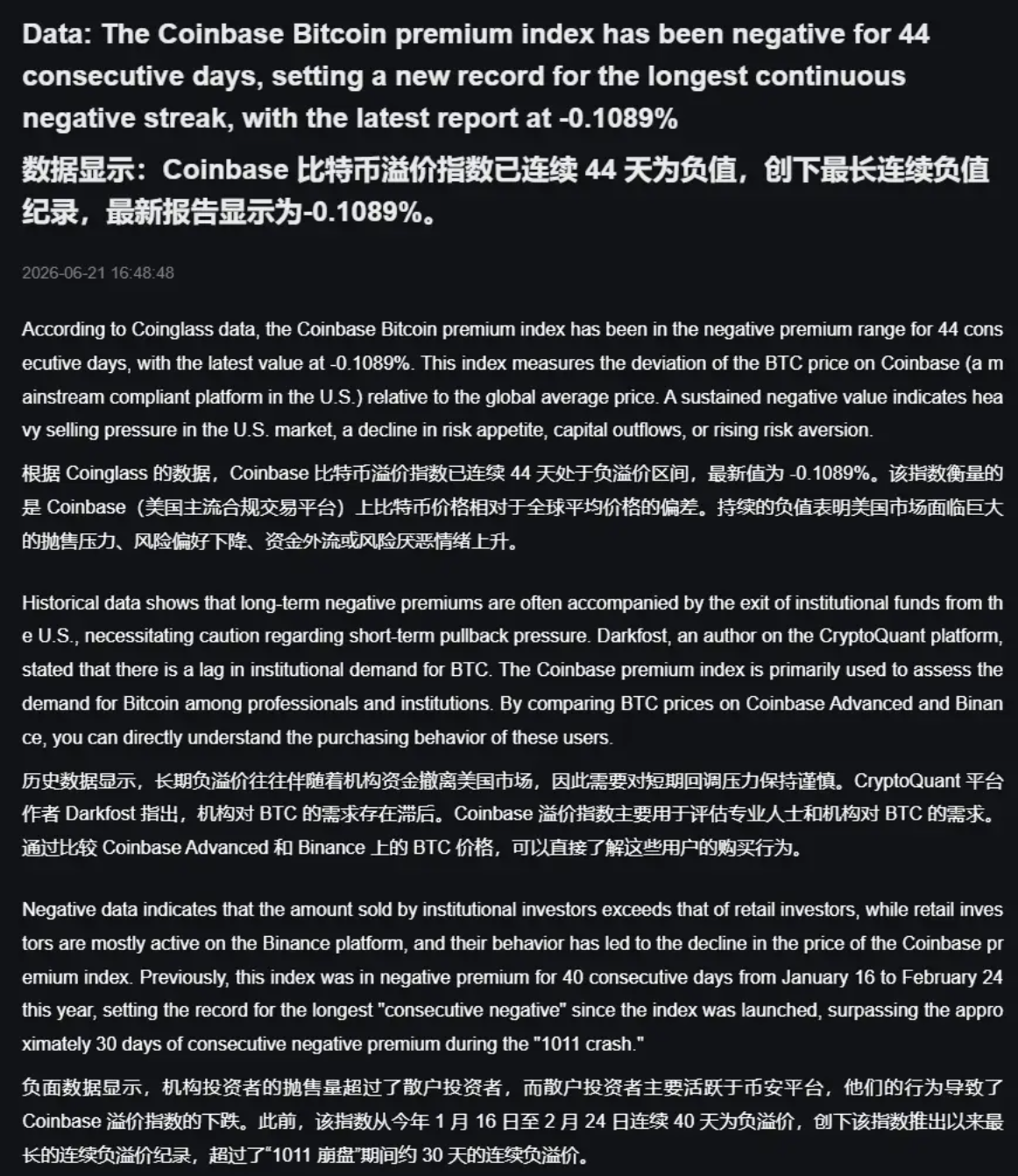
Of course, it's not all bad news; the most crucial catalyst in the second half of the year is regulatory progress. The highly anticipated CLARITY Act for digital asset markets passed the House last July 17, and is now advancing in the Senate, with a major hearing scheduled for July 17. If the bill can make substantial progress, it can clearly delineate the jurisdiction between the SEC and CFTC, and even relax banks' restrictions on cryptocurrency custody. Once regulatory clarity is established, it will inject significant compliant buying power into the market, which is the most awaited positive development in the second half of the year. 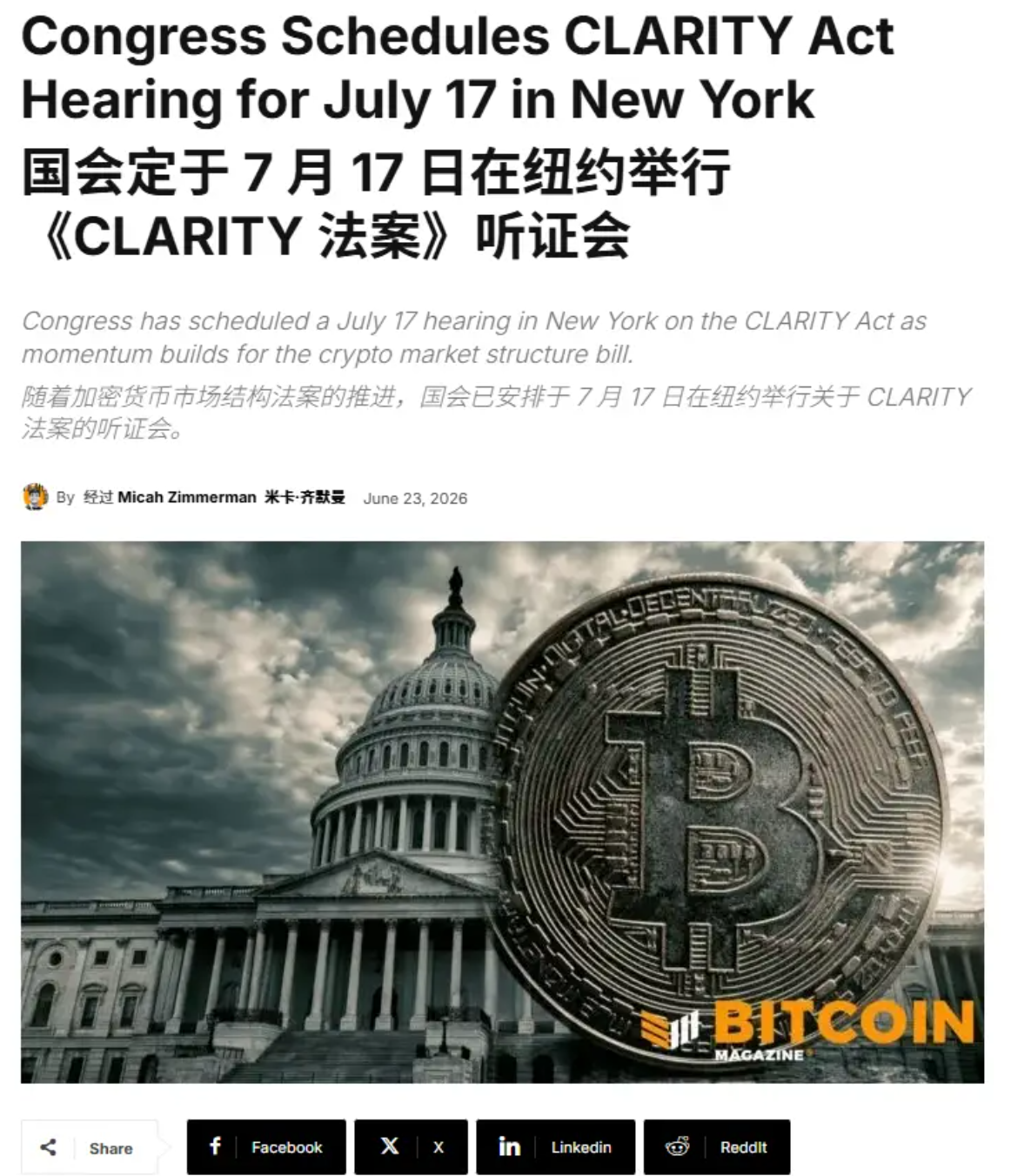
Generally, from 3 to 5 am is the time when major holders operate most densely, and I personally also tend to watch the market at dawn and in the morning, so everyone can pay attention to this period for unusual movements.
How will the market move forward? Keep an eye on these signals
Currently, BTC is oscillating around 60,000, exactly at the lower support of this round of ETF outflow period. The next steps involve two scenarios. If there is no improvement in on-chain data in the short term and it cannot withstand the unlocking selling pressure in early July, if the current support level breaks, the price will quickly test the previous accumulation zone between 58,000 and 60,000, which currently seems more probable. If the current range can hold, combined with corporate finances continuing to accumulate, the Federal Reserve's policies or a global warming of risk appetite, alongside any positive developments in regulation around mid-July, the market could open a new round of re-accumulation at this position.
As for now, the overall on-chain data is still somewhat bearish, and the risk of blindly bottom-fishing is very high. The most pragmatic approach is to be patient and not rush into heavy positions; wait for several clear reversal signals to emerge. For instance, if the daily fund outflow of ETFs significantly slows down, or even turns into a net inflow for several consecutive days; if the Coinbase premium turns positive, indicating that US institutions are re-entering; if the reserves of stablecoins on exchanges stop declining and start showing net inflows; or if there is a massive panic sell-off from completely desperate bulls, these signals would indicate a more suitable time to enter. My recent observation is that various crypto groups have become quite quiet, those shouting for 100,000 have also gone silent, and many KOLs calling trades must have suffered losses themselves.
Opportunities and pitfalls in altcoins
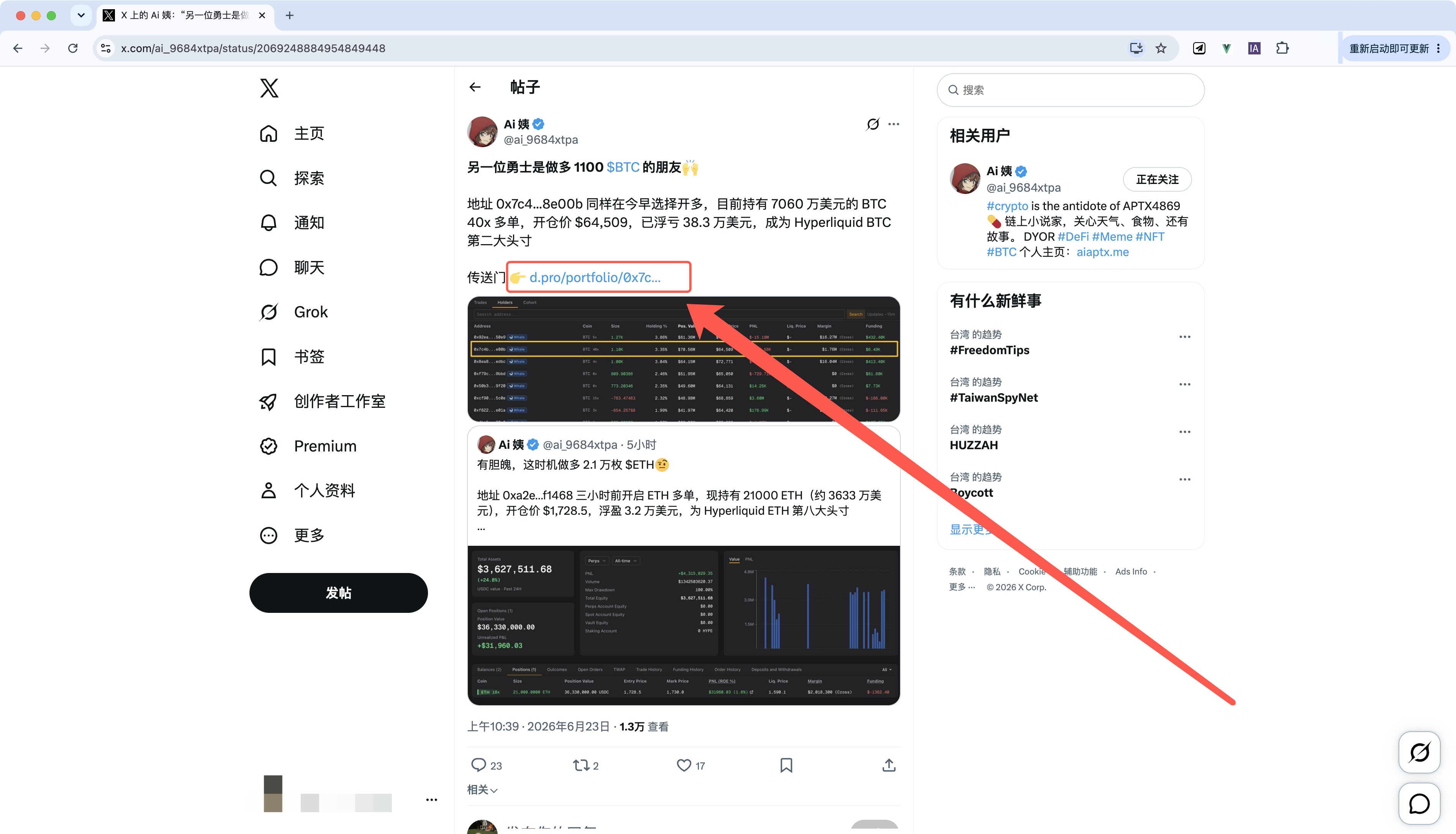
Over the past two weeks, the altcoin market has been much more exciting than the broader market, with the most typical case being token M, which plummeted from a high near 4.8 USD directly down to around 0.5 USD, with a decline exceeding 70%. This does not seem like a typical big holder dump, but rather a chain reaction caused by project parties or market makers withdrawing their investments. Its valuation was previously inflated but the actual circulating chips and liquidity were not matched at all. Once market sentiment turned, prices quickly reverted, and as of now, there have not been reports of hacking or major issues from the officials; essentially, it was big funds dumping that caused retail panic.
However, there is no need to be overly pessimistic, as many opportunities for stepping in still exist. Among the altcoins I have been monitoring recently, M, BEAT, SLX, and LAB are relatively strong, and their candlestick patterns are more independent. The recently launched RE and ARX have essentially run their course and do not offer much observation value in the short term. After RWA's concept gained traction, the strategies have changed significantly. Looking at dimensions such as news flow, on-chain data, and whale movements together will provide much clearer insights. Tokens like memecoins typically consist of small addresses with dispersed holdings, with a large number of related addresses cooperating with market makers, and later on, I can dedicate an article specifically to explaining how to identify the chips of small addresses and spot opportunities in memecoins; that will be a more advanced approach to engaging with on-chain activities.
Aster benefit upgrade, step-by-step guide for beginners
After discussing the market, I want to share a concrete benefit. Previously, our commission rebate was 5%, and this time, as the AiCoin community's trading volume officially exceeded 10 million USD, we are enhancing the rebate rate to 10% as a way to give back to everyone. There are more exclusive airdrop-level benefits for new and old users on the way. Binding entrance: https://www.asterdex.com/zh-CN/referral/9C50e2 Binding through this link will automatically enjoy a 10% cash rebate, and this is just the first wave of benefits. 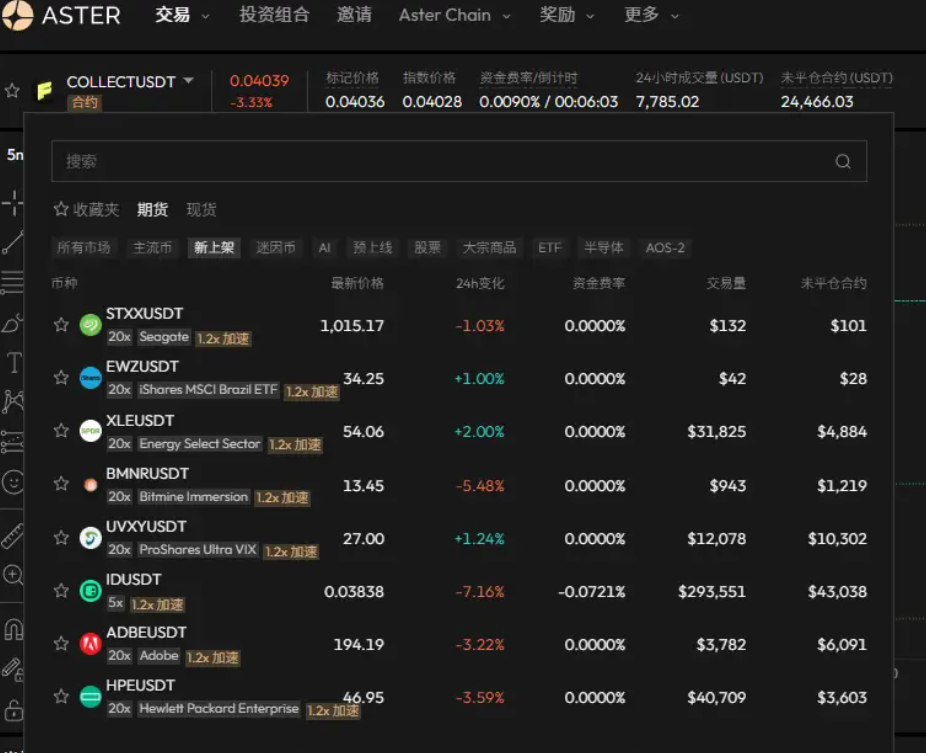
Recently, all new coins on the platform have a 1.2 times point bonus, and friends looking to earn airdrops can focus on participating. Seasonal points are calculated based on trading volume multiplied by the 1.2 times exclusive bonus for new coins. Targets like ADBE, HPE, and BMNR with 20x leverage, as well as ID and SYN with 5x, allow automatic participation for any trades for added weight. Coupled with the platform's low fee policy, it is almost possible to gain an additional 20% in seasonal points at zero cost. Essentially, where there are fish, we go fish; it follows the same logic as when there is market activity we trade, and when there is none, we play in the US stock market. The operation is also very simple—once you enter the official website, click on the wallet connection on the right, switch the interface to Chinese, and then click on the token options on the left to select newly listed ones; all these newly launched targets participate in activities, allowing for both trading opportunities for profit margins and point accumulation for future airdrops—two birds with one stone. 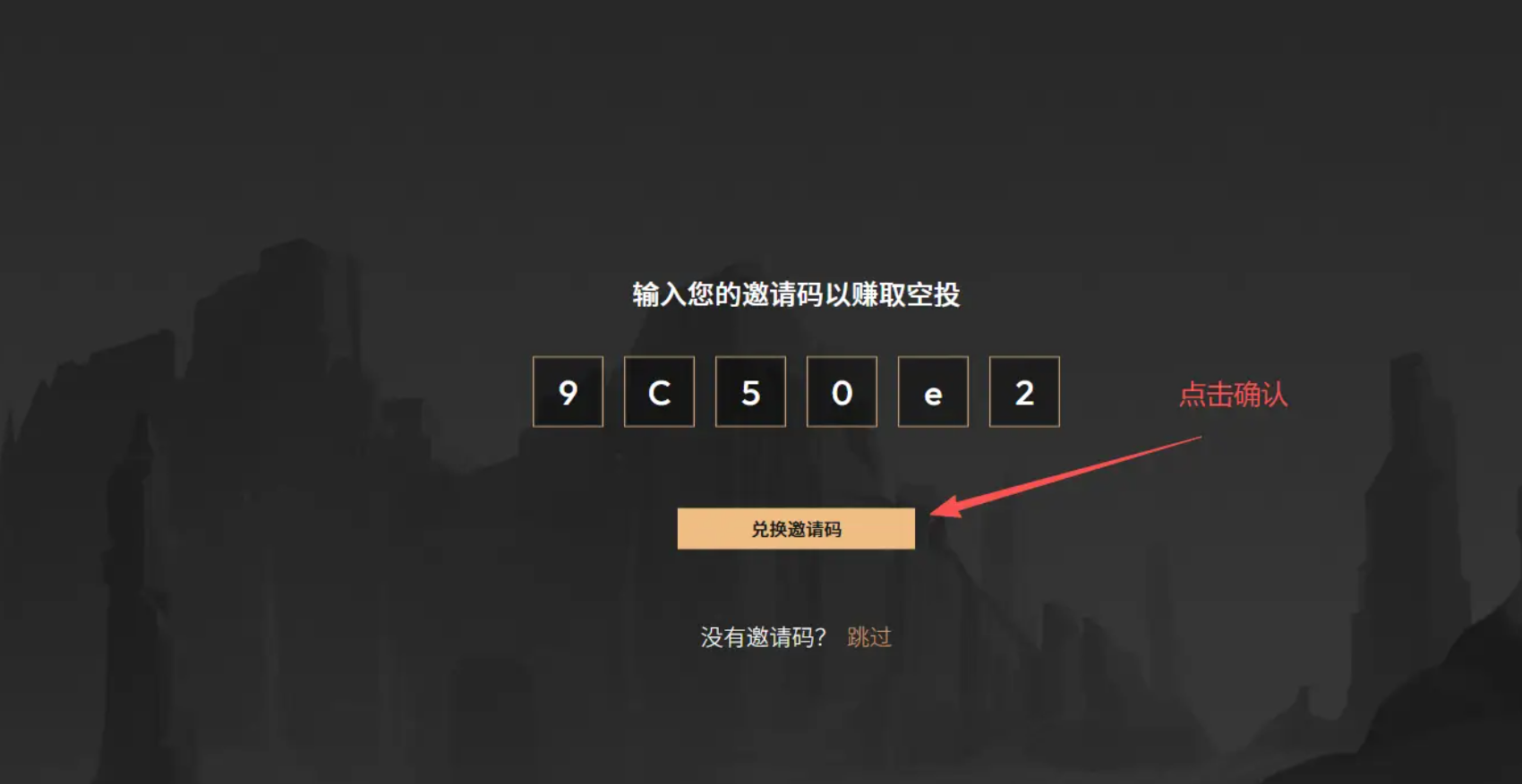
Many new friends might still be unsure how to register, so I will clarify the entry steps. Aster is a multi-chain decentralized perpetual contract exchange that does not require traditional account registration; you can simply use your wallet to get started within minutes. First, prepare a multi-chain wallet like MetaMask or WalletConnect, add Aster-supported networks like BNB Chain or Ethereum. 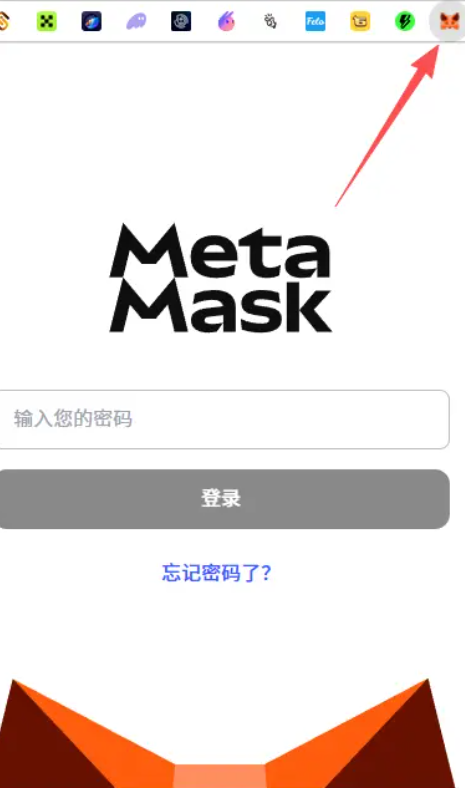
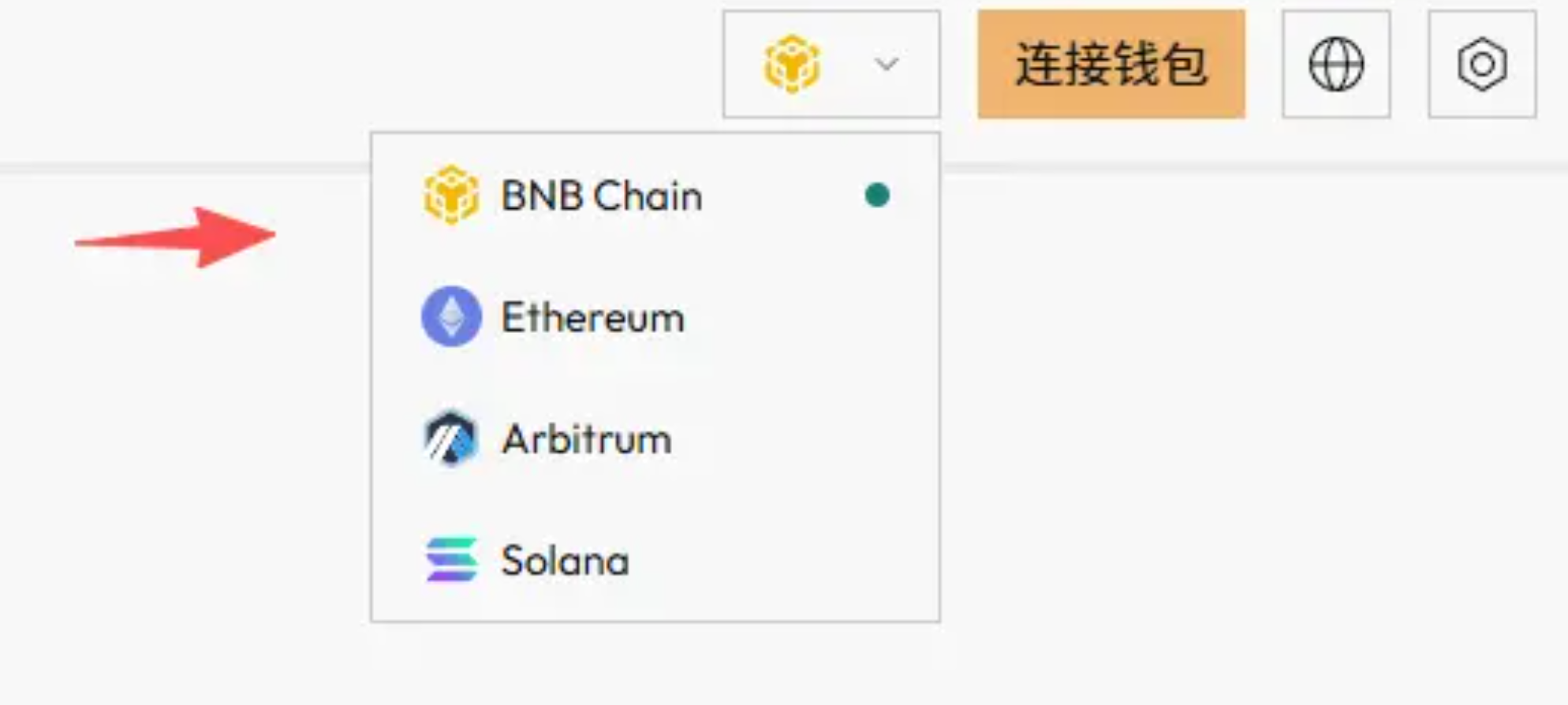 Then open the official website, click Connect Wallet, and select your wallet to authorize the connection.
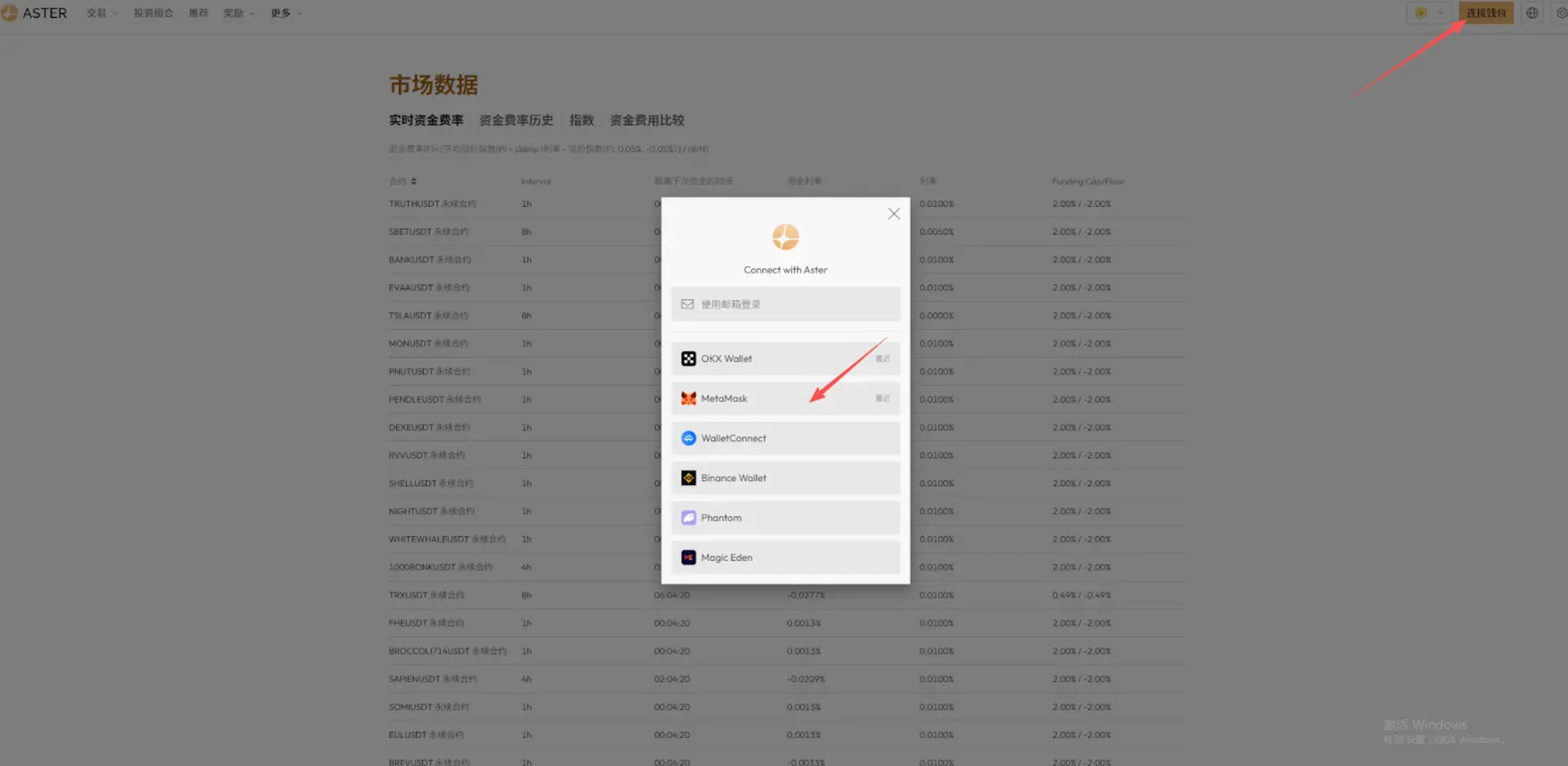 After successfully connecting for the first time, you can transfer some USDT from a centralized exchange to get familiar with the dashboard, checking both spot and perpetual trading modes.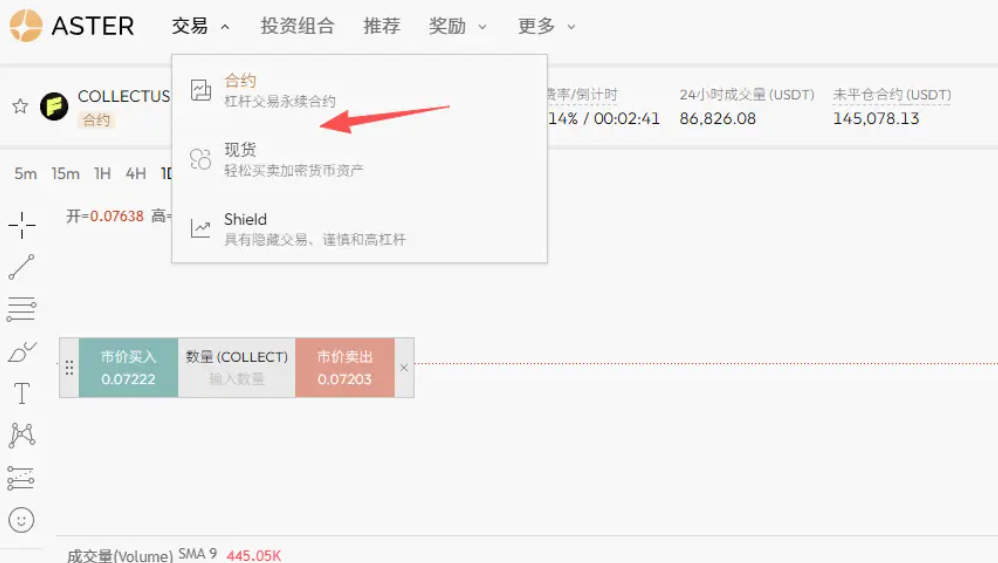
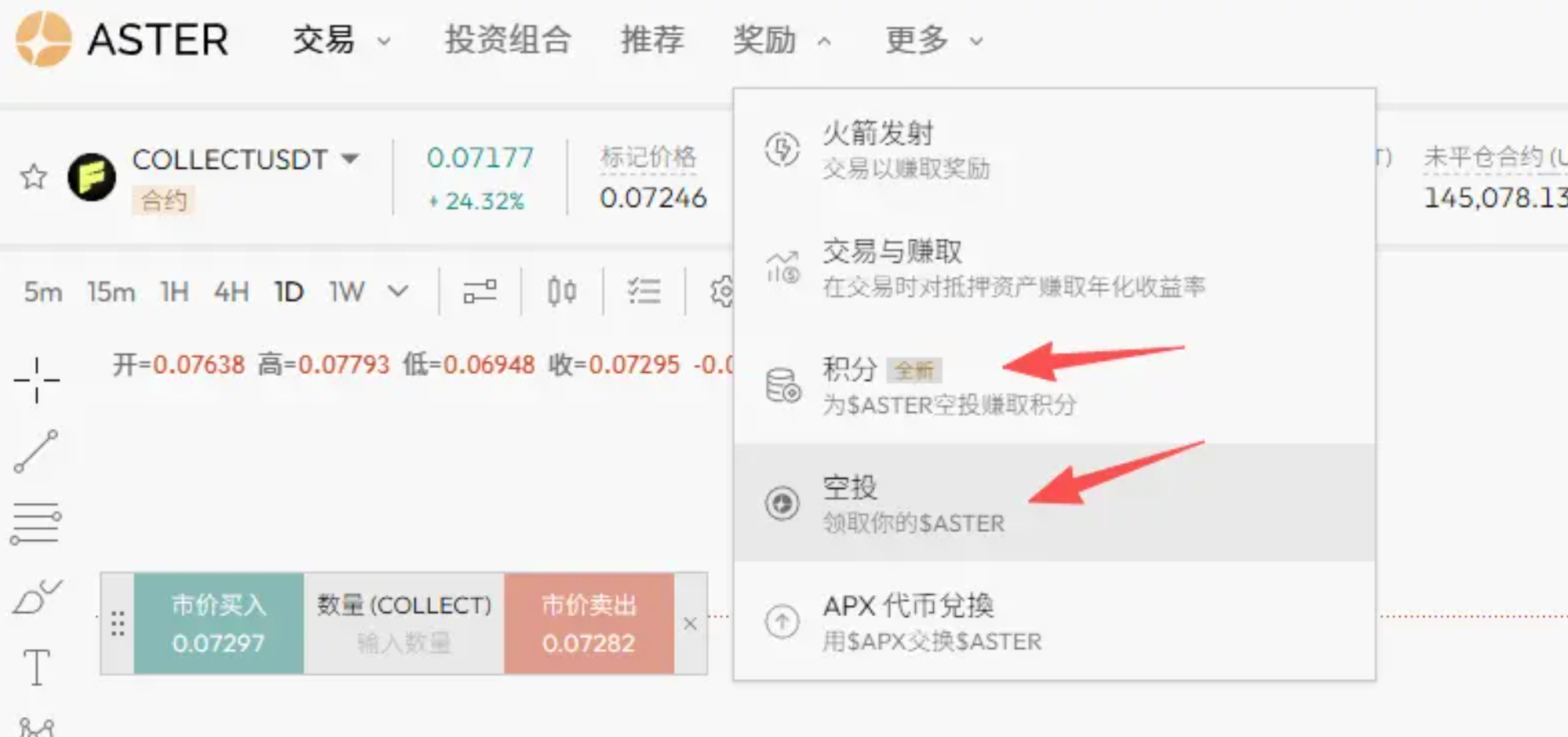 New users are advised to test with small amounts first, starting with low leverage to familiarize themselves with the interface. The platform's perpetual contract rates are low, and combined with the funding rate mechanism, actual trading costs are minimal. For benefits, everyone can check the Promotions tab; completing tasks like the first trade enables automatic refunds for transaction fees or rewards. The sideways market cycle is a great time to explore crypto derivatives and familiarize oneself with new platforms; feel free to ask me any questions at any time.
Additionally, there is a practical activity where USDC and USDT exchanges are currently free of transaction fees; the original 0.1% exchange fee is completely waived. Whether you want to convert USDC to USDT for new coins or reverse it to USDC for hedging, there is no cost. The activity runs from June 11 to July 10, with a personal daily limit of 100,000 USD and a platform-wide daily cap of 500,000. Friends making large transactions are advised to act quickly; it can be done with one click on the Swap page. 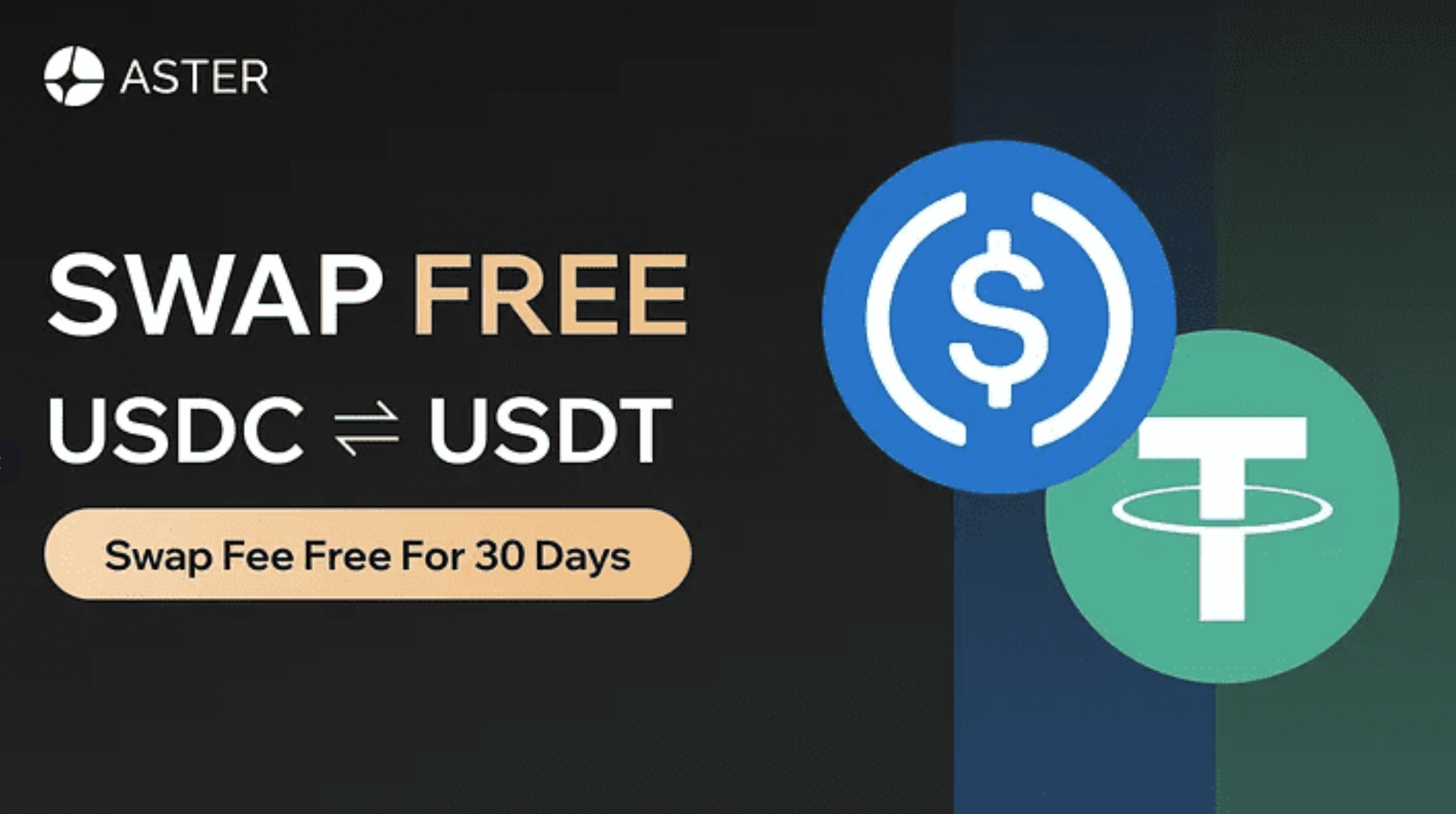
Observations from other sectors
Finally, I want to discuss some directions beyond just market fluctuations; don’t just focus on the downturn. NVIDIA has already begun to promote liquid cooling, transitioning it from an optional configuration to a mandatory standard. The GB300 NVL72 single cabinet water cooling is currently priced at 49,860 USD, with the next generation set to increase by 17% to 55,710 USD. In the liquid cooling sector, Vertiv is leading the way, with the first batch of their GB200 CDU exceeding 70% market share. Their advantage lies not just in making liquid cooling components but in creating complete infrastructure solutions for power, cooling, and cabinets. They have publicly stated that they collaborated with NVIDIA to develop the complete power and cooling solution for the GB200 NVL72, and the domestic NVIDIA liquid cooling supply chain can also be watched closely.
There is also interest in SpaceX’s assets, which have seen a drop recently, but I believe this decline resembles retail selling pressure on low float shares post-IPO rather than a fundamental issue. Simply put, it is the result of low float shares + retail crowding + correction in the tech sector + increased defensive options positions. Looking short-term, the price has already reached a bottom range before the unlocking; while retail exits due to the downturn, institutions are actually entering the market. Additionally, the Russell index and Nasdaq 100 passive funds are set to enter, indicating a shift in supply and demand dynamics, presenting a potential opportunity to participate. During tough times, rather than fixating on the downturn, looking at other directions can help find more comfortable opportunities.
There are live broadcasts every day, feel free to keep following our AiCoin community! Make an early reservation👇
https://www.aicoin.com/zh-Hans/live/list?tab=upcoming
Join our community to discuss and become stronger together!
Official Telegram community: https://t.me/aicoincn
AiCoin's Chinese Twitter: https://x.com/AiCoinzh
This article only represents the author's personal opinion and does not reflect the stance and viewpoint of this platform. This article is for information sharing only and does not constitute investment advice for anyone.
免责声明:本文章仅代表作者个人观点,不代表本平台的立场和观点。本文章仅供信息分享,不构成对任何人的任何投资建议。用户与作者之间的任何争议,与本平台无关。如网页中刊载的文章或图片涉及侵权,请提供相关的权利证明和身份证明发送邮件到support@aicoin.com,本平台相关工作人员将会进行核查。