The cryptocurrency market is currently in the pre-bull market phase, with the trend continuing to recover, waiting for liquidity cooperation to start the big bull market next year.
Written by: XinGPT
Last week, I exchanged views with several experienced traders and discovered an important issue that I had previously overlooked: the cycle and purpose of trading. Each trade must clearly consider whether it is a long-term or short-term position, and for each trading strategy, a corresponding information collection system, analysis system, and position management and risk control strategy must be established.
The core of a long-term position is to control costs; only with low costs can one hold onto it, so positions must be built at low levels. The focus is to determine whether it is at the bottom of the cycle or if the market has mispriced it.
The information system for long-term positions: one must check whether the fundamentals still hold logically, ideally with solid fundamentals, but the stock price is under pressure due to a lack of funding attention or macroeconomic reasons; therefore, a long-term target information tracking system should be established.
Technical aspect: After breaking critical support levels, if there is support, it signals a low-volatility sideways consolidation at the bottom, which can be compared to the characteristics of previous cycle bottoms;
Emotional aspect: From pessimism to negativity to despair, even considered "dead," "outdated," or "in a bear market."
The selection of targets for long-term positions is very important; they must be industry leaders with long-term investment value, such as Nvidia and Bitcoin, which can reach new highs after experiencing several rounds of bull and bear markets. If new cycle targets do not reach new highs, they are not preferred.
Long-term positions should also have profit-taking exit strategies, so one must constantly observe what stage the market is in, how much future space remains, and what proportion of new players are waiting.
The current logic for short-term positions is to follow trends. The biggest difference from long-term positions is that long-term positions are about buying more as the price falls within a certain time frame, without setting stop losses; short-term positions are about following trends to go long or short, setting clear stop-loss rules before entry, and strictly cutting losses if the logic goes wrong.
The core distinction between short-term and long-term positions is to remind oneself of where to focus attention: long-term positions are often best entered when they are forgotten by others. Therefore, it is essential to establish observation and long-term tracking for long-term positions. Personally, I often get caught up in chasing hot trends and forget to focus on the long-term positions that need attention. By the time I realize it, the price has already risen. Also, as mentioned earlier, having a stop-loss rule, if confused, can lead to panic selling at low-value points for long-term positions, and continuously averaging down during breakouts in short-term positions can lead to being deeply trapped.
To Do: Establish your own long-term position observation list and continuously track the information and price trends of these targets; carefully consider whether each trade is short-term or long-term, and prepare trade records and exit plans for profit-taking and loss-cutting.
Back to the main topic, let's start with the cryptocurrency market.
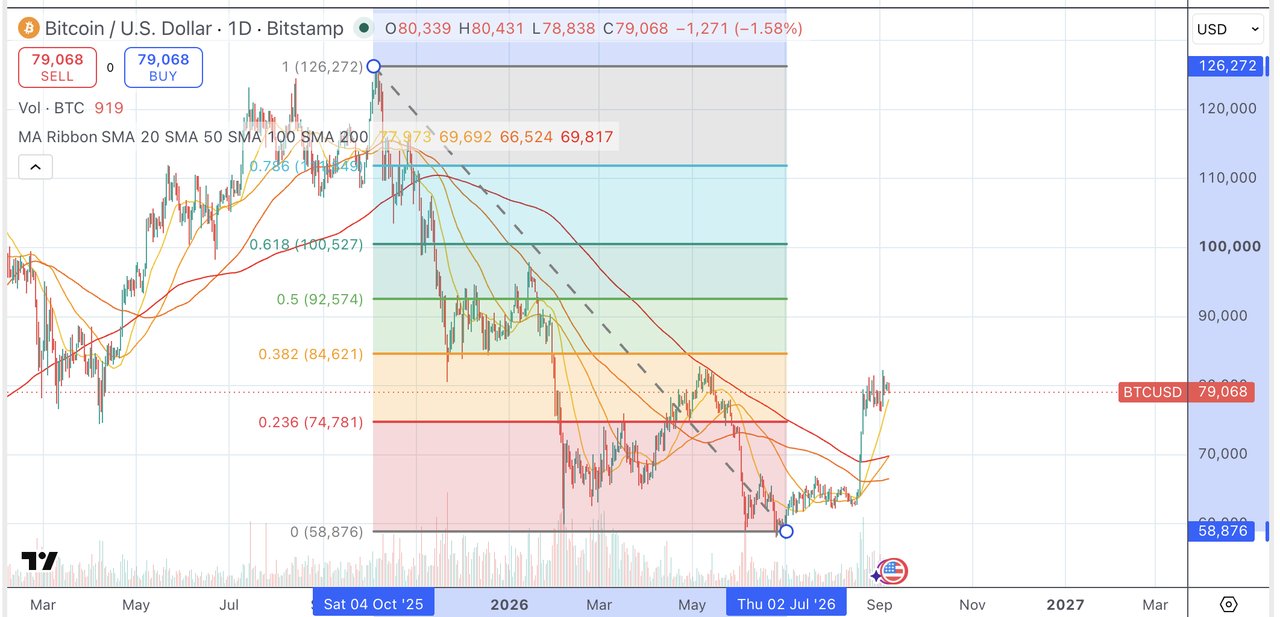
I believe the cryptocurrency market is in the pre-bull market phase, and the previous analysis remains unchanged. From the perspective of a four-year cycle and market feedback, this pre-bull market is still ongoing, maintaining an optimistic outlook until the mid-term elections. If there is cooperation in narrative and liquidity, it may open a big bull market next year.
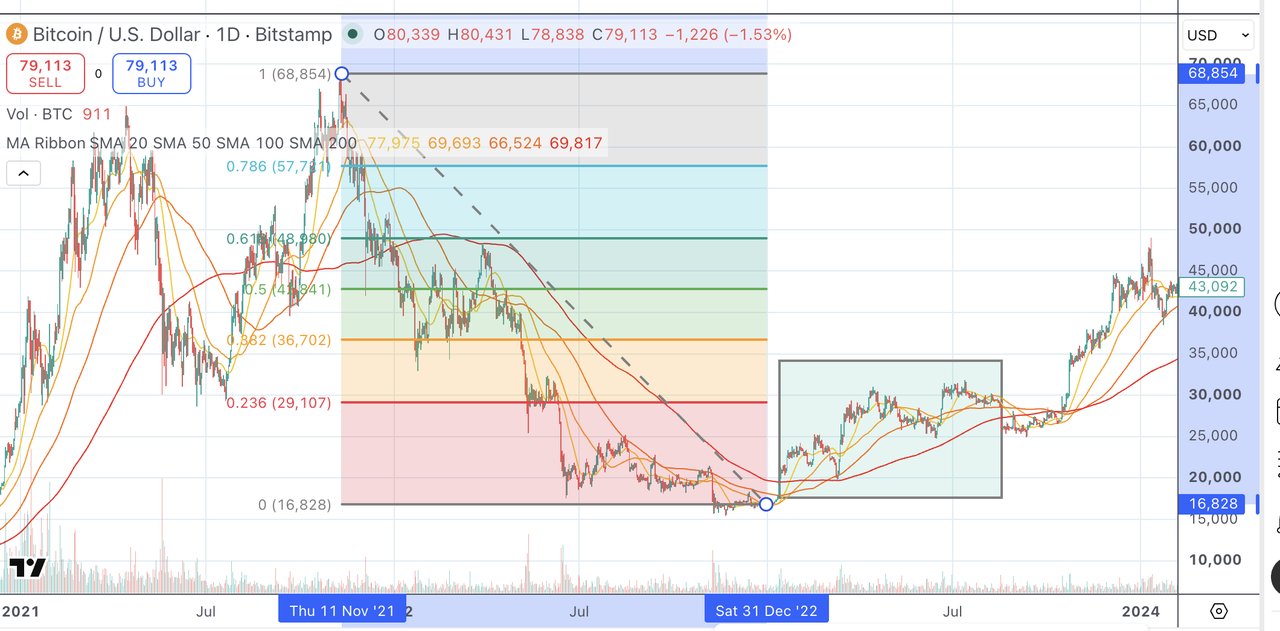
Early 2023:
Early 2019:
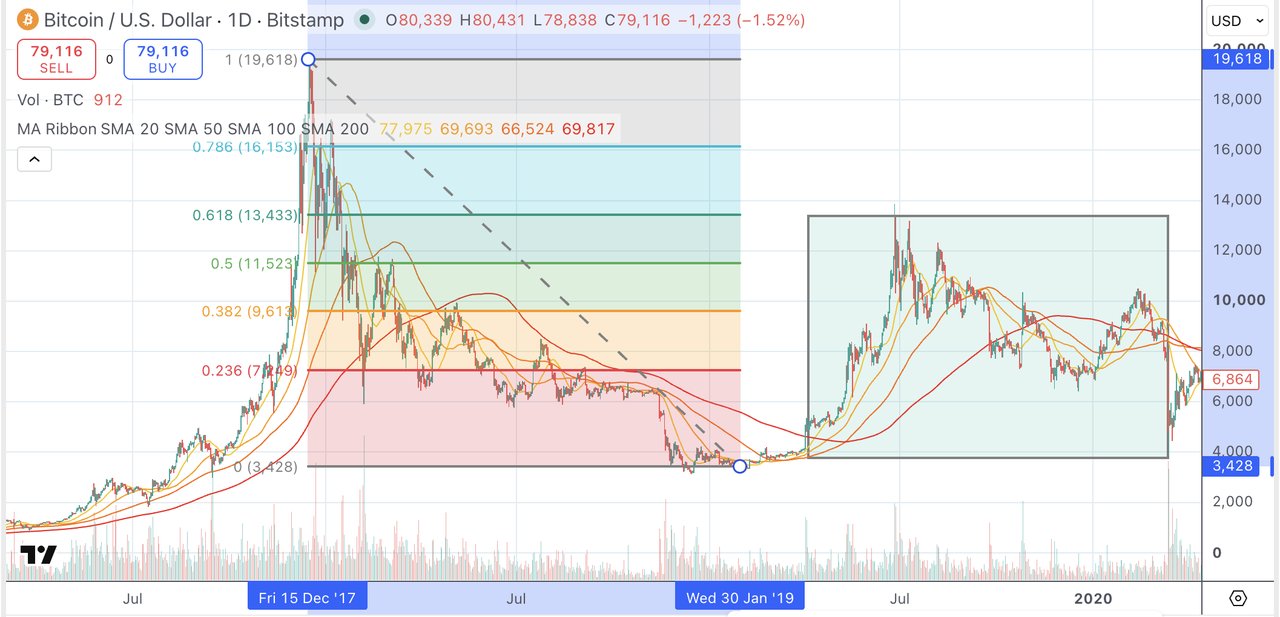
You can see the situation during the early stages of previous bull markets. After the first wave starts, there will still be a retracement to test the SMA200. In a larger cycle, there are still opportunities for larger swings; for short-term positions, I will set a stop loss around 75500, and if it breaks without recovering, I will exit the short-term position; for long-term positions, I will continue to watch: if it breaks the SMA200 and starts consolidating sideways, or tests the SMA200 without breaking it, I will consider building a position.
ZEC:
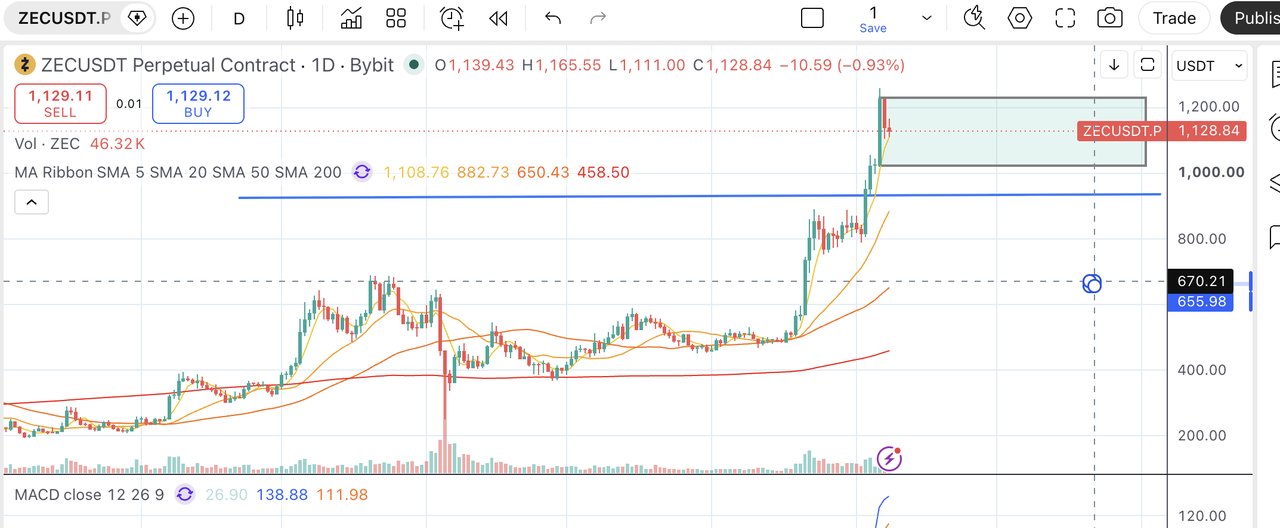
ZEC has entered a second consolidation phase after breaking new highs, remains optimistic, and can gradually DCA, continuing to hold as long as it does not break the short-term level:
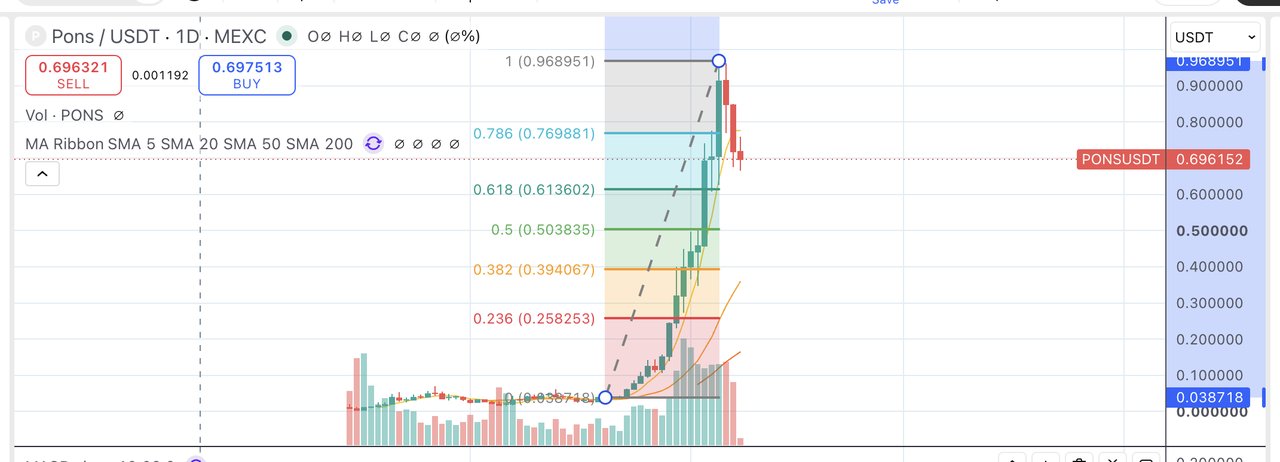
Pons is looking for support downwards; if it stabilizes at the 0.618 position, it can gradually buy:
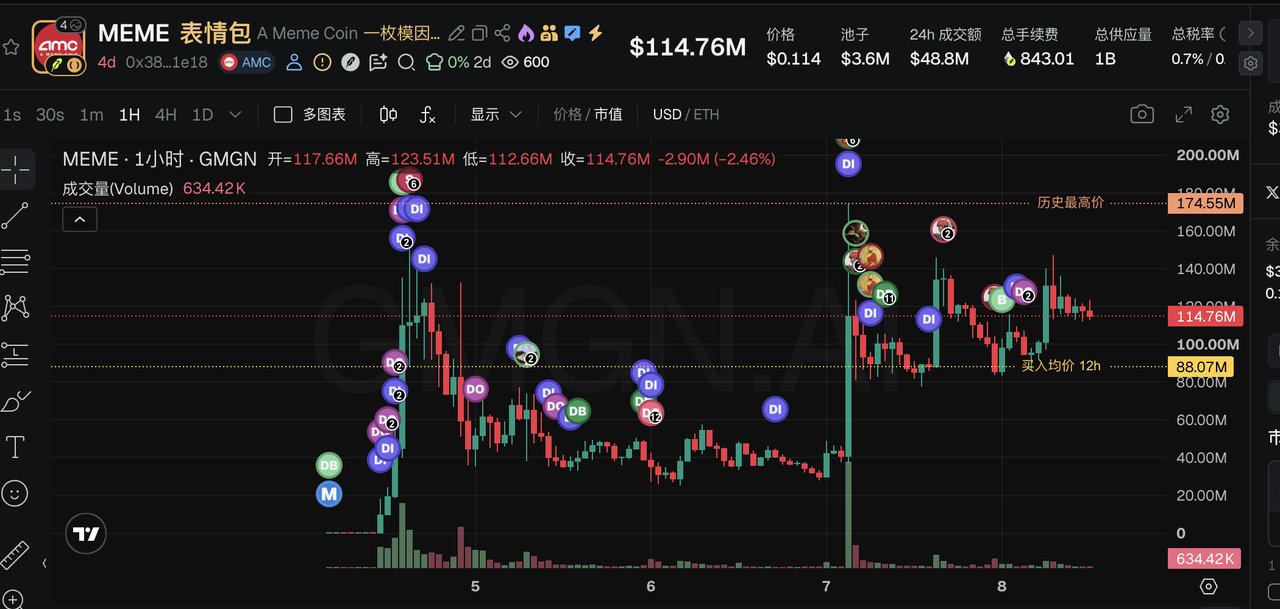
The narrative for MEME is strong, technically very robust, combined with Bonkguy's calls and key on-chain layouts; 88m is Bonkguy's call point, and 42m is his "cost price." The safest thing is to start buying near 88. If it drops back to the cost price, then cut losses. If there is a temporary drop below 88, consider buying;
Now, let's talk about stocks:
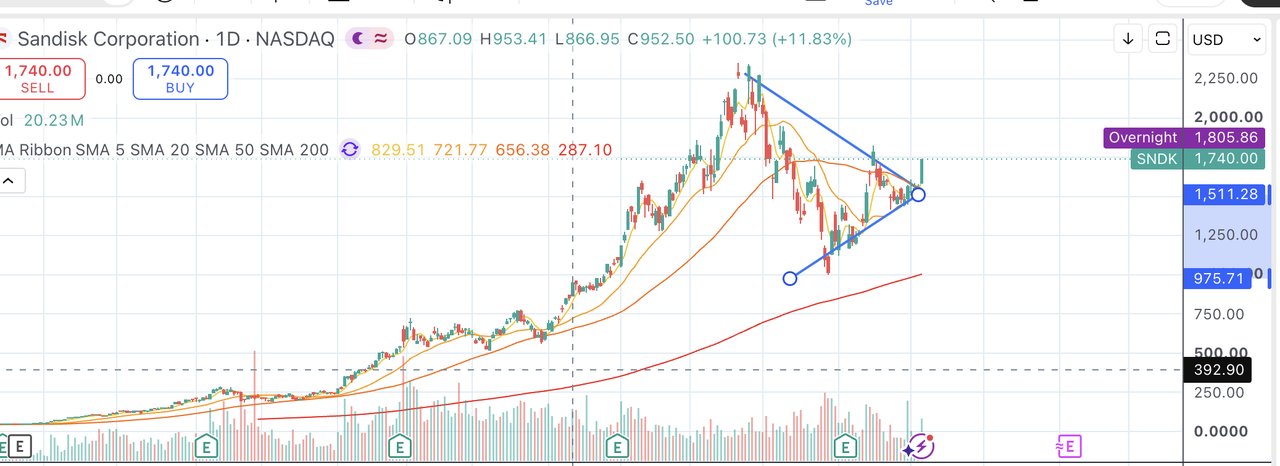
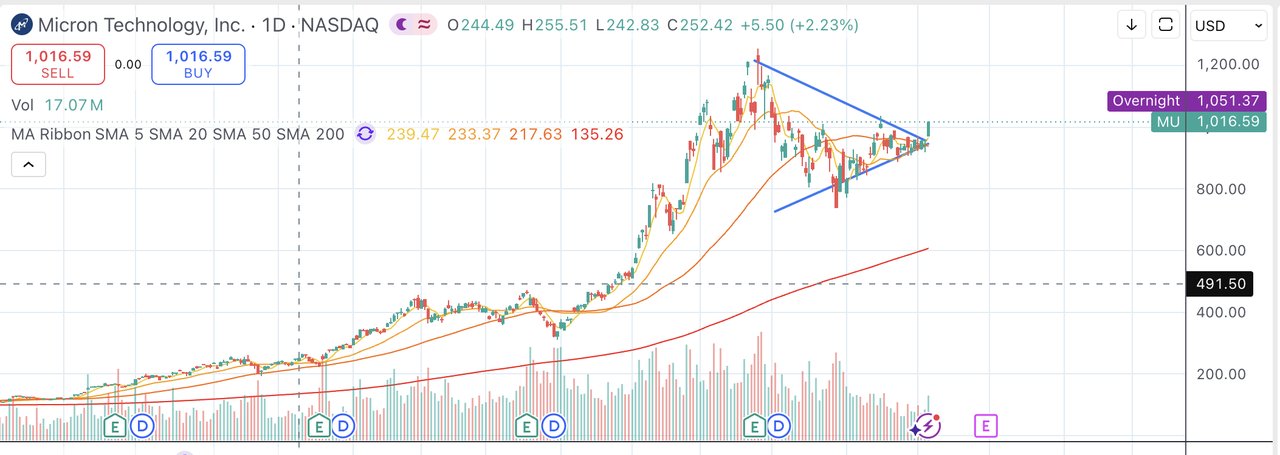
Storage-related stocks started to strengthen after OAI released a new model, showing an upward flag pattern, and NBIS also formed a head and shoulders bottom; before Friday's CPI, one can engage in short-term high selling and low buying. Before the CPI, I will consider reducing my positions;
免责声明:本文章仅代表作者个人观点,不代表本平台的立场和观点。本文章仅供信息分享,不构成对任何人的任何投资建议。用户与作者之间的任何争议,与本平台无关。如网页中刊载的文章或图片涉及侵权,请提供相关的权利证明和身份证明发送邮件到support@aicoin.com,本平台相关工作人员将会进行核查。


