In September 2026, Robinhood Chain did something that confused many: it significantly raised the gas limit and lowered user transaction fees. The result was straightforward—chain revenue (green) saw a significant decline, but DEX trading volume (purple) remained strong, firmly securing the global second position after Solana.
Many viewed this as a "short-sighted mistake." However, Dragonfly managing partner Haseeb Qureshi provided a clear assessment: this was entirely intentional, and if one truly believes in the long-term growth of RWA and on-chain finance, this is the 100% correct answer.
Robinhood is thinking beyond mere short-term fee optimization. What it is truly betting on is: owning the entire ecosystem, bringing tokenized assets on-chain at scale, and enhancing the "GDP" of the blockchain. Only with continual capacity expansion and long-term low fees can all this potentially happen. Revenue will rebound with surging trading volume.
This aligns perfectly with the SEC's new "innovation exemption" policy and a deeper narrative of on-chain finance.
1. Why Low Fees Are the Correct Approach?
The traditional public chain logic often equates "high fees = high income = healthy." However, for financial native companies like Robinhood, which simultaneously possess users, assets, and distribution channels, the logic is entirely different.
It already has tens of millions of brokerage accounts as initial traffic, along with real U.S. stock assets and compliance experience. If the chain is turned into a high-fee closed garden, it will only push users and developers towards competitors (like Fomo, Phantom, etc.). Lowering fees and expanding capacity allows for a short-term concession on a portion of sorting fees, but in the long run, it can:
- Attract more third-party developers to join;
- Transform stock tokens from closed App products to open financial components callable by arbitrary contracts;
- Use high-frequency speculative funds like memes to pull up the trading volume of real stock tokens.
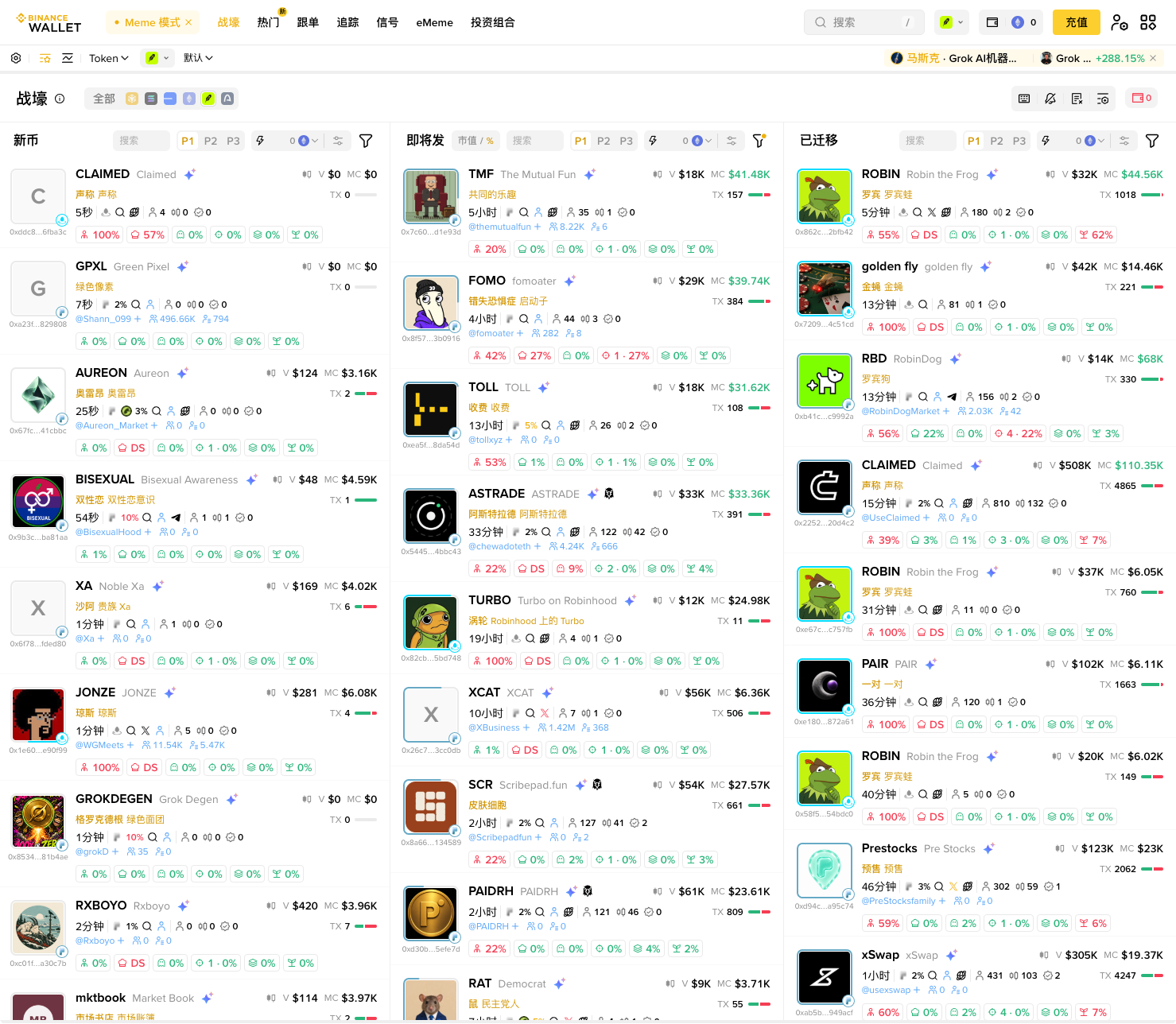
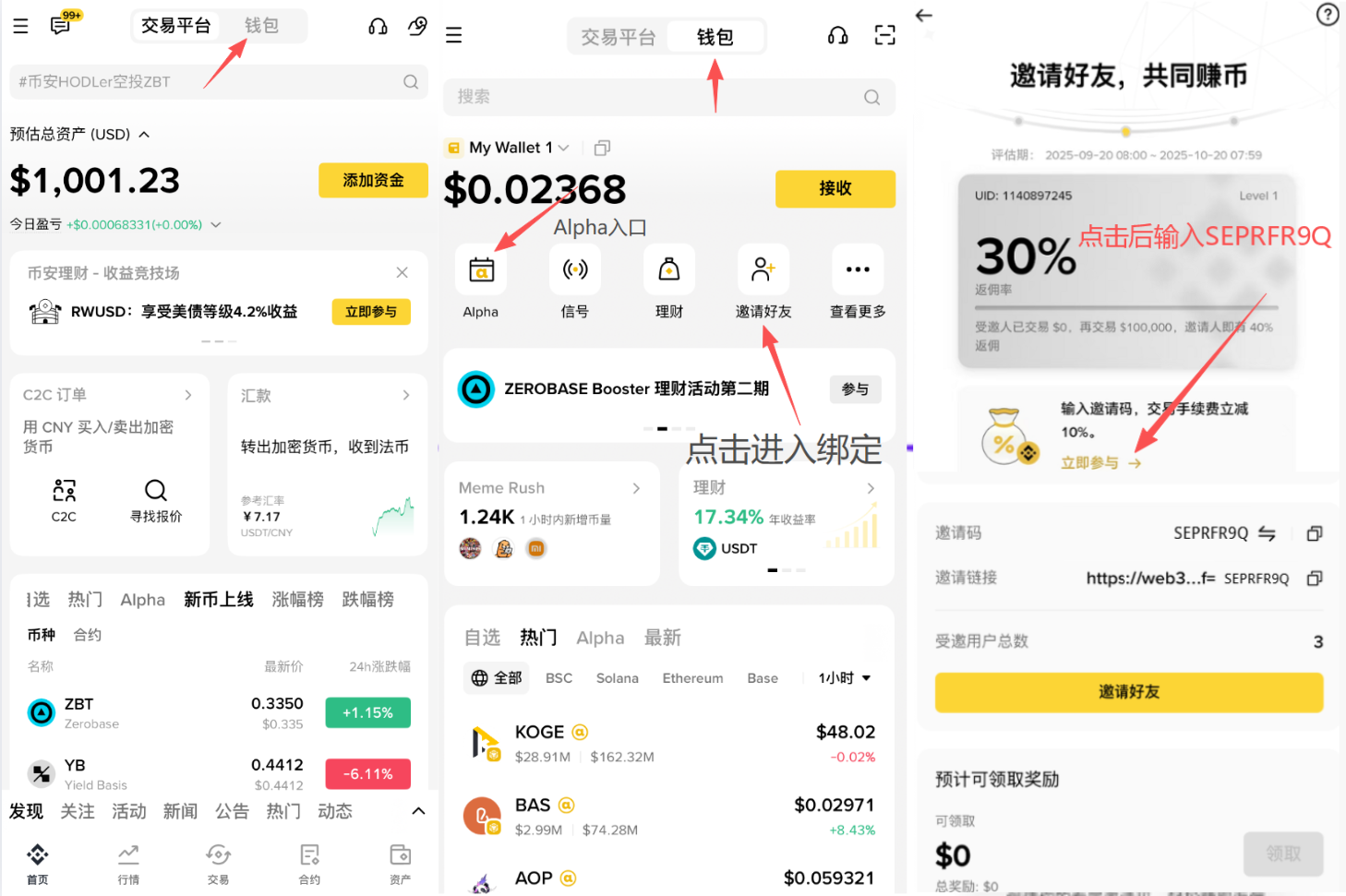
You can directly start investing in Robinhood from the Binance wallet Meme page.
Binance wallet Meme trading entry
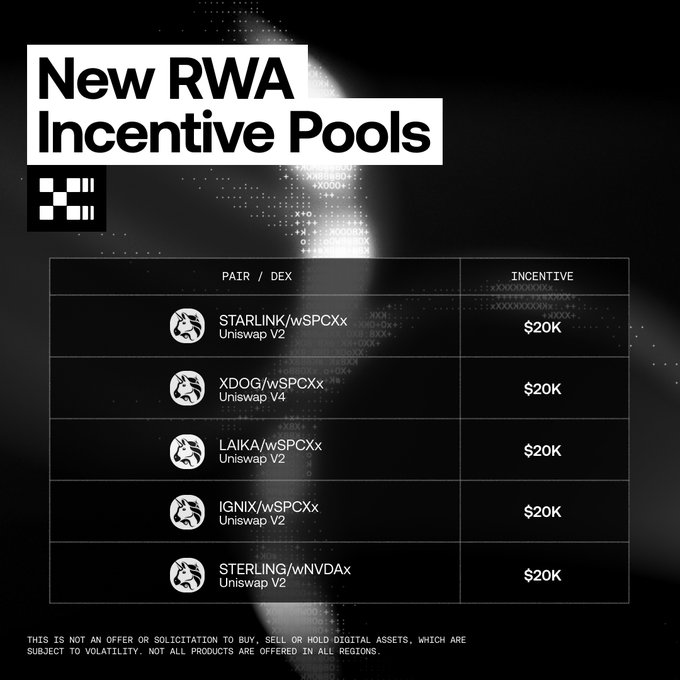
Uniswap has become the main liquidity protocol on this chain, a direct result of this open strategy. The trading volume has been retained, the eco GDP has grown, and Robinhood will ultimately get a larger share of a bigger pie.
2. Onchain Finance: More Than Just an Upgrade of RWA
The SEC's innovation exemption passed on September 17 officially allows eligible tokenized securities platforms to conduct limited trading. The restrictions include: tokens must provide the same dividend and voting rights as traditional stocks, advance notice to listed companies, and a five-year trial period, among others. This is not a comprehensive deregulation, but the signal is clear—America's securities trading foundational systems are migrating to the blockchain.
On-chain finance (Onchain Finance) intersects with the narrow definition of RWA but goes far beyond:
- It continues the high-quality path of North America: bringing traditionally high-threshold financial assets on-chain, addressing 24-hour trading, settlement speed, and access issues;
- It emphasizes the two-way interaction between traditional and crypto assets;
- Its deeper logic is strengthening the globalization of dollar assets—stablecoins have pushed dollar penetration to over 90%, and the next step is to use the same channel to bring U.S. stocks, U.S. bonds, and other real assets offshore.
Wall Street's shift from repression to support has fundamental reasons: stablecoins are the fastest vehicle for inflating the dollar in the digital realm, and tokenized assets are the best channel for sending out real dollar assets.
3. Two Clear Paths: Asset Side and Funding Side
Robinhood is on the asset side.
From the closed Stock Tokens in Europe in 2025 to their transformation into standard ERC-20 tokens after the mainnet launch in July 2026, then opening up to third-party wallets, DEXs, and lending markets for use. Within weeks of launching, trading volume exceeded billions, and by mid-September, the TVL approached $1 billion, with 24-hour DEX volume exceeding $1.6 billion. They also proposed the ERC-8056 standard with Superstate to establish processing specifications for company actions (dividends, stock splits).
Even more counterintuitive is the revaluation of the meme's value. $AI directly paired with $NVDA, speculating on front-end trading assets while settling real securities tokens in the back-end—speculative funds are structurally routed into real assets. Similar mechanisms have been validated on BNB Chain's Four.meme—memes are no longer just noise but a liquidity entry for real assets.
Circle is on the funding side.
Arc's mainnet uses USDC as gas, with sub-second settlement, and institutional verification nodes covering banking, payments, asset management, and other fields. On the launch day, lending, spot trading, and tokenized money market funds were all integrated. The goal is clear: to convert over $74 billion of USDC stock into real on-chain financial activities, keeping transaction fees and revenues as much as possible within its own system.
The two companies start from different points but converge towards the same foundational infrastructure: assets and funding were originally two separate systems that ultimately need to be connected through a unified tokenization standard.
4. Where is the Real Investment Value?
The industry focus has already shifted from “continuously issuing tokens to maintain attention” to the usage of quality existing assets and infrastructure development. The strategic value of public chains to institutions has risen sharply—relying on third-party public chains means transaction commissions and network fees will continually flow out; only by building or deeply binding public chains can value be retained within the system. This is exactly why Robinhood, Circle, and the Binance ecosystem have chosen to build or deeply bind themselves.
The most certain future dividends lie at the connection layer between assets and funding. Whoever can resolve the connection issues first—compliance settlement, permission management, cross-asset pricing, two-way linkage mechanisms—will have the opportunity to obtain the most certain portion of this round of industry dividends.
By proactively lowering fees and sacrificing short-term revenue, Robinhood essentially paves the way for a larger ecological GDP. When real stock tokens, stablecoin funds, meme liquidity entry, and permissioned AMMs are all operational, the long-term value gained from low fees will far exceed the sorting fees.
This is not a sacrifice; it is a necessary cost for betting on the true takeoff of on-chain finance. The cycle is still early, but the direction has already been established on the chain.
Exclusive Benefits for AiCoin Users
👉 Enter the invitation code SEPRFR9Q when using the Binance wallet to enjoy a 10% rebate on fees, making meme trading cheaper and more profitable.
🔗 Exclusive link:
https://web3.binance.com/referral?ref=SEPRFR9Q
免责声明:本文章仅代表作者个人观点,不代表本平台的立场和观点。本文章仅供信息分享,不构成对任何人的任何投资建议。用户与作者之间的任何争议,与本平台无关。如网页中刊载的文章或图片涉及侵权,请提供相关的权利证明和身份证明发送邮件到support@aicoin.com,本平台相关工作人员将会进行核查。