Author: 0xjacobzhao
On August 19, 2026, Stripe announced an acquisition agreement with OpenRouter, marking its largest acquisition deal since its inception. The final transaction value has not been disclosed; media reports suggest a range of over $7 billion to $8 billion, with the New York Times estimating around $7.5 billion. Compared to the B round valuation of approximately $1.3 billion just 83 days ago, this represents a near six-fold revaluation in less than three months.
What OpenRouter does is not complicated: it consolidates over 500 models and more than 80 compute providers into a single OpenAI-compatible interface. It successfully validated one thing—demand for inference can be aggregated, and at a very large scale. However, it also exposes a structural contradiction: the standardization of protocols allows customers to leave with just a change of base URL. Thus, the real proposition of this transaction is: Can it transform portable order flows into non-portable model intelligence?
Core Insights
The value and barriers come from the same trend: The substitutability of models increases the value of multi-model selection and dynamic scheduling, which is the cornerstone of OpenRouter's existence; however, the simultaneous enhancement of gateway interoperability decreases the switching costs for developers to almost zero—OpenAI compatibility allows any alternative to be instantly accessed. This same force serves both as a tailwind and a headwind.
The supply side represents a real market but lacks monopoly barriers: The same model competes on OpenRouter with more than a dozen inference providers, significantly differing in price, throughput, and availability; the redundancy from multiple suppliers contributes measurable improvements in availability. However, the same group of suppliers also connect to competitive gateways like Vercel—multi-homing is the norm. The liquidity of computing power, therefore, is a validated market utility rather than an exclusive moat.
Under “zero surcharge” pressure, commission models struggle to support high valuations: Cloud vendors and platform players are treating basic routing as free infrastructure and competing aggressively, with the single Token monetization rate continuing to come under pressure; pure channel commissions struggle to support P/S ratios over 40 times.
Stripe bets on the transition from “pipeline” to “control point”: The acquisition aims to integrate “model routing + telemetry data + agent identity/budget/settlement.” Whether it can evolve from replaceable middleware to an indispensable agent transaction control point is key to the success or failure of this round of bets.
1. What is OpenRouter: Problems, Customers, and Products
1.1 It solves more than just “one API connecting to multiple models”
OpenRouter addresses not just the convenience issue of “one API connecting to multiple models,” but also the ongoing dynamic management by AI builders regarding model selection, supplier scheduling, availability, latency, cost, and data strategies in an extremely fragmented inference market. As the number of models surpasses a hundred, with frequent replacement of cutting-edge performances and continuous deflation of Token prices, tightly binding applications to a single model has become a significant risk—this not only signifies optimization costs and the risks of single points of failure but also results in the loss of rapid migration capability when new models are released.
1.2 The real customers are AI builders, not ordinary AI users
The revealed monthly processing volume of over 400 trillion Tokens, over 10 million global users, over 80 suppliers, over 500 models, and more than 250,000 applications covering over 4 million end users—clearly illustrates its true B2B2C structure: OpenRouter positions itself between developers and their downstream end users, rather than directly targeting ordinary AI consumers.
Customer Layer | Importance | Reasons to Use / Not Use |
|---|---|---|
AI developers, Agent builders, AI-native startups | Core | Multi-model, unified API, quick trial of new models, fault degradation, unified billing. The top of application rankings is predominantly coding and Agent tools |
Indie hackers and tech-savvy prosumers | Important | Chasing new models, price-sensitive, using free and open-weight models, willing to pay with cryptocurrency, eager to try anonymous models |
Mid-sized AI teams | Growing, not proven as revenue generators | BYOK, Workspaces, governance and spending control, supplier health |
Large enterprises | Exist realistically, but structurally hardest to acquire | Existing cloud commitment limits, direct connection contracts, procurement processes, DPA, data residency, and already approved model lists all point to Bedrock/Vertex/Azure or direct connections |
Ordinary ChatGPT/Claude consumers | Non-core | Want a complete product (memory, tools, workflows), not base URL and routing |
“More and more people are using AI” is almost a given, but this part of traffic growth can completely bypass OpenRouter. In the “candidate product” model, users autonomously choose to use ChatGPT or Claude, routing occurs in the human brain, what they purchase is a complete end-to-end application, and the value of OpenRouter is not high ; only when the market shifts to “software selects model” mode, i.e., the Agent automatically matches the best model, compute provider, price, and latency in real-time for each task execution, can OpenRouter's value be maximized.
1.3 Product Stack: Starting with Gateway, Value Sits in the Upper Two Layers
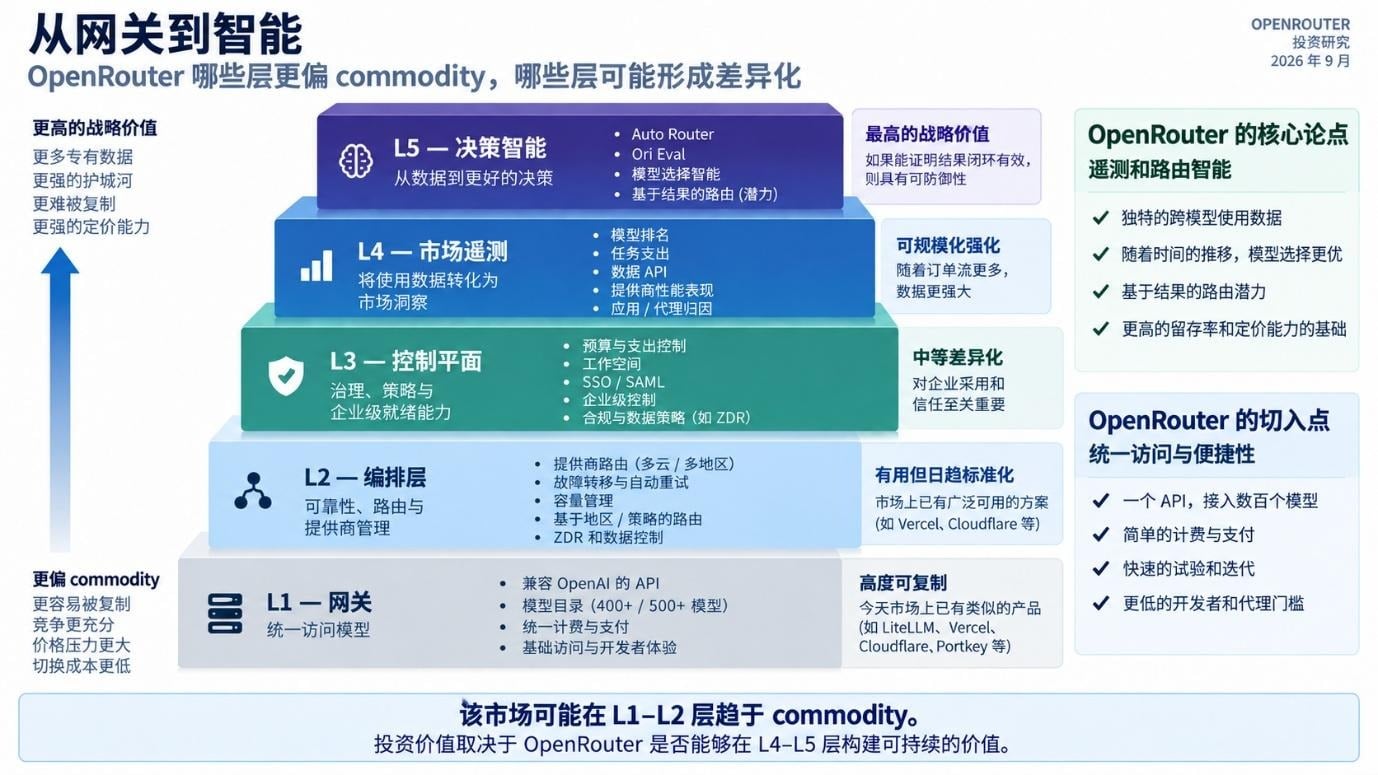
Figure 1 OpenRouter Product Stack L1–L5.
OpenRouter enters the market through gateways, but its valuation premium and investment thesis are entirely based on the data and decision layers. L1 gateway access (Gateway), L2 orchestration scheduling (Orchestration), and L3 control plane (Control Plane) are highly commoditized, reduced to basic desktop currency; L4 market telemetry (Market Telemetry) and L5 decision intelligence (Decision Intelligence) are the only terrain for building differentiation and pricing power.
L1 Gateway Access (Gateway): Provides a unified API compatible with OpenAI, unified billing, and rapid trials for hundreds of models. The difficulty of replication is extremely low, competitors (like LiteLLM, Vercel, Portkey) can be instantly replaced.
L2 Orchestration (Orchestration): Responsible for multi-cloud/multi-region fault degradation, automatic retries, capacity management, and dynamic compute routing. While practical, it has gradually become a standardized feature of open-source middleware and cloud vendors.
L3 Control Plane (Control Plane): Covers budget control, workspace management, SSO/SAML, and ZDR (zero data retention) enterprise compliance controls. It belongs to moderately differentiated features, serving as a passport to enter medium to large enterprises.
L4 Market Telemetry (Market Telemetry): Transforms massive usage into business intelligence, including industry rankings, task-level spending, compute provider performance, and App/Agent attribution. Its value strengthens as the scale of order flow increases, serving as the cornerstone of OpenRouter's scale effect.
L5 Decision Intelligence (Decision Intelligence): Strategic value is extremely high, a critical breakthrough for the moat. Aims to transform telemetry data into better model selection and outcome-aware routing, directly driving R&D and commercialization ceilings.
2.How High is the Market Size Ceiling?
2.1 Five Types of Control Points in AI Inference Services
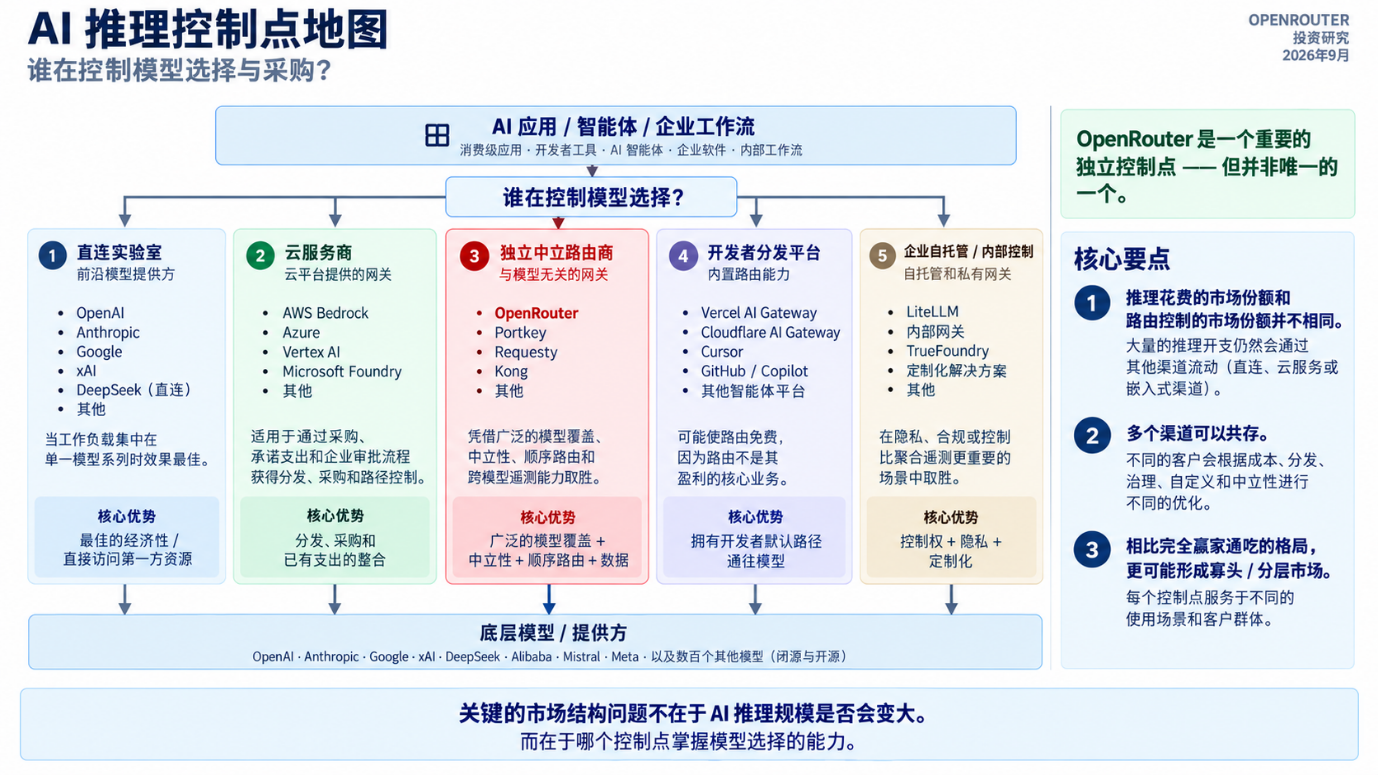
Figure 2 AI Inference Control Point Map.
Between AI applications and underlying models, the five major control points for model selection show a clear differentiated pattern: Direct connection with original manufacturers locks in dedicated loads with extreme economy and native priority access among a single model family; Ultra-large cloud vendors dominate enterprise-level procurement relying on existing cloud commitment limits, channels, and compliance approvals; Independent neutral routing (like OpenRouter) relies on the breadth of all models, neutrality, and cross-model telemetry data aggregation of order flows; Developer distribution platforms use control over default workflow entry to provide routing as a free feature; while Privatized/self-built gateways dominate in scenarios requiring high data privacy and deep customization.
2.2 Market Size: AI Inference Volume Cannot All Flow to Independent Routing
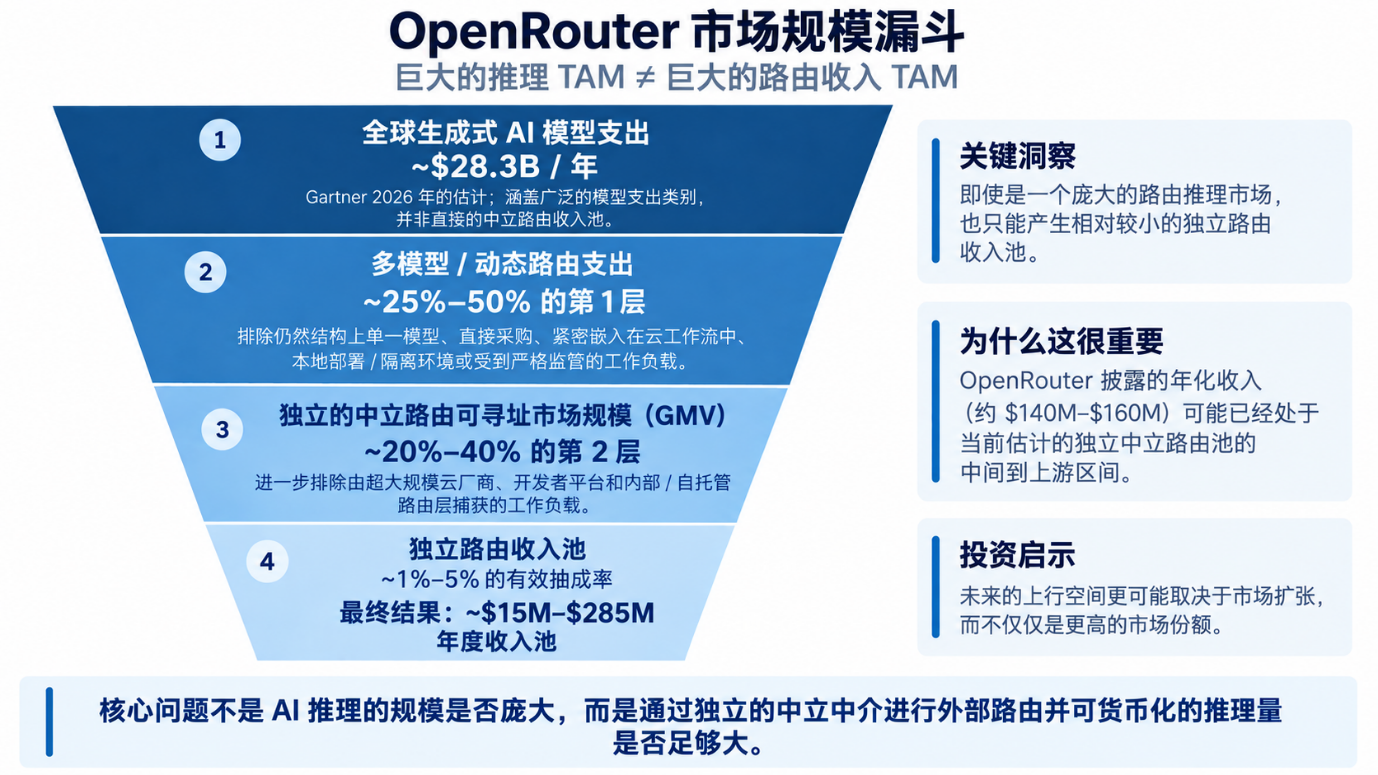
Figure 3 Market Size Funnel (Bottom-Up, based on Gartner's 2026 criteria).
The huge AI inference volume does not equate to a large income pool for independent routing. According to estimates by Gartner, global spending on generative AI models in 2026 is approximately $28.3 billion; deducting direct connections to single models, cloud vendor workflows, and self-hosted enterprise solutions leaves only $1.4 to $5.7 billion available for independent neutral gateways; factoring in BYOK, discounts, and zero surcharge competition (actual effective rates of 1% to 5%), the actual income pool for independent routing is significantly narrowed to $0.015 to $0.28 billion (median approximately $0.06 to $0.15 billion). OpenRouter's currently estimated annual revenue of $140 to $160 million is already positioned at the upper end of this estimated range. If these assumptions hold roughly true, future growth will increasingly rely on the expansion of the revenue pool itself rather than just an increase in market share.
3. Why OpenRouter Wins
If gateway technology is easy to replicate, why has it become the category leader? The answer lies not just in the product, but in the sequence.
3.1 The Liquidity Flywheel is Verified, and the Intelligence Flywheel is Forming
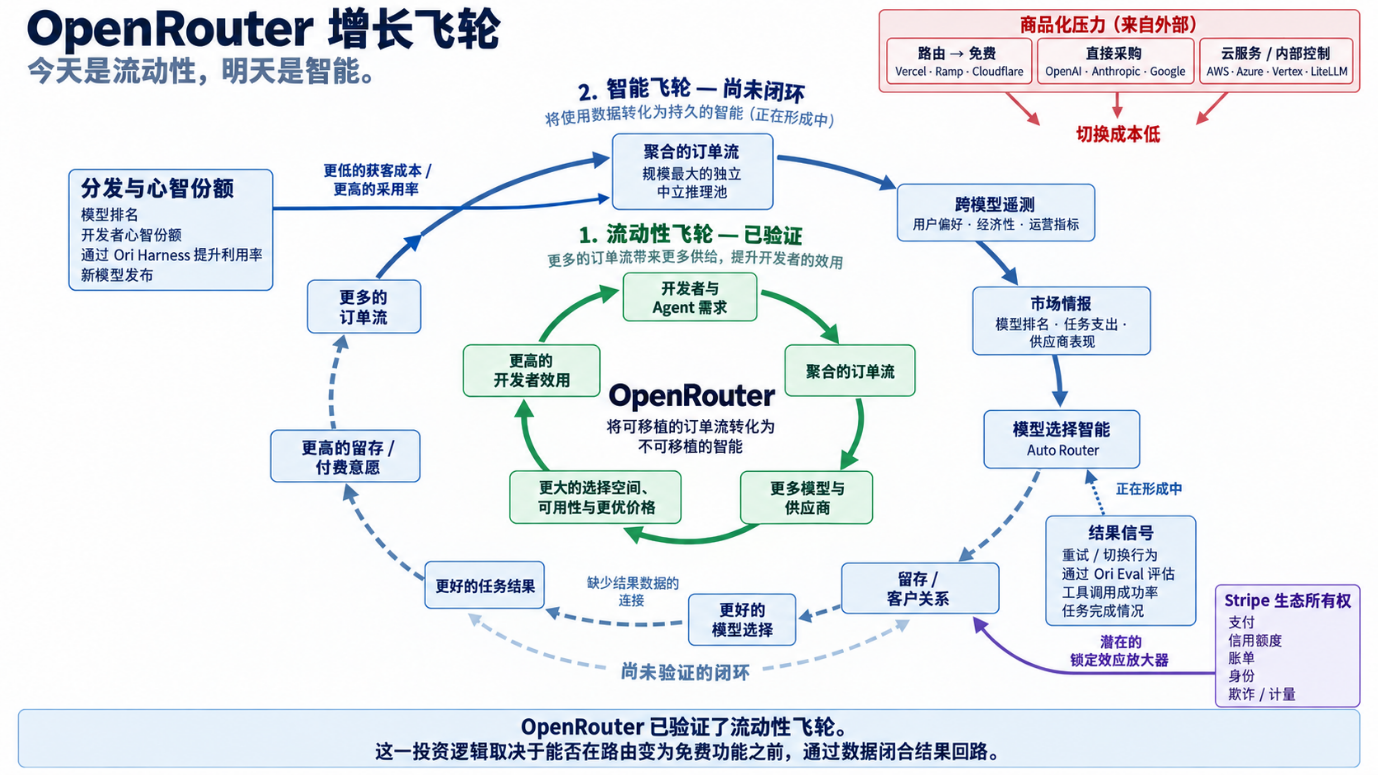
Figure 4 Two Flywheels: The green ring has been proven, while the blue dashed segment has yet to be proven.
The Liquidity Flywheel chain is: demand from developers and Agents drives order flow aggregation, attracting more models and compute suppliers, bringing richer options and price advantages, enhancing developer practicality, forming a positive feedback loop. OpenRouter's billing and measurement volume exhibit strong explosive power—weekly Token processing volume rose from 500 trillion in November 2025 to over 5.5 trillion by August 2026 (averaging over 1 trillion per day), growing more than tenfold in nine months.
The Intelligence Flywheel chain involves aggregating order flow to sediment cross-model telemetry data and market intelligence, thereby feeding back into model selection intelligence (Auto Router). However, the “feedback chain from better model selection to better task execution outcomes (Better Task Outcomes)” currently lacks a critical closed loop and has not yet fully proven its utility.
3.2 Lowering Customer Acquisition Costs, but Not Increasing Switching Costs
Third-party gateway competitive analysis pages typically have titles like “Alternatives to OpenRouter,” rather than the reverse. This is a linguistic signal of default standard in the category. However, it lowers customer acquisition costs, not churn rates. OpenAI compatibility means that the action of migration is merely changing one base URL and one key. The category default allows OpenRouter to easily win new projects but hardly prevents old projects from leaving.
3.3 OpenRouter is Both the Release and Discovery Location for Models
Emerging labs can launch free or anonymous preview versions into a vast pool of real developers and Agent traffic, collecting usage feedback and gaining visibility on rankings, revealing identity only after demand has formed. Xiaomi’s Hunter Alpha and Z.ai’s Ox Alpha have completed such cold starts. For model suppliers that have yet to establish large-scale developer distribution, OpenRouter serves as a particularly valuable global discovery and cold startup channel. This reinforces distribution advantages, not an exclusive supply moat.
4. Product Economics and Business Model
What exactly are customers paying for? The official position is to not surcharge inference prices, with supplier pricing passed through; the 5.5% is the platform fee when purchasing credits, while BYOK's free quota is based on amount rather than request count. The real question is: Under what conditions does this fee begin to become uneconomical.
Plan | Explicit Variable Rate | Zero Fee Conditions |
|---|---|---|
Direct Connection to Official API | 0% (Benchmark) | Large negotiable discount |
OpenRouter PAYG | +5.5% (credits) +5% (cryptocurrency) | BYOK monthly $25,000 price limit exempt from BYOK fee |
OpenRouter Enterprise | Less than 5.5%, specifics not disclosed | BYOK monthly $200,000 price limit exempt from BYOK fee |
Vercel AI Gateway | 0% (no markup on BYOK) | Default is zero markup |
Ramp Router.com | 0% (within 2026) | Free within the year; limited to the US |
Cloudflare AI Gateway | Unified billing limit of 5% | 0% if not using unified billing |
LiteLLM / Bifrost | 0% | Open source, requires self-hosting and maintenance |
In a market flooded with transit platform offerings at 30% of official prices, there are still customers willing to pay at a 5.5% premium. A highly credible explanation is trust: what they receive is indeed this model, this context length, this inference configuration, this supplier, and will not be silently downgraded or switched out. Trust provides meaningful differentiation for gray and long-tail relays; for large enterprise purchases, it is essentially the entry qualification.
5. Moat Deconstruction: Order Flow, Compute Liquidity, and Intelligence Flywheel
5.1 Demand-Side Order Flow: Significant Scale, but Lacking Switching Barriers
Even if the API and routing code are completely replicable, order flow and its by-products still constitute OpenRouter's only non-commoditized asset. It locks in four core powers: bargaining position over suppliers, cold start distribution rights for new models, targeted flow diversion capabilities, and control over customers' full-route relationships (identity permissions, billing budgets, usage analysis, discovery, and degradation strategies).
However, this asset lacks defensibility: OpenAI interface compatibility drastically lowers switching costs, along with the pressure from Vercel/Cloudflare (existing ecological distribution), cloud giants (enterprise procurement bundling), Ramp (free buying incentives), and LiteLLM (large customer self-hosting), multi-homing has become the industry norm.
5.2 Supply-Side Inference Services: Mature Light-Asset Trading Market but Not Exclusive
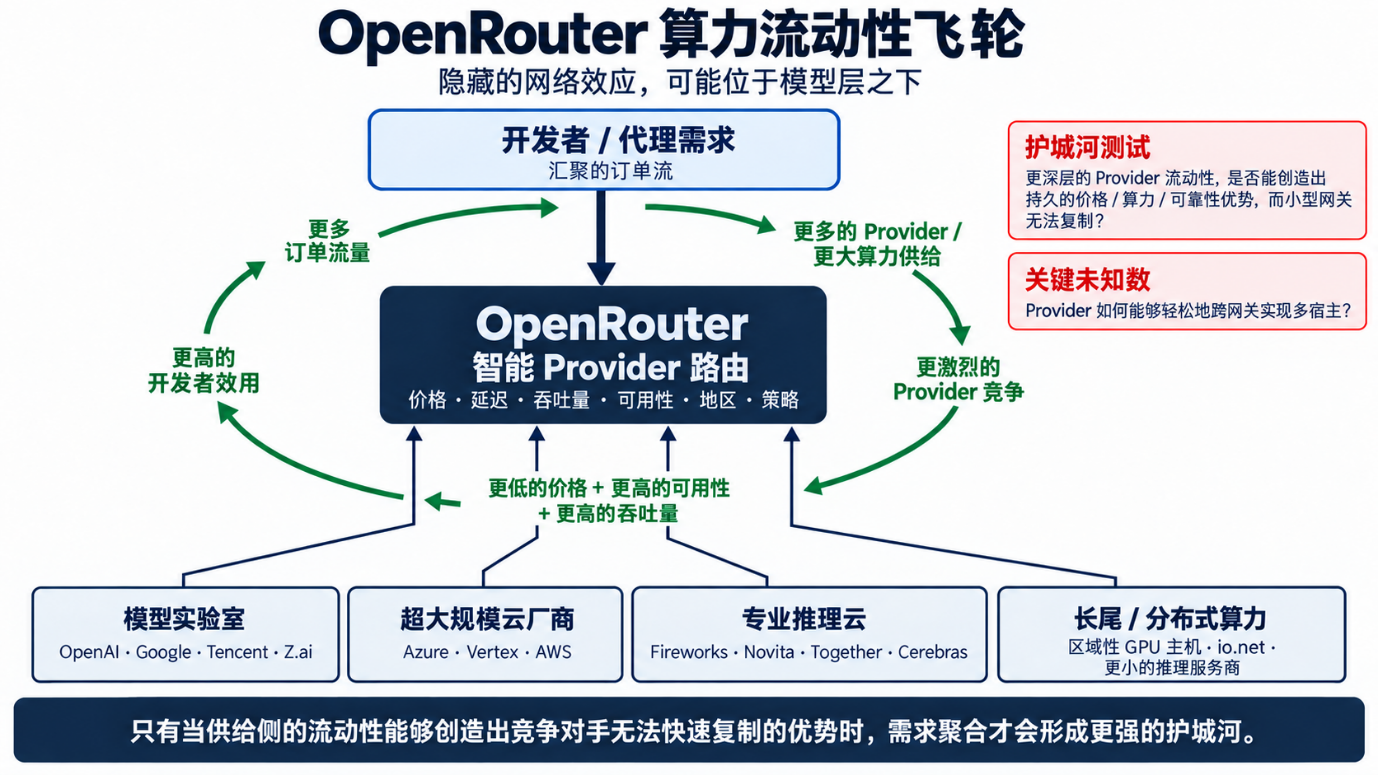
Figure 5 Compute Liquidity Flywheel: Hidden network effects may lie beneath the model layer.
The layer of OpenRouter that is more easily underestimated is the liquidity of compute and suppliers beneath the models. The same model is often carried by multiple inference endpoints at the same time, and the platform continually compares prices, latency, throughput, availability, region, and data policies, dynamically distributing requests. For today’s OpenRouter, this set of “supplier intelligence” is actually more mature than model selection intelligence: it works in real production traffic.
The larger the order flow, the more it can attract more original manufacturers, cloud vendors, professional inference clouds, and distributed computing access; the more supplies, the more price and performance competition, and the stronger the platform's appeal to the demand side. However, this layer of the flywheel has a key limitation: providers can low-cost multi-home, simultaneously connecting to OpenRouter, Vercel, or other channels. Therefore, compute liquidity is currently more akin to a difficult-to-accumulate leading asset rather than an immovable exclusive barrier.
5.3 Data Assets: Scale Leadership, but Closed Loop Remains in Optional State
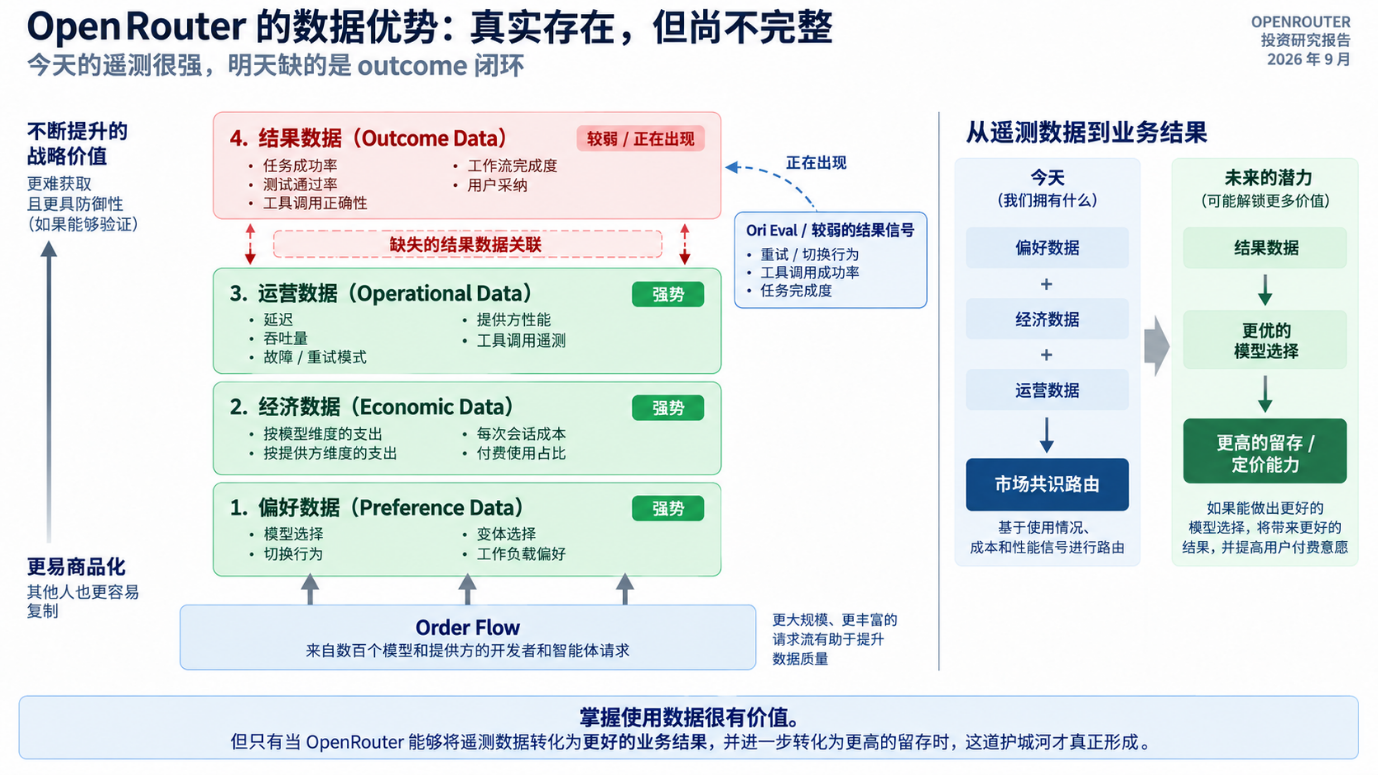
Figure 6 Four Types of Data and the Missing Outcome Data Loop.
OpenRouter has sedimented extremely strong and unique preferences, economics, and operational performance data across the dimensions of cross-models, cross-suppliers, cross-applications, and cross-regions—this is an exclusive perspective unattainable by original manufacturer labs (which see only their own traffic), self-hosted gateways (which have no data aggregation), or cloud vendors (limited to their own cloud ecosystems). Nevertheless, this data asset still faces two inherent technical and business limitations:
Endogeneity: The router’s own choices change flow distribution, so the “performance data” itself is a result of algorithmic behavior.
Coverage Bias: Private and partly compliance-sensitive traffic will not enter public aggregation, while such clients are generally more willing to pay.
Sample Bias: The model composition differences between Vercel and OpenRouter show that any single gateway’s data cannot directly represent the entire AI market.
In terms of decision closed loops and adoption rates, result-driven intelligent flywheels currently remain in an optional state. On one hand, the link has not been automated, the current Auto Router relies only on anonymized market spending signals from the past seven days; while retry, interruption, and other behavior metadata can be directly observed, the complete closed loop of “production requests → outcome scoring → automatic adjustment of routing weights” has not yet been connected; on the other hand, the adoption rate has not been proven. Hence, its model selection intelligence at this stage should be rationally assessed as an emerging long-term option.
5.4 Dependency Chain: The Upper Limit of Data Moat is Determined by Order Flow
Telemetry, Rankings, and Auto Router are all products of order flow.
Competitors that take away order flow will eventually accumulate similar data; and until routing intelligence is proven to improve outcomes, data itself does not generate retention independent of order flow. Thus, the upper limit of the moat stack is determined by the weakest link, which is the switching cost. This also redefines the direction of conversion strategies: routing algorithms are theoretically reconstructible—as long as the same scale of order flow is obtained. What is truly non-portable is the historical data and payment identity maps that cannot be backfilled.
5.5 Moat Scorecard
Asset value and defensibility are scored separately. Low switching costs are mechanisms that prevent the asset from solidifying and do not deduct points in other categories.
Item | Asset Score | Moat Score | In One Sentence |
|---|---|---|---|
Gateway Technology | — | 1–1.5 | Commodity |
Demand Aggregation / Order Flow | 4 | 2 | Difficult to accumulate, easy to migrate |
Market Liquidity (Bidirectional) | 3.5 | 2.5 | Demand attraction supply establishes, reverse does not |
Compute / Supplier Liquidity | 3.5 | 2 | A real market for price and reliability, but suppliers generally multi-home |
Trust / Category Affiliation | 3 | 2.5 | Effective for long tail, a qualification for enterprise procurement |
Cross-Model Telemetry | 3.5 | 3 | Leading in scale, non-structurally exclusive |
Model Selection Intelligence | 2.5 | Current 2 | Potential 5 | The only possible second layer moat |
Switching Costs | — | 1.5 | The biggest structural weakness |
6. Competition and Commoditization Pressure
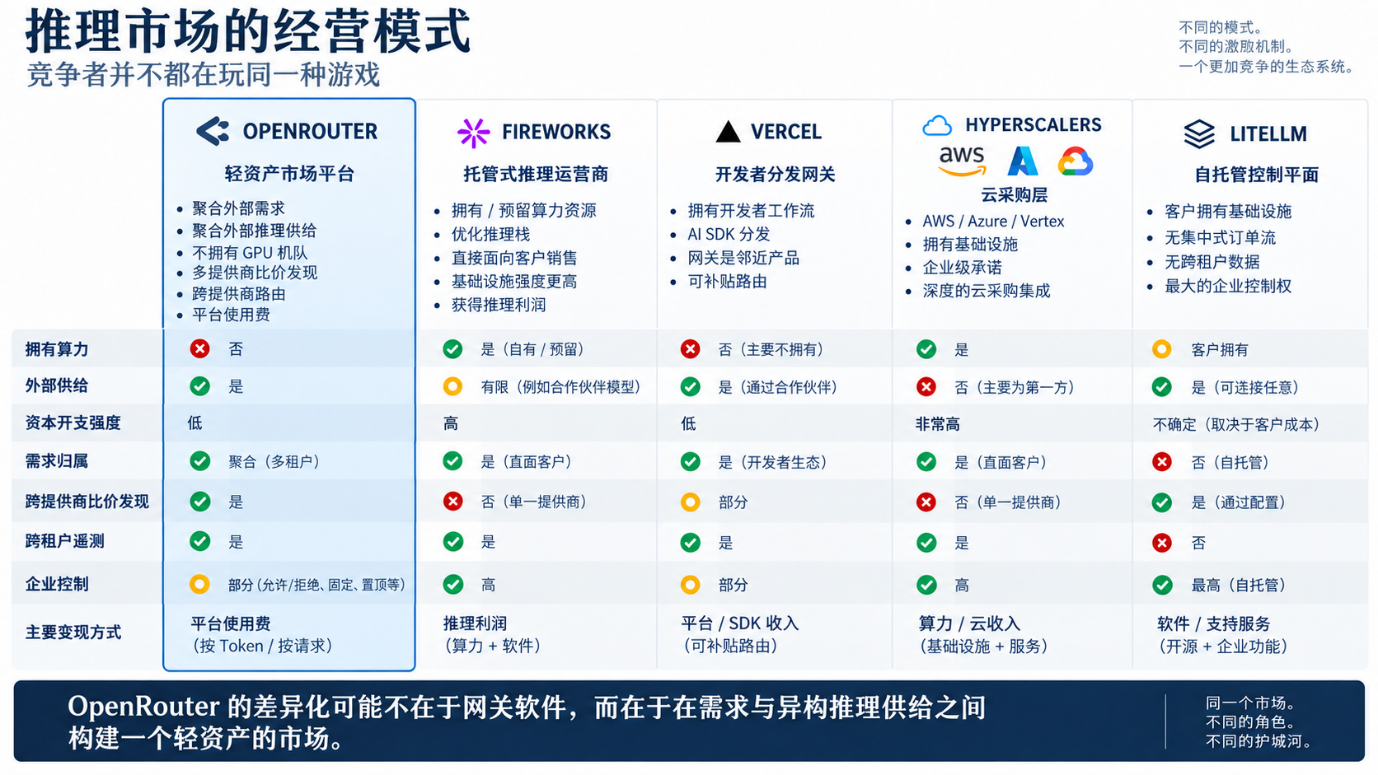
Figure 7 Five Business Models in the Inference Market: Competitors Do Not Play the Same Game.
Comparing competitors strictly as similar gateways will distort the picture. They differ structurally in compute holdings, external supplies, capital expenditure intensity, demand affiliations, cross-supplier price discovery, cross-tenant telemetry, enterprise control, and monetization methods—thus their incentives and moats differ. The most distinct structural feature of OpenRouter is its light-asset approach, simultaneously aggregating external demand and heterogeneous inference supply, making cross-supplier routing itself the core product: it does not hold GPUs, aggregates external demand and external inference supply, and monetizes through platform fees.
The most dangerous opponent is not another, better gateway, but a company that does not need to rely on routing for profits.
Competitor | Structural Weapon | Adjacent Monetization Sources | Threat to OpenRouter |
|---|---|---|---|
Vercel | Developer distribution + zero markup | Hosting and edge computing | The most dangerous independent competitor: open, compatible endpoints that do not require deployment on Vercel and are the default provider for AI SDK |
Ramp | Adjacent monetization + free routing | Enterprise expense management and card business | Proves routing capabilities can be productized and subsidized long-term by adjacent platform products |
LiteLLM | Self-hosted + zero-variable commission | Enterprise subscriptions | Permanently depressed pricing; but self-hosting means no data aggregation, it will not become a peer company |
Ultra-large vendors | Enterprise procurement + cloud commitment limits | Cloud consumption | Marginal procurement friction is close to zero, posing the greatest threat to large enterprise spending |
Direct Connection Labs | First-party economics + strongest native outcome feedback loop | The model itself | Best economy when load is concentrated; marginal distribution cost for in-family routing is zero |
Cloudflare | Infrastructure distribution | Workers ecosystem | Entering the ecosystem through the gateway without relying on it for profit |
7. Economics and Valuation
Has the exponentially exploding usage translated into attractive financial economics?
Revenue = Paid GMV × Comprehensive Rate; while Paid GMV = Paid Token Volume × Effective Price per Token.
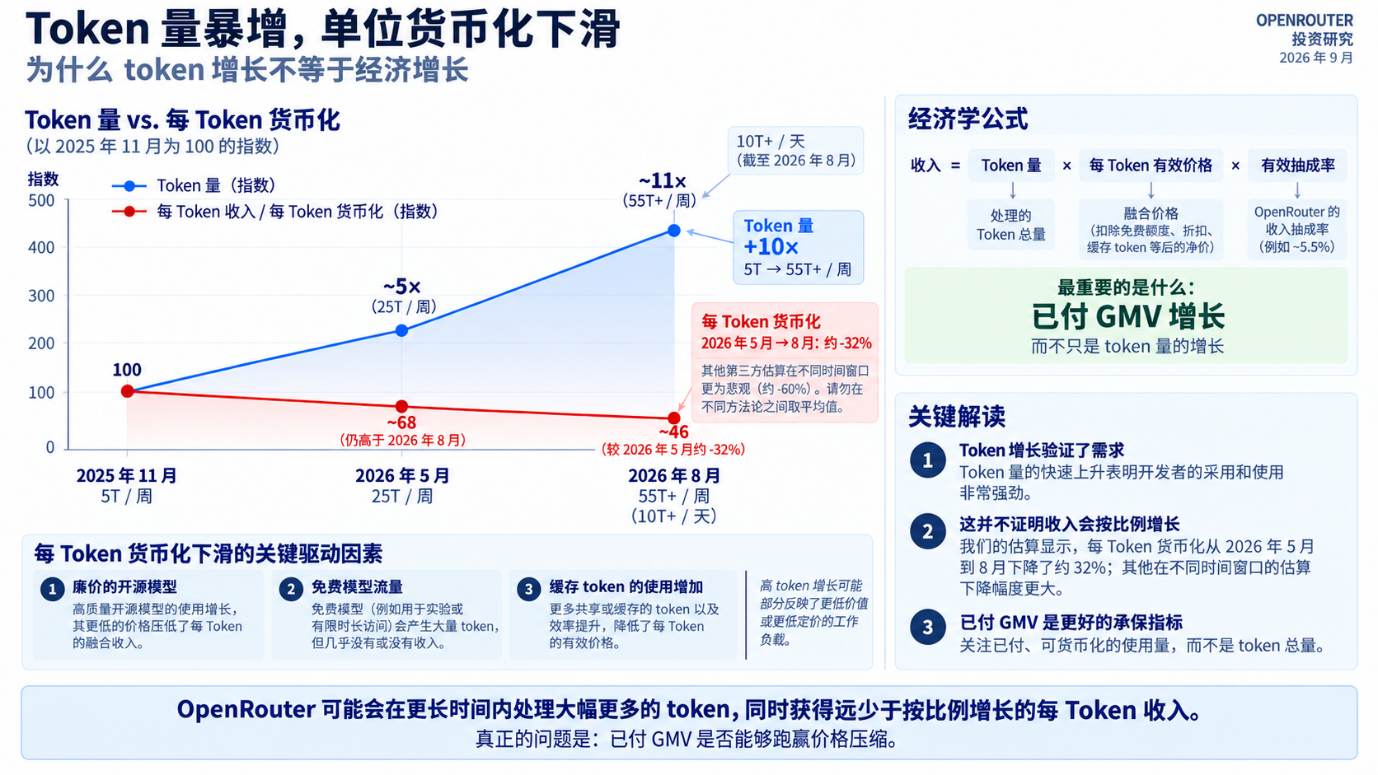
Figure 8 Volume is Exploding, Unit Monetization is Declining.
Among the three factors driving revenue growth, only Token processing volume is upward, while Token price and rates are under continuous downward pressure:
Magnitude Explosion (the only upward factor): Weekly Token processing volume rose from 500 trillion in November 2025 to over 55 trillion by August 2026, growing more than tenfold in nine months.
Sharp Decline in Unit Monetization Rate (two downward factors): Revenue per trillion Tokens dropped from $64.4k in May 2026 to $44.0k in August, down about 32% during the same period.
7.1 Financial Evidence
Metric | Value | Evidence Level |
|---|---|---|
Annual Revenue | About 1 million (end of 2024) → 50 million (2026/03) → 140 million (2026/07) → 160 million (2026/08) USD | Third-party estimate (Sacra) + top media |
Gross Margin | The Information (2026/07): Approximately 140 million revenue, about 40 million service cost, about 100 million gross profit, about 70% gross margin | Top media report, non-audited disclosure |
Independent Verification | Menlo Ventures (2026/06): About 50 people, with about 2 million net revenue per person, implying about 100 million annual net income | Investor public statement |
Per Token Monetization | Approximately down 32% from May to August 2026 (calculated in this article); another time window from Sacra shows a drop of about 60% | Third-party estimate + calculations in this article |
Scenario Implied GMV | Reverse calculation of approximately $3.2–5.3 billion billing inference spending based on a comprehensive fee rate of 3%–5% | Calculations in this article |
Valuation Path | About $547 million (2025/06) → About $1.3 billion (2026/05, B round) → Reported $7–$8 billion (signed in 2026/08) | Top media, multiple metrics compared |
Implied Multiple | 44–57 times annual revenue | Calculations in this article |
8. Why Did Stripe Buy It
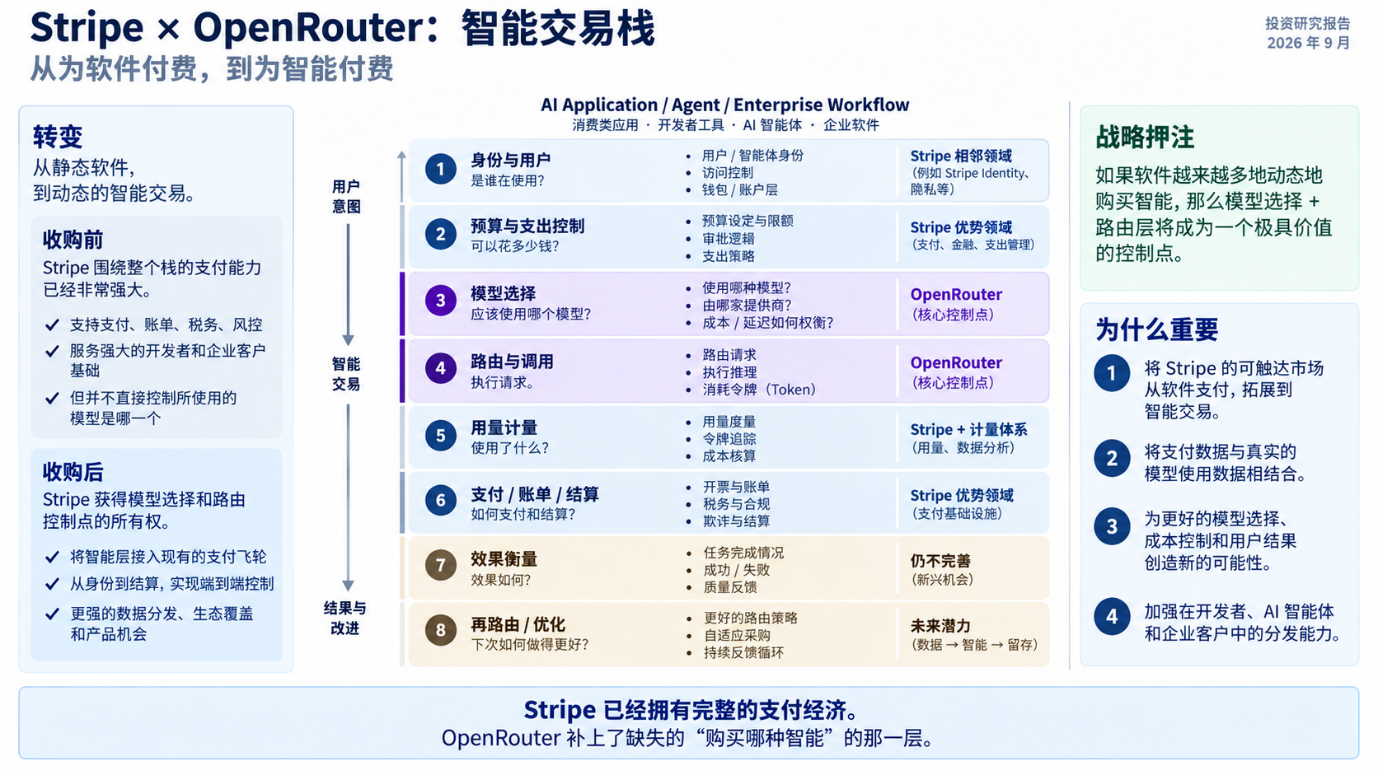
Figure 9 Eight Steps in the Smart Trading Stack.
Stripe’s investor letter framework on August 19, 2026, asserts: Capital and intelligence are becoming two digital flows supporting every enterprise; previously, every developer needed to manage their revenue pipeline, which gave rise to Stripe; now, every developer also needs to manage their intelligence pipeline.
8.1 Instant Economics: Not “Internalizing Payments”
The two parties had deep collaboration as early as January 2026: OpenRouter uses Stripe's Invoicing, Tax, and Radar, and has already integrated token billing. The real increment brought by the acquisition is the ownership, deep integration of product and data, and more complete control over the chain of “who buys which intelligence, how it’s measured and settled.”
8.2 Strategic Control Points
The value of OpenRouter to Stripe lies not in the “gateway” itself but in its potential to become the orchestration layer for intelligent procurement: Stripe has mastery over identity, budgeting, measurement, payment, and settlement, while OpenRouter adds model selection and execution. Together, they have the chance to cover the complete transaction chain from budget to procurement intelligence to settlement for Agents.
8.3 Long-Term Options
The long-term imagination space precisely comes from here: Agent identity → budget → selecting models and suppliers → consuming intelligence → measuring → settling → measuring results → re-optimization. The last two steps are still missing today. If OpenRouter cannot effectively feed back results into future routing decisions, then it remains just a smarter intermediary; if the closed loop is established, it may gradually evolve into a control point for which Stripe is willing to pay a high premium.
Conversely, this is also the biggest risk of the deal: If the most important control points in the Agent economy are budget and settlement, while model selection is merely a free feature, then the strategic value of OpenRouter to Stripe will fall short of today’s expectations.
9. Core Analytical Logic Summary
Bull Case focuses on demand explosion and potential second-layer moats:
Demand and liquidity have been fully validated: weekly Token processing volume rose from 500 trillion to over 55 trillion+, with approximately 9% compound growth weekly since the beginning of the year;
Agentic multi-model migration brings structural tailwind, with its token consumption 5–30 times that of standard chats significantly enhancing the economic value of routing decisions;
On the supply side, OpenRouter has become the preferred global cold start choice for labs lacking self-distribution channels;
The cross-model telemetry data it has sedimented cannot be replicated by other participants in mechanism;
Meanwhile, outcome-aware routing constitutes a potential second-layer moat and comes equipped with corresponding tools;
Financially, its gross margin is about 70%, and coupled with strong transactional counterpart trust, continues to support long-tail customers' willingness to pay.
Bear Case points directly at commoditization pressure and the fragility of the business model:
Routing functions are accelerating into free infrastructure (Vercel zero markup, Ramp free within the year, LiteLLM self-hosted zero commission);
Customer switching costs are extremely low, with technological migration measured in hours, and multi-homing becoming the default state;
Large customers significantly increase the motivation to bypass the proportional commission post-load concentration and procurement scale rise (Graduate Out);
Every token monetization capability continues to be diluted and has a systemic correlation with token growth;
More critically, the outcome closed loop has yet to be validated, with the adoption rate and causal improvements for Auto Router lacking public evidence;
10. Conclusion: OpenRouter Aggregates Value but Has Not Locked it In Long-term
OpenRouter today showcases leadership rather than a moat: it has successfully proven the value of demand aggregation and compute liquidity but has not yet proven customer lock-in; it has sedimented exclusive cross-model telemetry but lacks the most critical outcome data (Outcome Data). Its strongest asset and greatest weakness come from the same source—order flow is easily diverted, and suppliers generally multi-home, while platforms like Vercel and Ramp can downgrade routing to free features at any time.
Stripe’s $7.5 billion premium acquisition is not merely an API traffic entry but a long-term option: betting on whether OpenRouter can leap from “traffic aggregation” to “intelligence generation,” ultimately elevating to the core model selection, measurement, and settlement control point in the Agent economy.
In AI infrastructure investment, the truly scarce asset is the decision advantage that cannot be replicated by competitors through code after the traffic has settled. As competitors bundle routing functions as free tools, can OpenRouter keep customers from changing that one line of base URL even when competitors' routing quotes are zero? The answer to this question will determine whether the $7.5 billion is a premium or a bargain.
Disclaimer: This article utilized AI tools such as Claude Opus 5, ChatGPT-5.6, and Gemini 3.6 Flash during its creation. The author has strived to proofread and ensure the information is true and accurate, but some oversights may still occur, for which your understanding is appreciated. It is important to note that the content of this article is solely for information integration and academic/research exchange, does not constitute any investment advice, and should not be considered any buy or sell recommendations.
免责声明:本文章仅代表作者个人观点,不代表本平台的立场和观点。本文章仅供信息分享,不构成对任何人的任何投资建议。用户与作者之间的任何争议,与本平台无关。如网页中刊载的文章或图片涉及侵权,请提供相关的权利证明和身份证明发送邮件到support@aicoin.com,本平台相关工作人员将会进行核查。