Today, let's talk about a down-to-earth topic: where should ordinary people put their money?
Recently, many of you might have noticed: gold surged significantly not long ago, but now it's starting to fluctuate wildly like a roller coaster; deposit interest rates are continuously falling; the financial products that used to be a sure thing now yield less attractive returns; stocks seem to have opportunities, but their volatility also tests our nerves. Beyond the dilemma of which asset will definitely rise, a more practical question is: how to allocate the money at hand? If we put it all in the bank, the returns are simply unbearable; if we invest a large portion in stocks, gold, or even crypto assets, we might not be able to sleep at night.
Today, let's take a look at several common asset classes, and then we will discuss BNB. First, let's be clear: the risk of BNB is certainly higher than that of deposits, financial products, and gold; it is not a substitute for deposits. Only when the basic configurations are in place and there is a small portion of money left that one is willing to take on high volatility is it worth studying BNB.
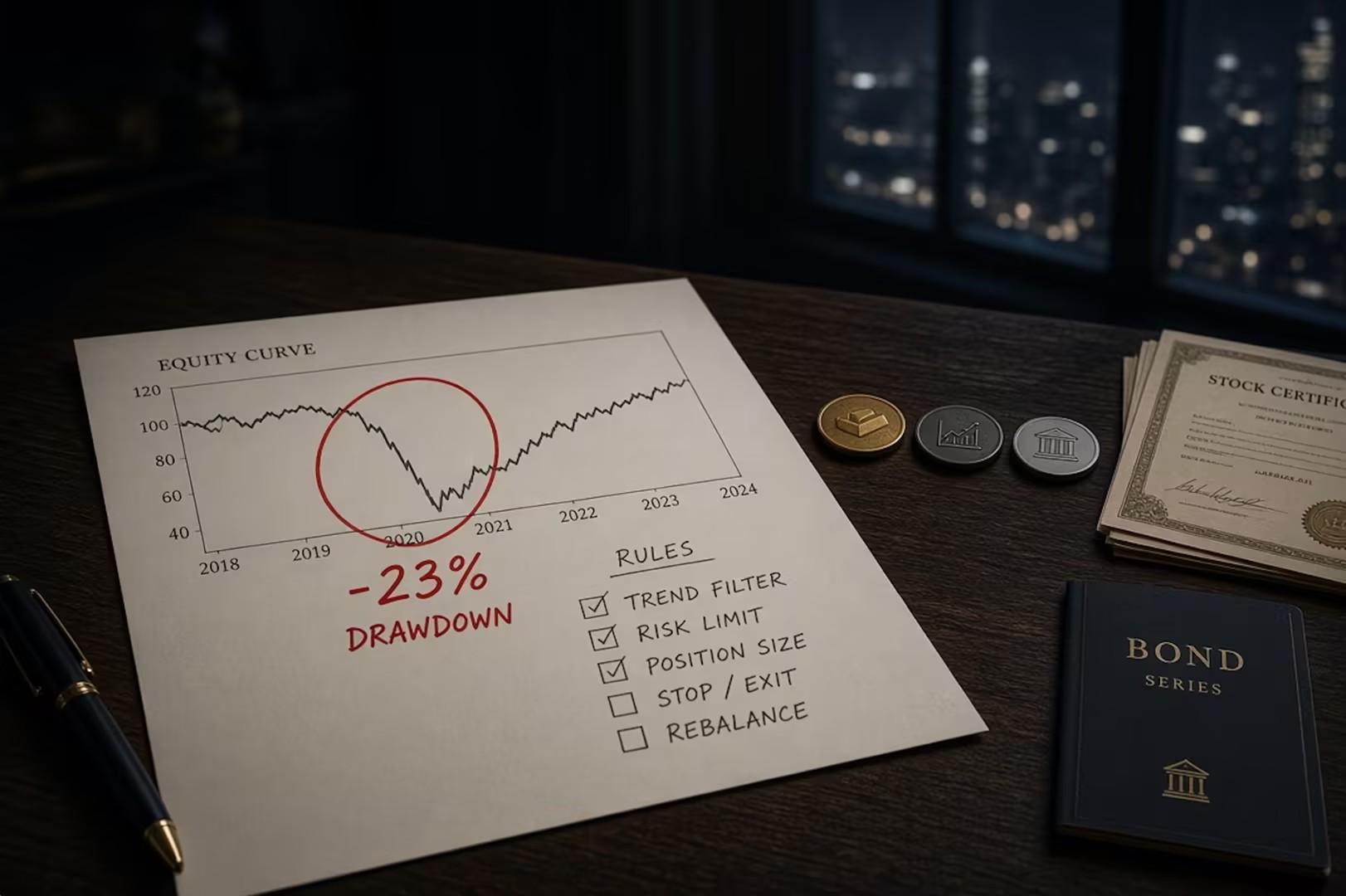
First, let's talk about the asset allocation logic that ordinary people are most familiar with. In the past, ordinary families would repeatedly consider a few asset allocation strategies: looking at real estate for the long term, keeping savings for emergencies, and putting some spare cash into financial products. The priority has always been: first, ensure enough living expenses and emergency funds, then consider savings and low-risk financial products, followed by stocks, funds, and gold as these are more volatile assets, with crypto assets ranked even lower. The reason is simple: the greater the volatility, the less space it should occupy in the portfolio. For example, if there are 500,000 available for investment, after establishing a solid basic allocation, taking out 20,000 to 30,000 to study crypto assets is actually enough. The proportion is not high, but even if there is a significant drop, it won’t disrupt the entire family’s asset structure. Ultimately, investing is not just about finding things that can rise; it also involves accepting that most of the money will not earn quick returns, and this is something everyone must be clear about.
If there are friends just starting to contact crypto assets and don’t have a Binance account yet, please set up the basic account first.
Registration link:
https://jump.do/zh-Hans/xlink-proxy?id=3
(Invitation code: aicoin668, enjoy a 10% commission rebate)
For newcomers to Binance, you can check out this 【Binance Navigation Station】, which includes registration, KYC, red envelopes, bStocks, financial product information, and beginner tutorials all in one place.
👉 Binance Launch Station:
https://app.notion.com/p/Binance-Launch-Station-2a3fa36c4bce80eaa32cf66bb88ded61
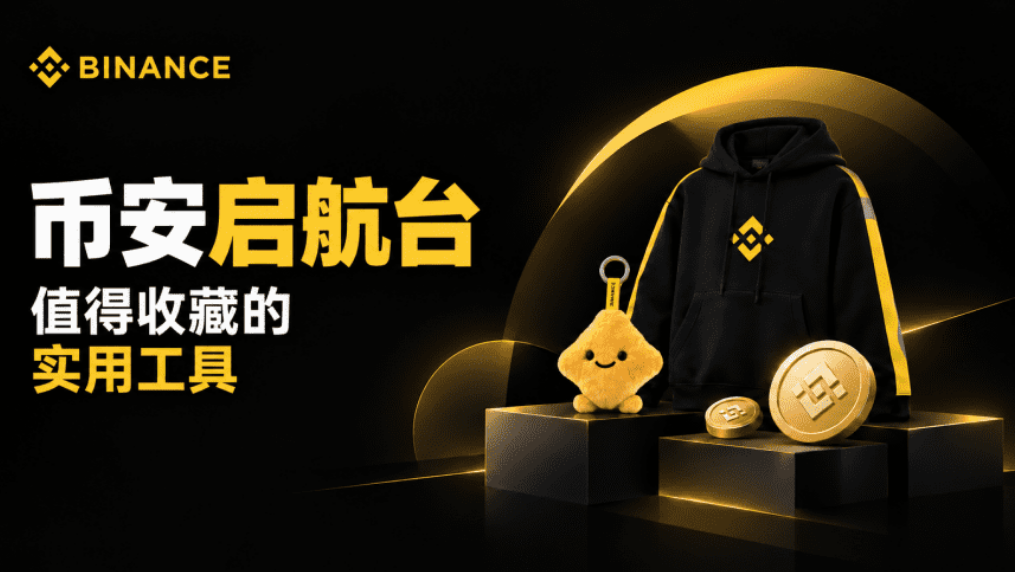
There is currently a new user lottery benefit: complete registration + KYC, and you will have the chance to participate in the lottery! The prize pool benefits include BIBI lucky charms, Binance-themed hoodies, 5U red envelopes, etc., while supplies last.
Event duration: from now until October 2, 23:59 (UTC+8) How to participate:
① Complete Binance registration + KYC identity verification
https://jump.do/zh-Hans/xlink-proxy?id=3
(Invitation code: aicoin668, enjoy a 10% commission rebate)
② Contact AiCoin customer service, send your Binance UID to complete registration, and participate in the lottery
If you have friends who just entered the circle, you can directly forward this to them.
Returning to BNB itself, let’s start from the core supply-demand logic. First, look at the supply. BNB has a continuous burn mechanism, including quarterly Auto-Burn, as well as some Gas burns associated with BNB Chain. The initial total supply of BNB was 200 million coins, with a long-term goal to reduce it to 100 million coins. The logic is simple: the supply is decreasing. But it’s crucial to emphasize: less does not necessarily mean there will be demand for it, and it certainly does not guarantee that the price will rise. What’s more important is always the demand side.
Demand can be divided into two parts: one is the Binance platform itself, where user trading, platform products, Launchpad, Launchpool, etc., will create demand related to BNB; the other is BNB Chain, where on-chain transactions require Gas, and DeFi, stablecoins, RWA, and other ecological activities will also bring usage demand. So when studying BNB, just remember one thing: is demand increasing, and is supply continuing to decrease?
Now let’s talk about BNB Chain. No matter how many stories a public chain tells, ultimately, it comes down to whether there are real transactions on the chain. And since Binance operates in a global market, it faces more regulatory restrictions. To conduct global business in the long term, these cannot be overlooked. Therefore, while looking at Binance, we cannot just look at user numbers; we also need to consider regulatory developments in different regions, whether the business can be continuously implemented, and the activity level of real transactions—after all, these users and transactions are the foundation of BNB demand.
There’s also a recent noteworthy change: in 2026, the US market will see BNB-related spot products. This is worth paying attention to, but don’t assume that “spot products” mean institutional funds are already entering the market in large amounts. Currently, the product scale is relatively small, and its more direct significance is: traditional funds now have a compliant product path to access BNB. Having an entry point does not equal that funds will definitely pour in; these two concepts need to be separated.
If you really want to study BNB, you should keep an eye on a few points: if you particularly value censorship resistance and extreme decentralization, the design compromises of BNB Chain also need to be weighed by yourself. Of course, there’s the most fundamental market risk—it’s still a crypto asset, and it will also drop when the market downturn occurs.
The issue of exchange security that newcomers are most concerned about should be addressed straightforwardly: centralized exchanges inherently come with counterparty risk, so never put your entire wealth in any one exchange. For account security, make sure to enable two-factor authentication and all necessary security features; if you have a larger amount of assets, then consider a more appropriate custody method.
If you just want to start with BNB, it’s best to begin with a small amount. If you don’t have a Binance account, you can register through the official channel:
👉 Binance registration entry:
https://jump.do/zh-Hans/xlink-proxy?id=3
(Invitation code: aicoin668, enjoy a 10% commission rebate)
After completing KYC, check the relevant products according to the actual opening situation in your location.
If you already have an account, you can start from basic functions such as C2C, quick buy, spot trading, and Convert. There’s no need to rush into your first transaction; use a small amount of funds to complete a recharge, transaction, and withdrawal process to familiarize yourself with the workflow before deciding whether to continue. Also, don’t invest a lump sum just because of a sudden increase one day; avoid using high leverage to bottom-fish.
After discussing all this, let’s return to the original question: how to allocate money ultimately depends on how you plan to use it. Money needed for daily spending should be kept stable; emergency funds that must be retained should not be risked; idle funds that won’t be used for several years should be considered for stocks, funds, gold, and other volatile things. Crypto assets can be allocated a bit further back, allocating only as much as one can tolerate in terms of volatility. BNB is the same; it is just one option among many, and whether it fits depends on your individual situation.
There are live broadcasts every day, welcome to continue following the AiCoin community! Reserve early👇
https://www.aicoin.com/zh-Hans/live/list?tab=upcoming
Join our community, let's discuss and become stronger together!
Official Telegram community:
AiCoin Chinese Twitter: https://x.com/AiCoinzh
Aster commission:
https://www.asterdex.com/zh-CN/referral/9C50e2
Hype commission:
https://app.hyperliquid.xyz/join/AICOIN88
Binance commission:
https://jump.do/zh-Hans/xlink-proxy?id=3
Invitation code: aicoin668
Coinbase commission:
https://jump.do/xlink?checkProxy=true&proxyId=25
Invitation code: Y8L23JL
免责声明:本文章仅代表作者个人观点,不代表本平台的立场和观点。本文章仅供信息分享,不构成对任何人的任何投资建议。用户与作者之间的任何争议,与本平台无关。如网页中刊载的文章或图片涉及侵权,请提供相关的权利证明和身份证明发送邮件到support@aicoin.com,本平台相关工作人员将会进行核查。