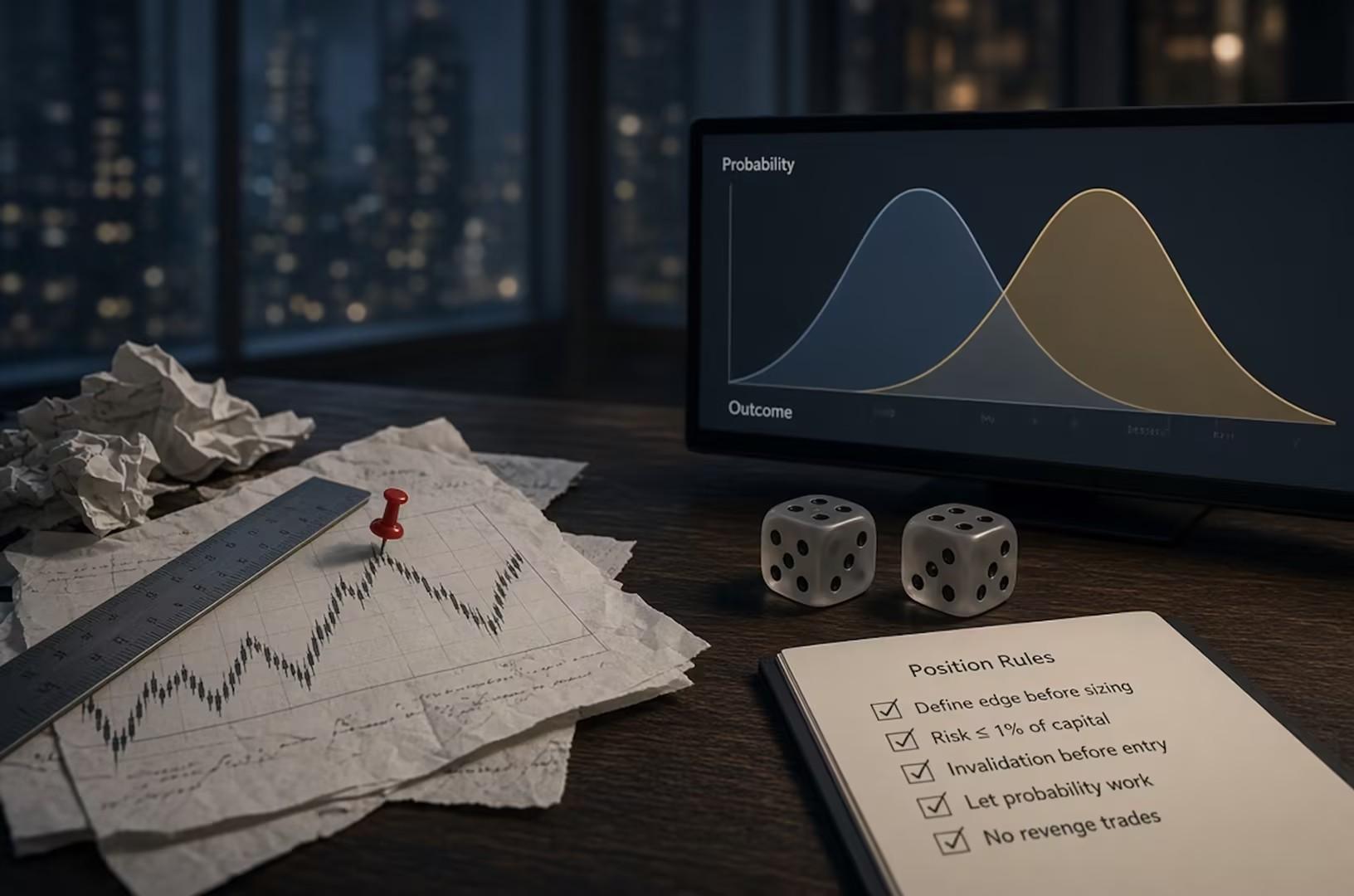
The term premium in the risk of holding duration, while U.S. stocks are still using earnings to counter it
Wall Street is keeping an eye on two numbers this week. One is the term premium: the additional compensation that investors require for holding 10-year Treasury bonds instead of rolling over short-term bonds. Under the ACM model, it was approximately 91.98 basis points on October 8 and about 98.48 basis points seven days ago, remaining above 90 basis points this month, the first time since July 2014. The yield on 10-year Treasuries was around 5.37% during the week, close to its highest level since 2002. Oil prices are still above $100, with fiscal supply and geopolitical factors factored into the duration price.
The other is the S&P 500. It reached a new closing high this week, the highest since mid-August, with a year-to-date increase of over 14%. The Nasdaq has grown approximately +19% year-to-date. The Magnificent Seven has already started to diverge internally: Nvidia and Apple are leading, while Tesla is down for the year, and Microsoft and Amazon are lagging behind the index. Technology and communication services were the only two sectors that rose last month, while the other nine sectors declined.
The fact that these two numbers can coexist is because earnings are still present. According to LSEG, the third-quarter earnings expectations for the S&P are about +31% year-on-year, with approximately two-thirds coming from the technology sector and AI-focused stocks like Alphabet, Amazon, and Meta. Semiconductor earnings expectations are around +136%, slightly down from about +158% in the second quarter. FactSet also reports about +29.5%, while Goldman Sachs is around +27%. This marks the third consecutive quarter exceeding 25%, which is rare in a non-crisis recovery period. Micron and Nvidia alone are estimated to account for over one-third of the total market's quarterly earnings growth.
What does this mean? It’s not that the high term premium should drive down U.S. stocks, but rather that the tolerance for valuation expansion has decreased; the index needs to rely on earnings rather than price-to-earnings ratios to continue its climb. Next week, bank earnings reports will begin; on Wednesday, the September CPI will be published (the market anticipates an overall of about +3.7%, with core inflation around +2.5%). If the CPI raises the probability of an interest rate hike in October, the discount rate will continue to matter; if earnings exceed 25%, the index can remain close to its previous highs despite high term premiums.
AI remains the only main theme, but the validation window has been stretched to earnings report season
Over the past two years, AI has been almost the sole driver of the index’s rise. Nvidia's quarterly data center revenue has reached around $89 billion; Microsoft, Google, Amazon, and Meta’s capital expenditure guidance for 2026 totals approximately $725 billion to $730 billion. The third-quarter earnings expectations have translated this main line into numbers: without AI-related companies, the growth rate of 31% would drop to less than a third.
This week's volatility also revolved around the same line. On Thursday, the Nasdaq fell 1.3%, with semiconductors retreating across the board; Nvidia's market value evaporated by over $160 billion in a single day, triggered by OpenAI's annualized revenue estimate fluctuating between approximately $50 billion and $70 billion. On Friday morning, it rebounded due to reports suggesting a year-end figure of around $70 billion. Berkley remains short on Nvidia, Micron, Palantir, Oracle, etc., citing that capital expenditures may exceed verifiable commercial value and depreciation periods may be extended. The sell-side ratings for several are still buy. Short positions and consensus coexist.
The midterm elections have politicized this main line. The voting day is November 3, less than a month away. Polls show that the Democrats have a good chance of regaining the House. Voters are simultaneously concerned about AI risks, employment, and electricity prices. JP Morgan strategists believe that this midterm election will have a more complex impact on the stock market than the 2024 presidential election, favoring stock selection rather than a singular direction. Trump's financial disclosures from August show that he invested around $25 million in Meta, bought SpaceX-related notes, and sold portions of Nvidia, AMD, and Boeing. This is not policy; it represents holdings; it indicates that even the White House's investment portfolio is making selections within the AI chain.
For emerging market users, the implications of these hotspots are more concrete: while U.S. stocks are reaching new highs, access remains narrow. Traditional brokerage accounts, dollar remittances, and trading hours are still friction points for most cryptocurrency account users. An increased term premium does not automatically provide them with a U.S. brokerage account.
3 billion users want the option to encounter U.S. stocks without first selling their coins
Shunyet Jan, head of trading and transaction services at Binance, clarified the goal on October 9: the competitive focus is no longer limited to cryptocurrency trading but also investing, payments, lending, and asset management within a single account. Unified accounts, cross-asset margin, tokenized assets, and stablecoin payments enable users to utilize their financial value without having to sell underlying assets. The user base exceeds 300 million, with a long-term target of 3 billion; approximately 90% of users for direct stocks and tokenized stock products come from emerging markets.
He Yi previously set the reachable target at 1 billion, while Catherine Chen set 3 billion for 2030 in May. Growing from 300 million to 3 billion is a tenfold increase; projecting based on current growth rates does not automatically apply. What can be verified is whether the product covers the layer of “emerging market users wanting to buy U.S. assets but unable to open traditional brokerage accounts.” The AI earnings season and the midterm elections will only make this layer of demand more visible: More people want to allocate to U.S. tech stocks, but the number of those who can open traditional brokerage accounts has not increased in tandem.
Among the four, bStocks functions as a conduit, not the equity itself
The market value of tokenized U.S. stocks is about $3.5 billion to $4.9 billion. By issuing party value, Ondo accounts for approximately 36.5%, Backed (xStocks) about 26.6%, Binance bStocks about 25.9%, and Robinhood about 4.3%. The BNB Chain accounts for about 35% of the on-chain value. In September, the on-chain transaction volume was about $15.6 billion, with Robinhood accounting for about 42%, and bStocks about 34.7%, together making up approximately 76.7%.
bStocks are certificates, with the underlying shares held in a regulated custody account, designed for a 1:1 economic exposure, allowing some assets to be exchanged for real shares in brokerage channels. Holders do not receive voting rights. Settlements are in USDT and happen 24/7; this is the conduit; shareholder identity is not. Ondo and xStocks are more geared towards on-chain self-custody; Robinhood is integrated into its brokerage application; the growth for bStocks primarily comes from emerging market users already holding accounts with Binance.
When the term premium is above 90 basis points, the S&P near new highs, and third-quarter earnings expectations exceed 25%, these three conditions together present emerging market users with higher opportunity costs and narrower traditional access. bStocks and U.S. stocks in brokerage channels provide the option of “seeing the U.S. asset menu within existing cryptocurrency accounts,” neither lowering the discount rate nor turning certificates into stocks.
What is observable is not the number of 3 billion
Observe whether the term premium falls back below 90 basis points, whether third-quarter earnings exceed 25%, especially whether capital expenditure guidance for semiconductors and hyperscale clouds has been revised down, how the probability of an October interest rate hike progresses following Wednesday's CPI and next week’s bank earnings reports, whether AI regulatory discourse shifts from “safety” to specific legislation after the midterm elections, and whether the market value and transaction share of bStocks relative to Ondo and xStocks continue to rise. Improvement in all these aspects would turn 3 billion from vision into a verifiable path; any reversal in any item keeps the narrative as products associated with exchanges.
Qualified non-U.S. users can trade over 7,000 U.S. stocks and ETFs through the brokerage channel on Binance, with some assets also available through bStocks.
Binance registration link: https://jump.do/zh-Hans/xlink-proxy?id=3
Or log into Binance via the APP and directly enter the invite code aicoin668; the following is exclusive generous registration benefits for the AiCoin invite code:
Benefit one: New customers can receive up to 440U
1. Deposit 100U + trade 100U → receive a 100U position voucher
2. Deposit 1,000U + trade 50,000U → receive another 300U position voucher
3. Deposit 3,000U + trade 200,000U → receive another 40U cash voucher
All three tiers can stack; you can receive the first tier by depositing 100U
Benefit two: Open mystery boxes, with up to 25 RE
1. Register + deposit 50U + trade 100U + log into the App
2. After completion, receive one mystery box, randomly draw RE tokens, up to 25 pieces
This means that a new user can receive dual benefits after completing the task of registration
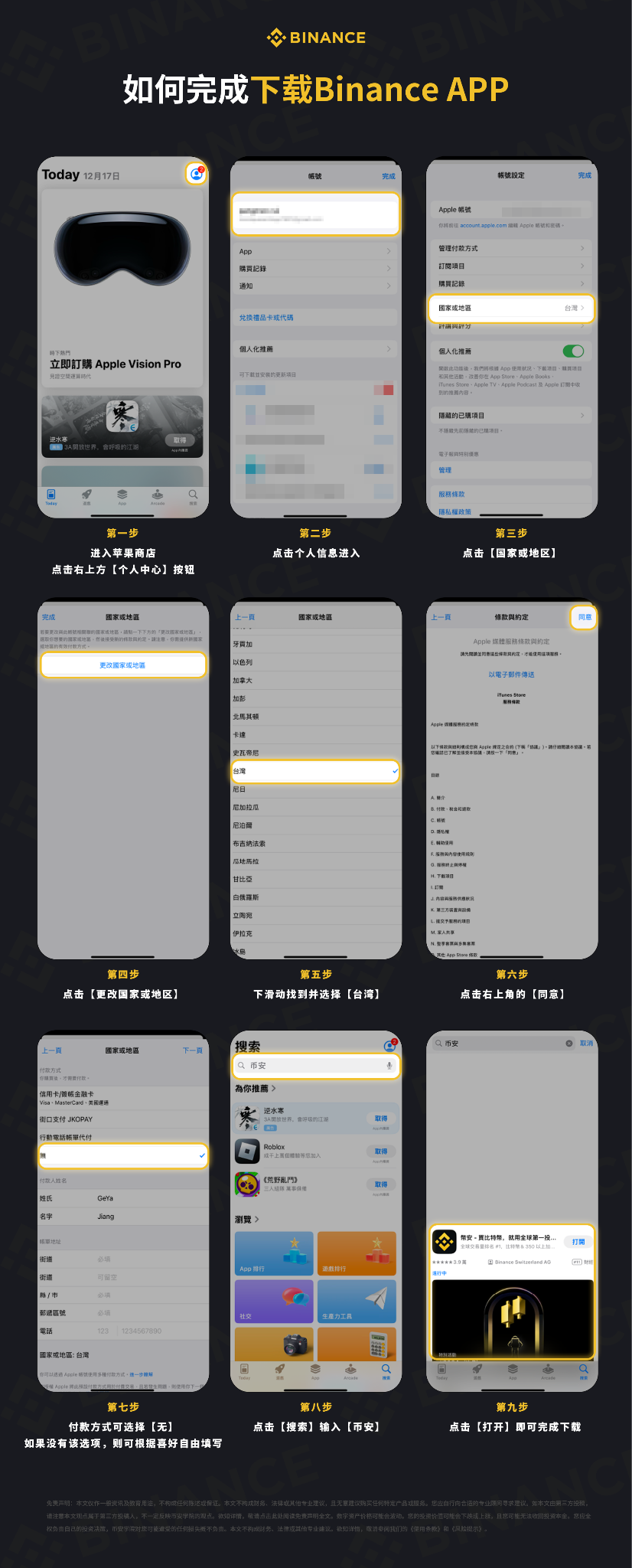
After completing registration and verification, the most suitable first investment is either in broad-based or already profitable AI chain leaders, rather than placing all idle funds on a single story or unverified rights tokens.
The term premium has hit a twelve-year high, purchasing the risk compensation for duration, making forward cash flows more expensive. U.S. stocks reaching new highs signifies that AI earnings are still being realized. Tokenization serves as a conduit, a five-year exemption is a controlled experiment, and neither transforms stocks into risk-free on-chain assets. Registration resolves whether the menu can be seen. Whether to buy receipts or buy rights-bearing securities, to buy broad-based or to buy single stocks, still needs to be documented on the position paper first.
Risk warning: This does not constitute investment advice; there might be a total loss of principal; comply with local laws; do not participate using leverage, borrowing, or living expenses.
免责声明:本文章仅代表作者个人观点,不代表本平台的立场和观点。本文章仅供信息分享,不构成对任何人的任何投资建议。用户与作者之间的任何争议,与本平台无关。如网页中刊载的文章或图片涉及侵权,请提供相关的权利证明和身份证明发送邮件到support@aicoin.com,本平台相关工作人员将会进行核查。