CoinW Research Institute
Abstract
After launching, Papertrade quickly ignited the market with 1000x leverage, zero slippage, and "loss mining," with the open interest (OI) of unrealized contracts reaching around 11 billion dollars, but it fell back to 693 million dollars about 24 hours later. Its core innovation lies in converting traders' losses into liquidity for the fund pool and PAPER token rewards, lowering the cold start threshold for perpetual DEX while also concentrating risks on external quotations, profit payouts, and token incentive mechanisms. The debut demonstrated market interest in new trading models, but whether Papertrade can stabilize payouts during extreme market conditions and convert short-term popularity into sustainable trading demand remains to be seen.
1. Instant popularity followed by rapid cooling
On October 10, the perpetual contract trading platform Papertrade, built on the Hyperliquid ecosystem's HyperEVM, officially opened for trading, quickly becoming a popular project in the weekend Crypto market. Against a backdrop of increasing competition in Perp DEX, Papertrade attracted a large number of traders with its maximum 1000x leverage, zero slippage, no funding rates, and unique "loss mining" mechanism. Unlike traditional order book exchanges, Papertrade does not require external liquidity providers (LPs) to pre-fund but instead accumulates a fund pool through traders' losses and grants PAPER token rewards to losing users. This design enabled the platform to gain rapid attention shortly after its launch.
The data performance after the launch was extremely volatile. According to Bitcoin.comNews, Papertrade's OI reached around 11 billion dollars but then fell to 693 million dollars within about 24 hours, a decrease of approximately 93.7%. During the same period, the total locked value (TVL) also significantly retreated. According to DefiLlama data, as of October 12, Papertrade's TVL was about 67.96 million dollars. It is important to note that the 11 billion dollars OI is the nominal holding scale amplified by high leverage and does not represent actual deposits; TVL also includes trader balances and protocol fund pools and cannot be directly viewed as liquidity available for profit payouts.
Moreover, it is noteworthy that price manipulation controversies arose just hours after the platform launched. According to The Block, based on on-chain transactions and platform account records, a trader achieved approximately 1.28 million dollars in net profit by influencing Hyperliquid's ETH price on Papertrade. Papertrade subsequently stated that the user returned most of the profits to the fund pool through other accounts, though this claim has not been independently verified. The platform also admitted that initial position limits were relatively loose and began adjusting risk parameters. Within just one weekend, Papertrade experienced an influx of funds, a sharp drop in positions, and price manipulation controversies. The market's excitement quickly died down, but the protocol's risk control ability has yet to be thoroughly validated.
2. 1000x leverage, zero slippage, and profit queuing: How does Papertrade operate?
Papertrade's trading model differs from Perp DEXs like Hyperliquid and Lighter that use order book matching. It employs a fund pool counterparty model, where the protocol fund pool bears the profits and losses of traders without requiring users to match directly with other traders. This model is not original, as protocols like GMX and Gains Network have adopted similar designs. The main difference of Papertrade is that it does not require external LPs to pre-inject liquidity but allows the fund pool to gradually accumulate capital through traders' losses.
In terms of pricing, Papertrade executes trades based on the optimal buy and sell price midpoint from Hyperliquid's order book. Since user orders do not actually consume external order book depth, large orders do not lead to traditional slippage, which is why the platform can offer zero slippage trading. However, zero slippage does not mean zero cost, as profitable positions may still be affected by profit adjustment mechanisms, and the platform will set position and risk limits. Meanwhile, 1000x leverage means that a price reversal of just 0.1% could lead to a theoretical loss equivalent to the entire initial margin, and actual liquidation may occur even earlier.
More uniquely, there is the Martingaler Protocol fund pool mechanism. Traditional LP models usually require funds to be prepared in advance to bear trader profits, but Papertrade allows the fund pool to start from zero, using actual trader losses to pay the profits for other users. Suppose user A trades and makes a profit of 100 USDC, but the fund pool temporarily lacks sufficient capital. A can withdraw the initial margin back, while the unpaid profit enters a waiting queue. If user B subsequently loses 60 USDC, this amount can be used to pay part of user A's profit, with the remaining 40 USDC continuing to wait for subsequent fund inflows. Papertrade's innovation lies in converting trading losses into capital for the fund pool and resolving the funds shortage issue during the cold start phase through the profit queuing mechanism. It has changed the traditional way LPs pre-inject funds but has also linked profit payouts directly to the actual capital inflows of the fund pool.
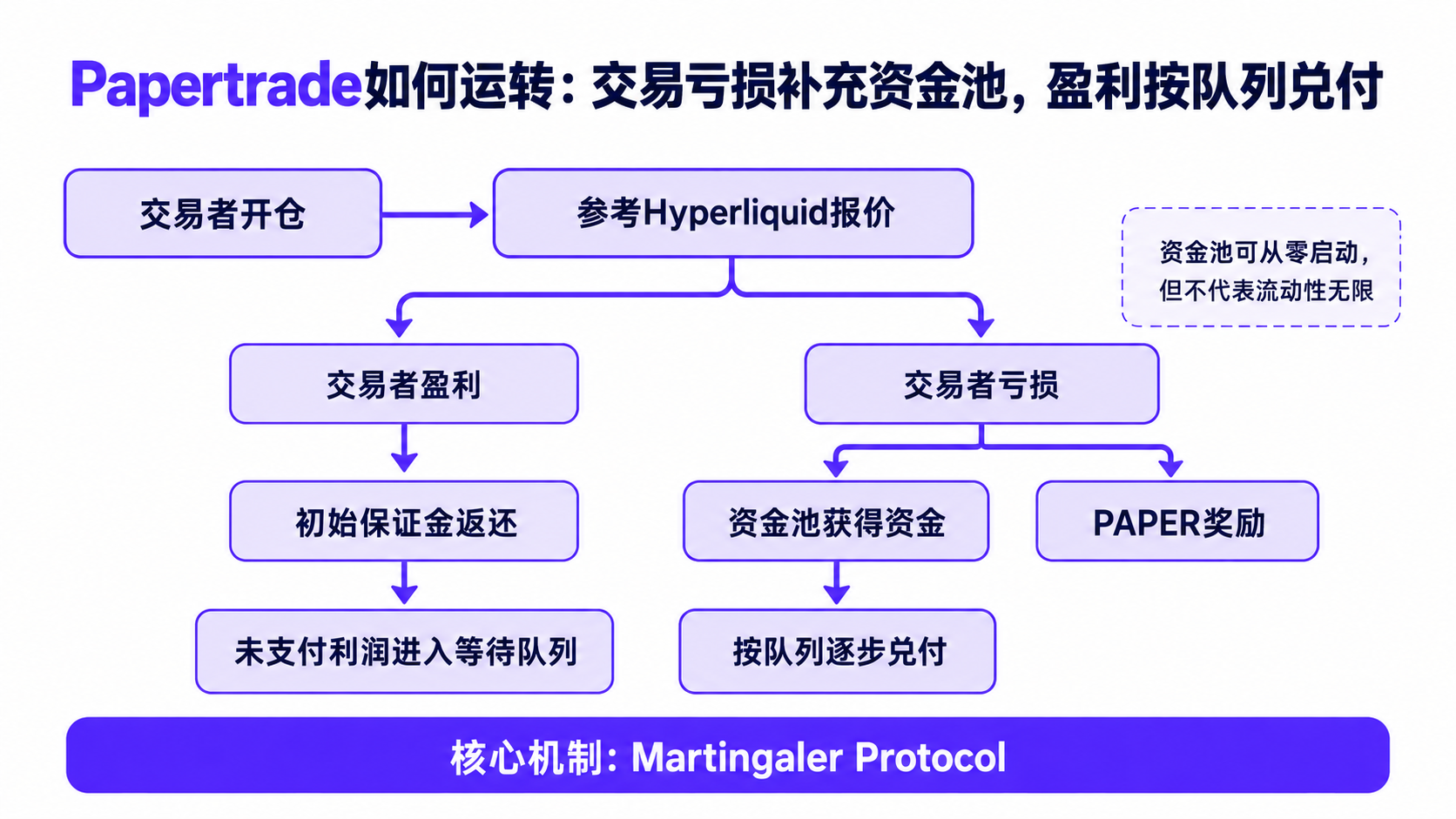
Figure 1: Papertrade trading mechanism flowchart. Source: CoinW Research Institute
3. The 128,000 dollars controversy: What risks did Papertrade expose?
Papertrade's debut exposed two types of interconnected risks, one originating from external prices and the other from the internal fund pool. First is the safety of reference prices. Papertrade uses external quotes from Hyperliquid for trade pricing, but the profits and losses are borne by its own fund pool. When short-term price fluctuations in the external market can be amplified into profits and losses of Papertrade's high leverage positions, the protocol must ensure that the cost of impacting external quotes significantly exceeds the potential returns from the fund pool. The price manipulation controversy on October 11 regarding ETH is a specific manifestation of this risk. Even if the platform does not need to directly consume order book liquidity, it does not mean its reference prices are inherently safe.
Secondly, there is the solvency of the fund pool. As Papertrade relies on trading losses to replenish funds, when the market continually produces significant profits, and new losses are insufficient to cover payout demands, the profits pending payout may keep accumulating. For traders, there may be a timing difference between paper profits and actual receipts. Especially in extreme market conditions, a few large profitable positions could impose significant pressure on the fund pool. Therefore, to assess whether the protocol is safe, it is necessary to monitor not just TVL or trading volume but also the net value of the fund pool, unpaid profits, and potential liabilities.
After the event, Papertrade began tightening position limits and other risk parameters, but this also raises questions about the protocol's management authority. According to Papertrade Official Documentation, the relevant multi-signature authority can adjust OI limits, minimum margin, and some fees and risk parameters, and can suspend trading or freeze the market under specific circumstances. The contract upgrade has set a 7-day time lock, but users still need to pay attention to the transparency and implementation boundaries of parameter adjustments. For a platform that supports up to 1000x leverage, flexible risk control is indeed necessary, but frequent or opaque rule adjustments may also affect user trust. This incident further indicates that Papertrade's risk control cannot solely rely on increasing margins or limiting positions; it also needs to establish a more reliable reference price mechanism and clarify the rules for capital payouts and administrator interventions in extreme situations.
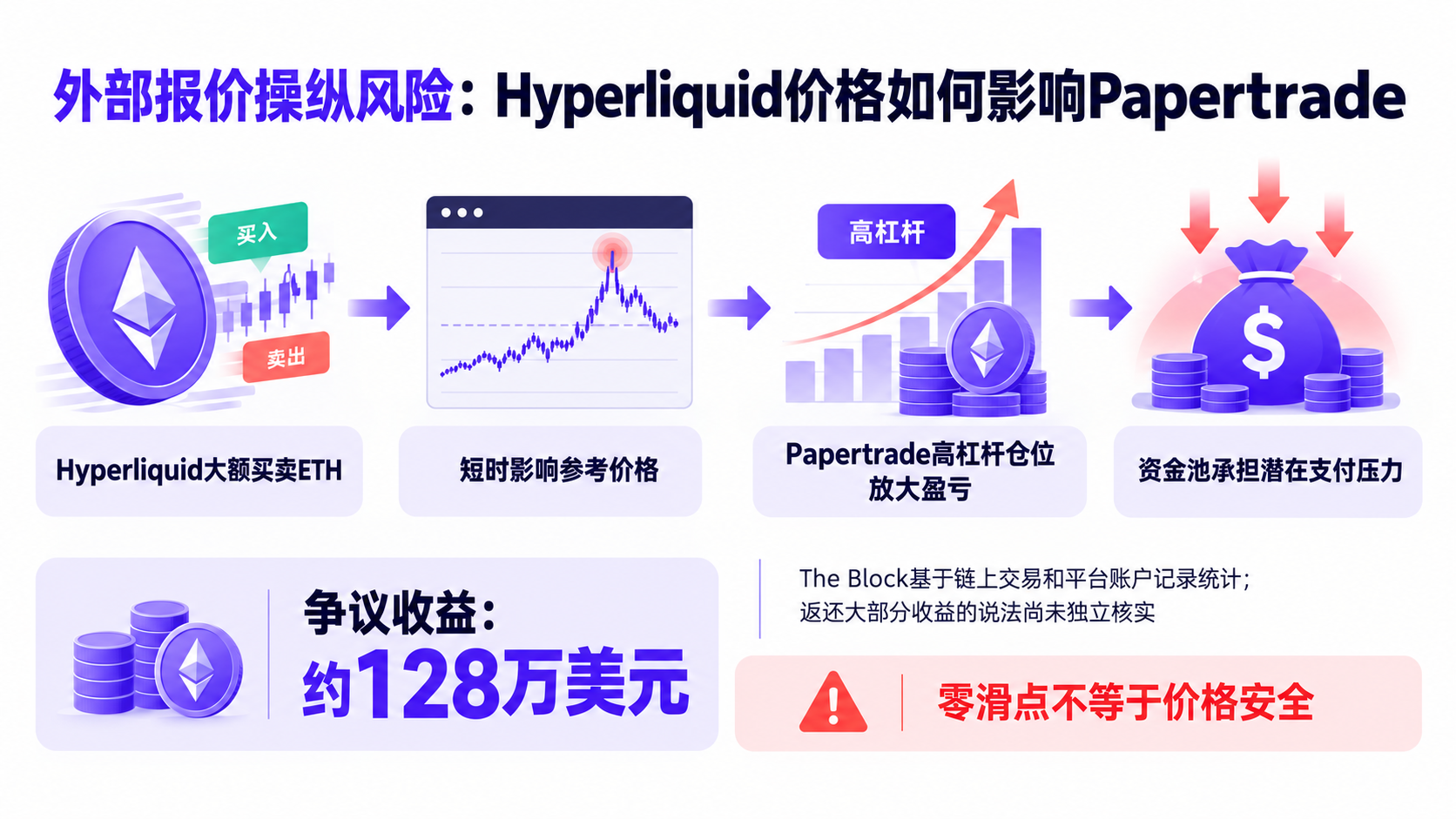
Figure 2: Risks of external price manipulation. Source: CoinW Research Institute
4. From loss mining to PAPER tokens: Can value capture be established?
In addition to the trading mechanism, Papertrade's most controversial design is the direct linkage of actual trading losses to token issuance. According to Papertrade Official Documentation, when the scale of the protocol fund pool is below 2 million dollars, every dollar lost can earn 100 newly minted PAPER tokens, and the issuance rate gradually decreases as the fund pool scale increases. Unlike traditional transaction mining that distributes rewards based on trading volume, Papertrade only mints tokens when users generate actual losses, establishing a direct connection between token issuance and fund pool revenues. PAPER has no pre-mined, team, or VC initial allocations, and it does not support free transfers in the early stages, attempting to control early token supply and selling pressure while attracting traders.
This design has historical references. In 2018, the EOS ecosystem saw a surge of gaming DApps adopting “betting mining + holding dividends," where users obtained tokens through betting and then shared platform revenues. However, since rewards were usually distributed based on betting amounts, some users exploited the system by repeatedly betting to accrue tokens, leading to issuance far exceeding actual revenue, ultimately becoming unsustainable. In contrast, Papertrade shifted the mining condition from trading volume to actual losses and linked the issuance speed to fund pool revenue, which somewhat improved the disconnection between token issuance and protocol revenue seen in early trading mining. However, if fund pool revenues decline and minting speeds increase again, inflationary pressures on the tokens may still recur.
But Papertrade also faces new problems that traditional gambling mining labs rarely encounter. As it references Hyperliquid for trading prices, users may attempt to create positions on both platforms that are in opposite directions, leading to losses on Papertrade while hedging losses through the opposite positions on Hyperliquid, allowing them to acquire PAPER at relatively lower net costs. Although actual operations still incur risks such as transaction fees, price differences, funding rates, and mismatches in profits and losses, this means the actual losses within Papertrade may not equal the user's net losses in the overall market. If the expected value of PAPER exceeds the hedging costs, loss mining could evolve into a cross-platform arbitrage strategy, driving growth in token issuance without necessarily generating a corresponding scale of real trading demand.
From the perspective of value capture, PAPER primarily serves incentive and revenue distribution functions. Users can share part of the settlement income flowing into the fund pool through staking, and when the fund pool exceeds a set limit, any excess may also be distributed to stakers according to the rules. However, this is not fixed income, as actual distributions depend on the protocol’s operation and the condition of the fund pool. Initial transfer restrictions can delay selling pressure but cannot eliminate the concentration selling risks after future circulation opens. If trading activity is mainly driven by mining incentives, as incentives wane, trading volume, protocol revenues, and token values may all come under pressure simultaneously. Therefore, while Papertrade’s token model has improved compared to early trading mining, it still needs to address the balance between cross-platform hedging arbitrage, token supply, and real user retention. Future attention should be paid to the actual minting amount of PAPER, staking yields, USDC distribution scale, and whether a stable market demand can be formed after opening circulation. Only if protocol revenues can continuously support token value does PAPER have a chance to break away from the positioning of short-term mining rewards and become a protocol asset with long-term value capture capabilities.
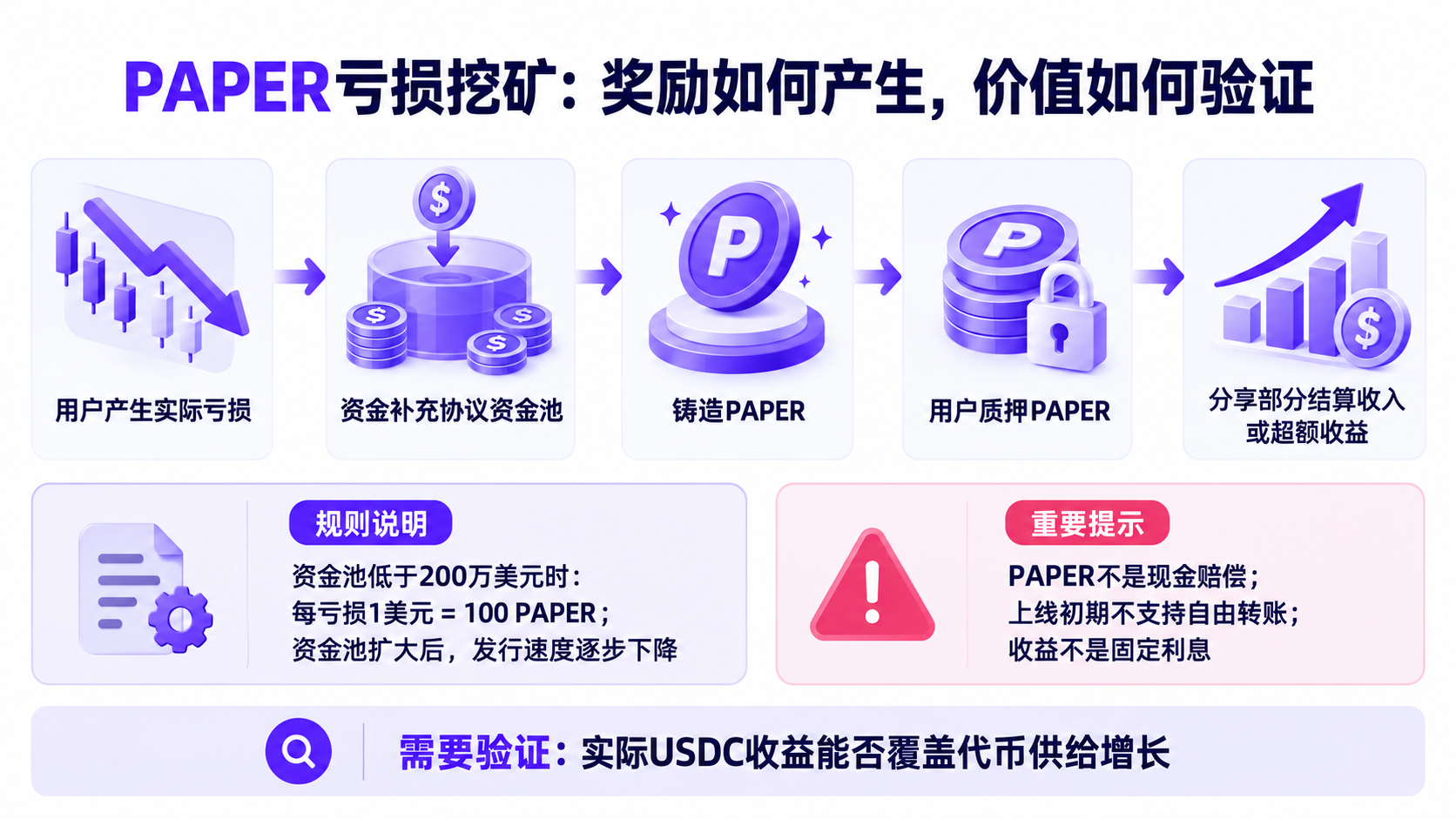
Figure 3: PAPER loss mining and value capture. Source: CoinW Research Institute
5. From short-term trading frenzy to long-term value, what challenges does Papertrade still need to overcome?
The next phase for Papertrade requires dual scrutiny of trading retention and fund pool solvency. Focus on changes in net value of the fund pool, pending profit payouts, and queuing amounts to assess whether the protocol can cover actual payment obligations; observe OI and trading volume retention after the initial excitement fades, and whether the costs of external price manipulation have significantly increased after tightening risk parameters. For PAPER, it is important to track the minting volume of the token, staking scale, actual USDC revenue distribution, and future circulation arrangements to evaluate whether token supply can balance with protocol value capture. Papertrade has already proven that the market is willing to pay attention to the new Perp DEX mechanism and high leverage narrative. However, attention is not liquidity, and nominal OI is not solvency. When incentives decrease and the market undergoes extreme fluctuations, or even when traders overall make profits, whether the fund pool can still complete settlements as per rules will be the key to determining whether Papertrade can evolve from a weekend hotspot into a sustainable derivatives protocol.
This article is for market research and mechanism analysis only and does not constitute any investment or trading advice. High-leverage derivatives may lead to rapid losses of margin, and Papertrade is still in its early stages; the mechanisms, risk parameters, and liquidity conditions may change rapidly.
References
1. Papertrade docs: https://www.papertradehyper.org/docs/
2. DefiLlama, Papertrade TVL data: https://defillama.com/protocol/papertrade?tvl=true
3. Bitcoin.com News — Papertrade OI fell by 93.7%: https://news.bitcoin.com/featured/papertrades-wild-weekend-ends-with-93-7-open-interest-wipeout/
4. TokenPost — Papertrade initial trading data and market performance: https://www.tokenpost.com/news/investing/29933
5. The Block — Papertrade approximately 1.28 million dollar trading controversy: https://www.theblock.co/news/defi/2026-10-11-trader-nets-1-28-million-on-new-1000x-exchange-papertrade-by-moving-hyperliquids-eth-prices-418239
6. CoinNess — Papertrade OI decline report: https://coinness.com/en/news/1171392
免责声明:本文章仅代表作者个人观点,不代表本平台的立场和观点。本文章仅供信息分享,不构成对任何人的任何投资建议。用户与作者之间的任何争议,与本平台无关。如网页中刊载的文章或图片涉及侵权,请提供相关的权利证明和身份证明发送邮件到support@aicoin.com,本平台相关工作人员将会进行核查。