1. Trump says the time has come for a decision, and the US-Iran negotiation remains uncertain
US President Trump recently stated that the time has come for the US to make a decision on its next steps regarding Iran: either reach an agreement or resume military strikes.
This statement indicates that the diplomatic and military game between the US and Iran is still at a critical stage.
Trump had previously hinted that the US might resume military strikes against Iran after the November 3 US midterm elections and was planning to increase military presence in the Persian Gulf. At the same time, he also mentioned that there is still an opportunity for the US to reach an agreement through negotiations.
On October 25 local time, Trump further stated that the US would not launch strikes against Iran on that day.
However, this does not mean that the military risk has been alleviated. US officials have warned that the situation may become more dangerous between the end of the midterm elections and the official inauguration of the new Congress.
The Iranian side stated that despite limited progress in negotiations, communication through intermediaries is ongoing, and the diplomatic window has not yet closed. However, Iran also opposes some of the requests made by the US, and there are still significant differences between the two sides.
Therefore, the current situation is not simply one of "imminent war" or "imminent peace," but rather that negotiation channels still exist, and military pressure continues.
What is truly worth attention is whether the US and Iran can move from signaling negotiation willingness to a concrete agreement, and whether the US will change its military action arrangements in the future.
📌 If you want to continuously track BTC, ETH, and the impact of macro data on the market, you can follow the public account "Crypto Lao Ding," which explains significant market changes and the underlying logic every day.
2. Why will the US midterm elections and Israeli elections affect the situation?
This round of the US-Iran situation has a special background: both the US and Israel are facing important electoral deadlines.
The US midterm elections are scheduled for November 3. The Trump administration needs to weigh military action, diplomatic negotiations, and domestic politics, while the duration of the war, economic costs, and fluctuations in energy prices may also influence political discussions domestically.
On the Israeli side, parliamentary elections are scheduled for October 27. Current Prime Minister Netanyahu faces fierce competition, and there is uncertainty about whether his ruling coalition can secure a majority in the parliament.
Reports suggest that some US officials believe the results of the Israeli elections may affect the Trump administration's ability to advance its Middle East policy. However, this does not mean that the election results will necessarily determine whether the US resumes military strikes against Iran.
The reason is that while the US and Israel cooperate on the Iranian issue, their respective security goals, domestic political pressures, and assessments of the costs of war are not completely aligned.
If there are changes in Israeli politics, the coordination between the US and Israel on military actions, negotiation conditions, and regional security arrangements may also adjust accordingly.
Conversely, if Netanyahu continues to govern, his government will still need to consider the military costs of war, regional security risks, and its relationship with the US.
Therefore, elections are an important variable for observing the situation, but they are not the only factor determining the course of the war. Subsequent judgments will also need to consider the military deployments of both sides, diplomatic communications, and actual attitudes toward ceasefire conditions.
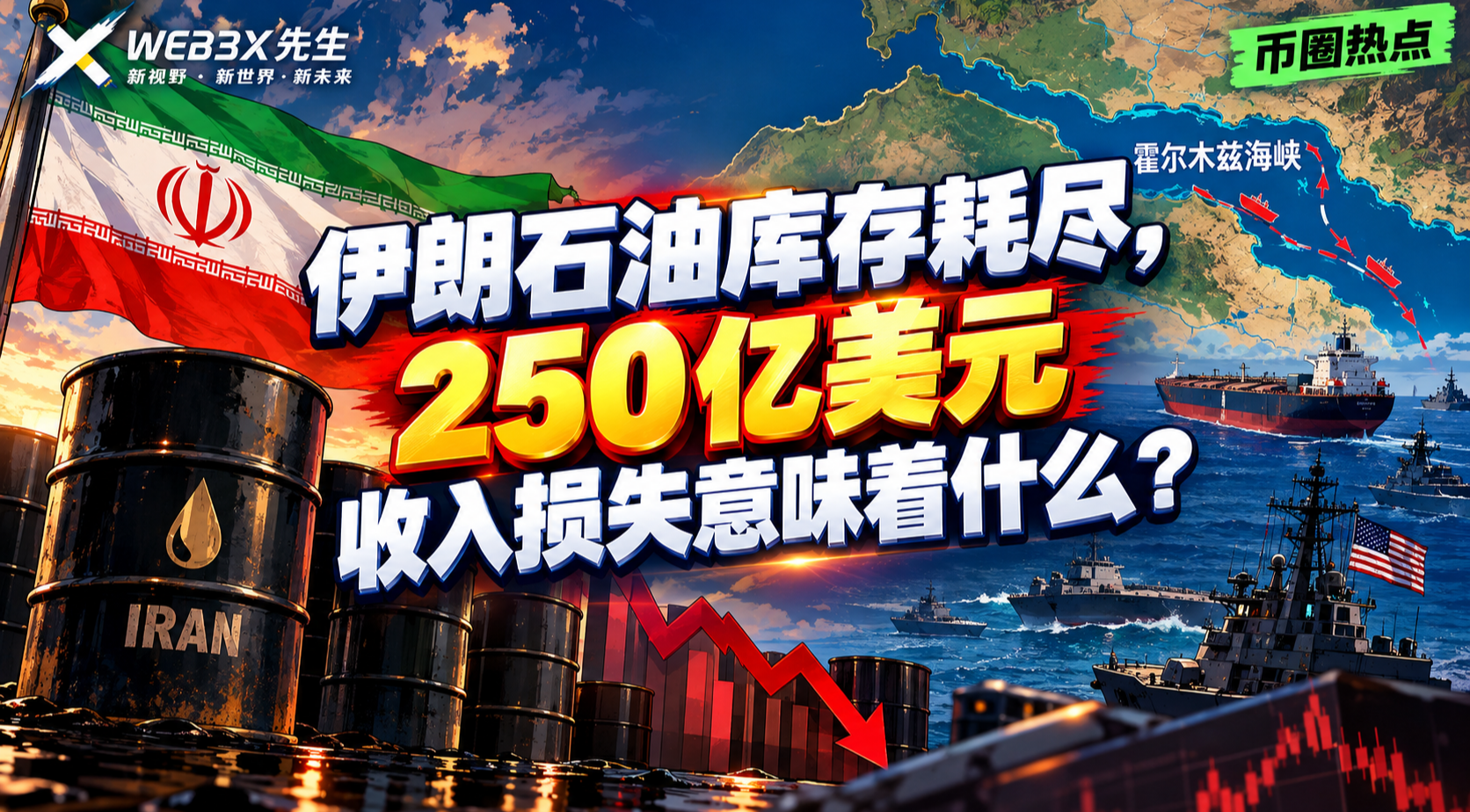
3. Rising risks in the Strait of Hormuz, what impacts could the global energy market face?
In addition to political maneuvering, the security of shipping in the Strait of Hormuz is also worth attention.
This strait is one of the world’s important oil transportation routes. Recently, Iran and its affiliated armed forces have threatened certain shipping targets, increasing the risk of relevant attacks; the US is also strengthening protections for commercial shipping and adjusting personnel deployments in some regions of the Middle East.
If the situation escalates further, shipping of tankers, transportation insurance, and shipping costs may all be affected.
It is important to distinguish between two concepts: whether oil can be produced normally, and whether oil can be transported safely. Even if oil-producing countries can still produce crude oil, if transport routes are threatened, the market may still face supply uncertainty.
This is also why changes in risks in the Strait of Hormuz could trigger fluctuations in international oil prices.
If negotiations make progress and shipping risks decrease, the market's concerns about supply disruptions may ease; if military conflicts escalate and energy transportation is further disrupted, oil prices may face new upward pressures.
However, oil prices are not determined solely by geopolitical factors; global demand, policies of oil-producing countries, and the supply capacities of other transportation routes are also significant. Therefore, one cannot simply conclude that oil prices will continue to rise just because the situation is tense.
📌 If you want to continuously track BTC, ETH, and the impact of macro data on the market, you can follow the public account "Crypto Lao Ding," which explains significant market changes and the underlying logic every day.
4. From oil prices to BTC, what should the market observe next?
For the financial market, the impact of the US-Iran situation is not only reflected in crude oil prices but may also transmit through inflation expectations, interest rate paths, and risk preferences to other assets.
This transmission chain can be simply understood as:
Rising geopolitical risks → Increased uncertainty in oil transport → Oil prices may rise → Inflation pressure may increase → Changes in market expectations for Federal Reserve policy → Global risk assets being repriced.
If oil prices continue to rise, the market may worry that energy costs will drive inflation back up, which may influence the Federal Reserve's future decisions on interest rate cuts or maintaining rates. Fluctuations in the US dollar and US Treasury yields may further affect global capital flows.
For BTC and other cryptocurrencies, this does not mean that rising oil prices will necessarily lead to price declines. How the market ultimately reacts will also depend on the dollar's performance, US Treasury yields, capital flows, and the supply-demand dynamics in the cryptocurrency market itself.
Three signals to observe next are:
First, whether there are substantive advancements in US-Iran negotiations. Whether the parties propose executable conditions is more valuable than mere positive statements.
Second, whether shipping risks in the Strait of Hormuz continue to escalate. Actual navigation situations, frequency of attacks, and transportation costs can help assess whether energy supply risks are changing.
Third, how oil prices, the dollar, and US Treasury yields interact. If oil prices rise while the dollar and yields strengthen, risk assets may face greater pressure; if energy risks ease, the market's expectations for inflation and interest rates may also adjust accordingly.
It should be emphasized that these are possible transmission paths rather than definite market outcomes. Investors should observe subsequent data and real actions rather than making premature judgments about market direction based solely on political statements.
📌 Mr. X of Web3: The real key is whether negotiations can change the actual situation
Trump's statement on Iran once again places diplomatic negotiations and military actions in front of the market.
The upcoming US midterm elections, Israeli elections, and shipping risks in the Strait of Hormuz make the future situation more complex. However, there are still diplomatic communication channels, and military escalation has not yet become a confirmed outcome.
Therefore, determining whether a true turning point in the situation has occurred cannot rely solely on one statement from Trump or short-term fluctuations in oil prices.
What is more valuable is to observe whether there are substantive changes in US-Iran negotiation conditions, adjustments in military deployments, and whether energy transportation risks are truly decreasing.
For participants in the cryptocurrency market, geopolitical factors are just the starting point; ultimately, they still need to assess the impact of oil prices, inflation expectations, the dollar, and US Treasury yields on the financial environment and risk assets.
—— I am Mr. X of Web3, growing in Web3 for six years, focusing on Bitcoin, the cryptocurrency market, macroeconomics, and industry trends. If you want to continuously track BTC, ETH, HYPE and the impact of macro data on the market, you can follow the public account "Crypto Lao Ding." Understand the trends, insight the logic, and establish your own judgments, rather than just watching price fluctuations.

免责声明:本文章仅代表作者个人观点,不代表本平台的立场和观点。本文章仅供信息分享,不构成对任何人的任何投资建议。用户与作者之间的任何争议,与本平台无关。如网页中刊载的文章或图片涉及侵权,请提供相关的权利证明和身份证明发送邮件到support@aicoin.com,本平台相关工作人员将会进行核查。