When many people hold stablecoins, the biggest issue is not the lack of earning opportunities, but rather having to deposit, exchange, borrow, and adjust positions again after each strategy expires. The process is complicated, making it easy to miss the timing, and it may also affect the final returns due to Gas fees, slippage, and operational errors.
OKX Wallet's latest official announcement shows that the first phase of USDG circular earning has expired. If users wish to continue participating, they can use the “migration” feature to transfer their current positions to the second phase with one click; if they do not wish to continue, they can redeem at any time.
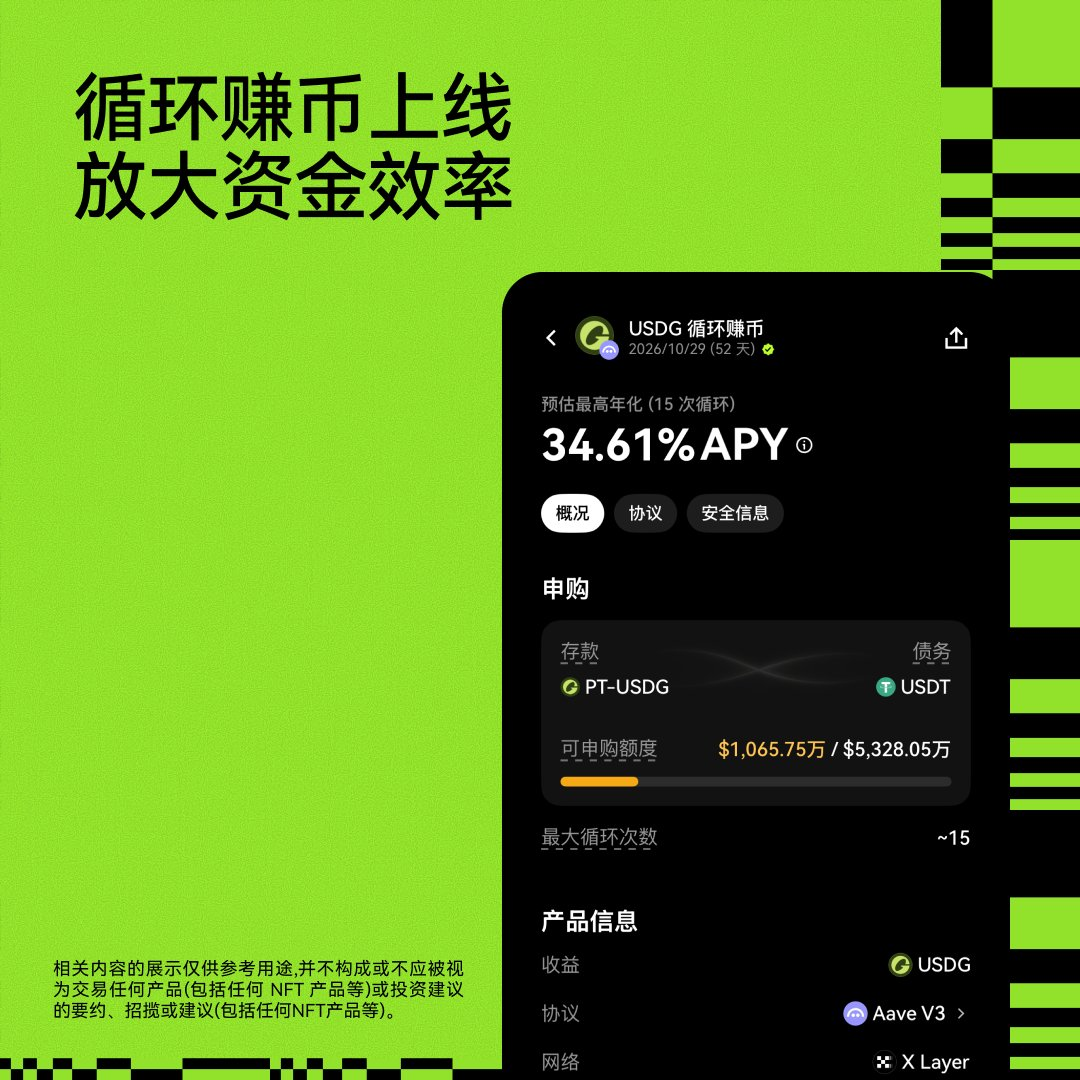
The operation path is: OKX Wallet App → DeFi → Circular Earning → USDG Circular Earning → Migration
The core value of this update is not simply to change to a new product phase, but rather to directly incorporate the “next steps after expiration” into the position management process. For users who have already participated in the first phase, the focus is to check the current position, second phase rules, estimated annualized returns, borrowing costs, and liquidation price, before deciding whether to migrate or redeem.
What is USDG Circular Earning?
The basic logic of circular earning is: users deposit asset A into a lending protocol, borrow asset B, and then exchange the borrowed asset back to asset A to continue depositing it into the protocol. Depending on the number of cycles set by the user, this process will be repeated, simultaneously increasing the staking position and the borrowed amount.
Taking the USDG circular strategy as an example, users do not need to manually complete multiple rounds of deposits, exchanges, and borrowing. OKX Wallet integrates these operations into a single transaction process and displays the estimated returns, borrowing costs, and liquidation prices before placing an order.
This is equivalent to packaging complex DeFi combination operations into a visual strategy, but the underlying risks do not disappear. The more cycles, the higher the capital utilization may be, but the borrowed amount will also increase simultaneously, so it is necessary to focus on returns, interest, and the health factor at the same time.
What should users really focus on when the first phase opens and the second phase migrates?
After the first phase expires, users typically face two choices:
Option One: Migrate to the Second Phase
If the user agrees with the current strategy and wishes to continue participating, they can use the “migration” to transfer their position to the second phase. The official announcement emphasizes that this process allows seamless continuation of earning without needing to rebuild the circular position from scratch.
However, “seamless continuation” does not mean that the returns and risks of the second phase are completely the same as those of the first phase. Before migrating, it is still necessary to confirm:
- The estimated annualized returns of the second phase;
- The current staking returns and borrowing rates;
- The number of cycles and leverage structure;
- The liquidation price or health factor;
- The product duration and expiration handling methods;
- Whether there are trading losses, slippage, and network fees involved;
- Whether the activity rewards of the second phase are the same as those of the first phase.
Option Two: Redeem the Position
If the user does not wish to continue, they can choose to redeem. The official announcement clearly states that users can redeem their positions at any time.
However, redemption does not necessarily mean retrieving the original investment amount in the same way. Circular positions need to close off debts, and the system will settle based on the market price at that time, slippage, protocol liquidity, and transaction costs.
Thus, before redeeming, users should check the final receiving assets, pending debts, trading losses, and potential network fees.
Why is “migration” attractive to stablecoin users?
Stablecoins are typically used by users as trading reserves, hedging assets, or on-chain liquidity assets. If funds are left idle for a long time, they might not earn any on-chain returns; however, frequent transfers and rebuilding strategies will increase operational costs.
The main value of the migration function lies in reducing repetitive operations:
- No need to search for product entry points again;
- No need to manually repeat deposits, exchanges, and borrowing;
- No need to reset each layer of cycles;
- Can directly view current positions and parameters of the next phase;
- Can choose between migration and redemption.
For users already familiar with DeFi, this can save time; for newcomers, it reduces the probability of errors due to multiple-step operations.
However, simplification of operations cannot replace risk judgment. What users need to focus on are the actual parameters of the second phase, rather than simply assuming the next phase offers the same returns just because the first phase experience was smooth.
Estimated annualized returns do not equal fixed returns
The estimated annualized returns displayed on the circular earning page are calculated based on the returns from the currently staked assets, borrowing rates, number of cycles, and possible activity rewards.
These returns may vary based on the following factors:
- Changes in USDG staking earnings;
- Changes in borrowing rates;
- Changes in DeFi protocol utilization rates;
- Adjustments or end of activity rewards;
- Changes in asset prices and exchange prices;
- Changes in transaction fees, slippage, and network fees.
If the borrowing costs exceed the staking asset returns, the net earnings may decline, even turning negative.
Therefore, users cannot only look at the APY displayed on the page. A more rational judgment method is:
Estimated net earnings = Staking returns + Activity rewards − Borrowing costs − Opening and redemption losses − Network fees
The final result will also be affected by the actual execution price and market liquidity.
Does increasing the number of cycles necessarily increase returns?
Not necessarily.
Increasing the number of cycles may expand the nominal scale of the staking position, thereby increasing potential returns; however, it will also increase the borrowed amount, interest expenses, and liquidation risks.
The key to the circular strategy is not to pursue the maximum number of cycles but to find a balance between returns and risks. Users can focus on:
- How much the expected net earnings increase with the increase in the number of cycles;
- Whether the borrowing costs significantly rise simultaneously;
- How far the health factor is from the liquidation threshold;
- Whether the position has enough buffer during market volatility;
- Whether there may be liquidity issues when redeeming.
If adding an additional cycle only brings minimal extra returns but significantly reduces the health factor, then a higher number of cycles may not be worth it.
Health Factor: One of the Most Important Risk Indicators for Circular Positions
The health factor is used to measure the safety level between pledged assets and debts. The official help page states that a higher health factor usually means a safer position; market price fluctuations or accumulated borrowing interest may lead to a decrease in the health factor.
When the health factor drops below 1, the position will face the risk of forced liquidation. Reducing the number of cycles, increasing pledged assets, or repaying part of the debt can help improve the safety of the position.
This means that before migrating to the second phase, users should not only check the yield but also examine the liquidation price or health factor. Stablecoins typically have a high correlation with one another, but that does not mean that price deviations or liquidity issues will not occur in all situations.
PT-USDG and YT: Why might the value of the position differ from the invested amount?
The official help page also reminds users that when USDG or USDT is inputted into PT circular lending, the system may generate PT-USDG and YT. PT-USDG counts towards the circular lending position, while the remaining YT stays in the wallet and may not count towards the displayed value of the circular lending position.
Therefore, the position value users see may be lower than the initial investment amount, and it does not necessarily mean the assets have disappeared. Further checks on YT and the product structure in the wallet are needed.
The official specifically advises against casually selling or transferring YT, as this may cause future redemptions to fail or require extra steps.
New users should confirm whether related PT and YT assets exist in their wallets before migrating or redeeming, and understand their roles in product expiration, yield, and redemption.
After the first phase expires, how to decide between migration or redemption?
This can be judged by three questions.
First Question: Do the returns of the second phase cover the costs?
Check the current estimated returns of the second phase, subtracting the borrowing costs, trading losses, network fees, and potential slippage. Do not directly compare the APY of the first and second phases but compare net returns.
Second Question: Is the safety buffer of the position sufficient?
Confirm the health factor, liquidation price, and number of cycles. If it becomes easy to approach the liquidation threshold after market volatility, continuing to migrate may require lowering the number of cycles or increasing the buffer.
Third Question: Does the funding need to remain liquid?
Circular strategies may involve locking periods, redemption processes, or protocol liquidity. If funds may be needed for trading, payment, or other activities soon, redeeming or reducing the circular scale may be more appropriate.
Recommended Actual Operation Process
Users can check their positions following these steps:
- Open OKX Wallet App, go to DeFi → Circular Earning → USDG Circular Earning;
- Check if the first phase position has expired;
- Enter the migration page, read the estimated earnings, borrowing costs, and liquidation prices for the second phase;
- Check the number of cycles, health factor, PT-USDG, YT, and estimated received assets;
- Choose “Migrate” or “Redeem” based on the use of funds;
- Check network, slippage, fees, and final execution information before confirming the transaction;
- Continue to monitor borrowing rates, yield changes, and health factors after migration.
If users only wish to continue holding USDG and earning basic returns, they can also simply compare the differences between the basic earning function and the circular strategy. The official USDG earning page shows that the yield of USDG Earn is a floating value, and users should refer to the real-time annualized rate and applicable regions displayed in the App.
Circular earning aims to improve capital utilization through borrowing and repeated staking, with complexity and risk higher than simple holding. Therefore, the APY of the two should not be directly compared, but rather assessed based on risk, liquidity, and the utilization cycle of funds.
The Product Value of OKX Wallet: Turning Complex DeFi Processes into Readable Position Management
OKX Wallet's official website positions the wallet as a multi-chain asset management and DeFi entrance, providing asset storage, data analysis, token exchange, on-chain earning, and multi-chain connectivity functionalities.
The product value of circular earning lies in integrating multiple operations that originally required user manual execution into a single interface and displaying the expected earnings, borrowing costs, and liquidation prices before placing an order.
Such products are more suitable for users with a certain foundation in DeFi who can understand the borrowing and liquidation mechanisms. For users who are new to on-chain earnings, it is recommended to start with small amounts, understand position changes, sources of returns, and redemption paths first, before deciding whether to increase the number of cycles.
Conclusion: The expiration of the first phase is not the end, but a point to reassess return risks
The first phase of USDG circular earning has expired. Users can choose to migrate to the second phase with one click in OKX Wallet or redeem at any time.
The advantage of migration is to reduce the process of repetitive setup, allowing the stablecoin position to continue participating in the strategy; the advantage of redemption is to release funds and avoid bearing borrowing and liquidation risks without understanding the rules of the second phase.
What truly matters is not “how convenient the migration button is,” but whether the actual returns of the second phase, borrowing costs, number of cycles, health factor, and redemption conditions align with one’s funding plans.
Now open the OKX Wallet App, go to DeFi → Circular Earning → USDG Circular Earning, check the status of the first phase position, and choose to migrate or redeem based on the parameters displayed for the second phase.
Exclusive Benefits for AiCoin Users
Use OKX Web3 wallet to "invest in global assets"!
Bind your invitation code 【AICOIN88】 to enjoy a 20% reduction in trading costs (Gas optimization and other benefits)!
Download/upgrade OKX Web3 wallet now and catch the trend:
https://jump.do/xlink?checkProxy=true&proxyId=24
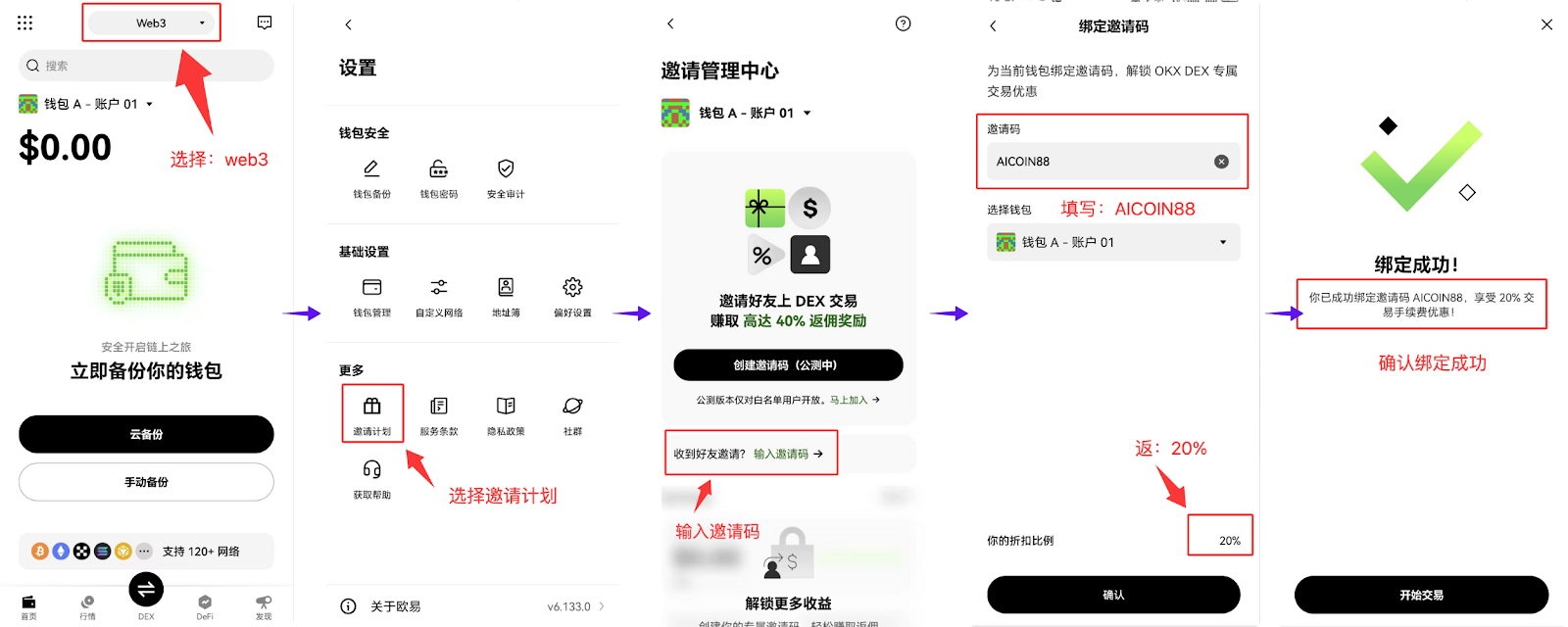
Using the exclusive invitation code 【AICOIN88】 to bind OKX wallet, the web can also be operated conveniently!
https://web3.okx.com/ul/joindex?ref=AICOIN88
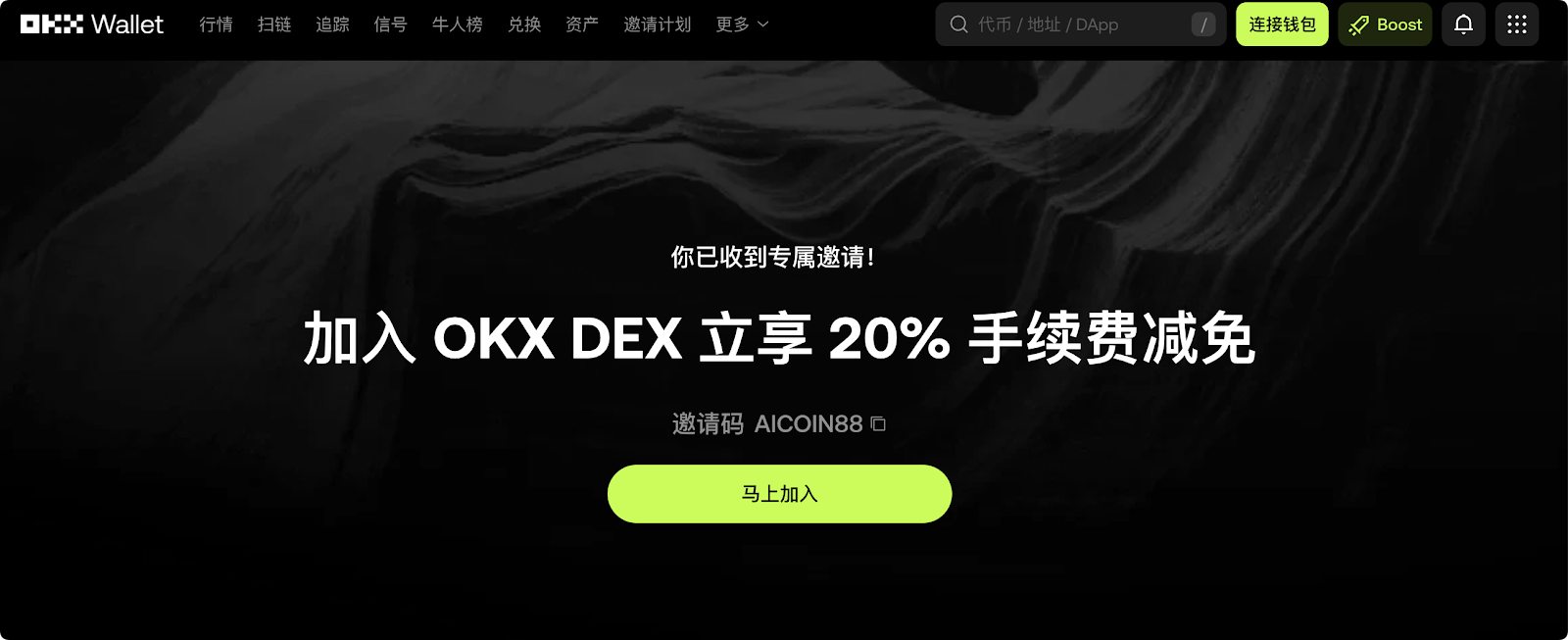
Don't wait, set up the OKX wallet, bind the offer, and achieve new wealth!
免责声明:本文章仅代表作者个人观点,不代表本平台的立场和观点。本文章仅供信息分享,不构成对任何人的任何投资建议。用户与作者之间的任何争议,与本平台无关。如网页中刊载的文章或图片涉及侵权,请提供相关的权利证明和身份证明发送邮件到support@aicoin.com,本平台相关工作人员将会进行核查。