Recently, investment returns have drawn attention in the market. Users have even compared the interest rates of spot earnings across platforms like Binance, Bybit, Bitget, OKX, Gate, Hyperliquid, and covered multiple assets such as USDT, USDC, USDe, US1, RLUSD, USDG, and OKUSD.
The differences in interest rates between different platforms are very obvious:
- USDT shows a maximum of about 10.838%;
- USDC shows a maximum of about 12%;
- USDE shows a maximum of about 5%;
- US1 shows a maximum of about 3.548%;
- RLUSD shows a maximum of about 4.2%;
- USDG shows a maximum of about 4.1%;
- OKUSD shows a maximum of about 4.57%。
This indicates that the stablecoin yield market is entering a more segmented phase. Users are no longer just comparing “which platform has the highest rate,” but further judging where the yield comes from, whether there are limits on the amount, whether it is exclusive to new users, whether the assets are automatically converted, whether they can be redeemed at any time, and what type of asset they will actually receive in the end.
For users with idle stablecoins, the value of such yield dashboards is to compare the efficiency of funds spread across different platforms and products on the same table.
1. The first thing to pay attention to: significant differences between platforms for the same stablecoin
Taking USDT as an example, the ranking is roughly as follows:
Binance: about 10.838%;
Bybit: about 6.48%;
Bitget: about 5%;
OKX: about 4%;
Gate: about 2.91%;
Hyperliquid: about 1.925%。
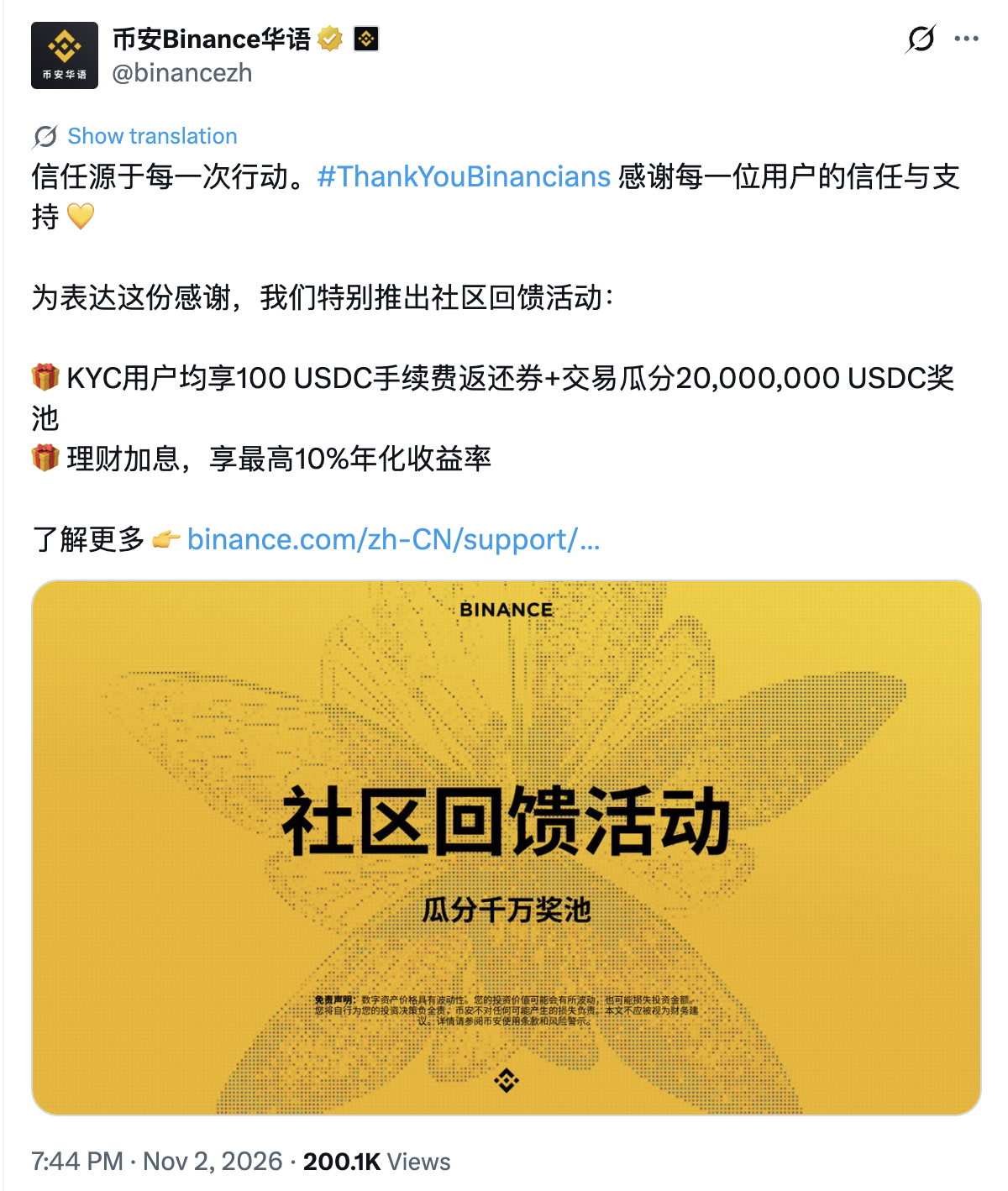
There is a significant gap between the highest and lowest displayed values of USDT. This discrepancy is usually not caused by a single reason and may relate to the following factors:
- New user promotions;
- VIP levels;
- Product limits;
- Tiered rates;
- Platform subsidies;
- Utilization rate of funds in the lending market;
- Whether the assets are automatically placed in other yield strategies.
Therefore, the yield dashboard is suitable as the first step to “discover opportunities.” Before actual subscription, users should check the applicable conditions on the specific platform page.
2. The competition for USDC returns is even more intense
The platform yield displays for USDC are more representative:
- Bitget: about 12%;
- Binance: about 10.739%;
- Bybit: about 5.155%;
- OKX: about 4.5%;
- Coinbase: about 3.75%;
- Gate: about 3.63%;
- Hyperliquid: about 3.483%。
This data shows that USDC is no longer just a medium for payment and trading; it has also become an important gateway for platforms competing for stablecoin funds.
If roughly calculated based on an equivalent of $10,000 in USDC:
- 12% annualized corresponds to about $1,200 in nominal annual rewards;
- 10.739% corresponds to about $1,073.90;
- 5.155% corresponds to about $515.50;
- 3.75% corresponds to about $375.
However, these are just static conversions based on the displayed APR and do not represent the actual amounts received. For USDC, users especially need to pay attention to whether the products are spot, locked period, lending market, or trading account holding activities.
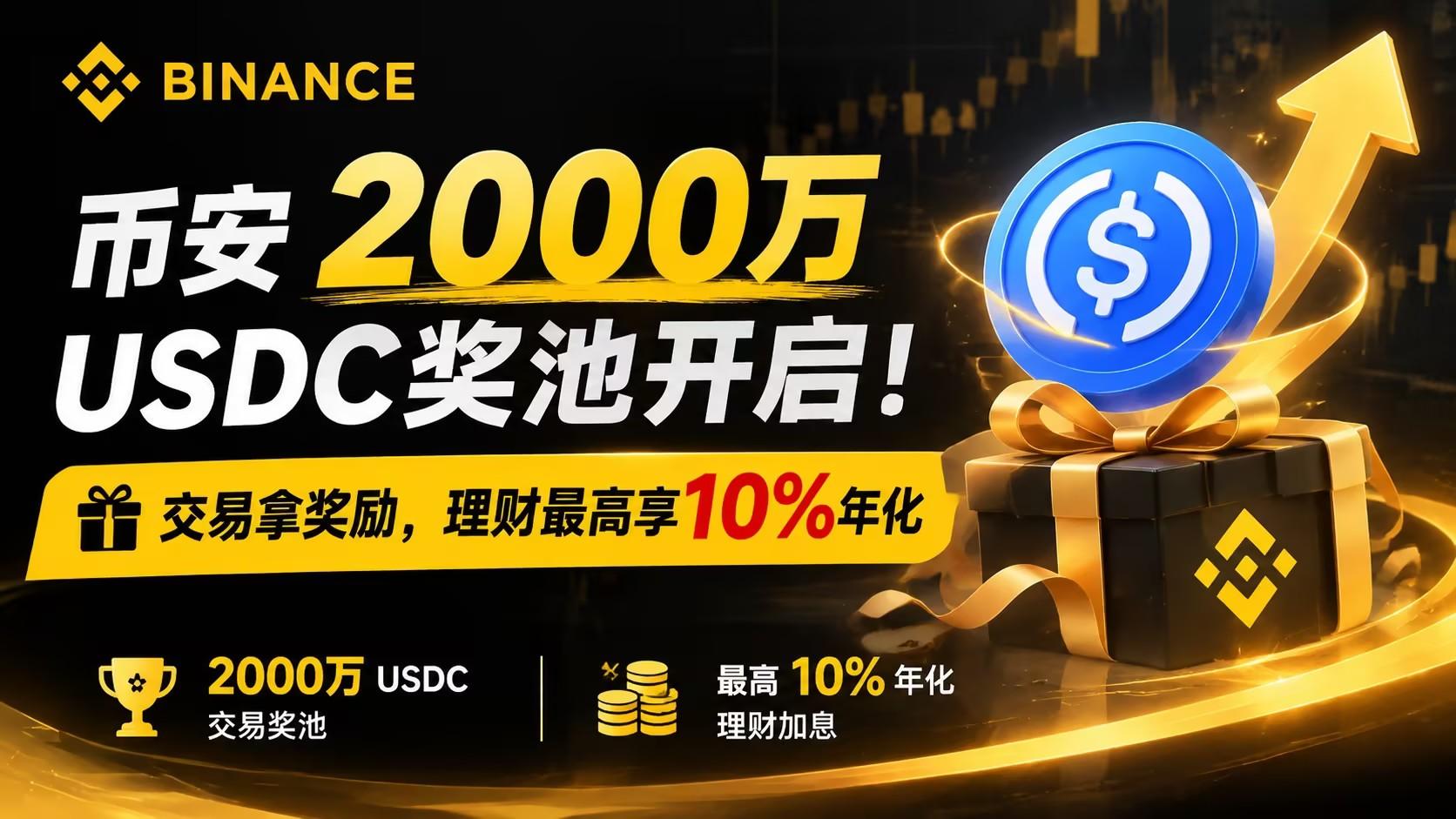
Recently, Binance has also launched an annualized USDC holding activity: hold eligible USDC in both contract accounts and unified accounts, and complete at least $2,500 USDC-M contract trading volume weekly to receive a 2% APR reward.
The characteristic of such activities is that users do not necessarily need to transfer USDC into traditional investment products but allow the USDC, which is already being used as margin, to participate in rewards. For users who have already conducted USDC-based trading, the fund efficiency will be higher.
3. Beyond yield rates, look at asset routes
USDE: yield rates combined with on-chain ecology
The maximum displayed yield rate for USDE is about 5%, mainly appearing on Gate; Bitget shows about 1%. The comparison of USDE yields should not only look at the numbers but also pay attention to the asset mechanisms, conversion channels, liquidity, and platform product structure.
US1: more obvious platform and ecological incentives
US1 shows about 3.548% on Binance, about 1% on Bitget, and lower on Bybit and Gate. The differences between platforms may reflect the promotional efforts of platforms for specific assets at different stages.
RLUSD: clear strategies differences across platforms
RLUSD shows about 4.2% on OKX, about 1.14% on Bybit, and close to 0% on Binance. The differences in yields for the same asset across different platforms indicate that users need to judge around “asset + platform + product” together, rather than just looking at the asset name.
USDG and OKUSD: interest rates for new assets may rely more on phased incentives
USDG shows about 4.1% on OKX, 0% on Gate; OKUSD shows about 4.57% on OKX. For emerging or platform-related assets, users should also pay attention to liquidity, conversion depth, available scenarios, and duration of promotions.
4. Why can’t the 10.838% and 12% returns be directly considered as long-term rates?
The yield dashboard has already clearly stated that all numbers are annual simple interest APR and do not account for compound interest; the sources of rates vary across different platforms.
The criteria include:
- The numbers from Binance, Bybit, and Bitget may originate from exchange settings or product pages;
- OKX and Gate may be estimated annualized rates matched hourly in the lending market;
- Hyperliquid's yields can fluctuate with fund utilization rates and may vary widely within minutes;
- Some products have tiered rates and upper limits;
- Some products may require a minimum subscription amount;
- Some assets award additional incentives in platform tokens;
- Some products will automatically convert USDC to USDe;
- Different products have differing starting interest times, redemption waiting periods, and lock-up rules.
This is also why the “top choice on the dashboard” may not necessarily be the best option for all users. High APR may only cover a small portion of the initial principal or only apply to specific users; it may also require acceptance of automatic conversion, lock-up periods, or platform token rewards.
5. A lateral thinking exercise on $100,000 funds
Assuming a user has $100,000 in equivalent idle stablecoins, static conversions based on the current yield rates would be:
- 10.838% corresponds to about $10,838 in nominal annual rewards;
- 6.48% corresponds to about $6,480;
- 5% corresponds to about $5,000;
- 4% corresponds to about $4,000;
- 1.925% corresponds to about $1,925.
The nominal annual difference between 10.838% and 4% reaches about $6,838.
The larger the fund scale, the more apparent the absolute amounts arising from the differences in interest rates. Therefore, large amounts of funds should not only look at the highest numbers displayed on the page but should focus on verifying:
- How much of the principal is covered by the highest rates;
- What interest rate is applied to the excess portion;
- Whether the APR is a promotional pricing for a limited period;
- Whether there are fees or waiting periods for redemption;
- Whether rewards are issued in the original asset;
- Whether the platform has requirements regarding regions, identities, or VIP levels.
Conclusion: The yield war has begun, and real advantages come from continuous comparisons
From USDT, USDC to USDE, US1, RLUSD, USDG, and OKUSD, stablecoin yields are forming a more complex competitive market.
The same asset may have significantly different APRs across different platforms; different products on the same platform may yield different results due to user levels, fund tiers, promotion durations, and account purposes.
This is a positive change for users: funds no longer need to passively lie in a single account; idle assets, margins, and RWA yields can be re-evaluated and reallocated.
The yield dashboard helps you discover opportunities, data analysis helps you assess opportunities, and the final fund arrangement should focus on liquidity, yield, and usage scenarios.
Exclusive benefits for AiCoin users
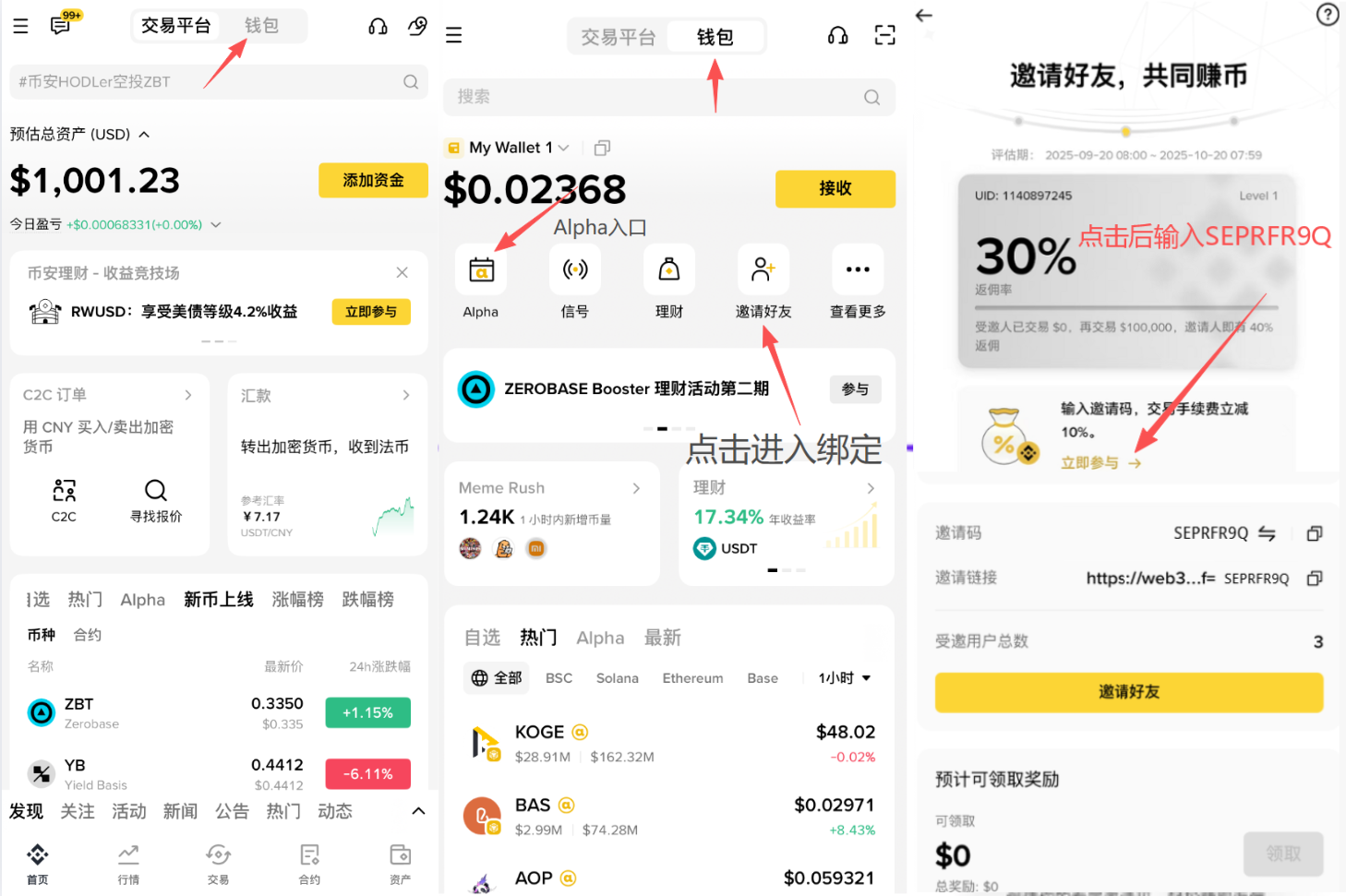
👉 Enter invitation code SEPRFR9Q while using Binance wallet to enjoy 10% rebate on transaction fees, making meme play lower in cost and more profitable
🔗 Exclusive link:
https://web3.binance.com/referral?ref=SEPRFR9Q
免责声明:本文章仅代表作者个人观点,不代表本平台的立场和观点。本文章仅供信息分享,不构成对任何人的任何投资建议。用户与作者之间的任何争议,与本平台无关。如网页中刊载的文章或图片涉及侵权,请提供相关的权利证明和身份证明发送邮件到support@aicoin.com,本平台相关工作人员将会进行核查。