Many people's impression of cryptocurrency exchanges still revolves around Bitcoin, Ethereum, and altcoins. However, there is a set of data worth noting in HTX's recently released October operational report:
As of the end of October, the number of stock trading assets reached 307; TradFi's cumulative trading volume exceeded $7.5 billion; 40 new contract assets were added in October, of which 29 were stocks and ETFs; the depth of the BTC/USDT core trading pair increased by 78% compared to September.
These figures indicate that HTX is expanding not just the number of cryptocurrencies but the range of trading assets. From BTC and ETH to stocks, indices, and ETFs, the exchange is starting to cover more of the trading demands of traditional financial markets. For users who are already familiar with cryptocurrency accounts, this means they can access a wider variety of asset types using the same login, recharge, and trading interface; for newcomers to the cryptocurrency market, it offers a window to observe “how traditional assets are integrated into the crypto gateway”.
Not just listing more assets, but testing the boundaries of trading entry
The number of listings is merely the starting point. What really determines whether this direction can be sustained is not how long the asset list is, but whether three more specific indicators can keep up:
First, whether actual trading volume continues to grow. The $7.5 billion cumulative trading volume indicates that a certain scale of real trading has occurred, but it is important to observe whether the monthly incremental increase is stable, rather than solely relying on concentrated new listings to drive it.
Second, whether the bid-ask spread and market depth are adequate. The depth of the BTC/USDT core trading pair increased by 78% compared to September, indicating that liquidity is improving. For stock and ETF assets, depth and spreads are equally crucial—if depth is insufficient, the trading experience will quickly decline and prices are more likely to deviate.
Third, whether the trading times, pricing mechanisms, and risks of different markets are clear. Stocks and ETFs have market closure periods, while the cryptocurrency market approaches around-the-clock trading. When these two types of assets are on the same platform, users need to clearly understand: during which periods prices primarily follow the underlying market, during which periods they are determined by supply and demand from the order book, and how the platform addresses price deviations.
These three indicators provide a better understanding than simply counting asset numbers, as to whether the exchange is creating a genuine trading entry or merely expanding its product listings.
What it means for ordinary users
For those already using cryptocurrency exchanges, such expansions provide a more consolidated trading entry: the same account and funding pathways can cover both cryptocurrency and some traditional asset price exposure. For newcomers to the cryptocurrency market, it also lowers the threshold of "first researching dozens of coins before deciding whether to open an account"—starting with familiar asset classes (such as indices or well-known stock-related products) and gradually understanding platform rules is a more progressive approach.
Meanwhile, spreading trades across multiple platforms is itself a common practice to reduce risk from any single platform. Different exchanges vary in terms of product coverage, liquidity, regulatory status, and operating habits, allowing users to choose to place different types of trades on different platforms based on their actual needs. This dispersion does not mean frequent switching but instead retains multiple options during the registration and familiarization phase, avoiding the concentration of all funds and trading activities at a single entry point.
If you want to learn about HTX's current TradFi products
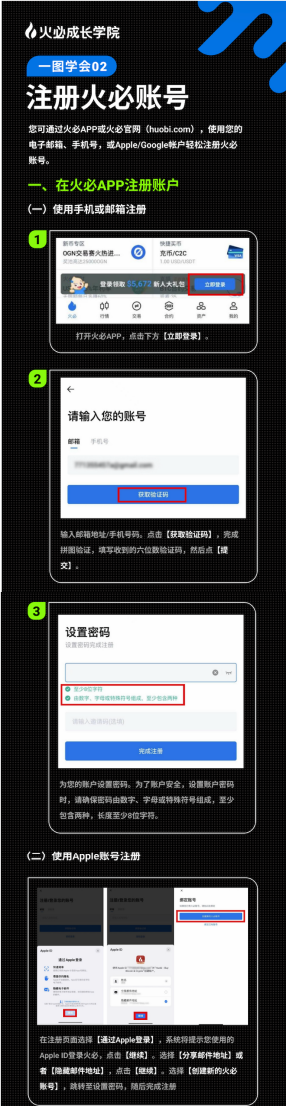
HTX is the platform after the upgrade of the Huobi brand, and it currently offers TradFi-related trading pairs, including stocks and ETFs. Users looking to access more asset types with a crypto account can first register and complete identity verification, then check the specific trading rules, available trading pairs, and fee descriptions based on their situation. Available features may vary for users from different regions; actual experience is subject to the platform's latest rules.
Interested users can first register for an HTX account, check the currently available TradFi-related products, and then decide whether to participate. The increase in asset types brings more choices, but also introduces more complex trading times and pricing mechanisms. Distributing trades across multiple platforms is a way to reduce reliance on any single platform but does not eliminate the inherent volatility risks of the market.
HTX registration link
https://jump.do/zh-Hans/xlink-proxy?id=4
Or log in to the HTX APP directly and enter the invitation code aicoin168 to receive up to 3100 USDT rewards for new traders.
This article is for market observation only and does not constitute any investment advice. Please assess risks based on your own circumstances before making decisions.
免责声明:本文章仅代表作者个人观点,不代表本平台的立场和观点。本文章仅供信息分享,不构成对任何人的任何投资建议。用户与作者之间的任何争议,与本平台无关。如网页中刊载的文章或图片涉及侵权,请提供相关的权利证明和身份证明发送邮件到support@aicoin.com,本平台相关工作人员将会进行核查。