Event Overview
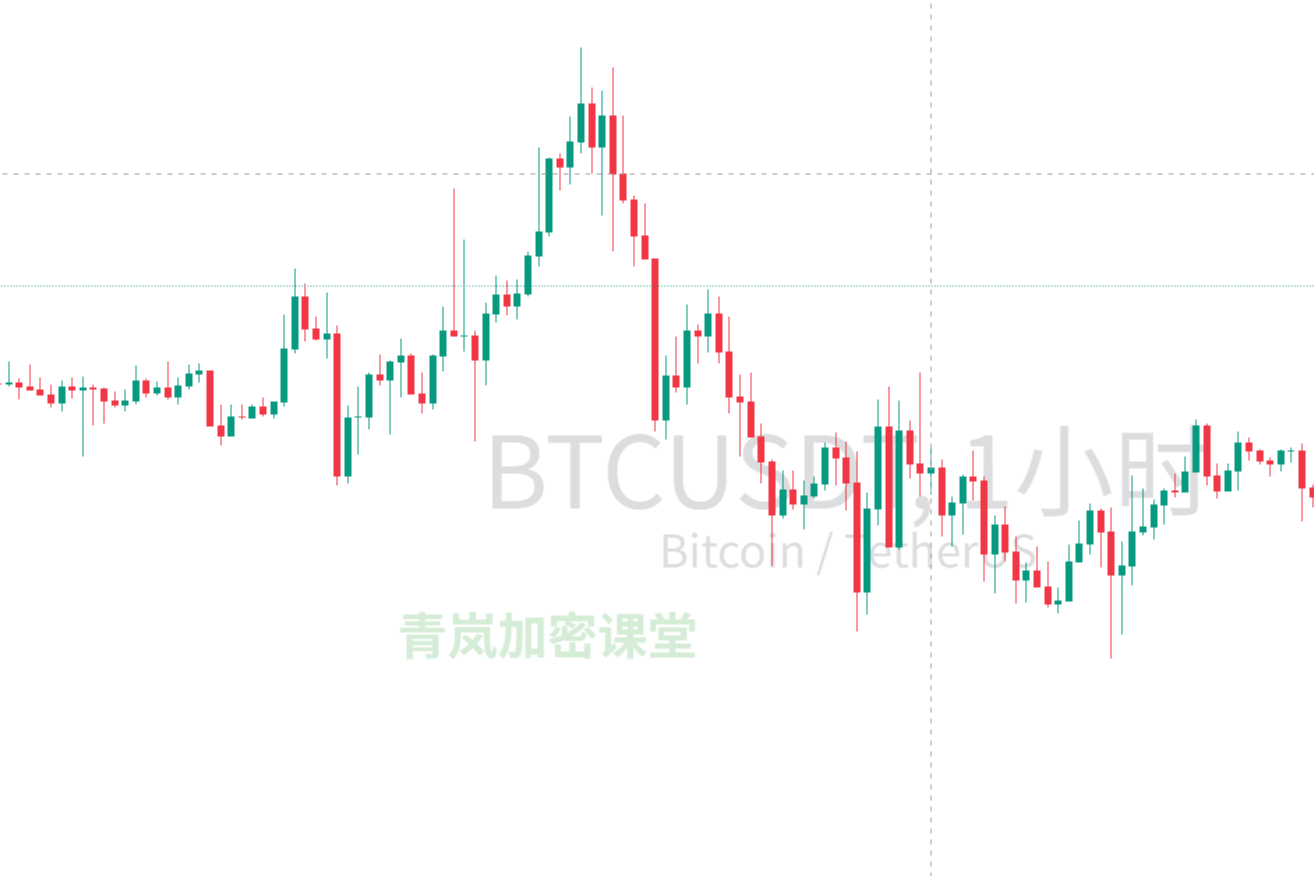
Recently, the on-chain monitoring platform Onchain Lens has continuously captured large transfers of Bitcoin and Ethereum from BlackRock to Coinbase: the latest transaction involved 1,044 BTC (approximately $91.9 million) and 7,557 ETH (approximately $22.41 million), with a single transaction volume exceeding $114 million. Combining this with previously disclosed data, BlackRock has transferred BTC and ETH to Coinbase multiple times in mid to late December. For instance, monitoring indicated that around December 25, approximately 2,292 BTC and 9,976 ETH were transferred in total, while on December 19, a separate transfer of 36,579 ETH occurred, amounting to about $108.4 million. Different on-chain data sources (such as Onchain Lens and other monitoring platforms) show discrepancies in exact amounts, transaction counts, and timestamps, with some being aggregated statistics of multiple transactions. Currently, it can only be confirmed that "large amounts of chips are continuously entering Coinbase," making it difficult to accurately trace each fund's path. Regarding the purpose of this round of transfers, the market has three main speculations: first, it is for rebalancing or preparing for redemptions of BlackRock's ETFs; second, it is for institutional year-end portfolio adjustments and phased cashing out; third, some investors interpret it as a potential precursor to selling pressure. Against the backdrop of these actions, Bitcoin's price remains near historical highs, with a single price approaching $89,000 and a market cap share of about 59.7%. There is a clear trend of funds flowing back from altcoins to BTC, providing a framework for analyzing the true meaning of this $114 million inflow from both a funding and sentiment perspective.
On-Chain Fund Flow
From on-chain data, the recent financial interactions between BlackRock and Coinbase exhibit characteristics of "continuous, multi-currency, and large amounts": the widely noted transfer to Coinbase involved 1,044 BTC (approximately $91.9 million) and 7,557 ETH (approximately $22.41 million). Prior to this, Onchain Lens recorded a single transfer of 36,579 ETH from BlackRock on December 19, valued at approximately $108.4 million at that time; the research brief also mentioned that between December 18 and 25, BlackRock transferred BTC and ETH to exchanges multiple times, with some statistics suggesting that the total BTC inflow during this period was approximately 2,292 BTC and about 9,976 ETH. Corresponding to the on-chain fund flow, data from the ETF side shows another path: Bitcoin spot ETFs have continuously attracted capital throughout the year, with BlackRock's IBIT and other products recording a cumulative net inflow of about $25 billion, with daily net inflows reaching as high as $457 million at times. However, as the year-end approaches, there has been a phase of net outflows and increased turnover, highlighting the adjustment rhythm of institutions at quarter-end and year-end. The combination of these two paths reveals a clear differentiation: BTC is increasingly held and allocated through ETFs, with the ETF side remaining the main battleground; ETH, on the institutional level, is more reflected as selling pressure through exchanges, as BlackRock and other institutions have repeatedly transferred ETH to exchanges in December, interpreted by the market as a potential source of selling pressure. It is important to emphasize that different on-chain analysis platforms have varying statistical criteria: some aggregate fund flows by address labels, while others break them down by individual transactions, and there are discrepancies in time intervals and marking methods. Therefore, the current data is more suitable for observing trends in "direction and intensity" rather than serving as a precise basis for trading decisions down to individual coins.
Sentiment and Public Opinion
Surrounding BlackRock's recent transfer of over $114 million in BTC and ETH to Coinbase, market sentiment quickly polarized. Some viewpoints believe this continues the main theme of "Wall Street's ongoing accumulation" over the past year: chips are shifting from early crypto-native whales and retail wallets to ETF products and large asset management institutions. BlackRock's frequent repositioning suggests that even at high levels, it is preparing for future longer-term product issuance and market making. Conversely, some investors view it as a precursor to cashing out and selling, especially in an environment where Coinbase is experiencing negative premiums, spot ETF funds have shifted from net inflows to net outflows, and some on-chain monitoring shows a rebound in exchange BTC and ETH balances. The narrative of "institutions preparing to dump" easily amplifies panic sentiment. Some KOLs directly describe the current phase as "the final chapter of the old cycle and the emergence of new players": the early cycle was dominated by BTC old whales and exchange "market makers," while the current chips are gradually being transferred to traditional financial institutions like BlackRock, Vanguard Group, and Bank of America. The new generation of Wall Street "market makers" has a cost range roughly between $74,000 and $90,000. Such statements reinforce a long-term expectation—that even with short-term volatility, institutions are intentionally reshaping market order at higher price levels. Overall, the current sentiment structure shows a coexistence of FOMO and panic: on one hand, retail investors fear missing out on the long-term opportunity of "traditional finance fully entering"; on the other hand, they fear becoming the "counterparty" to institutional year-end adjustments and volatility exploitation, reinforcing psychological expectations of "institutional deep control."
Macroeconomics and Year-End Adjustments
If we broaden our perspective to the macro level, BlackRock's transfer of BTC/ETH to Coinbase appears to be a localized action embedded within a comprehensive asset allocation framework. In its latest outlook, BlackRock anticipates that the Federal Reserve is unlikely to make significant rate cuts before 2026, making it difficult to replicate past rounds of aggressive monetary easing. Meanwhile, U.S. economic data remains strong, with the latest quarterly GDP growth hovering around 4.3%, and safe-haven assets like gold reaching new highs. In this environment, the overall marginal attractiveness of risk assets is suppressed, making it challenging for crypto assets to enjoy unilateral liquidity benefits. The behavior of traditional investors also confirms this structural differentiation: from the perspective of ETFs and fund flows, institutions show significantly more interest in BTC than ETH. The former has gained a "digital gold" allocation status through spot ETF tools, while the latter has shown tendencies of reduction and repositioning among several institutions (including some products from BlackRock and Fidelity), leading to a decrease in overall participation. However, this does not mean that institutions are fully retreating; rather, it aligns with the logic of "structural repositioning": in an environment of high interest rates and strengthening multi-assets, institutions optimize the risk-return ratio of their portfolios by rotating between different assets and compressing some high-beta exposures. In line with traditional financial market practices, late December is often a peak period for annual adjustments: fund managers need to lock in annual performance, rebalance portfolios to meet internal or regulatory constraints, and consider tax and accounting implications. Therefore, interpreting BlackRock's concentrated transfers of BTC and ETH to exchanges during this period as a high-probability scenario of "year-end rebalancing/liquidity management" is more reasonable—it may involve ETF subscriptions and redemptions, secondary market market making and hedging, or reserving flexibility for large subscriptions or redemptions, rather than directly deducing it as a singular direction of "comprehensive selling" or "continuous accumulation."
Long and Short Game Logic
In this context, both long and short sides have constructed entirely different trading frameworks around BlackRock's series of operations. From the long perspective, the core logic lies in "institutionalization of chips and infrastructure": Bitcoin spot ETFs recorded approximately $25 billion in net inflows throughout the year, Vanguard Group announced that it could directly sell crypto ETFs through its own terminals, and Bank of America officially recommended clients allocate 1%–4% of their portfolios to crypto assets. JPMorgan, Morgan Stanley, and others are also accelerating the provision of crypto trading services for institutional clients, indicating that traditional financial infrastructure is systematically integrating BTC. The concentration of chips towards ETFs and large institutions is seen as providing a more stable funding base and regulatory framework for the next long-term uptrend. The shorts, however, focus on another set of data: Coinbase's negative premium, phase net outflows from ETFs, continuous transfers of ETH to exchanges in December, and BTC prices being at historical high ranges, forming a complete narrative of "year-end cashing out + mid-term correction"—institutions need to lock in some profits when paper gains are substantial and create volatility to optimize their own holding costs. In this overlapping game, leading institutions like BlackRock are most likely to adopt a strategy that is neither purely "sell all" nor "buy all," but rather achieve rebalancing through a combination of ETF and spot operations: for example, maintaining or slightly increasing long-term BTC exposure at the ETF level while hedging short-term volatility through spot and derivatives on exchanges; utilizing high liquidity platforms (like Coinbase) to flexibly manage subscriptions, market making positions, and continuously reduce overall holding costs within volatility ranges. The deeper significance of this round of games lies in the shift of dominance: the market is transitioning from a "relationship-based, non-transparent" structure dominated by early crypto whales and exchange market makers to a "productized, tool-based" structure led by Wall Street institutions like BlackRock. Short-term volatility may be more intense, but the underlying logic is a chip restructuring carried out through ETFs and regulated channels.
Market Outlook
Without presetting a position, future market judgments need to return to several key data points that can be sustainably tracked. First, if subsequent observations show that BlackRock and other leading issuers' BTC spot ETFs continue to record net inflows, and on-chain and exchange data do not indicate a significant rise in BTC balances on platforms like Coinbase, with prices showing high turnover at high levels rather than a sharp drop, there is more reason to interpret this round of BlackRock's transfers as "liquidity management" associated with ETF subscriptions and rebalancing needs, or even as reserving chips for future product issuance and market making, rather than a systemic sell-off. Second, if BTC spot ETFs experience net outflows for several weeks, combined with a noticeable increase in Bitcoin balances on centralized exchanges like Coinbase, while prices undergo a 20%–30% level deep correction against a backdrop of increased volume, then the possibility of "institutional year-end concentrated profit-taking" needs to be taken seriously, and caution is warranted regarding the evolution of the correction from a short-term technical adjustment to a mid-term trend correction. In terms of asset comparison, BTC is increasingly approaching the status of "digital gold" within institutional asset allocation frameworks: against the backdrop of the Federal Reserve's moderate rate cuts and global funds seeking hedging tools, its long-term allocation position remains relatively stable. ETH, on the other hand, may continue to face pressure from institutional reductions and exchange selling in the short term, but under the conditions of ongoing technological iterations, L2 expansions, and the continuous advancement of DeFi narratives, there are still structural opportunities, likely exhibiting characteristics of "high beta rebounds" after deep adjustments. For ordinary investors, it is more crucial to focus attention on verifiable data: including ETF filings and holdings disclosures, changes in exchange asset balances, interest rates, and macro expectations, rather than being swayed by a single large on-chain transfer or emotional social media commentary. BlackRock's transfer of $114 million in BTC and ETH to Coinbase is essentially just a slice of institutional repositioning within a larger framework; the true forces influencing trends are a comprehensive set of structural dynamics surrounding ETFs, regulation, and macro cycles.
Join our community to discuss and grow stronger together!
Official Telegram community: https://t.me/aicoincn
AiCoin Chinese Twitter: https://x.com/AiCoinzh
OKX benefits group: https://aicoin.com/link/chat?cid=l61eM4owQ
Binance benefits group: https://aicoin.com/link/chat?cid=ynr7d1P6Z
免责声明:本文章仅代表作者个人观点,不代表本平台的立场和观点。本文章仅供信息分享,不构成对任何人的任何投资建议。用户与作者之间的任何争议,与本平台无关。如网页中刊载的文章或图片涉及侵权,请提供相关的权利证明和身份证明发送邮件到support@aicoin.com,本平台相关工作人员将会进行核查。