Author: Phoebe Liu, Forbes
Translation: Lemin
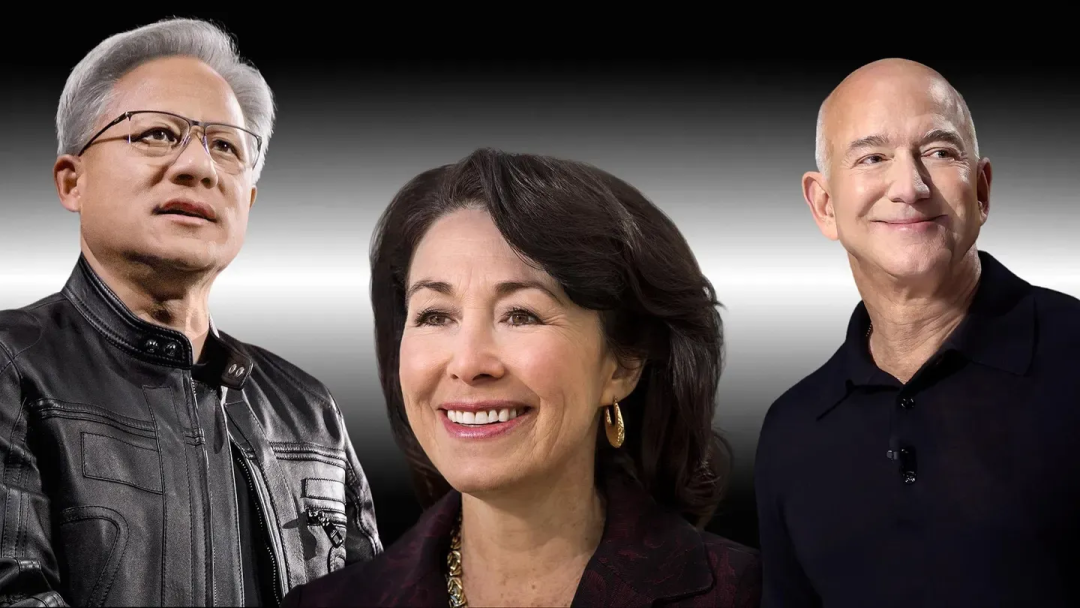
In the past year, tech billionaires have expressed their firm belief in AI technology, but their actions have not always aligned with their words. Among these billionaires who have reduced their holdings, some have used the proceeds to attempt to create new artificial intelligence companies, while others have taken advantage of the AI boom to cash out.
In September, billionaire Safra Catz announced her resignation as CEO of tech giant Oracle after 11 years at the helm, transitioning to an advisory role. At that time, Oracle was experiencing a bumper year—market expectations were high for its large-scale expansion plans for AI data centers, and the company's stock price had reached an all-time high. "We need to complete this handover while the momentum is good," Catz told analysts at the time. She chose to step down at the peak of the company’s success and took the opportunity to cash out significantly.
According to Forbes estimates, since January 1, 2025, Catz has sold Oracle stock worth $1.9 billion, with the cashing out amount accounting for more than two-thirds of her wealth; in terms of cashing out amount, she ranks third among tech billionaires, and in terms of the proportion of cashing out to her wealth, she ranks first.
Catz is not the only one choosing to cash out. The public market remains buoyed by the AI boom, but concerns about bubble risks are also increasing, leading many billionaires to significantly reduce their holdings and cash out over the past year.
Forbes has compiled the stock reduction situation of 198 American tech tycoons on the billionaire list, tracking their stock sales that they are obligated to disclose due to their roles as company executives, board members, or large shareholders. It should be noted that the statistics do not include reductions made purely to pay taxes on new equity grants, stock sales completed through charitable organizations, or funds spent to exercise stock options.
Data shows that from January 1 to December 15, 2025, the top 20 billionaires by reduction amount collectively cashed out over $19 billion. Among them, 14 billionaires had cashing out amounts of no less than $500 million, including Catz, Jeff Bezos, Michael Dell, and Jensen Huang.

From left to right: CoreWeave co-founders Brannin McBee, Brian Venturo, Peter Saranki. Image source: Guerin Blask for Forbes
The AI data center company CoreWeave went public in March 2025, after which the company’s Chief Business Officer Brannin McBee, board member and investor Jack Cogen, and Chief Strategy Officer Brian Venturo significantly cashed out, selling CoreWeave stock worth $473 million, $488 million, and $289 million, respectively. The company's stock price has halved since August, and their early reductions allowed them to avoid most of the impact. The sharp decline in CoreWeave's stock price is mainly due to market concerns about its debt situation and delays in its data center construction progress. Some market participants view CoreWeave as a barometer for the sustainability of the AI industry's prosperity and related capital expenditures.
The billionaires' stock reductions are not solely for risk management.
Among all U.S. tech billionaires required to disclose transactions, Amazon founder Jeff Bezos leads in reduction amount, and he may invest the cash proceeds in multiple areas: more luxurious real estate projects, rocket company Blue Origin, venture capital projects (including robotics), and his mysterious new AI startup Project Prometheus—reports indicate that the project has raised over $6 billion, with some funds coming from Bezos himself. In December, Dell pledged to donate $6.25 billion to American children by establishing 25 million accounts, injecting $250 into each account. The specific details and timeline of this donation plan have yet to be announced, but this substantial donation will undoubtedly help Dell offset the tax burden incurred from cashing out $2.2 billion in stock.
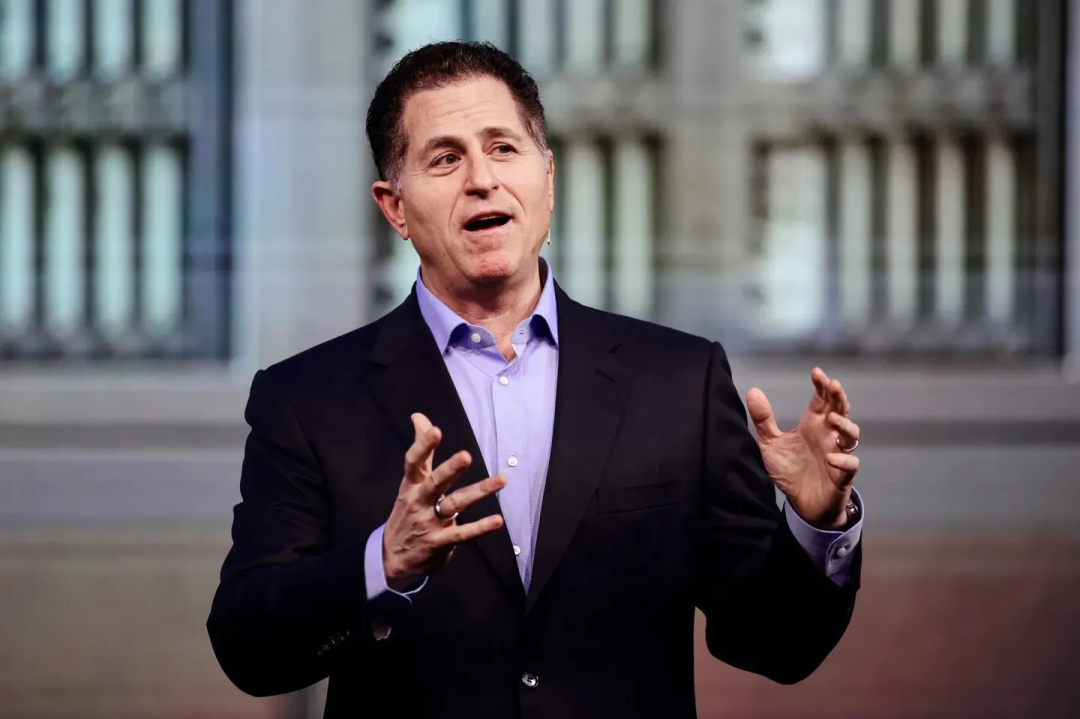
Dell Chairman and CEO Michael Dell. Image source: Photo by Joan Cros/NurPhoto via Getty Images
Almost all reduction transaction plans were filed with the U.S. Securities and Exchange Commission months in advance; this rule was established to prevent insider trading allegations. However, billionaires' reduction behaviors often align with macroeconomic trends, as the core conditions of the transaction plans—including the frequency, scale, and timing of reductions—are largely determined by the billionaires themselves. For example, billionaires can set a stock price target as a condition to trigger automatic reductions, meaning they are likely to initiate reductions when the company's stock price rises. This makes it understandable why some billionaires continue to cash out: maintaining high stock prices (which is still the case) often leads to more reduction transactions.
It is also noteworthy that the world's richest man Elon Musk and the fourth richest man Larry Ellison do not appear on this list. They do not obtain cash through stock sales but have instead pledged hundreds of millions of shares of Tesla and Oracle stock—this way, they can fully utilize the value of their stocks without having to pay taxes on reductions.
Below are the tech tycoons with the highest stock reduction amounts on the Forbes billionaire list from January 1 to December 15, 2025.
1. Jeff Bezos
Net worth: $238 billion
Source of wealth: Amazon
Stock reduction: $5.6 billion in Amazon stock
2. Michael Dell
Net worth: $143 billion
Source of wealth: Dell
Stock reduction: $2.2 billion in Dell stock
3. Safra Catz
Net worth: $2.8 billion
Source of wealth: Oracle
Stock reduction: $1.9 billion in Oracle stock
4. Jensen Huang
Net worth: $152 billion
Source of wealth: Nvidia
Stock reduction: $1.1 billion in Nvidia stock
5. Jayshree Ullal
Net worth: $5.4 billion
Source of wealth: Arista Networks
Stock reduction: $1 billion in Arista Networks stock
6. Herald Chen
Net worth: $2.4 billion
Source of wealth: Applovin
Stock reduction: $710 million in Applovin stock
7. Frank Slootman
Net worth: $3.4 billion
Source of wealth: Snowflake
Stock reduction: $680 million in Snowflake stock
8. David Baszucki
Net worth: $5.3 billion
Source of wealth: Roblox
Stock reduction: $670 million in Roblox stock
9. Mark Zuckerberg
Net worth: $221 billion
Source of wealth: Meta
Stock reduction: $640 million in Meta stock
10. Brian Armstrong
Net worth: $11.5 billion
Source of wealth: Coinbase
Stock reduction: $570 million in Coinbase stock
11. Stephen Cohen
Net worth: $6.3 billion
Source of wealth: Palantir
Stock reduction: $561 million in Palantir stock
12. Eric Lefkofsky
Net worth: $5.8 billion
Source of wealth: Groupon, Tempus AI
Stock reduction: $506 million in Tempus stock
13. Mark Stevens
Net worth: $10.5 billion
Source of wealth: Nvidia
Stock reduction: $500 million in Nvidia stock
14. Henry Samueli
Net worth: $33 billion
Source of wealth: Broadcom
Stock reduction: $500 million in Broadcom stock
15. Jack Cogen
Net worth: $1.9 billion
Source of wealth: CoreWeave
Stock reduction: $490 million in CoreWeave stock
16. Brannin McBee
Net worth: $2.4 billion
Source of wealth: CoreWeave
Stock reduction: $470 million in CoreWeave stock
17. Reed Hastings
Net worth: $5.2 billion
Source of wealth: Netflix
Stock reduction: $370 million in Netflix stock
18. David Duffield
Net worth: $13 billion
Source of wealth: Workday, PeopleSoft
Stock reduction: $310 million in Workday stock
19. Brian Venturo
Net worth: $3.2 billion
Source of wealth: CoreWeave
Stock reduction: $276 million in CoreWeave stock
20. Shyam Sankar
Net worth: $1.3 billion
Source of wealth: Palantir
Stock reduction: $250 million in Palantir stock
免责声明:本文章仅代表作者个人观点,不代表本平台的立场和观点。本文章仅供信息分享,不构成对任何人的任何投资建议。用户与作者之间的任何争议,与本平台无关。如网页中刊载的文章或图片涉及侵权,请提供相关的权利证明和身份证明发送邮件到support@aicoin.com,本平台相关工作人员将会进行核查。


