Author: Jay, Quantum Bit
The wildly popular Clawdbot, and the author turns out to be a billionaire?!
I initially thought he was just another dropout AI entrepreneur, but a quick search revealed that this guy started a business fifteen years ago and is probably around forty years old this year.

Moreover, he took off with his first startup.
He started his business in 2011 and cashed out in 2021, making a hefty 100 million euros (about 830 million RMB).
Logically, the script for someone who has achieved financial freedom should be: playing golf during the day and enjoying wine with lobster at night.
Guess what?
After just four years of leisure, this guy couldn't sit still, got the itch, and started coding full-time again, diving into AI entrepreneurship.
In less than a year, he created Clawdbot.
A 24/7 open-source AI assistant that actively engages, reporting to users like a personal secretary.
It can do everything an agent can do, such as filling out forms, sending emails, controlling browsers…
"True Jarvis."
A phenomenal AI product that has taken the internet by storm, helping Cook boost Mac mini sales.
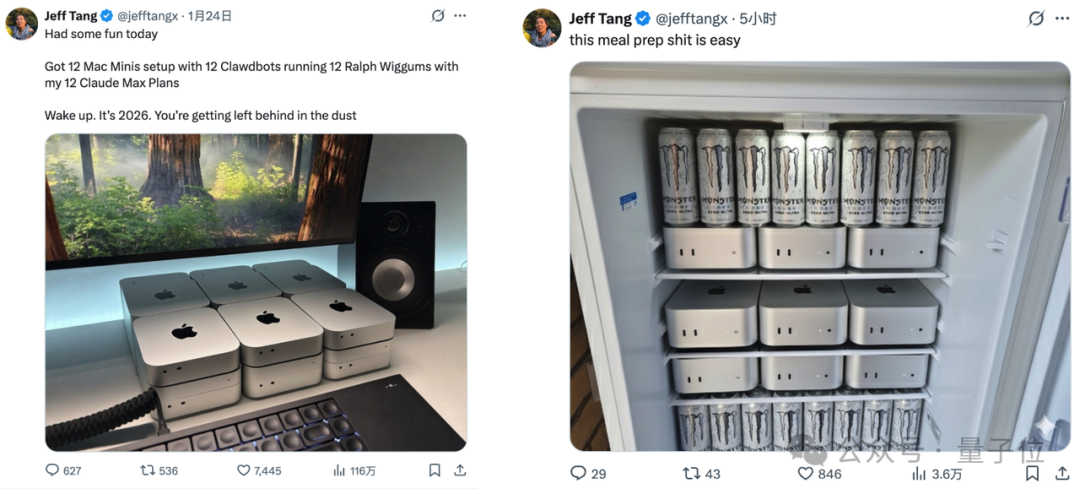
Netizens are shouting: absolutely the GOAT.

Next, let's take a look at the legendary life of the Clawdbot author, the father of "Jarvis."
First Half: The Solo Entrepreneur iOS Engineer
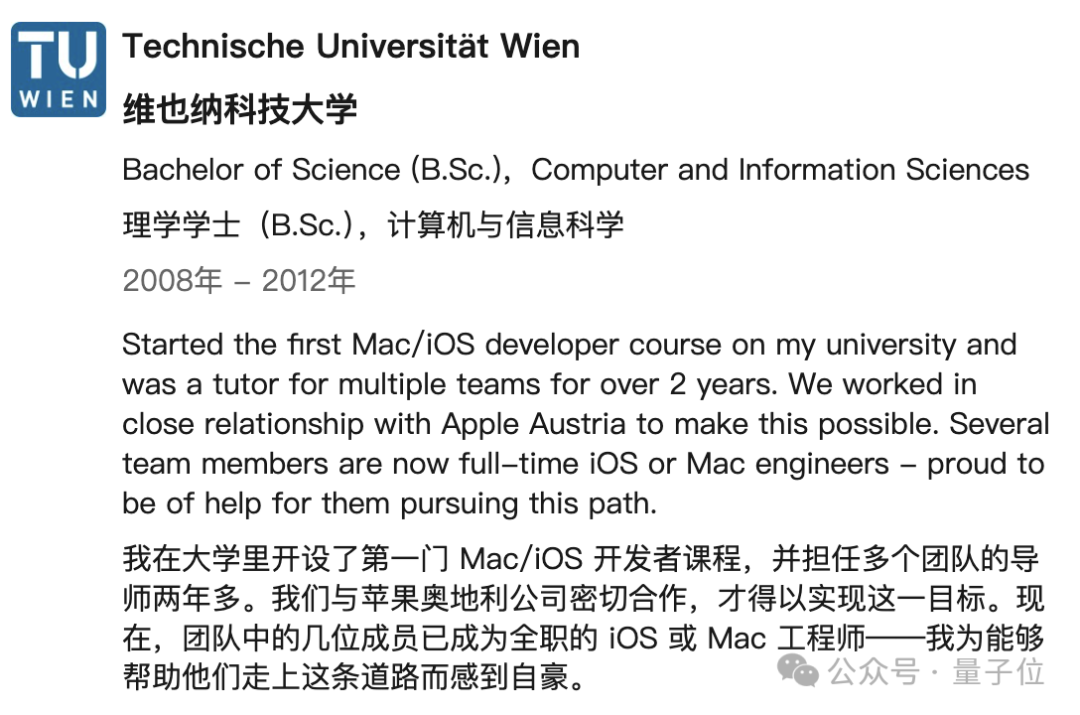
The big shot is named Peter Steinberger (let's just call him Peter), an Austrian who graduated from the Vienna University of Technology with a degree in Computer and Information Science.
In fact, while still in school, Peter was already a seasoned iOS developer. During his studies, he provided technical consulting and one-on-one training for several well-known iOS projects.
Even the first Mac/iOS development course at his alma mater was established with Peter's involvement.
In 2010, Peter received an order that would change his life.
A client wanted to create a magazine-style app based on PDF format, and Peter spent eight weeks developing a complete iOS version for them.
At first, he didn't think much of it.
But soon after, a colleague suddenly asked him, "Can I also use this engine?"
Peter had a realization that this was no small matter.
At that time, the first generation iPad had just been released, and applications were increasingly shifting experiences to the digital world, with paper documents likely being one of the first objects to be restructured.
Once documents were digitized, additional features like electronic signatures, document viewing, editing, commenting, and collaboration needed to be added.
Companies faced a high technical barrier if they wanted to do this themselves.
So, in 2011, Peter launched a solo project—PSPDFKit.
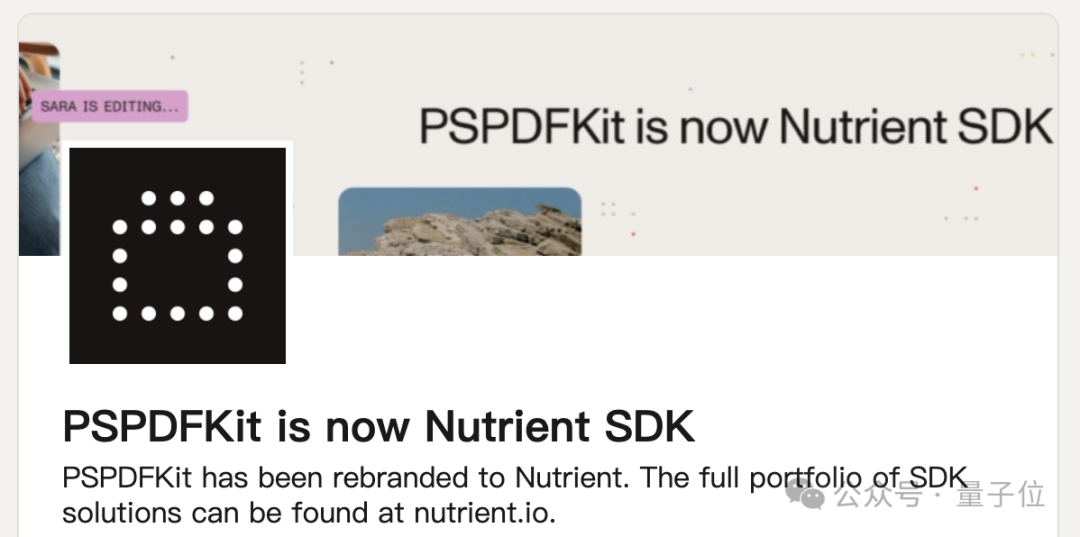
The name is quite straightforward: P stands for Peter; PDF refers to PDF files; Kit represents the SDK toolkit.
The project progressed exceptionally quickly. Peter almost built a website with an online store in a day and tweeted about it. In the first week, several licenses were sold.
However, at that time, he didn't plan to start a business full-time.
In fact, Peter had already accepted a programmer job in Silicon Valley. However, the approval for his work visa to the U.S. was unusually slow, taking a full nine months.
But it was precisely these nine months that gave him an unexpected "gap period." He didn't take on any other part-time jobs and dedicated all his time to refining PSPDFKit.
Who would have thought that this side project would progress too smoothly…
It started making a profit almost from day one. By the time Peter actually joined the Silicon Valley company, the income from PSPDFKit had already surpassed his salary.
Four months later, Peter returned to his hometown, fully committed to PSPDFKit, officially expanding the team and bringing in two co-founders.
It turned out he had indeed hit the sweet spot:
Document processing tools, even just features like "previewing cloud files," were very difficult to create at that time. Yet, they were something companies had to do.
Now that PSPDFKit had laid the foundation, companies only needed to pay a subscription fee to directly access the SDK and API.
Naturally, Peter's business soared.
By 2021, PSPDFKit had almost become the de facto standard in the document processing field. Clients included well-known companies like Apple, Adobe, Lufthansa, Dropbox, and Disney, indirectly serving 150 countries and reaching nearly 1 billion consumers.
And Peter's life reached a turning point that year.
In October 2021, the renowned firm Insight Partners announced an investment in PSPDFKit. Peter chose to cash out at this juncture, selling most of his shares for about 100 million euros.
Peter's Second Half
But the story was just beginning…
Having achieved financial freedom, Peter felt an unprecedented emptiness.
"When I sold my shares in PSPDFKit, my heart was in agony."
PSPDFKit was Peter's labor of love for 13 years. But he was simply too exhausted and needed to take a break, and the appearance of Insight Partners provided a valuable opportunity.
After retiring, Peter indulged in revelry and pleasure, even moving to another country to live.
But all of this only made him feel like a walking corpse.
To fill the void inside, he tried various forms of therapy, even experimenting with ayahuasca—a traditional hallucinogenic drink from South America.
These days passed for four years.
Until one day, Peter suddenly realized: changing cities or countries would not bring true happiness; the meaning of life might never be found.
Because the true meaning—
"Needs to be created by myself."
One day, Peter unexpectedly had a new idea and sat down at his computer to start coding.
"At that moment, I realized my spark had returned."
He suddenly understood that putting ideas into practice and writing code had always been the happiest things in his life.
So, in June 2025, Peter announced his comeback on his blog.

On LinkedIn, his latest title is founder of Amantus Machina, dedicated to developing the next generation of hyper-personalized AI Agents.
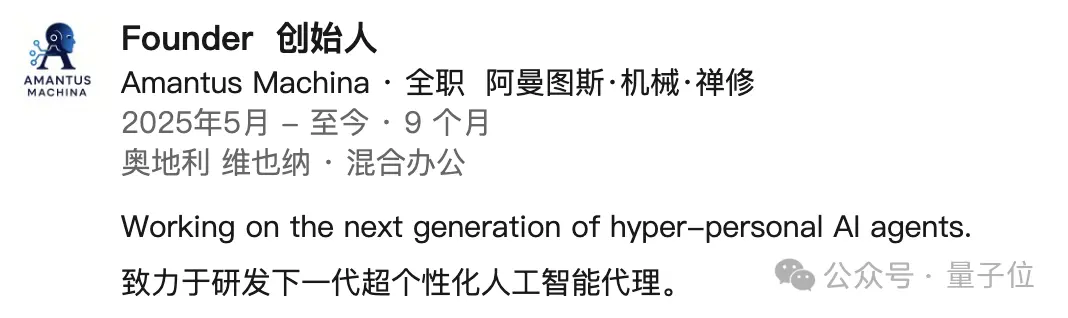
Six months later, Clawbot exploded across the internet, becoming the first truly viral AI product of 2026.
Recently, while listening to a podcast, the founder of Lovart mentioned a viewpoint:
In the mobile internet era, the head effect is too strong; many excellent entrepreneurs from the previous generation didn't have the chance to fully showcase their talents before the window closed.
Many are holding back their energy.
And now, technology is tearing open an unprecedented huge window. AI has emerged, finally providing an opportunity to redo all products.
For many entrepreneurs from the previous generation, this is like a long-overdue ticket to enter.
This is also what Peter thinks in his heart:
"We are back… it's time to make a big move."

免责声明:本文章仅代表作者个人观点,不代表本平台的立场和观点。本文章仅供信息分享,不构成对任何人的任何投资建议。用户与作者之间的任何争议,与本平台无关。如网页中刊载的文章或图片涉及侵权,请提供相关的权利证明和身份证明发送邮件到support@aicoin.com,本平台相关工作人员将会进行核查。


