Author: Zen, PANews
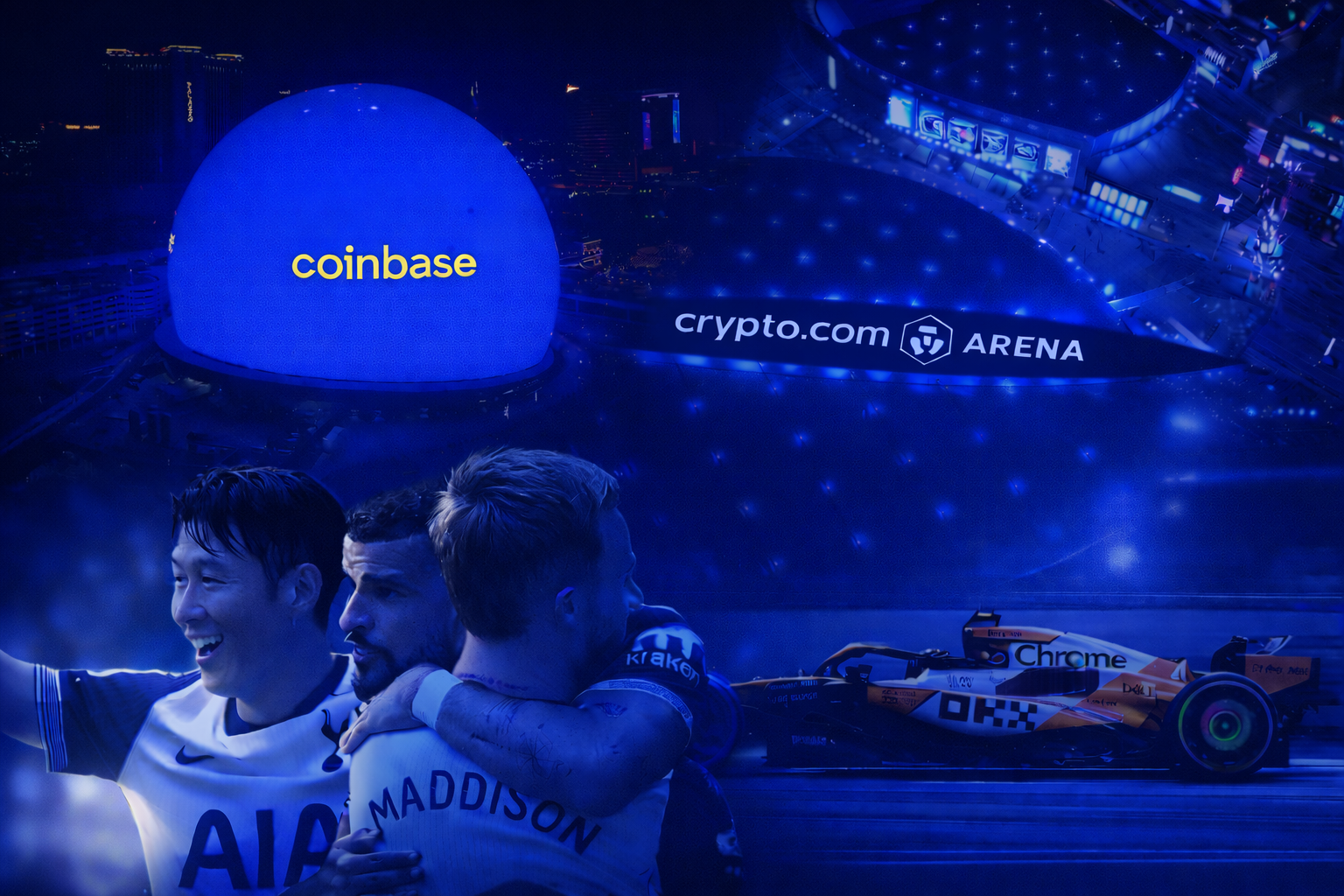
In February 2026, when Coinbase's advertisement flashed again on the Super Bowl's massive LED screen, accompanied by the Backstreet Boys' classic single proclaiming "Crypto. For everybody.", the audience reacted with more negativity than praise, a stark contrast to the crazy night four years ago referred to as the "Crypto Bowl."
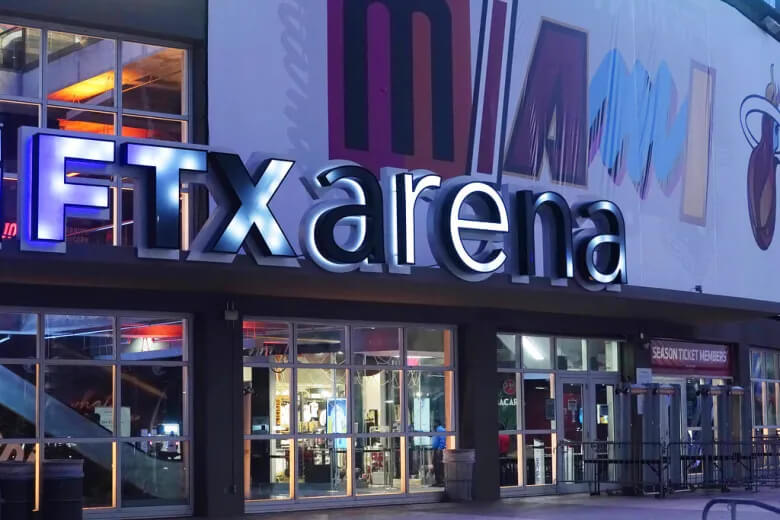
At that time, FTX's logo was prominently displayed above the Miami Heat's arena, while crypto companies waved large checks, attempting to buy decades of trust from mainstream society in just a few days. However, the ensuing collapse, lawsuits, and the farce of renaming the venue turned this "attention experiment" into what was once considered the most expensive joke in sports history.
On the surface, it appeared to be a branding business, but in essence, it was more like a pressure test: when sponsorship embeds financial narratives into the daily lives of fans and viewers, trust is magnified. This was essentially a long-term experiment on "how high-risk financial products can gain attention and legitimacy through highly trusted public institutions."
Sponsorship of Crypto Companies: Starting from the Era of "Big Spending"
In 2021, with the emergence of a phenomenal bull market, rapidly cash-hungry crypto enterprises began to aggressively penetrate the sports and cultural sectors. Cryptocurrency exchanges and blockchain projects started to prominently place their brands on top leagues, leading venues, and global sports broadcasts, which are the most expensive and eye-catching public attention gateways.
In March of that year, Miami-Dade County reached a 19-year venue naming agreement with FTX, renaming the Miami Heat's home ground to FTX Arena. This deal, which inscribed a crypto company into a city landmark, marked the large-scale entry of crypto advertising into the narratives of mainstream urban public spaces for the first time.
That summer, Crypto.com reached a fight kit-level cooperation with UFC, disclosed by CNBC as a 10-year deal worth approximately $175 million. In traditional sports, such sponsorships belong to one of the core commercial assets. Subsequently, in October, Coinbase reached a multi-year official partnership with the NBA/WNBA, featuring its logo prominently on the bases of basketball hoops.
In November, the news of Staples Center being renamed Crypto.com Arena further reinforced this breaking of boundaries. This arena is not only the home ground of the Los Angeles Lakers, a top-tier team, but also a super landmark for Los Angeles's performance, music, and entertainment industry. This naming right directly tied the crypto brand to the center stage of sports and pop culture.
Simultaneously, European football also began to rapidly connect, with Binance becoming the main sponsor on Lazio's jersey, promoting fan tokens and interactive rights narratives, merging exchange sponsorship with Web3 product transformation into a single commercial chain.
Entering 2022, this trend continued to rise, reaching a peak at global events. Crypto.com became not only the global partner of the F1 Sprint series but also secured the official sponsorship position for the 2022 Qatar World Cup, marking the first-time crypto companies entered the world's largest single sports event with official status, reaching an almost universal communication framework.
The crypto industry's monumental marketing push soon faced a turning point at the end of 2022. The collapse of FTX quietly turned naming rights into negative assets. In January 2023, a bankruptcy judge officially terminated the naming agreement between Miami-Dade County and FTX, leading the venue into a process of removing FTX branding and seeking new partnerships. This event also became a negative case in the history of sports and cultural sponsorship.
After 2023, the industry as a whole entered a phase of contraction and reevaluation. Many partnerships reverted from venue naming and top-tier event sponsorship back to jersey sleeve patches, training kits, digital content rights, and fan interaction activities—forms that allow for easier quantification of ROI, while sponsors also placed greater emphasis on compliance and sustainable exposure.
In the field of football, the collaboration chain between OKX and Manchester City is a more controllable version: starting from the official training kit collaboration in 2022, it later expanded into a higher exposure tier with sleeve sponsorship. This path resembles a gradual upgrade typical of traditional sponsorship rather than an all-in gamble. From a macro narrative perspective, the main storyline in this phase is no longer omnipresent crypto ads but rather how sports cultural institutions repurpose pricing between increased revenue, reputation, and compliance risks.
In the past two years, this trend has undergone a more subtle change. Crypto sponsorship has not disappeared, but is more inclined to repackaging their relationship with the mainstream using stablecoins, compliant products, and brand credibility.
For instance, the 2025 collaboration between Aston Martin F1 and Coinbase was described as the first case publicly announcing full sponsorship payments in stablecoin. The appearance of Coinbase at the Super Bowl in 2026, with its slogan "Crypto. For everybody." at the end, reflects its attempt to pull cryptocurrency back from its early niche to the mainstream narrative of "universal participation."
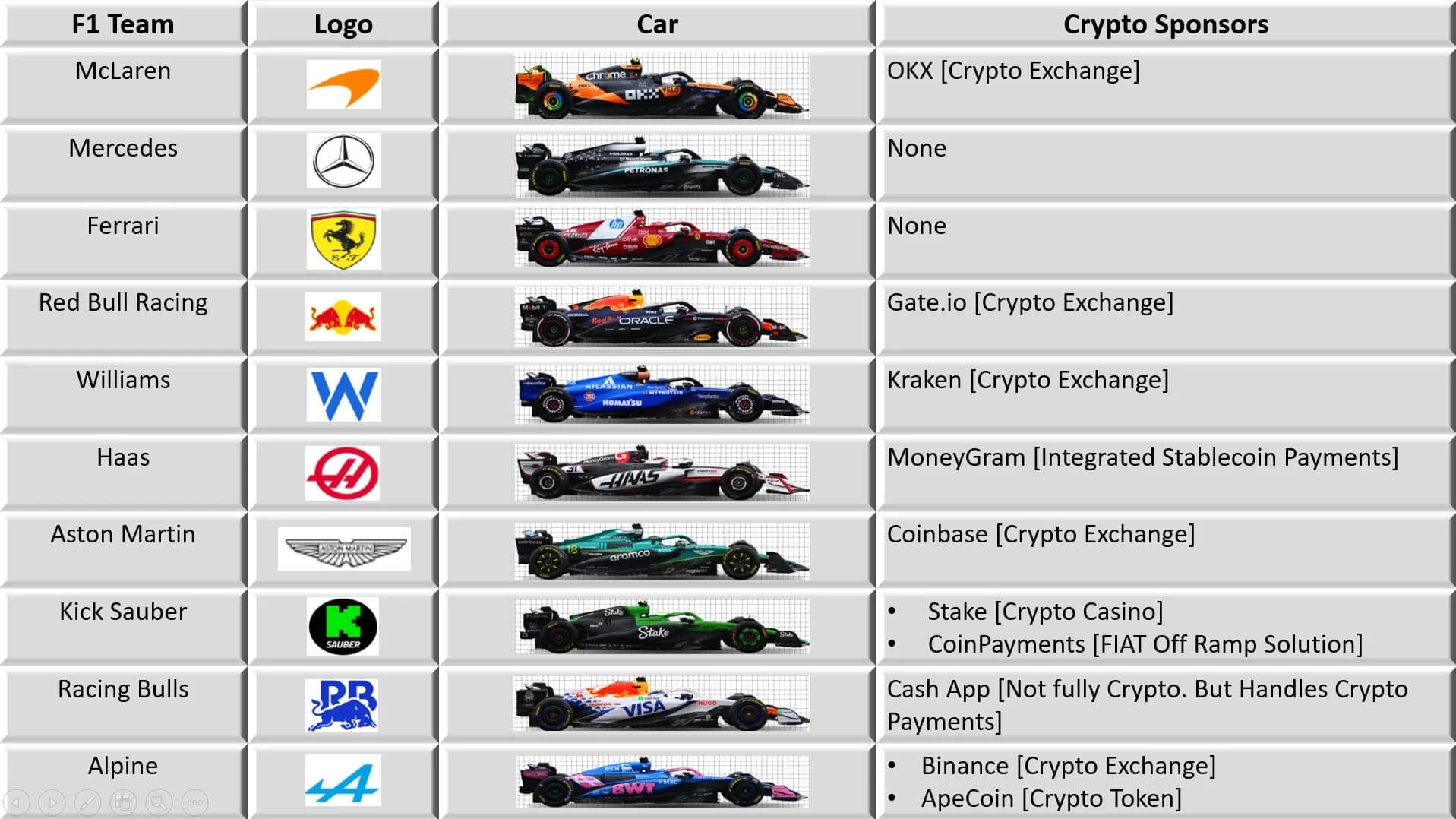
This year, the F1 event is set to begin in March, and last year, the cryptocurrency industry spent $174 million solely on F1 sponsorships. This year, cryptocurrency sponsorship reached a new high: 11 teams had a total of 9 companies sponsoring them.
Exposure, Traffic, and Controversy
In the various advertisements and sponsorships of crypto companies, the exposure and conversion effects brought by medium to long-term partnerships are hard to estimate. However, in a one-off investment like the Super Bowl, its early results are quite remarkable.
In 2022, on Super Bowl day, Coinbase's installs grew by 309% week-over-week, and then increased by another 286% the next day; eToro grew by 132% on the day, and by 82% the next; FTX increased by 130% on the day and by 81% the next. Coinbase's QR code advertisement caused the app to crash or experience access issues due to the influx of users scanning it. This indicates that the short-term conversion capacity of Super Bowl advertising does exist, at least sufficient to create peaks in downloads and activations.
However, such explosive growth does not automatically translate into long-term retention, asset accumulation, and compliance operation capability. In the medium to long-term, the hidden costs of sponsorship often materialize amid tighter regulation and enforcement cycles.
Taking the collaboration between Premier League club Arsenal and Socios on fan tokens as an example, the UK's Advertising Standards Authority (ASA) ruled in 2021 that Arsenal's related promotional content downplayed high-risk decision-making in the context of crypto assets and did not adequately inform key risks such as tax; ultimately, it demanded that the relevant advertisement not reappear in a form that was complained about, and the club must adjust the presentation of pages and risk alerts.
As the world's largest sport, football has always been a favored entry point for crypto companies. Compared to those eager to invest heavily, companies entering football leagues and clubs are more complex, generating more controversies and negative impacts.
In 2024, a book titled "No Questions Asked: How football joined the crypto con" was officially published, describing football's embrace of crypto sponsorship as a collective failure driven by greed and luck, with almost no due diligence, resulting in treating fans as exits for high-risk, low-regulation financial products. Clubs often do not apologize, explain, or commit to improvement after scandals.
The contradictions within sports and cultural sectors stem from organizations introducing high-risk sponsorship under financial pressure, potentially binding their own reputation with the credibility of their partners. Research on sports sponsorship categorizes this damage into operational risk and reputational risk: once a sponsor collapses or faces significant controversy, sponsorship assets can shift from being a "credibility tool" to a "negative asset."
Expanding into a sociological perspective, controversies center around crypto companies leveraging the emotional communities of sports and culture (fans, music lovers, moviegoers) to lower participation thresholds, packaging highly volatile assets as identity, interests, and trends, thus amplifying FOMO and herd behavior.
The UK Advertising Standards Authority (ASA) explicitly pointed out in the Floki Inu London Underground advertisement case that it "exploited fear of missing out, trivialized investment risks, and irresponsibly targeted inexperienced individuals," becoming typical regulatory language. Collaborations with film festivals, art fairs, and awards also serve similar functions, but this "cultural legitimization" does not equate to financial appropriateness; it resembles a transformation of symbolic capital: substituting cultural authority for risk explanations and brand associations for product understanding.
Regulation and Enforcement Gradually Complete
In response to the expansion and controversies surrounding crypto sponsorship in sports and cultural sectors, regulatory agencies are gradually completing rules.
In the UK, financial regulatory authorities announced in 2023 that stricter requirements for marketing crypto assets targeting UK consumers will be implemented starting October 8, including a cooling-off period for first-time investors, enhanced risk warnings, and a clear prohibition on inappropriate incentives such as referral rewards.
The ASA has also implemented concentrated rulings to apply standards such as "sufficiency of risk display," "exploitation of inexperienced individuals," and "encouragement of debt purchases" to specific texts and advertising scenarios, expanding its review scope as of 2026 to address "whether crypto is presented as a solution to real financial issues."
In the US, consumer protection agencies have updated the "disclosure obligations of influencers and advertisers" guidelines from an advertising and anti-fraud perspective, releasing an updated endorsement guide in 2023 to cope with platform-based distribution and influencer marketing; simultaneously, they highlighted the high incidence of crypto scams through data reports, strengthening public education and platform governance pressure. Futures and derivatives regulatory agencies continue to publish educational materials on digital asset risks to prevent the public from falling into related fraud traps.
In the EU, the MiCA framework clearly requires relevant service providers to communicate with potential holders in a fair, clear, and non-misleading manner while cooperating with consumer risk warnings and reminders of authorization/regulatory boundaries; EU regulatory agencies have also released consumer-facing risk warnings. With the rise of social media's influence on financial content, EU securities regulatory agencies released a fact sheet for "finfluencers," emphasizing the necessity of prominently disclosing compensation and interests, and that not using concealed markings to downplay advertising attributes.
The aforementioned regulatory frameworks imply that future sponsorships will resemble conventional marketing in regulated industries. The effectiveness of these measures manifests in three points: first, the minimum risk disclosure standards for advertising texts are being raised, especially visible in the UK's ruling practices; second, the disclosure obligations for celebrity endorsements are shifting from "moral expectations" to enforceable rules; third, cross-border platform distribution is being incorporated into regulatory narratives (even if advertisements are produced abroad, they may be subject to regulation if directed at domestic consumers).
However, the gaps in regulation remain clear. The legal attributes of many tokens or experiential rights shift, leading regulation to address surface issues solely based on whether there is deception or information disclosure.
Moreover, sponsorship contracts are contractual transactions between enterprises and clubs, largely relying on mutual agreements in the contracts. Regulation typically finds it difficult to directly stipulate unified standards like "naming rights" for such commercial transactions, and can only intervene from angles such as advertising compliance and consumer protection.
免责声明:本文章仅代表作者个人观点,不代表本平台的立场和观点。本文章仅供信息分享,不构成对任何人的任何投资建议。用户与作者之间的任何争议,与本平台无关。如网页中刊载的文章或图片涉及侵权,请提供相关的权利证明和身份证明发送邮件到support@aicoin.com,本平台相关工作人员将会进行核查。


