Author: Nancy, PANews
Recently, Nvidia has faced a collective lawsuit from investors, accused of hiding over $1 billion in cryptocurrency mining revenue, drawing market attention.
This prolonged lawsuit brings market focus back to the crazy gold rush of that year. The current AI empire Nvidia was, at the time, a direct beneficiary of this frenzy.
Accused of hiding over $1 billion in mining revenue, years of collective lawsuit officially advances
A U.S. federal judge has approved a collective lawsuit against Nvidia and its CEO Jensen Huang.
According to the plaintiffs, from 2017 to 2018, Nvidia concealed the extent to which its gaming graphics card revenue depended on cryptocurrency mining demand.
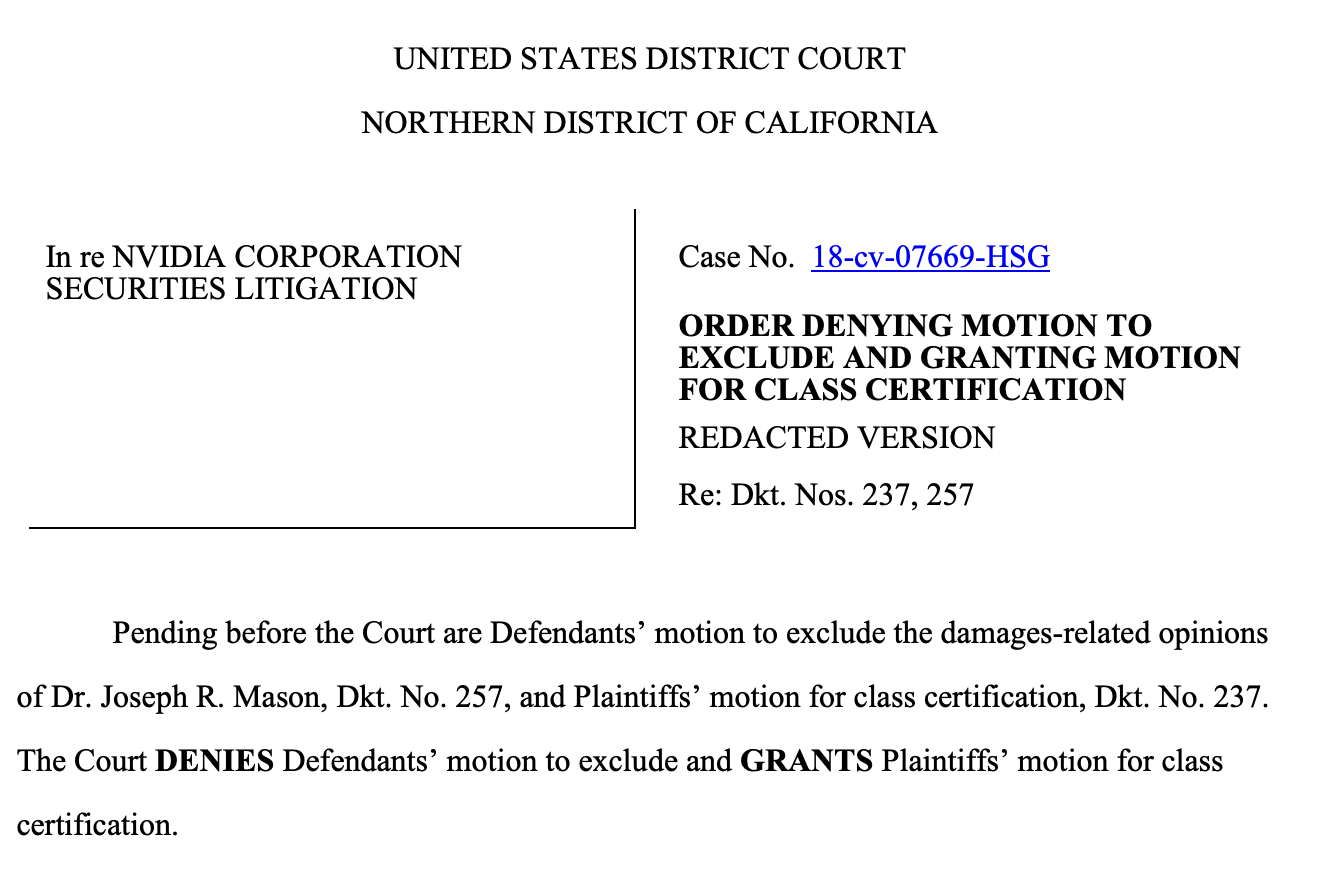
The lawsuit was initially filed by investors in 2018 and was dismissed in 2021. After an appeal for re-examination, Nvidia's appeal to the U.S. Supreme Court was not accepted, and the case has now officially received approval for a collective lawsuit.
The plaintiffs believe that Nvidia generated over $1 billion in cryptocurrency-related revenue through GeForce gaming graphics cards but categorized most of it under the "gaming business" segment, downplaying the risk warnings to investors. Investors accuse CEO Jensen Huang of downplaying the true scale of cryptocurrency demand at the time. However, Nvidia had previously claimed that cryptocurrency mining accounted for only a small part of the company's business, with gaming revenue primarily coming from gamers.
The plaintiffs pointed out that this practice exposed the company directly to the risks of fluctuations in the cryptocurrency market cycle. Notably, after the company made corrective disclosures in November 2018, the stock price fell approximately 28.5% within two days.
More importantly, the court cited an internal email from an Nvidia vice president in its ruling, considering it particularly persuasive evidence. The judge noted that an internal executive had stated, "The company's stock price remains high precisely because of previous related statements," indicating that such statements had an impact on stock prices.
In fact, as early as 2022, the U.S. SEC had accused Nvidia of insufficiently disclosing the impact of cryptocurrency mining on its gaming business, believing that its financial reports for two quarters might mislead investors. Nvidia neither admitted nor denied the SEC's accusations but agreed to pay a $5.5 million fine and reached a settlement.
The approved collective lawsuit covers investors who bought Nvidia stock between August 10, 2017, and November 15, 2018. The court plans to hold a case meeting on April 21, at which time the judge will clarify the subsequent hearing process.
Once in cryptocurrency gold rush, Nvidia's mining history
Let's go back to the bull market of 2017. Mining rigs were in high demand, chips were in short supply, and countless prospectors surged into Bitcoin mining.
At that time, Nvidia was best known for its gaming graphics card business. However, as the prices of cryptocurrencies like Bitcoin and Ethereum skyrocketed, the graphics card market was in high demand and faced severe shortages for a long time. Nvidia's GPU products were naturally in high demand, leading to ordinary gamers struggling to find a card.
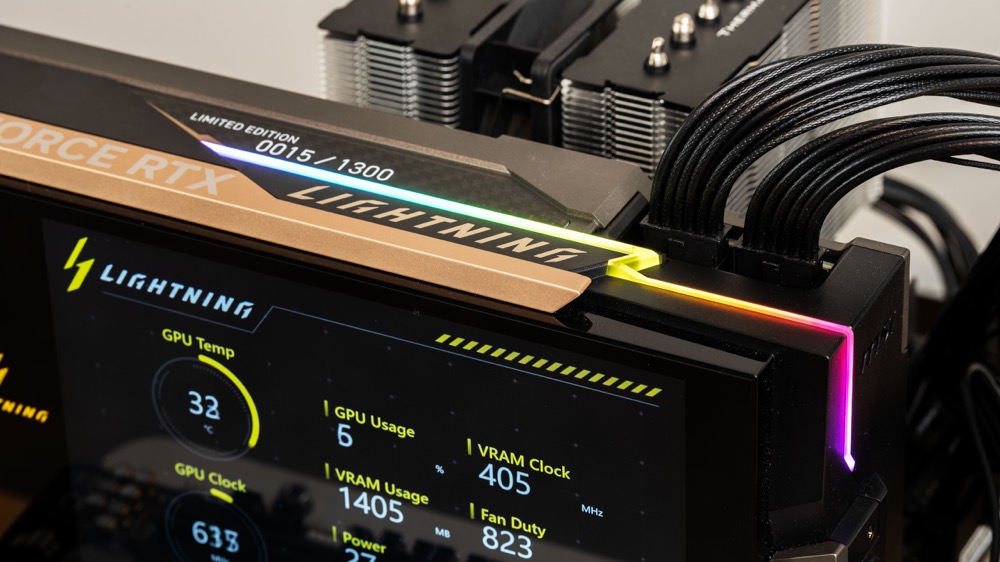
By 2020, a new round of the bull market reignited mining enthusiasm. This time, Nvidia took proactive measures, launching CMP mining cards specifically designed to meet the special needs of Ethereum mining and implementing mining performance limits on the RTX 3080 for gamers. However, even so, it was difficult to curb the enthusiastic demand from miners. According to Nvidia, in the first quarter of 2021, sales of CMP mining-specific chips alone reached $155 million, while the global independent graphics card market flowing into cryptocurrency mining was about $500 million during the same period.
It is evident that this mining boom allowed Nvidia to earn a substantial profit. But the question of how much of this revenue came from miners has always been a mystery. In Nvidia's financial reports, mining revenue was categorized under the gaming segment, making it difficult for outsiders to accurately break down its true structure.
However, in terms of revenue, mining indeed "boosted" Nvidia at that time. In 2018 alone, Nvidia's operating revenue reached $9.714 billion, an increase of 41% year-over-year, with gaming business contributing over half (around $5.5 billion). Interestingly, during the same period, the mining company Bitmain, which had only been established a few years prior, expanded rapidly, with profits nearing Nvidia's, while Nvidia was one of its suppliers.
However, this part of the revenue is highly affected by cryptocurrency cycle fluctuations. After the sharp decline in mining demand in 2022, Nvidia also experienced a drop in sales and surplus inventory, with its gaming business becoming a major drag on its overall performance, and the decline in GPU sales was one key reason. Interestingly, Nvidia's CTO Michael Kagan openly stated in 2023 that cryptocurrencies would not bring anything useful to society, while the emergence of ChatGPT was the "iPhone moment" in the AI field.
Since then, Nvidia's rise in AI has become widely known, becoming the strongest shovel seller in the AI era, selling new tokens. Meanwhile, the once-lucky mining companies have also begun to shift their focus to AI businesses.
免责声明:本文章仅代表作者个人观点,不代表本平台的立场和观点。本文章仅供信息分享,不构成对任何人的任何投资建议。用户与作者之间的任何争议,与本平台无关。如网页中刊载的文章或图片涉及侵权,请提供相关的权利证明和身份证明发送邮件到support@aicoin.com,本平台相关工作人员将会进行核查。


