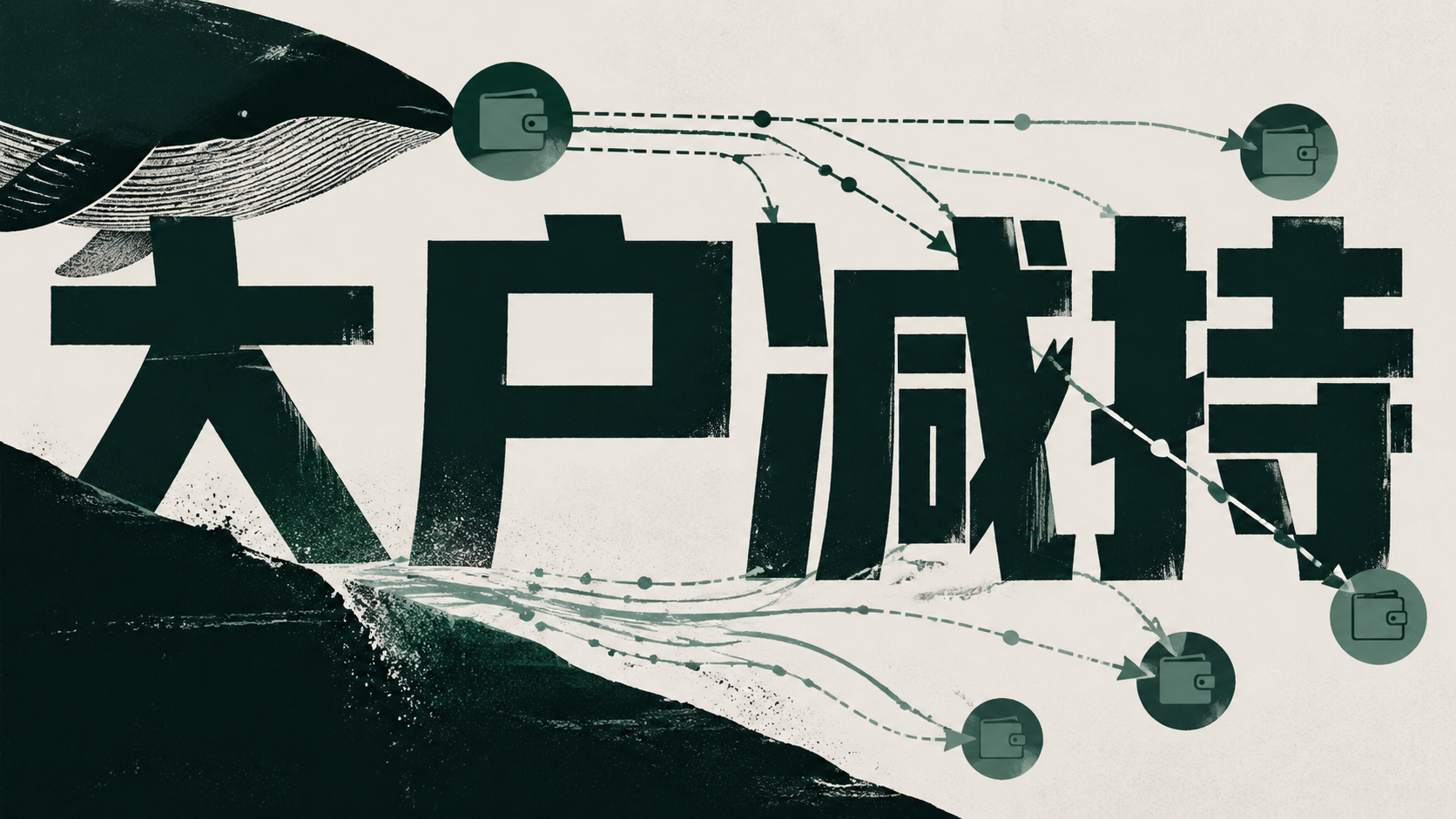
On the morning of May 1, 2026, the cryptocurrency market welcomed a flurry of updates regarding governance and security dynamics. According to AiCoin data, the most critical on-chain signal currently stems from a key governance vote initiated by the Arbitrum DAO: it proposes to release 30,766 ETH for the aftermath of Kelp-related attack incidents. This action combines with Kelp's previous announcement to inject 2,000 ETH into the "DeFi United" revival fund to restore the exchange rate of rsETH assets, attempting to fill the market funding gap through recapitalization. However, the on-chain security situation remains grim, as the Berachain Foundation confirmed that Wasabi was attacked across multiple chains, resulting in Berachain users facing a risk exposure of approximately $50,000, leading to an emergency suspension of the rewards treasury. These events outline a clear trend: the boundary for handling DeFi risks is undergoing profound changes, shifting from the self-redemption of a single protocol to a social rescue model supported by L2 DAOs, project parties, and specialized revival funds.
In terms of concentrated governance and compliance expansion, the market has also released strong signals. The proposal by WorldLibertyFi (WLFI) to unlock 62 billion tokens was approved with an overwhelming support rate of 99.5%. Although the plan set a linear unlocking period of up to 5 years for internal stakeholders, the fact that the top four wallets collectively hold 40% of the voting power has once again raised discussions in the market concerning governance centralization. Meanwhile, the regulatory threshold for entry is being elevated; the U.S. Securities and Exchange Commission (SEC) has officially approved Nasdaq ISE to increase the position limit for iShares Bitcoin Trust (IBIT) options to 1 million contracts, marking a significant expansion in liquidity depth in the compliant derivatives market. Combined with the $6 million funding completed by the prediction market startup XO Market and the latest restrictions by the U.S. Senate on prediction market trading, the current crypto ecosystem finds itself at a critical crossroads in risk pricing reshaping and compliance framework negotiations.
30,766 ETH: Arbitrum Aftermath Proposal
On the morning of May 1, 2026, the Arbitrum DAO officially initiated a key governance vote to release 30,766 ETH for handling the aftermath of Kelp-related attack incidents. According to AiCoin data, this massive fund flow involving tens of millions of dollars is a significant progress following Kelp's prior injection of 2,000 ETH into the "DeFi United" revival fund. Unlike Kelp's self-help efforts aimed at fixing the nominal exchange rate of rsETH and filling the funding gap, Arbitrum DAO's intervention indicates that L2 governance organizations are starting to intervene at a higher level in managing security incidents within DeFi protocols.
Regarding the source of the 30,766 ETH, the on-chain logic presents strong narrative tension. According to unofficial messages disclosed by the community, the Arbitrum Security Committee may have previously taken emergency intervention measures to freeze the portion of assets that attackers attempted to transfer to the Arbitrum One chain. Although this information awaits final confirmation from official channels, the initiation of this vote clarifies the DAO's intention to handle this "controversial asset." This behavior, where the governance level intervenes and leads the allocation of on-chain asset flows, is not only a targeted remedy for the Kelp incident but also a substantial exploration of the responsibility boundaries of L2 governance organizations in extreme security events.
Currently, the proposal is in the initial voting stage, and the specific trend of support and final approval threshold remains a focal point for the market. Inside the community, there are significant differences in attitude regarding the use of public nature funds (or intercepted assets) to "cover" specific protocol incidents: supporters believe this move can quickly restore ecological credit and protect injured rsETH holders; opponents caution that this may trigger moral hazard and blur the risk isolation wall between the DAO and third-party protocols. The core observation for the future will be whether responsibility clauses will emerge during the voting process and how the community defines the compensation sequence of "public funds" in DeFi risk pricing. In the current evolution of compliant derivatives and prediction market risks, this decision by Arbitrum DAO will become an important benchmark for measuring L2 ecological resilience and the limits of governance intervention.
Kelp Injects 2,000 ETH to Support rsETH
According to AICoin monitoring and various media reports, Kelp has officially completed its commitment to the "DeFi United" revival fund on the evening of April 30, 2026. This investment involves a one-time capital injection of 2,000 ETH, aimed at repairing the underlying collateral structure of the rsETH system through direct capital intervention. The core task of these funds is to restore the nominal exchange rate of rsETH to its underlying assets, reversing the asset decoupling risks caused by security incidents. It is understood that this ETH will be prioritized for the recapitalization of bridge vaults, ensuring that the protocol's liquidity base in cross-chain and settlement layers is strengthened, providing firm support for the smooth redemption of subsequent assets.
In terms of specific systems repair pathways, Kelp has clarified that these 2,000 ETH will cover several key technical and financial aspects, including the full restoration of oracle functions and filling the funding gap in affected markets. Given that the pricing logic of rsETH heavily relies on accurate on-chain feeds, the recapitalization of the oracle system is a prerequisite for restoring confidence in the pricing of the protocol. Kelp previously publicly promised that rsETH holders would not suffer losses due to the attack incident, and this investment is viewed by the market as a direct manifestation of fulfilling that promise. This self-help action forms a logical correlation with Arbitrum DAO's proposal to release 30,766 ETH for the aftermath, together constituting a liquidity-supporting network for this event, attempting to block potential risk spread through a combination of "self-help by the project party + community governance compensation."
According to official statements, as the funds from various parties of the "DeFi United" fund gradually arrive, the collateral structure of rsETH will enter a phased recovery process toward normal operations. Although the specific schedule and detailed phase divisions have not been disclosed in public reports, the immediate investment of 2,000 ETH has provided the necessary startup funds for system normalization. This model of establishing a recovery fund and having core participants inject capital in a one-time manner after an on-chain crisis not only repairs asset anchoring technically but also provides clear risk hedging expectations for rsETH holders at the data level. With the subsequent progress of Arbitrum governance votes, the complete repair of the rsETH system will depend on the final implementation of these two massive funds in the on-chain asset pathways.
Wasabi Hacked, Single Chain Exposure Approximately $50,000
According to AiCoin data, on the evening of April 30, 2026, the Berachain Foundation issued an emergency risk warning, confirming that the cross-chain protocol Wasabi had been hacked across all deployed chains, including Berachain. The foundation expressly requested that users holding funds in Wasabi should "withdraw immediately," showing official vigilance towards the potential spread of losses. This incident again highlights how the security vulnerabilities of the protocol layer can quickly evolve into direct user asset threats when introducing cross-chain applications to emerging ecosystems.
In terms of specific risk data, the Berachain Foundation disclosed that the risk exposure of its ecosystem users is approximately $50,000. Although this figure is not remarkable in the context of DeFi attack history involving tens of millions of dollars, for Berachain, which is currently in a liquidity building phase, the collapse of a single protocol still constitutes a substantial credit shock. Currently, Wasabi's rewards treasury has announced a suspension of use, meaning that all incentive distributions and interaction logic related to this treasury have come to a halt. As further details on the attack vectors, the identity of the attacker, or asset recovery have not yet been disclosed in public materials, there remains uncertainty regarding the safety of on-chain funds.
In comparison to the aforementioned Kelp/rsETH incident, the response to DeFi risks has shown two completely different paths: Kelp focuses on "self-help" through core participants injecting funds and seeking DAO governance support to repair asset anchoring; while the cases of Berachain and Wasabi lean more towards administrative intervention and early warning at the foundation level to block risks. For users affected by Wasabi, subsequent technical repair plans and whether a compensation mechanism will be established based on the Kelp model will be key factors in assessing whether the protocol can rebuild trust in the multi-chain ecosystem.
62 Billion WLFI Unlocking, Four Major Wallets Hold 40% Voting Power
According to CoinDesk, the crypto project WorldLibertyFi (WLFI), supported by the Trump family, recently passed a key governance proposal with an overwhelming support rate of 99.5%. The core of this proposal is to unlock up to 62 billion WLFI tokens and clarify the token release pace for internal stakeholders. The detailed plan shows that a 2-year lock-up period (Cliff) and a subsequent 5-year linear unlocking period have been set for team and affiliates’ token shares. This means that although the total unlocking scale is enormous, the interests of core participants and affiliates will be closely tied over the next seven years. This tiered release arrangement somewhat delays the large-scale immediate turnover of governance rights, but under the background of lacking current total supply, circulation, and specific market cap data, such a volume of token unlocking still constitutes a significant variable in on-chain governance structures.
The high concentration of on-chain governance rights is the most concerning signal after the approval of this proposal. According to data, the top four wallet addresses of WorldLibertyFi currently hold approximately 40% of the voting power. This highly concentrated token distribution not only explains why a major proposal involving 62 billion tokens was swiftly approved with nearly unanimous votes but also poses challenges to the project's decentralization expectations. Under this structure, the decision-making weight of a few core addresses is enough to dominate the protocol's evolutionary direction, significantly diluting the governance voice of ordinary holders or long-term participants. For a project with strong family endorsement, high concentration of voting rights means that the focus of governance games still resides among the internal stakeholders.
When the plan to unlock 62 billion tokens aligns with the 40% concentrated voting rights, the governance ecology of WorldLibertyFi presents clear characteristics of centralization. Although the five-year linear unlocking period smoothens the release of internal shares over time, the dominance of the top four wallets means that the formulation of project rules, treasury allocation, and protocol parameter adjustments during the project's early stages will still be firmly controlled. In a context where DeFi protocols generally emphasize governance transparency and censorship resistance, this governance structure combined with its large unlocking scale undoubtedly amplifies the project's governance risks and gaming threshold. Although there is currently no clear evidence to suggest that this concentration will directly trigger liquidity migration or market volatility, the high tilt of governance rights has become a risk factor that cannot be ignored when assessing the project's long-term participation value.
Prediction Market Limitations and IBIT Expansion Shape New Order
In the dual game of compliance and product innovation, the boundaries of participation in the crypto market are being reshaped. On one hand, regulatory constraints on ethical participation are tightening; the U.S. Senate recently passed regulations limiting senators and their staff from participating in prediction market trading, aiming to reduce insider trading and moral hazards, echoing the ethical controversies in the ongoing U.S. crypto market structural bill. On the other hand, the capacity for compliant derivative tools is experiencing a quantitative change. According to AiCoin data, the U.S. SEC has officially approved the Nasdaq ISE's rule changes, significantly increasing the position and exercise limits for IBIT options from 250,000 to 1 million contracts. This revised limit accounts for approximately 7.474% of the total circulating shares of IBIT, and even if fully exercised, it would only comprise 0.278% of the total circulating supply of Bitcoin globally. The SEC believes that this move will provide institutions with greater trading flexibility while effectively preventing fraud and manipulation. Meanwhile, the prediction market sector has not stagnated due to regulatory constraints; the startup XO Market secured $6 million in seed funding from investors including 20VC and Coinbase Ventures, with its model allowing individuals or companies to create markets, indicating that product-level autonomy is hedging against administrative access limitations.
This trend from "administrative constraints" to "product expansion" complements the logic of risk disposition at the on-chain governance level. From Arbitrum DAO's proposal to release 30,766 ETH for Kelp attack aftermath, to Kelp's one-time injection of 2,000 ETH to fix the rsETH exchange rate, and finally to Berachain's risk isolation regarding the Wasabi attack incident, the underlying mechanism for managing DeFi risks is transitioning from pure self-help by protocol code to a multi-dimensional structure of “community governance intervention + multiple capital injections + compliance derivatives hedging.” In the current market order, risks are no longer merely borne passively by underlying users; instead, they are being redistributed among protocol autonomous governance, recovery funds, and regulated derivatives markets. Future tracking of the conflict between governance centralization (as reflected in WLFI proposal's voting power distribution) and the evolution of compliance frameworks will be key variables in determining whether on-chain risk management mechanisms can achieve a long-term closed-loop.
Join our community, let's discuss together and become stronger!
Official Telegram community: https://t.me/aicoincn
AiCoin Chinese Twitter: https://x.com/AiCoinzh
AiCoin On-chain: https://aicoin.com/hyperliquid
AiCoin Exclusive Hyperliquid benefits: https://app.hyperliquid.xyz/join/AICOIN88
AiCoin Exclusive Aster benefits: https://www.asterdex.com/zh-CN/referral/9C50e2
免责声明:本文章仅代表作者个人观点,不代表本平台的立场和观点。本文章仅供信息分享,不构成对任何人的任何投资建议。用户与作者之间的任何争议,与本平台无关。如网页中刊载的文章或图片涉及侵权,请提供相关的权利证明和身份证明发送邮件到support@aicoin.com,本平台相关工作人员将会进行核查。