Author: Zen, PANews
On June 6, the New York Knicks, playing away, narrowly defeated the San Antonio Spurs 105 to 104 in Game 2 of the Finals. The Knicks, who were not favored before the Finals, won the first game on the road 105 to 95 against the Spurs. Their ability to conquer two home courts in a row can be said to be unexpected for everyone.
For a team that returned to the Finals for the first time since 1999, with their last championship dating back to 1973, a dream start leading 2-0 and bringing the series back to their home at Madison Square Garden undoubtedly pushed the fervor of generations of New York fans to an extreme high.
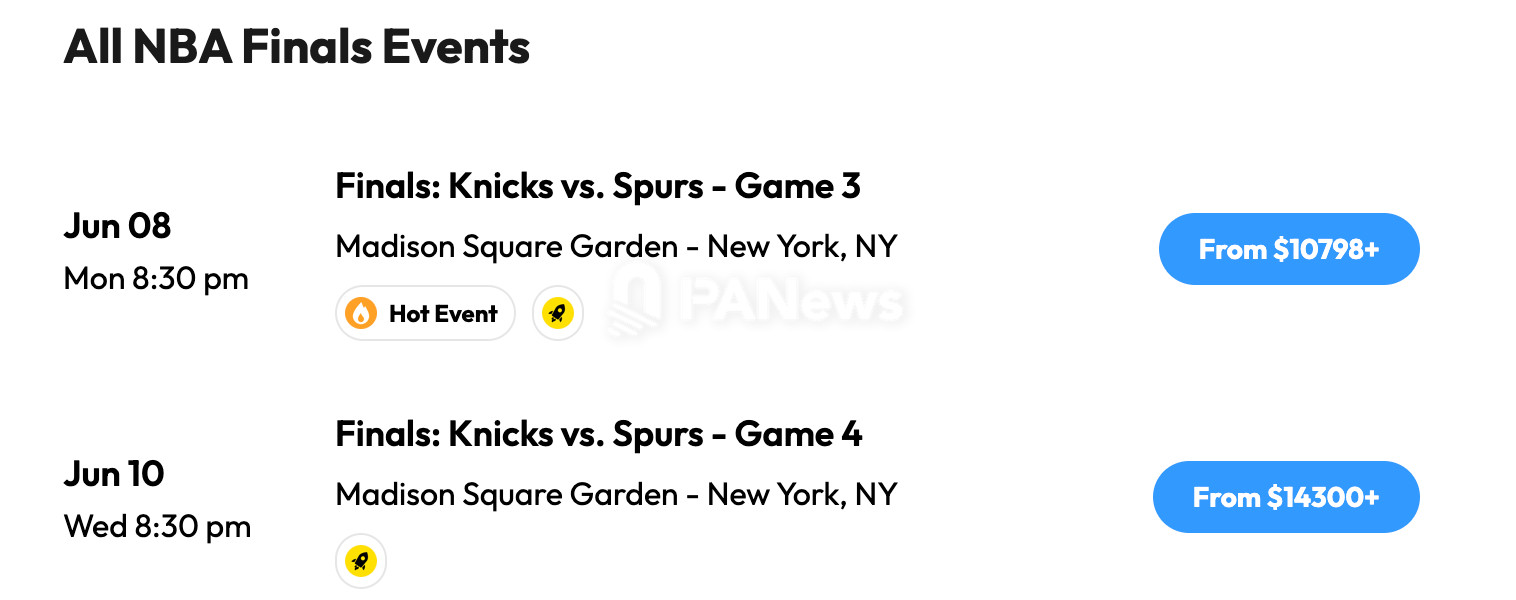
According to the latest data from the ticketing site TickPick, after the second game, the lowest ticket price for Game 3 at Madison Square Garden has exceeded $10,000, and for Game 4, it even skyrocketed to over $14,000. Faced with the proximity of their first NBA championship in 52 years, the excitement in "the capital of the world," New York, has been completely ignited, making this Finals one of the most expensive viewing experiences in NBA history.
Unlike before, an increasing presence of prediction markets has emerged during the festivities in New York. Whether it is the prediction market Kalshi partnering with Madison Square Garden as an official partner and gaining significant exposure, or fans and businesses widely participating in betting around probabilities, attention, and entertainment consumption, this NBA Finals is not merely a sports event but also a celebration of prediction market platforms.
Prediction markets enter venues, bars, and fans' daily lives
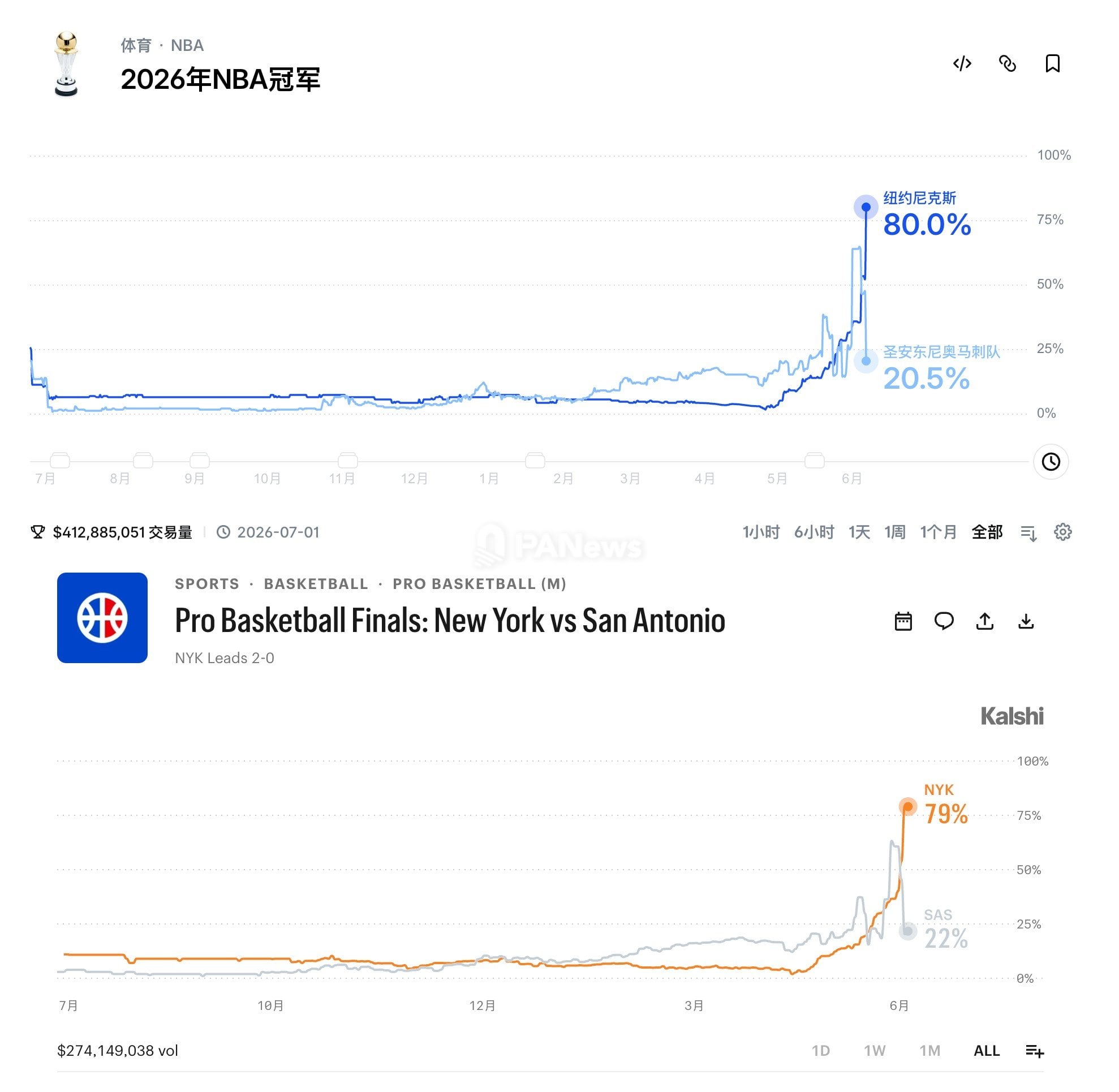
Since the start of the Finals, prediction markets themselves have become part of the game's popularity. As of June 6, the Polymarket “2026 NBA Champion” market page shows that the cumulative trading volume has exceeded $413 million, with a daily trading volume of about $2 million; Kalshi's trading volume regarding the NBA Finals has reached approximately $274 million. In addition, derivative markets surrounding the Finals MVP, specific series scores, player statistics, and celebrity appearances continue to attract traders' participation.
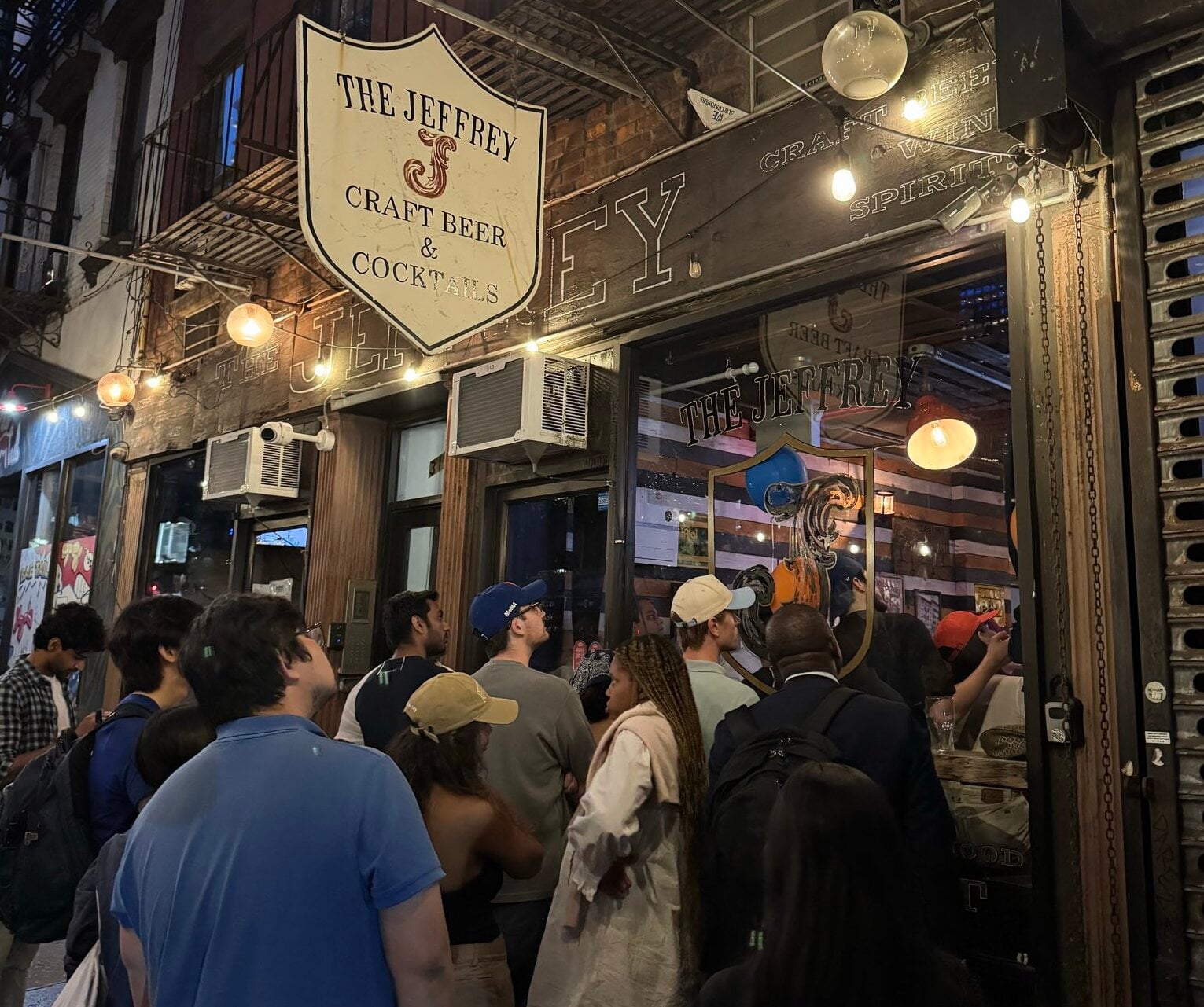
Moreover, the impact of prediction markets is not confined to online. With the Knicks advancing through the Finals, sustaining increased interest, prediction markets have begun to enter scenes such as bars, arenas, and offline viewing spots, becoming a new tool for merchants to design promotional activities and manage cost risks. Before Game 1 of the Finals, The Jeffrey bar located in Manhattan's Upper East Side launched a promotion: if the Knicks win, customers would not need to pay that night.
For a small business, fulfilling such a large promotion would bring considerable cost pressure. The Jeffrey's approach was to buy $5,000 worth of Knicks-related contracts on Kalshi; if the Knicks win, the contract gains could cover the cost of the waived bills; conversely, if the Knicks lose, the bar would not have to waive the bills, and the customer traffic attracted by the event, along with the consumption growth from the promotion, could reduce or even cover the cost of the bet.
From an industry perspective, this case proves that prediction markets are not just a tool for fans to trade outcomes of games; they can also become a means for merchants to manage activity risks. The Jeffrey linked the enthusiasm of fans after a Knicks victory, the increase in customer traffic, and the cost of the waived bills with Kalshi contracts, transforming the uncertainty of promotional activities into measurable and hedgeable risks. It did not change or depend on the game result but changed the way merchants design promotional activities around the game. This has also allowed prediction markets to demonstrate the effect of "insurance" products.
In addition to the indirect promotion of prediction markets by small businesses, the official collaboration between Kalshi and Madison Square Garden has further pushed the prediction market platform into a more prominent position.
In early May, Kalshi announced a multi-year partnership with Madison Square Garden (MSG), becoming the official prediction market partner. Furthermore, the sixth-floor hall of MSG was named "Kalshi Concourse," and it will gain exposure through digital screens inside and outside the venue, in-house LEDs, MSG Networks advertisements, and brand content.
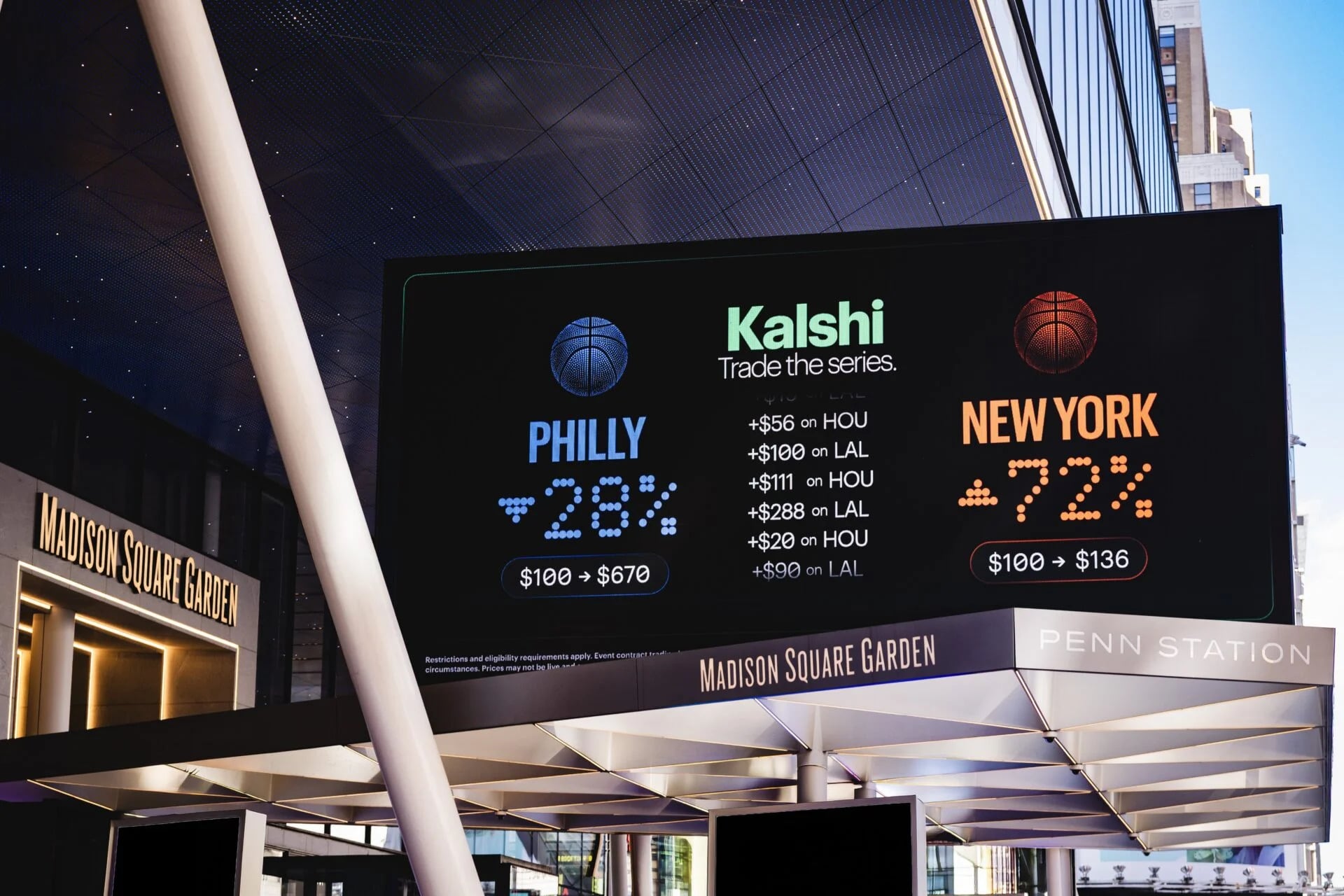
With predicting future events as its core business, Kalshi seems to have "hit" its offline layout this time. A few weeks ago, securing the partnership rights with MSG, it has quickly turned into a highly representative offline brand investment as the Knicks reach the Finals. Kalshi has almost timed it perfectly. As Madison Square Garden becomes the focal point of American sports media and the emotional center of New York City, Kalshi has already occupied one of America's most symbolic sports venues ahead of time, transitioning from an online trading page to a denser offline exposure scene.
The boundaries of sports betting are being pushed further by prediction markets
In fact, turning sports hotspots into commercial hedging tools is not an original concept of prediction markets.
The most typical precedent is Jim McIngvale, the Houston furniture businessman known as "Mattress Mack." His promotional tactic is that if customers purchase furniture worth a certain amount, and if the local team in Houston wins the championship, they'll get a refund. Before the game, he places large bets on traditional betting platforms supporting his hometown team to win.
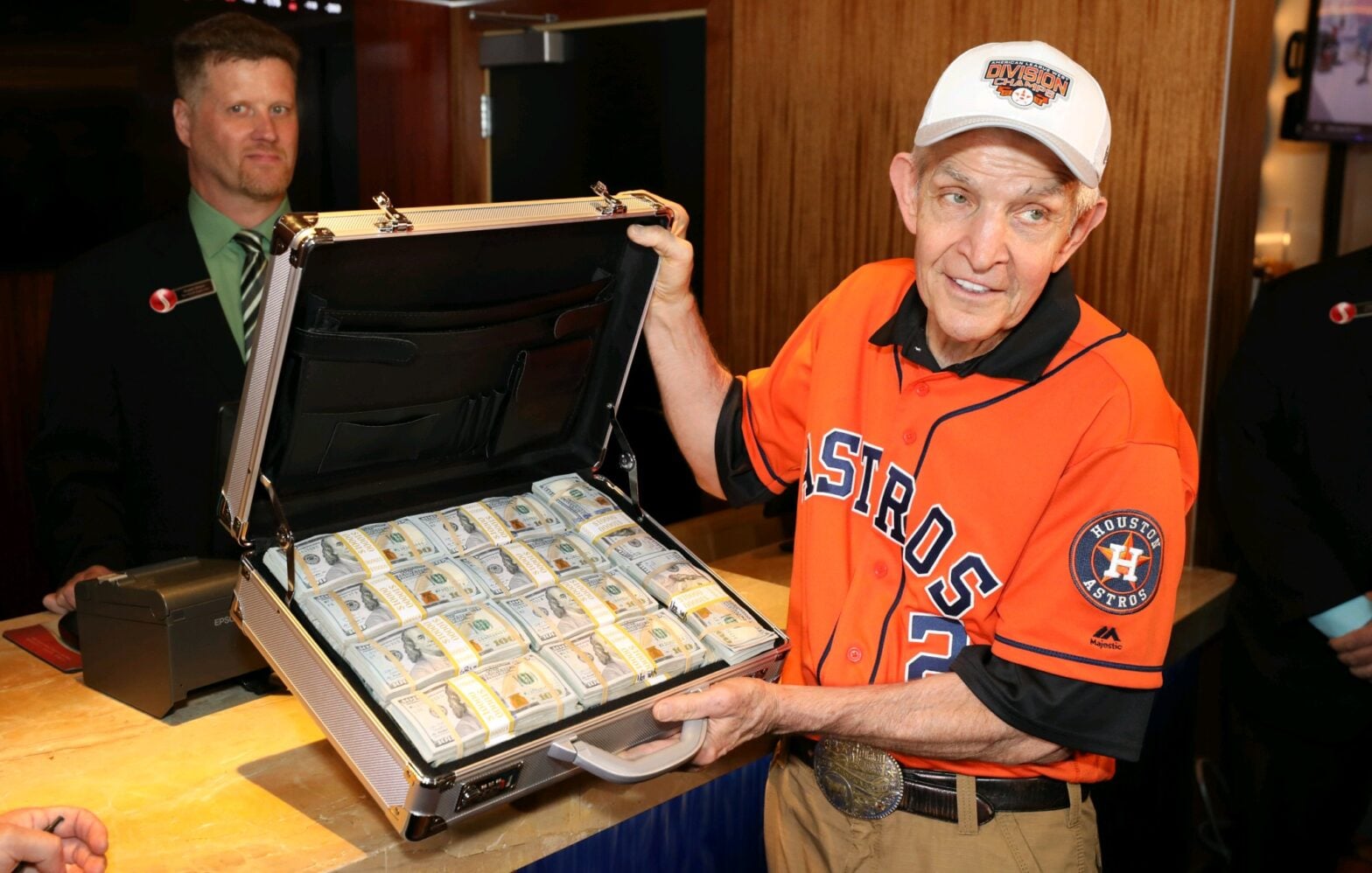
The logic of The Jeffrey and Mattress Mack is essentially the same. If the team wins, Mattress Mack has to refund customers, but the betting winnings can cover that cost; if the team loses, he loses the bet, but the furniture sales do not require refunds, and the promotion itself has already generated sales and media exposure. When the Astros won the World Series in 2022, Mattress Mack made about $75 million in payout, and this model has since become a classic case in American sports marketing.
Compared to traditional betting platforms, prediction markets also expand the ways fans participate in games.
Polymarket and Kalshi's sports markets allow fans to trade around the overflow narratives of a game, covering more entertainment-driven, fragmented topics. Of course, traditional sports betting also does not only provide betting lines for game wins or losses. For example, betting platforms like FanDuel and DraftKings roll out numerous novelty bets around the Super Bowl each year, including the duration of the national anthem and the halftime show songs as "entertainment lines." However, states have different restrictions on this type of betting, and some legal sports betting regions also prohibit such bets.
The difference with prediction markets is that they further expand this fun, entertainment-driven approach. Traditional betting platforms tend to focus on the game itself and official statistics, and even if they offer entertainment lines, they are centered on a few top events like the Super Bowl.
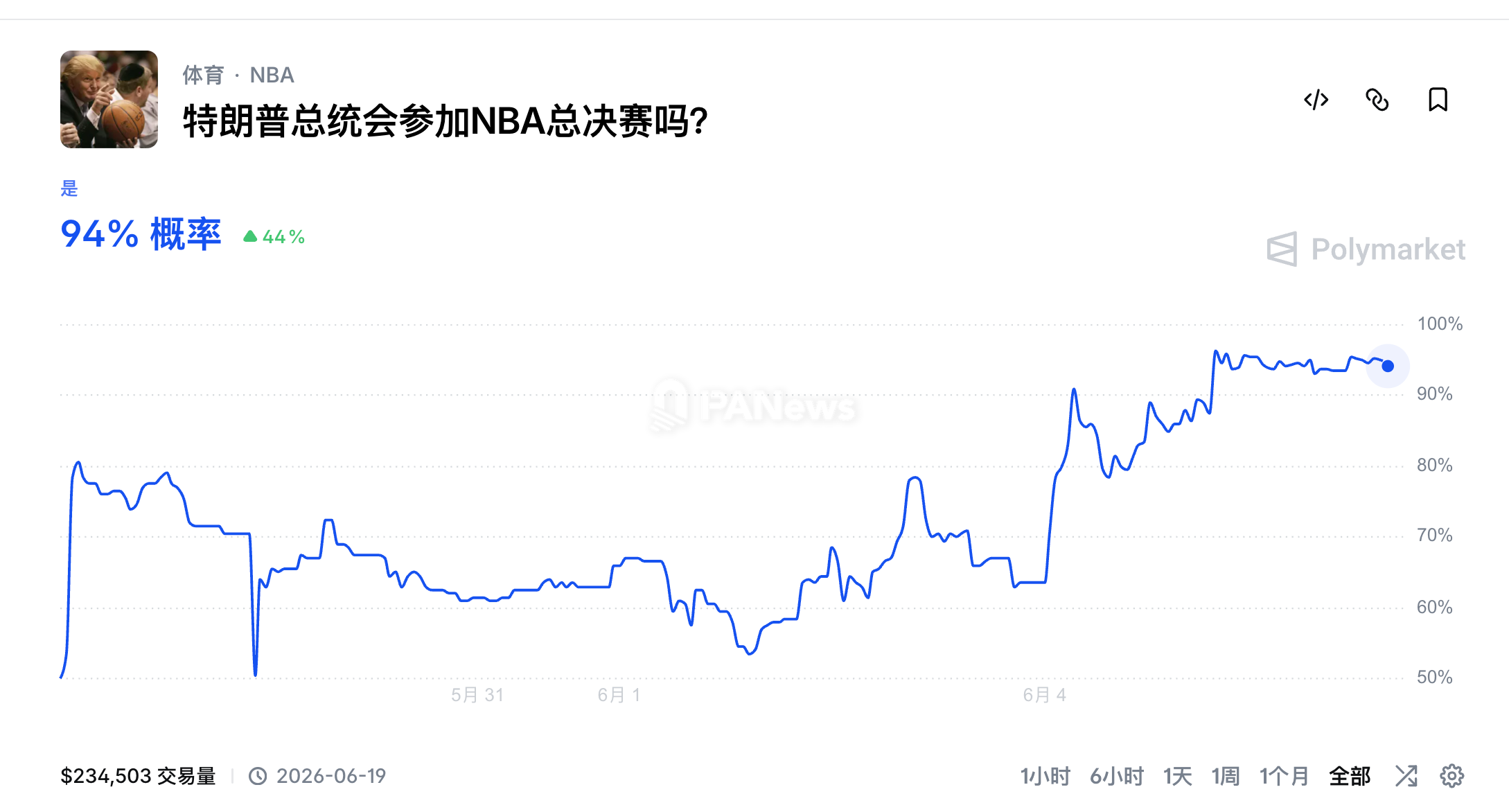
Prediction markets, on the other hand, are better at breaking down "verifiable real events" into contracts, making "any event can be priced." For example, whether Trump will attend Game 3 of the NBA Finals or whether famous actor "Timothee Chalamet" will attend all Knicks home games clearly expands the boundaries of entertainment lines.
Besides the richness of events, there are also differences in the geographical and user group coverage of the two platforms. Prediction markets can reach users aged 18 and above in the U.S., while traditional sports betting usually requires individuals to be 21 and older; at the same time, prediction markets cover all 50 states in the U.S., whereas sports betting is currently only available in 39 states. To some extent, the reason why prediction markets are expanding in sports scenarios is not only because they offer richer lines, but also because they possess coverage capabilities that traditional betting platforms lack in terms of age restrictions and geographic reach.
This is also a source of regulatory controversy. Prediction market platforms emphasize that they trade in event contracts, with users buying and selling, making it more akin to derivative trading in form. However, critics argue that when these contracts revolve around the NBA, NFL, elections, or celebrity events, they become highly similar to gambling in user experience. Especially as platforms attract young users through social media, memes, and sports marketing, the boundaries between financial trading, entertainment, and gambling become increasingly blurred.
Players are the first to enter, and the NBA is cautiously approaching
With the rise of prediction markets, the NBA has realized that these platforms are becoming a new variable beyond sports betting. Therefore, for the commercially prioritized NBA, its attitude towards prediction markets has always been ambiguous, characterized by a cautious approach.
At the player level, Giannis Antetokounmpo, who has become a shareholder in Kalshi and will participate in the platform's marketing and offline activities, is the most representative case. This has also sparked public controversy. Fans are worried that when an NBA superstar becomes a shareholder in a prediction market, and the platform can open markets around player trades, team performance, and game outcomes, even if the player cannot participate in NBA-related trading, the boundaries of interest are continuously pushed closer.
Related reading: "After a $23.3 million bet on his stay or departure, why did NBA star Giannis attract widespread anger by investing in Kalshi?"
On the official NBA level, it has already engaged in in-depth discussions with the CFTC regarding the integrity framework of prediction markets and emphasized in its documents to the CFTC that sports event contracts require comprehensive regulation to protect the integrity of the games and public trust. The NBA also advocates that athletes, referees, and league and team personnel should be prohibited from trading contracts involving games and events of the league, and platforms should provide the identities of specific traders to the league during suspicious transaction investigations, using official league data for settlement.
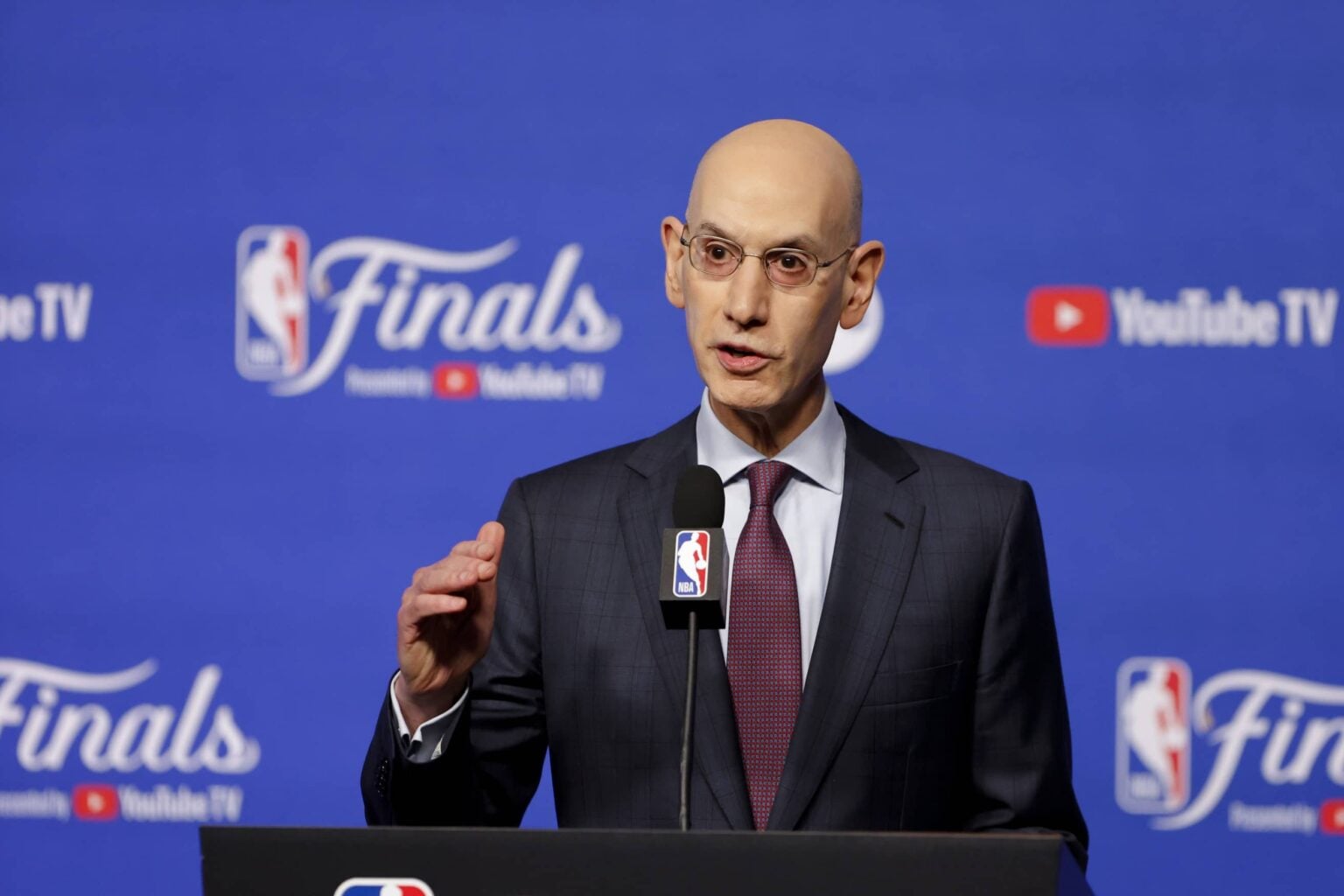
NBA Commissioner Adam Silver's public statements also reflect this attitude. He mentioned during All-Star Weekend regarding Giannis's investment in Kalshi that the league is viewing prediction markets similarly to sports betting companies. He pointed out that according to the labor agreement, players can make small investments in sports betting companies, and the league applies this rule to prediction markets. Silver further stated that Giannis's investment in Kalshi is less than 1% and does not violate relevant rules, but he also acknowledged that prediction markets are developing rapidly, and their ultimate form may depend on the courts and Congress.
However, among the fan community, the NBA's increasingly close actions with prediction markets have sparked strong opposition. In the Reddit r/nba section, many posts discussing potential insider trading risks with Kalshi, Polymarket, and the NBA have sparked extensive discussion and criticism.
Many fans believe that if player investment or endorsement of prediction markets becomes normalized, future games may become "untrustworthy" due to insider trading and conflicts of interest. Many users have also expressed concerns about the league's commercialization, young users' obsession, and game integrity. Additionally, comments on news about Giannis often mock him for possibly participating in betting on prediction markets.
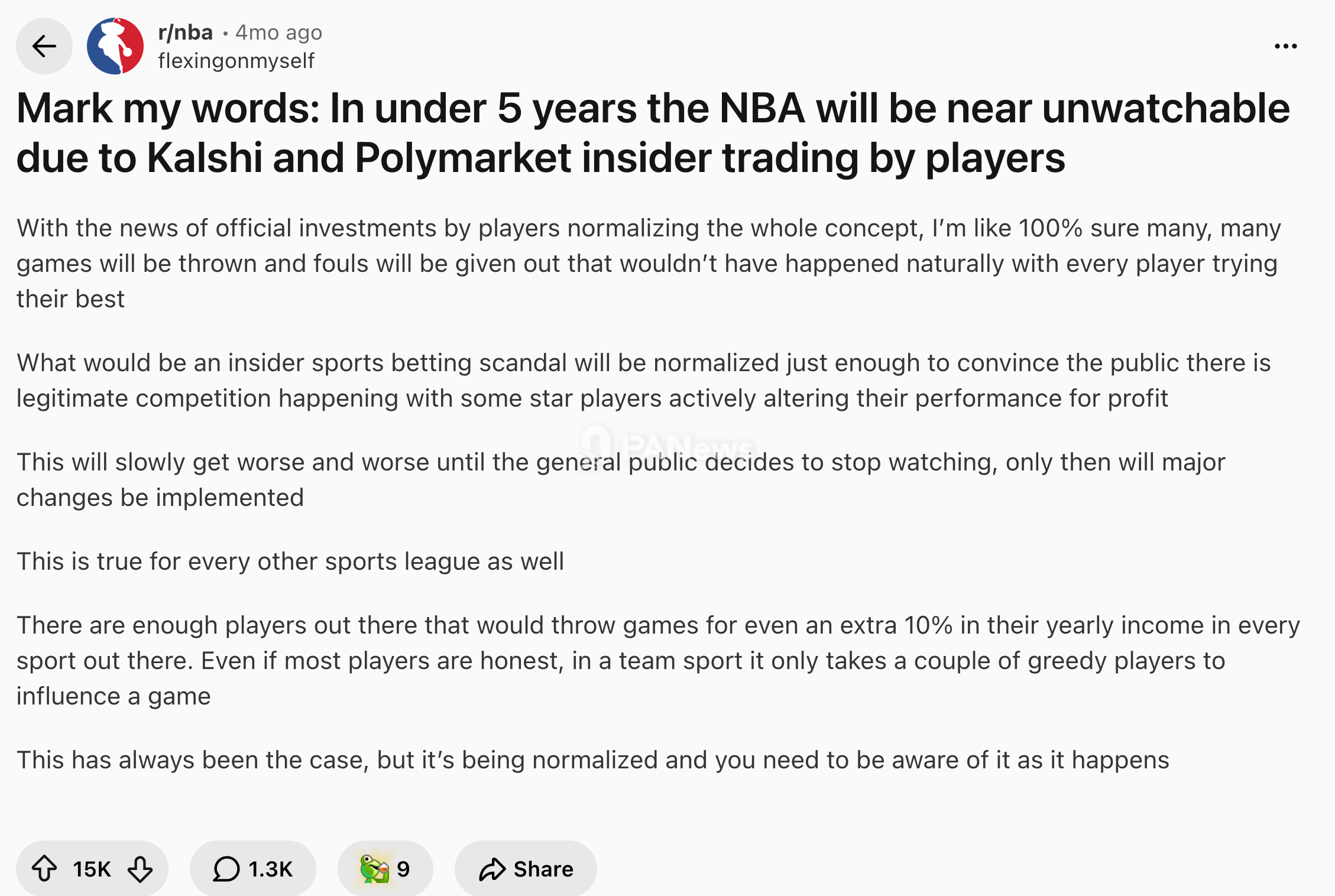
These discussions on Reddit do not represent all NBA fans, but they do reflect a very real sentiment. Many fans are not just averse to "betting," but are concerned that the NBA's official involvement with betting companies and prediction markets may increasingly influence games and players through more lines and trading contracts.
This concern is not without context. Recently, former U.S. Congressman George Santos was investigated for suspected questionable trading on Kalshi regarding whether he would attend the State of the Union address. Although this is not a sports case, it reveals the most sensitive risks of prediction markets. That is to say, when the outcome of events can be influenced by a few insiders, market trading is no longer just "predicting"; it could also become an incentive for behavior itself.
And the NBA Finals are becoming a pressure test for prediction markets to enter mainstream sports. For both the platforms and the NBA, this is a new commercial entry as well as a new test of trust.
免责声明:本文章仅代表作者个人观点,不代表本平台的立场和观点。本文章仅供信息分享,不构成对任何人的任何投资建议。用户与作者之间的任何争议,与本平台无关。如网页中刊载的文章或图片涉及侵权,请提供相关的权利证明和身份证明发送邮件到support@aicoin.com,本平台相关工作人员将会进行核查。


