
In the narrative of decentralized finance (DeFi), DAOs (Decentralized Autonomous Organizations) are hailed as the ultimate form of "on-chain democracy." However, a recently orchestrated governance attack on Bonk DAO has starkly shattered this utopian vision against the icy reality—tokens worth 20 million dollars were legally transferred under the guise of "voting," and this kind of "compliant pillaging" is becoming a new threat in the DeFi space.
A "Legal Robbery": How Were Governance Vulnerabilities Manipulated?
Unlike traditional hacking involving contract vulnerabilities, the essence of a governance attack lies in "exploiting the legitimacy of the mechanism."
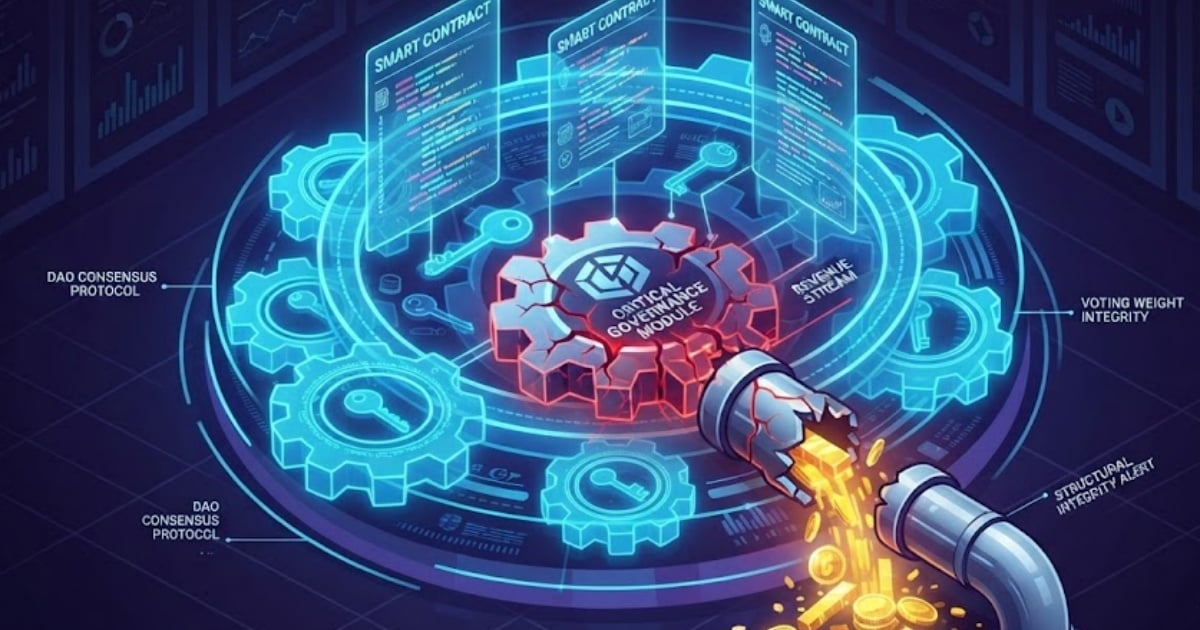
In the Bonk DAO incident, the attacker somehow controlled the core voting rights of the DAO. In the context of blockchain, this is akin to holding over 50% of the voting rights in a company, thereby being able to pass any proposal. Thus, the treasury fund originally meant to support ecological development and community incentives was quickly drained under the pretext of "governance proposals" after being clicked "confirm" repeatedly.
This is a typical collapse of governance logic: when the threshold (or acquisition cost) for voting rights is lower than the attack benefits, governance democracy devolves into tyranny.
Why Did DAOs Become "ATMs" for Hackers?
As the scale of crypto assets increases, treasury funds of DAOs have become the preferred target for "whales" and even professional hackers. This incident exposed two fatal "security blind spots" in DAO governance structures:
- Concentration of Power: Even within so-called "decentralized" organizations, if there is a lack of decentralized mechanisms or special restrictions on large-hold voting (such as quadratic voting or time locks), a very small number of wallet addresses can decide the fate of the treasury.
- Lag in Security Protections: Many project teams, in pursuit of "deployment speed" and "community governance," overlook the rigorous auditing of governance contracts. Defensive measures such as Timelock and Multi-sig review remain absent or marginalized in many DAOs.
The "Trust Crisis" in the Solana Ecosystem
For the Solana ecosystem, which is in the midst of a brand overhaul, BONK, as its core meme coin and a symbol of ecological prosperity, this incident is not just about economic loss.
- Chain Reaction of Confidence: The deficit in the DAO treasury means that rewards for ecological developers and liquidity incentives could face "standstill."
- Establishment of Security Benchmarks: When well-funded projects are exposed on the governance front, the entire industry's security standards are bound to be questioned. This warns all project teams: Governance is the brain of DAO, but security is the immune system of its body.
Survival Suggestions for BONK Holders
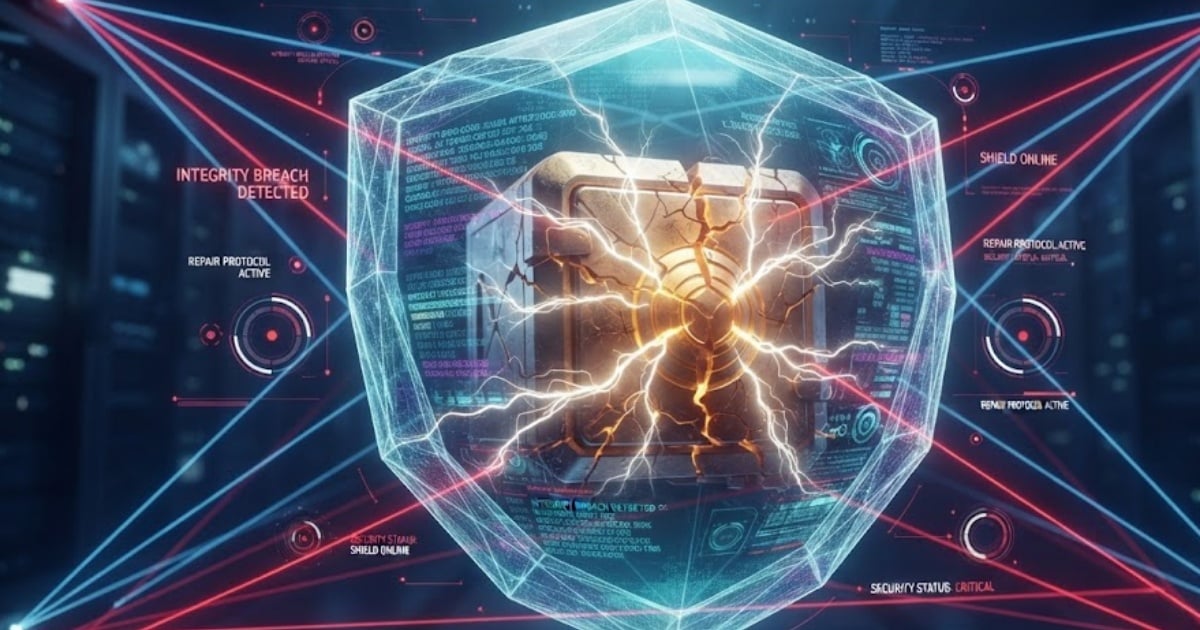
Facing stolen funds that are about to be liquidated on exchanges, the secondary market is destined to face selling pressure. For the community, the current action plan should focus on:
- Pay Attention to Official Decisions: Closely monitor whether the DAO will trigger emergency protocols or whether it will seek to recover assets through compensation plans or legal means.
- Prevent Derivative Scams: After an attack, it is often a peak period for phishing scams. Any link claiming to "help you recover lost tokens" or "compensate airdrops" is almost certainly bait for a second attack.
- Return to Value Mindset: As holders of meme coins, governance attacks might just be part of the volatility, but for the long-term governance capacity of the entire ecosystem, this is undoubtedly a bitter pill that must be revisited.
DAO's "Rite of Passage"
The painful lessons of Bonk DAO are an inevitable pain point in the development of decentralized governance. Governance attacks do not mean the failure of the DAO model, but rather indicate our urgent need to put "cryptographic armor" on "democracy."
In the future, we may see more mandatory multi-signature audits, reputation-based time-limited voting mechanisms, and more robust risk circuit breaker systems. After all, in the world of smart contracts, "code is law," but "governance loopholes" should never become a "legal robbery."
免责声明:本文章仅代表作者个人观点,不代表本平台的立场和观点。本文章仅供信息分享,不构成对任何人的任何投资建议。用户与作者之间的任何争议,与本平台无关。如网页中刊载的文章或图片涉及侵权,请提供相关的权利证明和身份证明发送邮件到support@aicoin.com,本平台相关工作人员将会进行核查。


