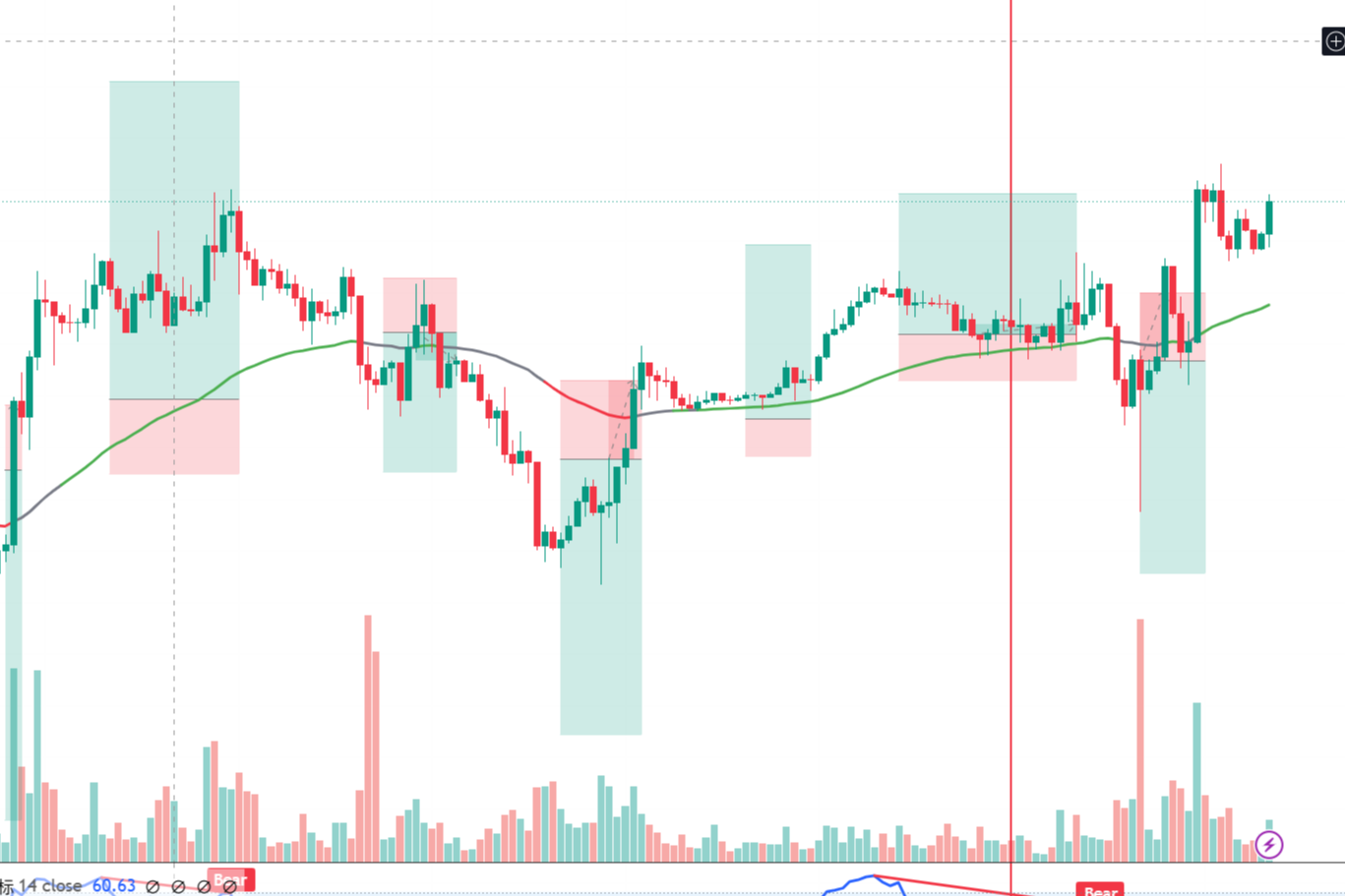
Starting from November 26, 2024, an early Bitcoin OG who has held their coins for about 12 years began to sell off in batches on-chain, ultimately offloading approximately 5,000 BTC, with the last 1,000 coins sold within about 2 hours. According to multiple media outlets citing Lookonchain statistics, this round of nominal profit is about $434 million, although there is disagreement on the true cost basis; coinciding with this long-term holder’s exit, the balance of Bitcoin miner-associated OTC addresses has continuously declined from about 500,000 coins since November 2021 to approximately 139,700 coins, representing a cumulative drop of nearly 72% over four years. Under the framework of CryptoQuant analyst Axel Adler Jr., this is viewed as a long-term consumption of miner inventory, progressively transitioning into the over-the-counter market, indicating that the "loosening" on the supply side is not an isolated event. On the demand side, the net flow of stablecoins into exchanges has been negative for 35 consecutive days, recently dropping below approximately -$100 million in a single day, while the 30-day net flow of Bitcoin remains in a neutral slightly positive range, and signals similar to those from the bottom accumulation phases of 2023 and 2024 have not yet emerged. The market generally interprets this as new on-chain buying strength being weak, but existing funds have not collectively withdrawn; at the intersection of the OG liquidation, declining miner inventory, and ongoing net outflows of stablecoins, this article will analyze these three types of on-chain signals to dissect the actual balance between bulls and bears and the potentially underestimated downside risks.
12-year OG liquidates 5,000 coins: Long-term chips loosened
Specifically, this early holder's corresponding address has been active on-chain for about 12 years and has been classified by multiple analytical institutions as a typical early Bitcoin holder. Starting from November 26, 2024, this address began to sell Bitcoin in batches, subsequently executing multiple transactions, ultimately selling approximately 5,000 BTC. In the final round of operation, the address sold the last 1,000 BTC in about 2 hours, bringing the address balance to zero and completing a thorough liquidation of long-held positions. According to statistics cited by multiple media outlets from Lookonchain, this operation accumulated a profit of approximately $434 million. Although conflicting data make it difficult to determine the specific cost basis, the locked-in revenue at the level of hundreds of millions of dollars itself constitutes a clear on-chain profit-taking sample.
Old addresses that have remained dormant for years are commonly regarded on-chain as "diamond hands," believed to represent the most resilient long-term chips and high confidence in the long-term logic of the asset. When such addresses choose to exit en masse and realize substantial profits, the emotional weight of the signal often far outweighs the scale of simple sell-offs: on one hand, it may be interpreted as a loosening of long-term chips or even "faith reduction," weakening the market's reliance on the narrative that "strong hands never sell"; on the other hand, against a backdrop where miner inventory has been consistently declining on the supply side, the addition of such a symbolic early chip liquidation event can easily strengthen the market's sensitivity to medium- to long-term selling pressure. In the current delicate balance of supply and demand, the collective realization of chips that have remained inactive for years itself constitutes a significant warning of downside risk.
Miner OTC balance cut in half over four years: Selling pressure turns into cash flow
According to statistics from CryptoQuant analyst Axel Adler Jr., since November 2021, the Bitcoin balance of addresses marked as miner-associated OTC has fallen from approximately 500,000 coins to about 139,700 coins, representing a cumulative decline of nearly 72% over four years. Such addresses are typically seen as transit or inventory pools for miners conducting off-exchange transactions with institutions and large holders; the ongoing "de-stocking" is manifested on-chain as a systematic decline in chips available for miners to utilize, rather than sporadic large sell-off events.
Pathwise, selling coins through OTC channels fundamentally differs from putting chips on the order book directly: the former often involves off-chain matchmaking, and the transactions do not directly reflect on the exchange's order book. Even if one party eventually transfers chips to the exchange, it rarely generates a visible shock of "instant large orders crashing" the market; the latter would directly pressure the buy-side and can easily amplify price volatility in a short period. The significant decline in current miner OTC balances indicates that miners' marginal selling pressure is more likely appearing in the form of ongoing realized cash flows rather than accumulating into a large inventory to be centralized on exchanges. However, the specific motivations behind this structural change—whether related to operational costs, cyclical judgments, or other financial arrangements—have not been confirmed in publicly available materials and can only be considered unverified hypotheses.
USD chip withdrawal from exchanges: Buying strength runs dry
Apart from the selling pressure on the supply side, the condition of chips on the demand side is equally unpromising. According to external information from CryptoQuant analyst Axel Adler Jr., the net flow of USD-pegged assets intended for on-exchange buy orders has been negative for 35 consecutive days, with the recent single-day net flow dropping below approximately -$100 million. This means that USD-denominated "dry powder" centered on exchanges is continuously flowing out rather than accumulating. The market typically views these USD chips as potential buying ammunition, and a prolonged negative value often points to weak willingness of new funds to enter the market. However, existing public materials have not clarified the specific destinations of these outflowing funds; whether they enter other on-chain scenarios, custodial institutions, or off-chain systems remains assumptions that are yet to be confirmed.
In contrast to the continued withdrawal of USD chips, the 30-day net flow of Bitcoin itself remains in a neutral slightly positive range on exchanges. Axel Adler Jr. points out that there has been no emergence of structural migration characterized by deep outflows like those seen during the bottom accumulation phases of 2023 and 2024: long-term chips have not vacated exchanges in large numbers, and significant, concentrated inflows for replenishment are not apparent on-chain. In this combination, one side faces 35 consecutive days of net outflow for USD-pegged funds, while the other side sees Bitcoin net flows lacking typical "bottom-fishing" deep outflows, failing to provide sufficient proactive buy signals; the market seems to be in a passive pressured state, lacking substantial buying ammunition for support.
Supply increase with cooling demand: Bulls under pressure
When looking at these three key on-chain signals together: first, the early holder OG, who has held for about 12 years, has collectively sold approximately 5,000 BTC in this round, completing a complete exit of long-term chips; second, since November 2021, the balance of miner-associated OTC addresses has fallen from about 500,000 to about 139,700 coins, showing a nearly 72% cumulative decline over four years, indicating that the process of "inventory turning into cash" has been ongoing for years; and third, the USD-pegged assets on exchanges have seen a net outflow for 35 consecutive days, with the single-day value even dropping to around -$100 million. The first two signals indicate that potential sellable chips have continuously been converted into realized selling pressure over the past few years, while the latter is generally seen as a reflection of tightening new buying ammunition at this stage, naturally putting the bulls in a more passive position during the price battle.
Additionally, CryptoQuant's analysis indicates that the 30-day net flow of Bitcoin remains in a neutral slightly positive range without the emergence of the characteristic chip migration model with deep outflows seen during some bottom phases of 2023 and 2024, which means that no typical signals of "panic selling - strong hands absorbing" redistribution have been observed. Considering that the public data has yet to cover price changes and on-chain developments following this round of pressure, the current situation resembles a waiting period interwoven with OG profit-taking, miner sell-offs, and withdrawals of USD-pegged funds: the supply side continues to rise while demand sentiment cools, and the market enters a tug-of-war period without a clear bottom structure rather than a distinct reversal point indicating a completed redistribution of deep chips.
What to watch next: Will reductions become the norm or a one-off shock?
The most critical variable on-chain moving forward is whether this type of early OG is merely an isolated case or could trigger more long-dormant addresses to start selling, and whether long-term holders will continue to reduce their positions or, following adjustments, reaccumulate. On the miner side, it is vital to monitor inventory and associated OTC address balances: previous balances have decreased from about 500,000 to about 139,700 coins over the past four years, but current public materials have not provided valid reasons for the selling. Whether these balances continue to decline or stabilize will directly affect the market's pricing on whether "structural selling pressure has become normalized." On the capital side, the sustained net outflow of USD-pegged stablecoins over 35 days will be an important clue in observing the willingness of potential buyers to re-enter. Whether it can reverse to a net inflow and whether exchange stablecoin balances show a turning point remain unconfirmed by existing information. It is important to emphasize that the approximately 5,000 BTC sale by this early OG has already been completed, and the reasons behind the declining miner OTC balances and stablecoin outflows have not been publicly explained; the actions of a single group on-chain are hard to categorize as a "top" or "bottom" without understanding their motivations. A more prudent approach involves conducting scenario analysis by correlating the behaviors of long-term holders, miner inventory, OTC balances, stablecoin net flows, with concurrent price performance, macro conditions, and other supply-demand-related on-chain data to generate probabilistic judgments rather than treating any one on-chain curve as an ultimate signal that provides directional answers.
Join our community to discuss and grow stronger together!
Exclusive Hyperliquid benefits for AiCoin: https://app.hyperliquid.xyz/join/AICOIN88
Exclusive Aster benefits for AiCoin: https://www.asterdex.com/en-US/referral/9C50e2
On-chain Telegram community: https://t.me/AiCoinWhaleData
On-chain community: https://www.aicoin.com/link/chat?cid=N6OVMor5g
AiCoin on-chain Twitter: https://x.com/aicoinwhaledata
免责声明:本文章仅代表作者个人观点,不代表本平台的立场和观点。本文章仅供信息分享,不构成对任何人的任何投资建议。用户与作者之间的任何争议,与本平台无关。如网页中刊载的文章或图片涉及侵权,请提供相关的权利证明和身份证明发送邮件到support@aicoin.com,本平台相关工作人员将会进行核查。