MoneyLion veteran starts another business, this time to create on-chain infrastructure.
Written by: angelilu, Foresight News
Securing $25 million in seed funding led by a16z crypto, along with preliminary conditional approval for a national bank charter from the Office of the Comptroller of the Currency (OCC), is a high starting point for a company that has been established for only one year, OpenReserve .
Building a Bank That Never Closes
OpenReserve Bank, N.A. aims to embed blockchain settlements into a complete bank charter: accepting deposits, issuing loans, tokenizing deposits, providing digital asset custody through subsidiaries, and facilitating cross-border remittances with stablecoins.
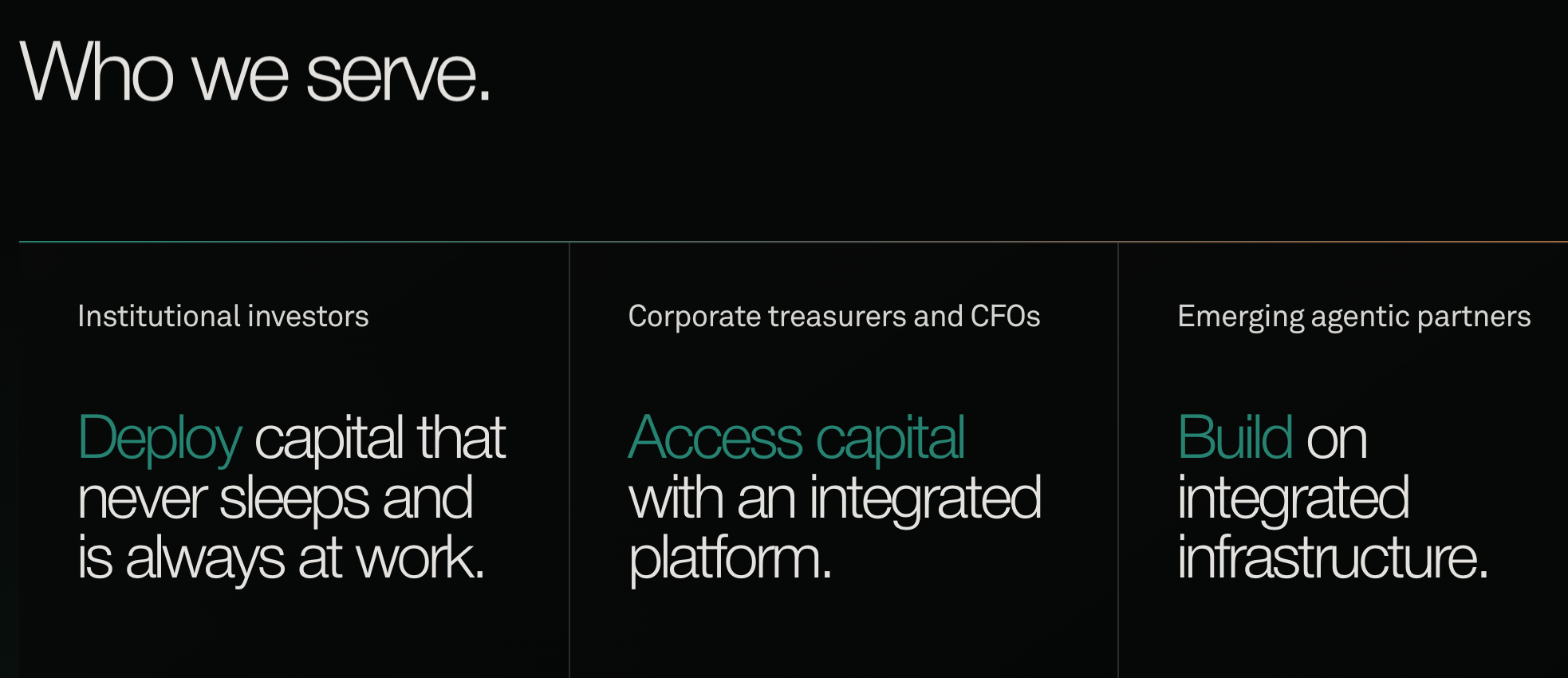
The customers are institutions and businesses. The list of services outlined in the OCC's approval—inclusive of treasury management, payment settlements, cross-border correspondent banking, banking as a service (BaaS) platform, and digital asset custody—targets companies, with the website phrasing it as "connecting institutions with payment channels." The target market is the accounts currently held by digital asset companies, stablecoin issuers, and trading firms scattered across several state banks, trust companies, and offshore institutions.
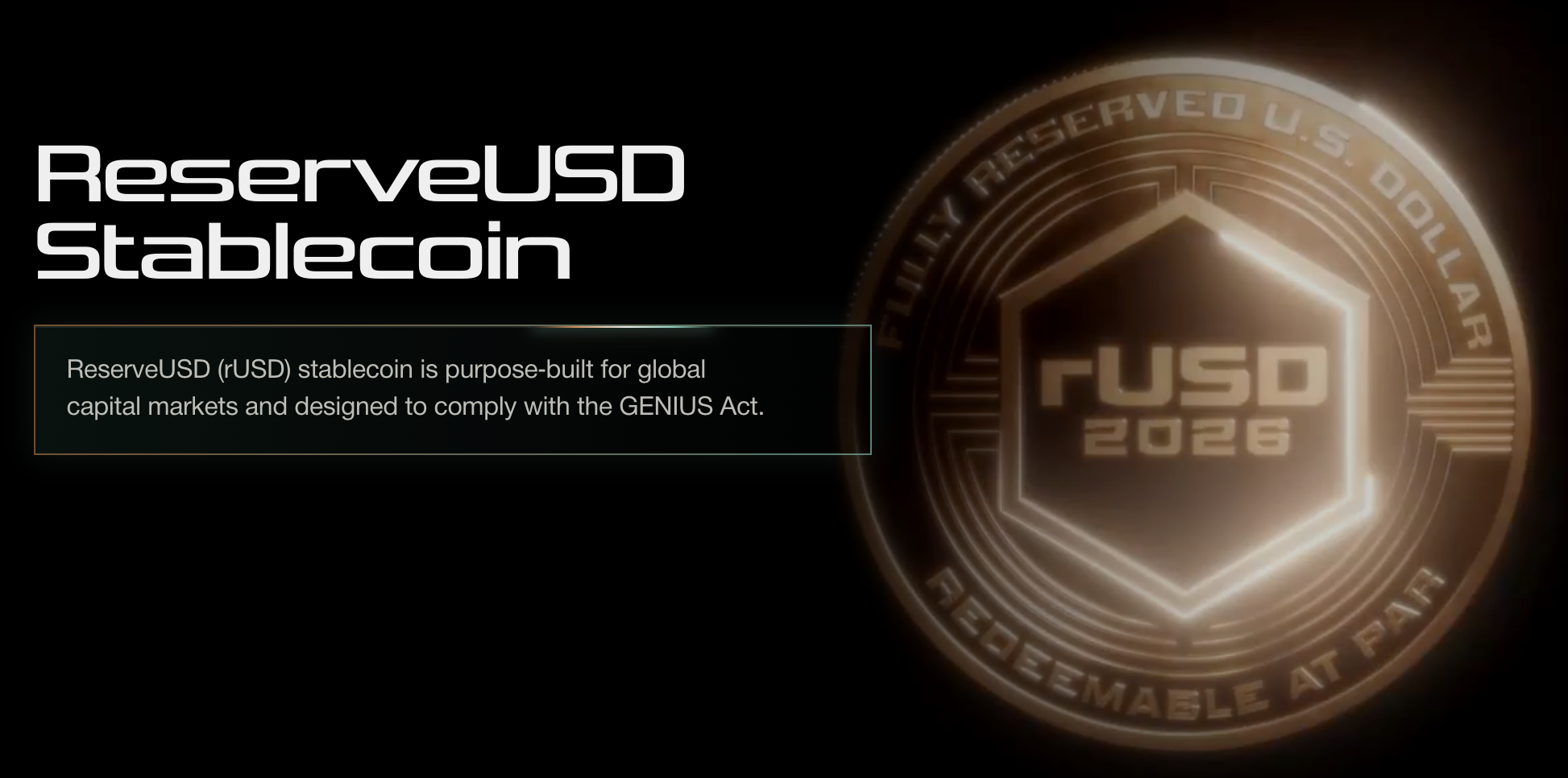
Of particular interest in the product line is rUSD (ReserveUSD)—a compliant stablecoin planned to be issued by the subsidiary ReserveUSD, LLC. The underlying technology is the proprietary Open Core platform, and the API examples provided on the website indicate a transaction settlement time of 950 milliseconds, complete with ledger hash verification.
Team Background
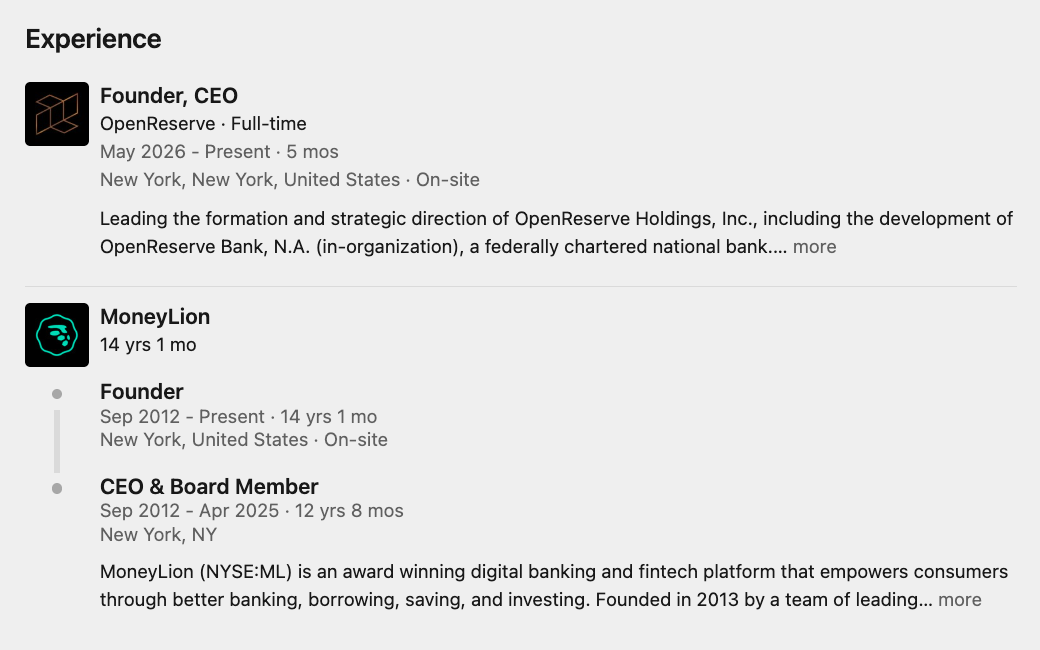
The founder and CEO of OpenReserve is Dee Choubey (Diwakar Choubey). He founded the consumer finance technology company MoneyLion in 2013, which went public through a SPAC in 2021 and was acquired by cybersecurity company Gen Digital for $82 per share, approximately $1 billion in cash, on April 17, 2025, at the time having 18 million users.
Dee Choubey candidly mentioned in the announcement why he is starting a second venture, stating, "We spent twelve years integrating banking and payment services onto infrastructure that didn't belong to us, creating MoneyLion. We faced various difficulties and deeply understand the challenges innovators face, ultimately realizing that you cannot fix banking from the top down. Infrastructure itself is the product, and that infrastructure must connect America's instant payment channels with a compliant blockchain ecosystem."
Another co-founder of OpenReserve, Richard Correia, is the former president and CFO of MoneyLion and will serve as president and COO at OpenReserve— the two are original partners from MoneyLion.
The four other organizers and directors listed in the OCC filing are John Chrystal, David Schwed, Jame Sloan, and Soumya Basu. David Schwed serves as CTO, with a security background from BNY Mellon and Robinhood; Jame Sloan is the Chief Risk Officer, having previously worked at the OCC for 21 years.
Regarding financing, the company completed a $25 million seed round, led by a16z crypto, with participation from Jump Capital, Coinbase Ventures, Wintermute Ventures, Acrew Capital, Clocktower, Quona, AAF Management, and Zero Knowledge Ventures. The SEC Reg D filing indicates that over $24 million has been received. a16z partner Guy Wuollet stated, "We need a bank that is always online, always open, always available. A bank that never closes."
Obtaining a Charter in Just 5 Months
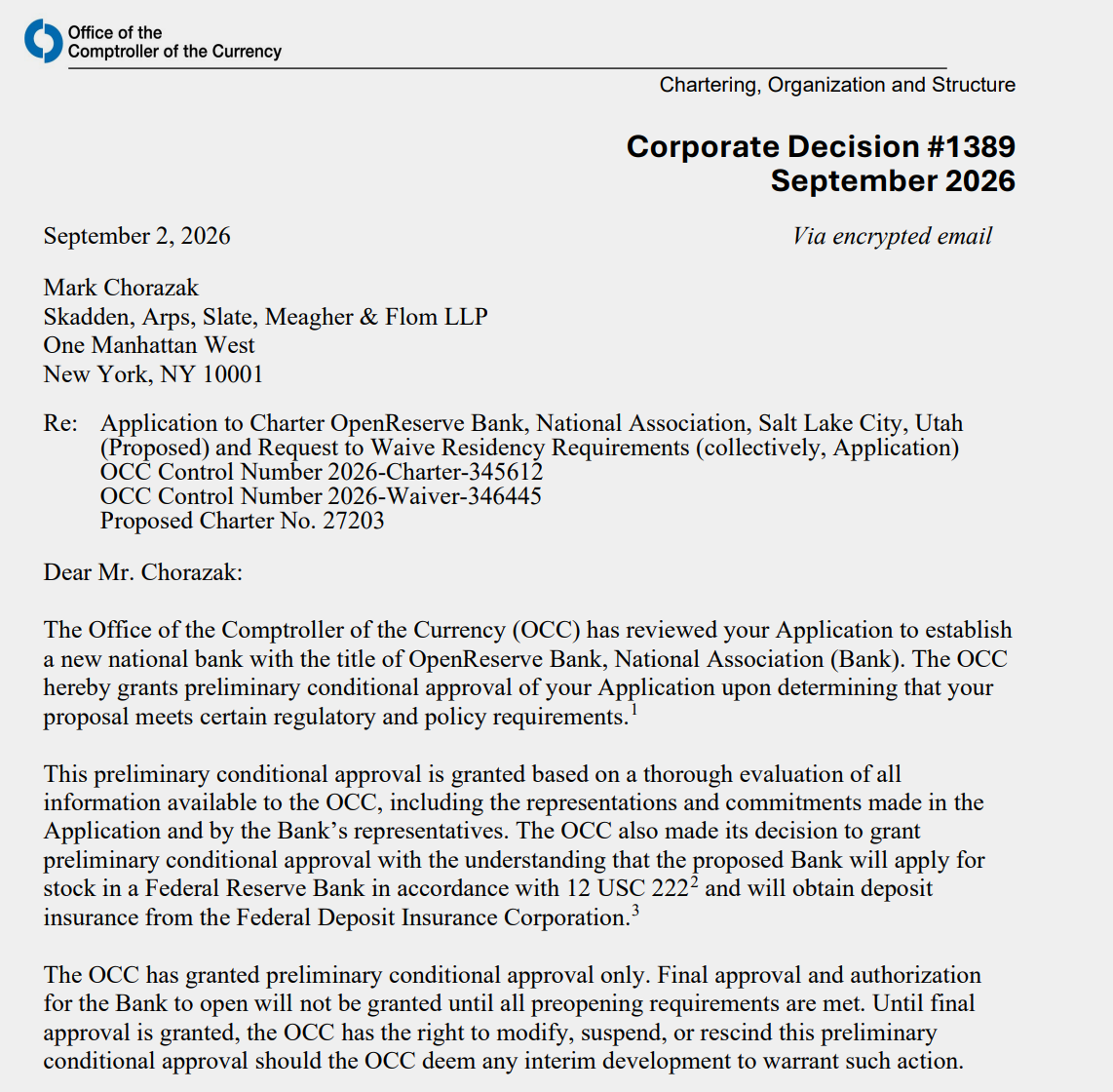
OpenReserve submitted its application on April 13 and received approval on September 2, taking 4 months and 20 days in total. Previously, the approval for establishing a new full-service national bank often took a long time. In comparison, blockchain lender Figure submitted its application for a full-service national bank in 2020 but withdrew it in 2023 following litigation and regulatory review, unable to secure a charter.
An important background is the change in application windows. Jonathan Gould became the Comptroller of the Currency on July 15, 2025, reopening the approval for new banks that had been stagnant for years. In October of the same year, his first preliminary conditional approval for a new bank was granted to Erebor, with consumer credit platform Upstart receiving conditional approval on July 23 of this year, and both British fintech company Revolut and OpenReserve receiving approval on September 3. Since 2025, the OCC has received approximately 40 new bank applications, 21 of which have been approved.
The other reason is that there are standards to follow. The GENIUS Act limits stablecoin issuance to regulated entities, meaning the OCC no longer has to evaluate these applications on a case-by-case basis. Those submitting materials are also not novices: OpenReserve's Chief Risk Officer just left the OCC after 21 years there.
The $210 Million Threshold
The original approval document issued by the OCC on September 2 includes Corporate Decision #1389, which attaches a strict timeline.
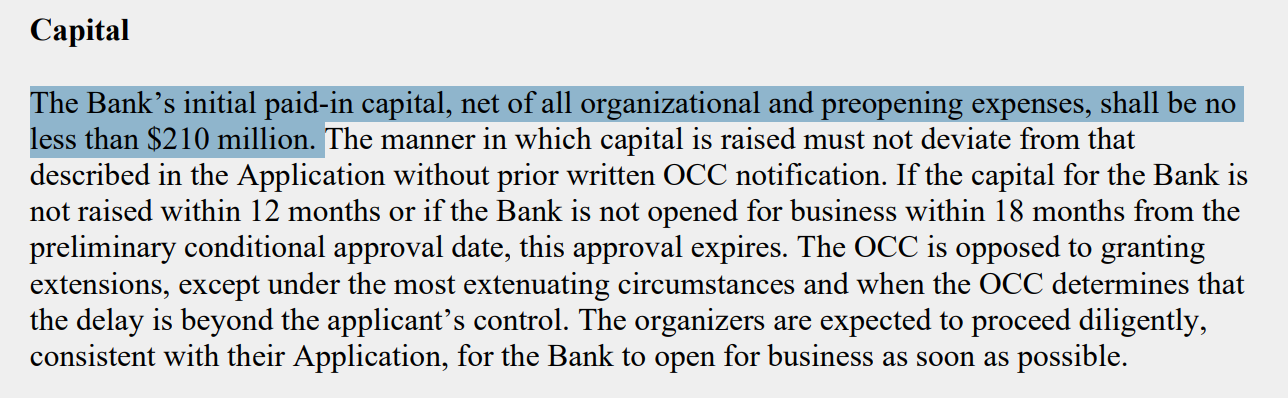
Funding is the first hurdle: after deducting startup and pre-opening expenses, the paid-in capital must not be less than $210 million, to be in place within 12 months; operations must be completed within 18 months, and failure to meet the deadline will result in automatic expiration of the approval. In the first three years, the leverage ratio must not be lower than 12%—this stipulation is not specific to OpenReserve, as Erebor received the same conditions, which are standard terms for this round of new bank approvals.
Personnel and operations are also under scrutiny. Executives and directors, including the anti-money laundering officer, chief compliance officer, and chief information security officer, must receive prior approval from the OCC; if there are significant deviations in the business plan, written consent must be obtained 60 days in advance. The approval also explicitly requires compliance with the GENIUS Act—while the wholly-owned subsidiary responsible for issuing rUSD has yet to submit its application. Additionally, two independent requirements remain: FDIC deposit insurance and shares in the Federal Reserve Bank.
For reference, there’s Erebor. It received conditional approval on October 15, 2025, and officially opened on February 9, 2026, with a paid-in capital of $635 million at opening—taking less than four months from approval to gathering the funds to open. Its shareholder list includes Palmer Luckey himself and co-founders of PayPal and Palantir, Peter Thiel.
OpenReserve currently has $25 million on hand, falling short of the threshold by $185 million, with the deadline set for September 2027.
免责声明:本文章仅代表作者个人观点,不代表本平台的立场和观点。本文章仅供信息分享,不构成对任何人的任何投资建议。用户与作者之间的任何争议,与本平台无关。如网页中刊载的文章或图片涉及侵权,请提供相关的权利证明和身份证明发送邮件到support@aicoin.com,本平台相关工作人员将会进行核查。


