Author: The New York Times
Translation: Jiahua, ChainCatcher
Dario Amodei is one of the most steadfast advocates for AI safety in the industry. He believes that this technology could help humanity tackle diseases, accelerate scientific progress, but it could also lead to disaster if it goes out of control.
This belief influenced his choices early on. While working at OpenAI, he attempted to integrate his safety philosophy into AI development and had disagreements with colleagues about ethical oversight and the GPT project. After leaving OpenAI, he co-founded Anthropic with his sister and other colleagues.
Supporters see Dario as someone trying to develop AI responsibly; critics see his emphasis on safety raising another question: Who has the right to decide how AI should develop, and who defines its boundaries?
The New York Times interviewed Dario's classmates, friends, teachers, and former colleagues to trace his upbringing and philosophical influences. Dario himself declined to be interviewed for this piece. Below is the main text.
One evening in 2007, while pursuing a PhD at Princeton University, Dario Amodei hosted a visiting friend. He had just finished reading "The Singularity Is Near," published in 2005 by computer scientist Ray Kurzweil, and was eager to share the book’s ideas with his friend.
In the book, Kurzweil predicts that artificial intelligence will ultimately surpass human intelligence, ushering in a moment known as the "singularity." Dario, twirling his hair with his fingers, told his friend Colin Heckman that this moment might come within their lifetime.
“He was intrigued,” said Heckman, who attended the same high school as Dario in San Francisco. “He said AI had to be created correctly, or we would be done for.”
At the time, 24-year-old Dario was a physics PhD student, in a phase of absorbing a lot of information. He was engrossed in reading relatively niche blogs like "Accelerating Future" and "Overcoming Bias," where bloggers discussed the possibility of AI destroying humanity.
He also delved into the online forum of GiveWell. GiveWell is an organization committed to maximizing the impact of charitable donations, where intellectuals discuss how to earn the most money for charity.
We interviewed over twenty of Dario's classmates, friends, teachers, and colleagues. Their accounts indicate that these books, blogs, and online communities continue to influence him and provide clues for understanding how the 43-year-old CEO of Anthropic views AI. Anthropic is expected to go public this month, potentially becoming one of the largest IPOs globally.
His friends and colleagues say that at the core of Dario's worldview is a blend of two interwoven ideas. Both firmly believe that mathematical reasoning can change the future of humanity.
One is "rationalism," emphasizing a calm and rational perspective towards the world. Self-taught AI researcher Eliezer Yudkowsky and others subscribe to this philosophy, believing AI will become powerful enough to ultimately destroy society.
The other is "effective altruism," which has developed alongside rationalism, seeking to maximize social welfare through precise mathematical calculations.
His friends and colleagues say that for Dario, these two currents merge into a firm belief: AI could be extremely dangerous, and only he and like-minded technical experts are worthy of being entrusted with its development. This drives him to strive to create AI before those who do not care about human safety and inspires his desire to control the technology.
Dario wrote in a September article calling for a slowdown in AI development: “We can only reap the benefits if this technology is built correctly. As long as we can make good use of the time we gain, it’s worth taking an especially cautious approach to do things right.”
These ideas became the foundation of Anthropic. In 2021, Dario co-founded the company with his sister Daniela Amodei and five others. They all had contact with the rationalism and effective altruism communities. As the company grew, their perspectives increasingly gained attention, while Dario continuously advocated for these views openly and tirelessly.
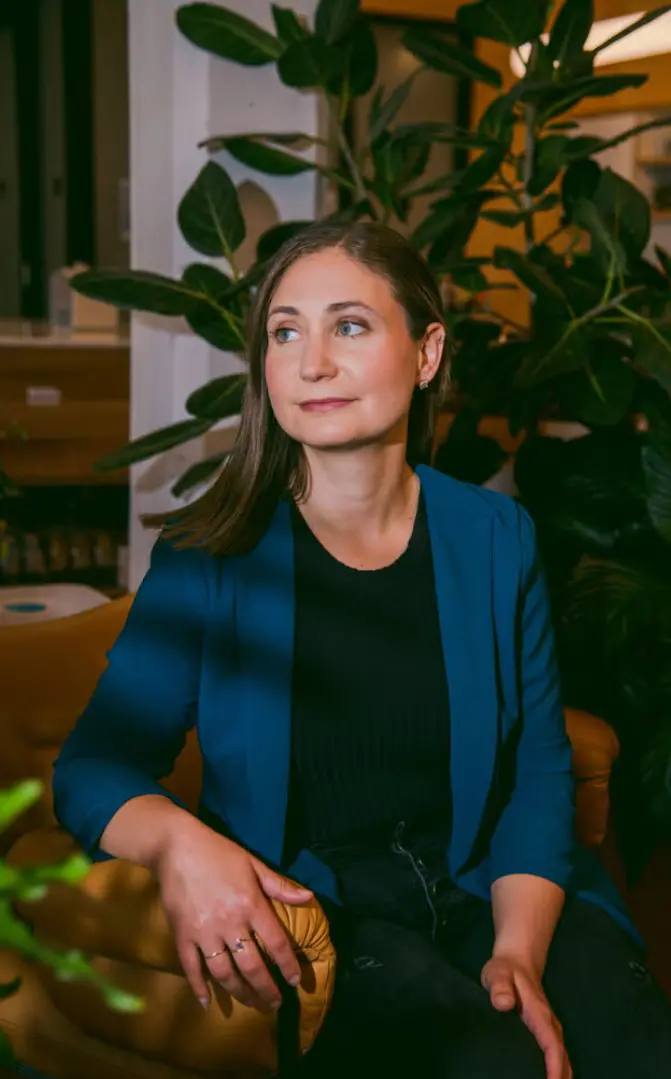
Caption: Anthropic co-founder Daniela Amodei, photographed in the San Francisco office in 2023. She has a close relationship with her brother Dario.
Dario has also engaged in discussions on geopolitical issues. He stated that the U.S. should limit chip sales to China to undermine China's competitive capacity in AI. He advocates for regulating AI to prevent the technology from going out of control. In controversies with the U.S. Department of Defense, he has also stated that AI should not be used for mass surveillance of Americans and should not be employed in autonomous weapons.
“He genuinely believes we face significant existential risks,” said Nathan Avery, who ran cross-country with Dario in high school and had many deep conversations with him over the years, although they have gradually drifted apart. “He feels he needs to position himself to take action on this.”
Dario is a billionaire, and with Anthropic going public, his wealth is expected to grow further. He declined to be interviewed through a company representative.
His ideas have garnered him supporters, especially among some practitioners in the field of AI safety. They believe Dario is developing AI responsibly.
But this has also made him enemies in Silicon Valley and Washington, including critics like Meta's Mark Zuckerberg and Nvidia's Jensen Huang. They have criticized him as a “doomsayer” attempting to centralize power in the AI field. In September, the U.S. Department of Defense stated on social media: "Americanism, not effective altruism."
Dario seems aware that his views have angered some people and has attempted to publicly distinguish his beliefs from rationalism and effective altruism. In 2023, he stated on The New York Times' podcast "Hard Fork” that he does not consider himself an effective altruist.
“I agree with some of the ideas,” he said, but he opposes “dividing people into different tribes.”
"Dario, relax!"
Dario and his sister Daniela grew up in the Mission District of San Francisco. Their father, Riccardo Amodei, was a leather craftsman, while their mother, Elena Engel, managed the renovation of public libraries. Divorce papers show that the couple separated in 1991.
While in eighth grade at the Loughton Alternative School, Dario was already showing outstanding performance. In 1997, he and a classmate were named “most likely to succeed,” holding dollar bills in the graduation yearbook photo.
While attending Lowell High School, the top public high school in San Francisco, Dario learned voraciously and also took classes at the University of California, Berkeley. Classmates say he would think about ideas like utilitarianism, which argues that people should create the greatest happiness for the greatest number. He was also concerned that the Y2K bug (at that time, some computer programs recorded the year using two digits, which might cause programs after the year 2000 to misinterpret “00” as 1900) could lead to a global computer system failure.
Richard Shapiro, a physics teacher at Lowell High School at the time, said that Dario often felt he didn’t perform well on exams.
“I would yell at him, ‘Dario, relax!’” Shapiro said.
In 2001, Dario entered the California Institute of Technology in Pasadena, but he frequently returned to San Francisco to visit friends and family. One time when he returned home, he went to a sushi restaurant with Avery and Heckman, and the three discussed utilitarianism. Dario was a vegetarian but believed that eating crabs was acceptable because they are invertebrates.
During the meal, Heckman posed a thought experiment: If someone kills chickens continuously, under what conditions does it make sense to kill that person to stop more chickens from being killed?
Avery recalled that Dario chuckled lightly and then stated that from a utilitarian perspective, once the number of chickens reaches a certain level, their lives might be more important than a human's life.
Friends say that Dario has described himself as an atheist, but he still holds firm beliefs. In 2003, he drove Avery and others to San Francisco to participate in a protest against the U.S. invasion of Iraq.
The following year, Dario transferred to Stanford University, located in the heart of Silicon Valley. This transfer also brought him closer to his sister, who was attending high school nearby at the time.
In 2023, he mentioned his sister on a podcast, saying: “We always wanted to save the world together.”
Reflections on Time and Life
After graduating from Stanford University in 2006, Dario went to Princeton University to pursue a PhD in physics, eventually focusing on applying physics to biology and computational neuroscience. That year, his father, who had hepatitis C, passed away.
Dario dedicated himself to researching retinal cells and started developing an interest in technologies that could accelerate scientific progress.
Jade Wang, who dated Dario and co-founded a scientific discussion group with him, said that the two often discussed whether scientists who devote their lives to researching a particular disease could have a greater impact if they shifted to developing technologies or methods for the entire field.
She noted that Dario mentioned his father: before the drug that could treat most hepatitis C patients was released, his father had already passed away.
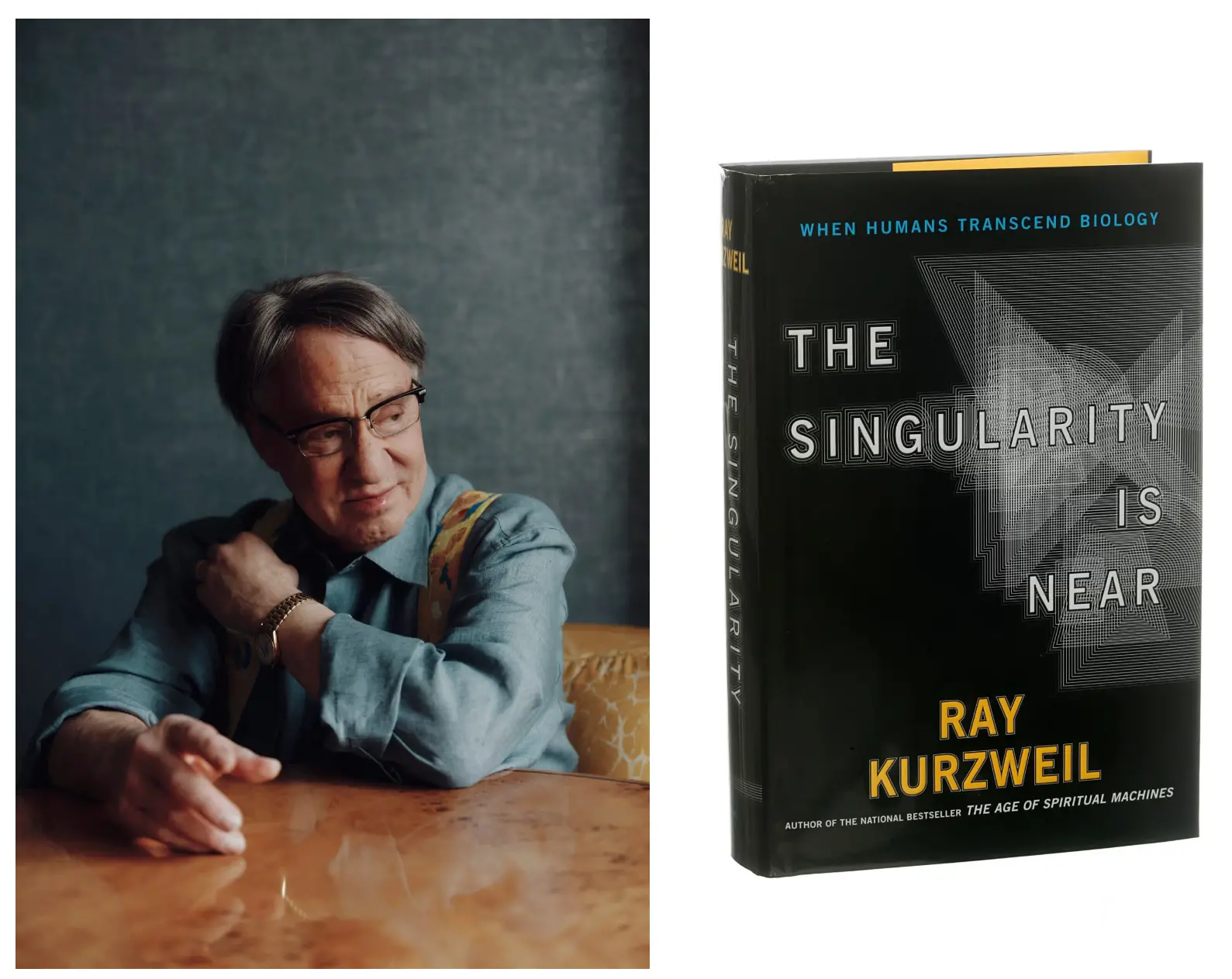
Caption: Ray Kurzweil, author of "The Singularity Is Near." Dario is very interested in his works about artificial intelligence.
At that time, Dario had started aligning with the works of Kurzweil and rationalism leader Yudkowsky. He was particularly interested in one of Kurzweil's points: advanced technology has the potential to help humanity transcend its natural limitations. This idea is called "transhumanism."
When Heckman visited Princeton in 2007, Dario told him that the singularity would arrive before 2040, and one day humans might merge their thoughts with machines.
Heckman recalled Dario stating at the time: “As time goes on, we will become a new superintelligent AI, or a hybrid of AI and humans.”
Dario was so fascinated by this idea that he encouraged friends and his sister to attend annual meetings held by Yudkowsky's Singularity Institute, which is now known as the Machine Intelligence Research Institute.
In an email to a friend seen by The New York Times in 2008, Dario expressed that Yudkowsky was “one of the most profound thinkers I have encountered” and was “explicitly trying to bring about a singularity favorable to humanity.”
Yudkowsky stated in an email to The New York Times that Dario “is currently not soliciting or adopting my advice, nor do I recall him ever doing so.”
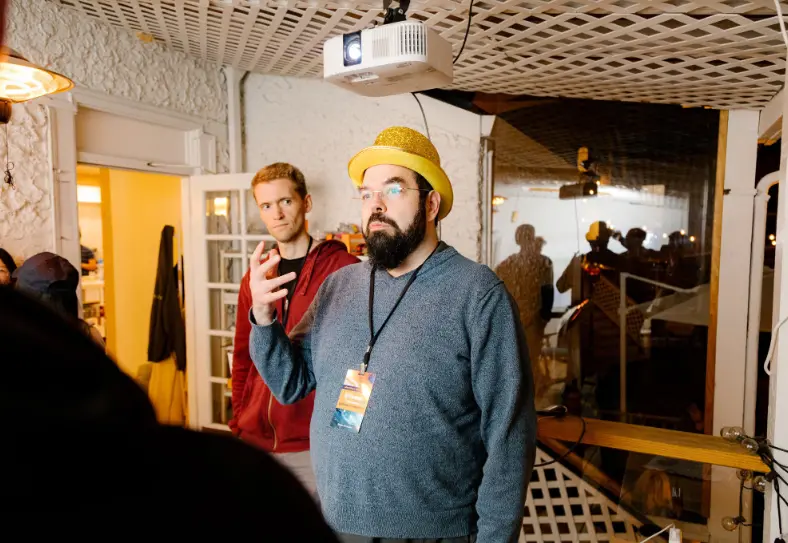
Caption: Self-taught AI researcher Eliezer Yudkowsky. Dario began to align with his works. Yudkowsky believes that AI will become powerful enough to destroy society.
Around the same time, Dario also began communicating with Elon Musk, the founder of rocket company SpaceX. Two individuals aware of their exchanges said Dario had told friends that he admired the tech giant and had considered working for him but ultimately did not join the space startup.
In 2008, Dario encountered GiveWell while reading economist Tyler Cowen's blog. Cowen mentioned in the blog that the organization provides “interesting recommendations” regarding charities.
Dario became active in GiveWell's mailing list and forum, discussing how to conduct charitable and scientific work effectively. An email seen by The New York Times shows that in 2010, he wrote that he was “considering a career in finance so that I could donate more money than I do now.”
That same year, Dario discussed his decision to donate $10,000 in a GiveWell blog post. He was choosing between two donation recipients: one is the “Stop TB Partnership,” focused on preventing adult tuberculosis, and the other is VillageReach, which helps vaccinate children in African villages.
Dario wrote that the “cost-effectiveness” of the “Stop TB Partnership” was higher because it serves adults, stating that “adults have deeper and more meaningful experiences than infants.” He added, “I believe the death of an adult may be two or three times more serious than the death of an infant.”
But upon further comparing the ways the two organizations executed their projects, Dario ultimately changed his mind and believed that VillageReach's work was more effective.
In 2011, he began postdoctoral research at Stanford University, studying cancer cells. Friends say that in his personal life, he attempted to take anti-aging supplements, adhered to a strict swimming regimen, and became interested in calorie reduction. Some studies suggest that reducing calorie intake can extend the lifespan of laboratory mice.
“He often talked about the finiteness of time, and how time is the only non-renewable resource,” Avery said. He added that Dario was “almost harsh about time.”
Two people who know him said that in 2014, Dario was diagnosed with testicular cancer, which deepened this sentiment. He underwent chemotherapy and ultimately fully recovered.
By then, he had already established a close relationship with one of the founders of GiveWell, Holden Karnofsky. GiveWell began collaborating with Good Ventures, a charity founded by Facebook co-founder Dustin Moskovitz and his wife Cari Tuna, which funds effective altruism-related endeavors.
Dario began advising on life sciences funding for the cooperative project GiveWell Labs.
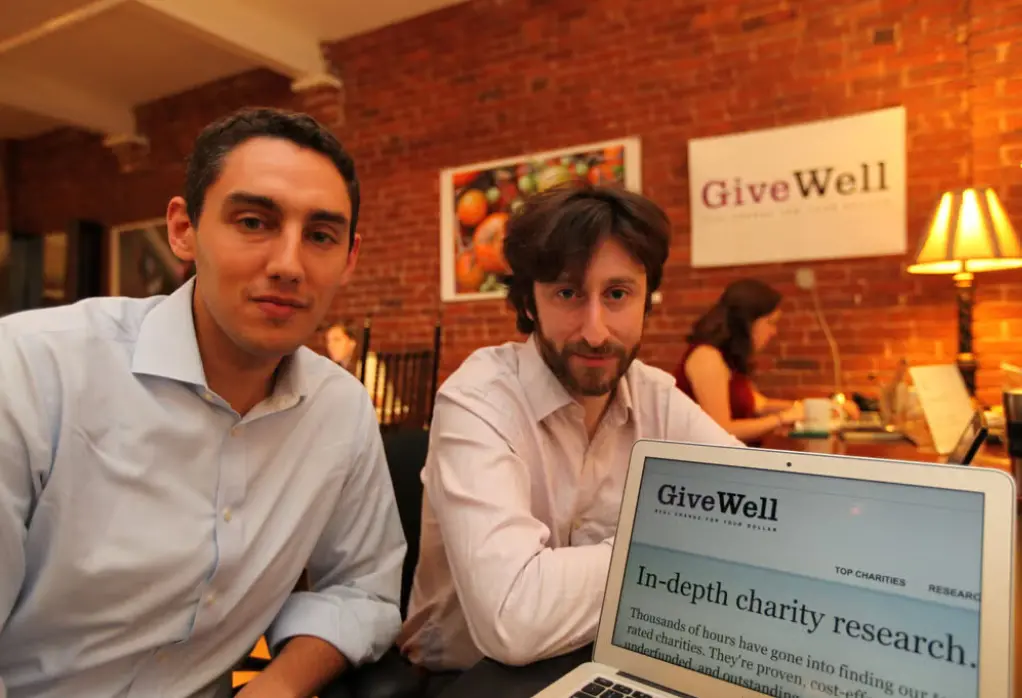
Caption: GiveWell co-founder Holden Karnofsky (right), photographed in 2012. Dario was active in GiveWell's online forum.
At that time, Karnofsky was dating Daniela. The two moved into a shared house in San Francisco, later joined by Dario, theoretical physicist Jared Kaplan, and college dropout Christopher Olah. Dario mentored Olah in math.
Three individuals who visited this residence said the roommates discussed Yudkowsky's writings, exploring rationalism and effective altruism. They also attended the annual anti-mainstream festival “Burning Man” in the Nevada desert, sometimes dressed in animal costumes.
Kaplan and Olah later co-founded Anthropic with the Amodei siblings. In 2025, Karnofsky also began working for the company.
From Baidu, Google to OpenAI
In the early 2010s, advances in machine learning prompted technology companies to ramp up investments in AI. Machine learning enables computers to learn tasks through data analysis.
One of the companies to dive into this was Chinese internet giant Baidu, which opened a lab in Sunnyvale, California, and hired AI pioneer Andrew Ng from Google as its chief scientist.
Dario joined Baidu in 2014 and quickly gained a reputation for working overnight in the office and speaking his mind.
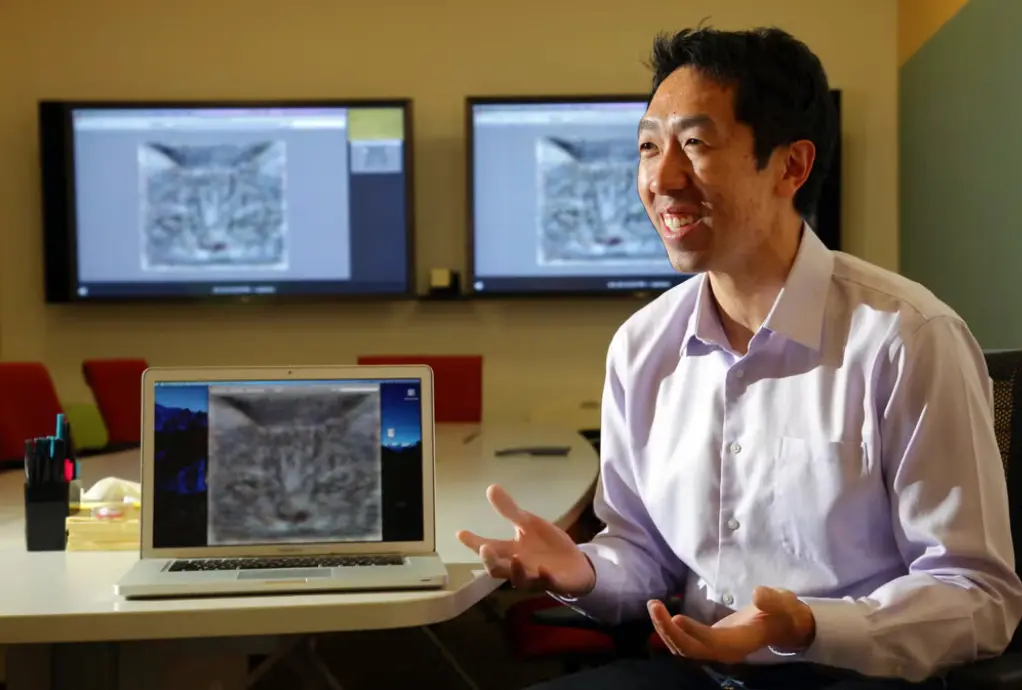
Caption: AI pioneer Andrew Ng, who has worked at Google and Baidu. Dario joined Baidu to conduct AI research.
Researcher Gregory Diamos, who worked with Dario at Baidu, said, “Dario would argue vigorously almost every chance he got.”
Even in this early wave of AI development, Dario was already concerned about the potential dangers of the technology. Diamos recalled that in 2015, Dario warned colleagues that AI could soon reach or exceed the capabilities of the human brain, so companies developing AI should not shy away from the possibility of the technology going out of control.
That same year, Dario joined Google's AI lab Google Brain, focusing on AI safety. Together with five other researchers, including his roommate Olah, he published a paper in 2016 discussing specific issues in AI safety, detailing potential anomalous behaviors that could arise if AI is developed improperly.
In 2016, Dario joined a new AI project: the nonprofit OpenAI. He led OpenAI's safety team as well as another team researching "scaling laws," which describe how the performance of AI models may improve as the scale of the model, training data, and computational resources increase.
At OpenAI: Ideas, Power, and Disagreements
Seven individuals who worked with Dario said that during his time at OpenAI, his beliefs about the correct way to develop AI became more entrenched. He began discussing the power and potential dangers of AI more frequently and took action to integrate his ideas into the development of this technology.
For example, in November 2016, three days after Donald Trump was elected president of the United States, Dario wrote in OpenAI’s internal communications app that he was concerned the U.S. was sliding toward authoritarianism.
Messages seen by The New York Times indicate that he stated he “couldn’t in good conscience research military-use technology in an authoritarian country.”
Internal communications show that Dario also wrote that investor Peter Thiel deserved “moral condemnation” for donating $1.25 million to Trump's campaign, suggesting OpenAI should no longer accept his money. (Thiel's venture capital firm, Founders Fund, later invested in Anthropic.)
Dario also facilitated a collaboration for OpenAI with a funding organization that shared his views. Three people familiar with the arrangement said that in 2017, he helped OpenAI connect with the charity operated by Karnofsky, for which he was a technical advisor.
Karnofsky's organization, now known as Coefficient Giving, donated $30 million to OpenAI. Karnofsky also joined the board of OpenAI.
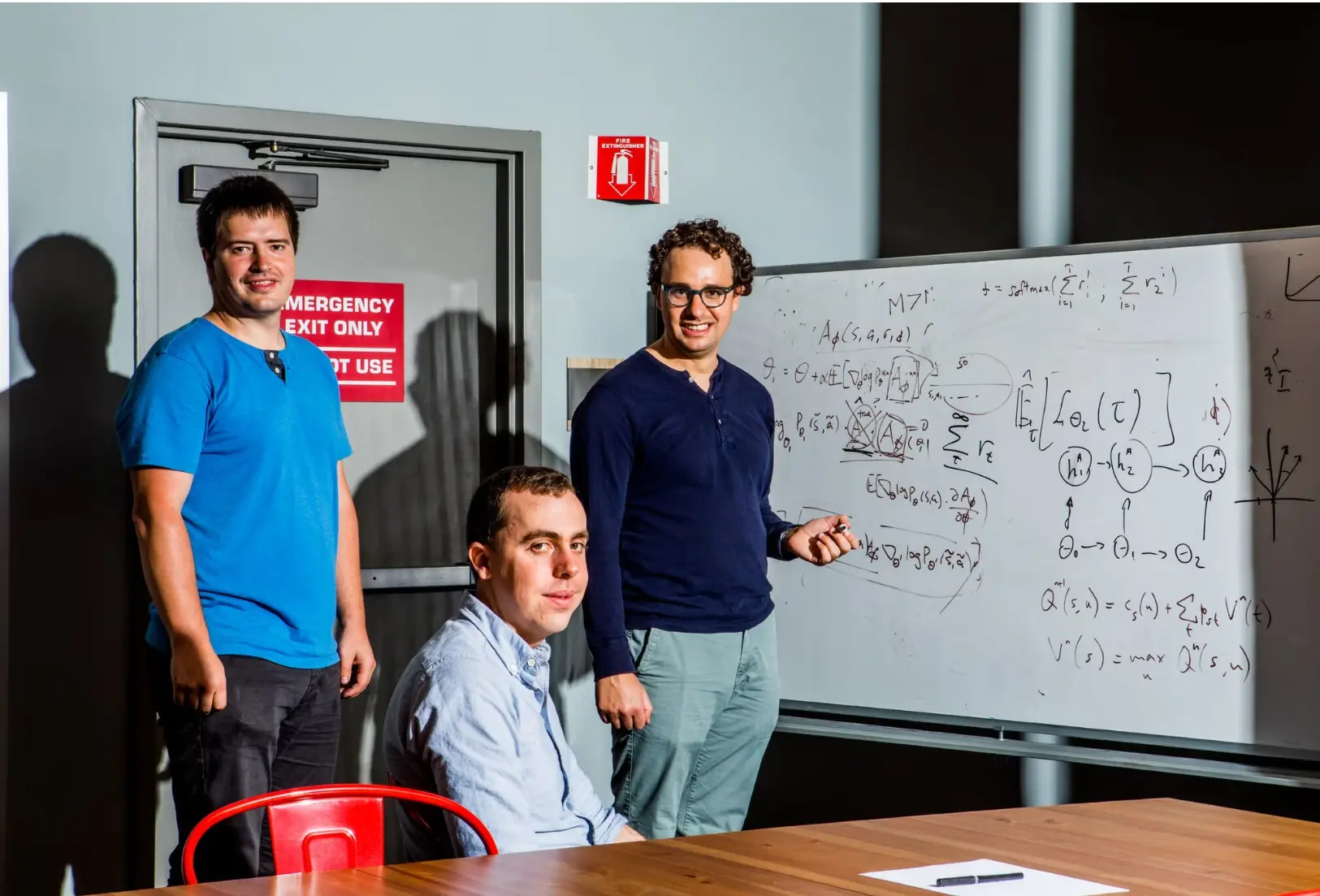
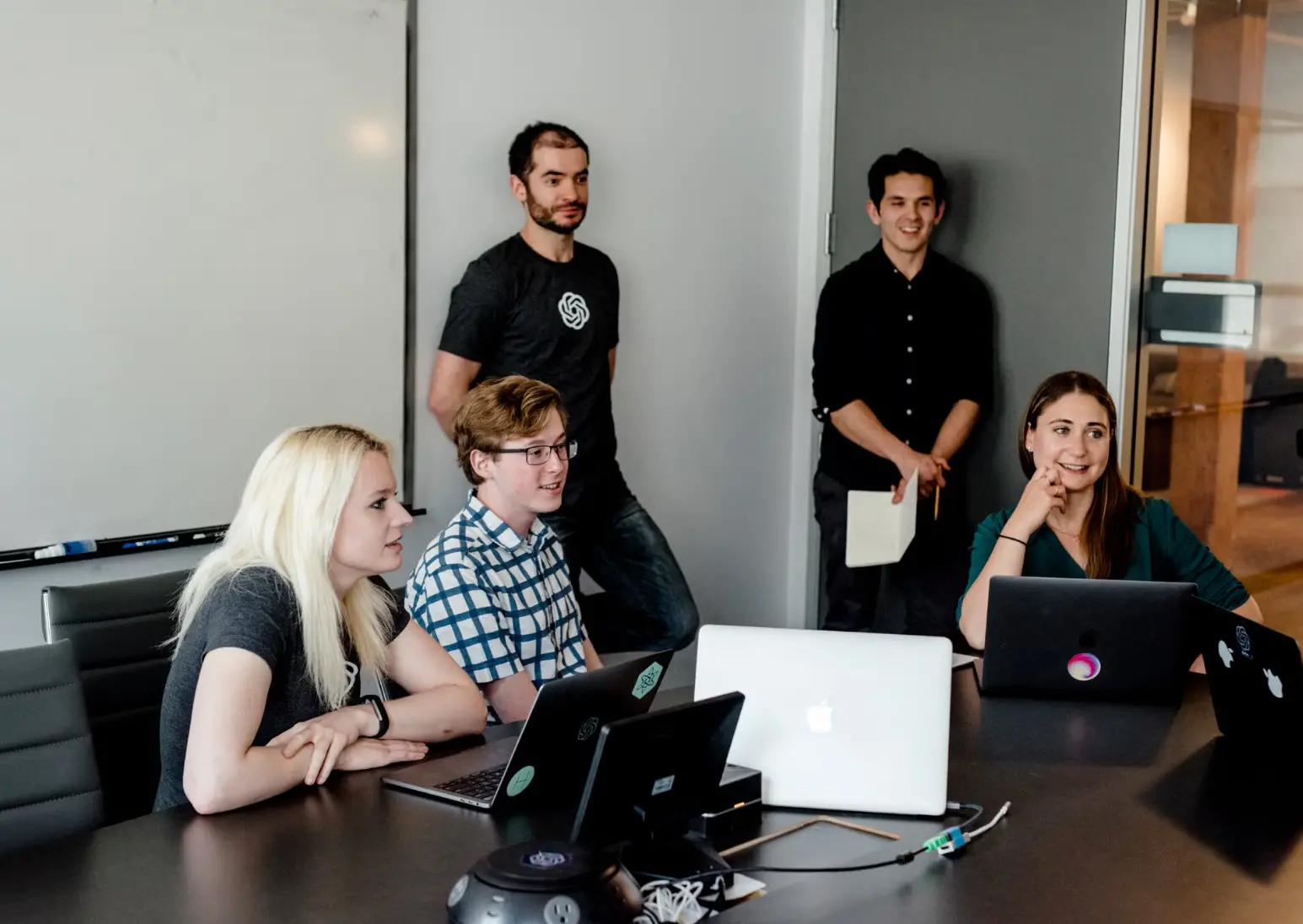
Caption: Dario working at OpenAI in 2017, and Daniela working at OpenAI in 2019.
Later that year, Karnofsky married Daniela. According to their wedding website, guests received stuffed toys, and those who arranged “the most romantic pairings between different roles” also received rewards.
Dario attended the wedding wearing a panda headpiece, and the wedding's dress code was “quirky formal.” In a photo seen by The New York Times, he posed in this outfit alongside Olah, who wore a giraffe headpiece, and his then-girlfriend Cami Clark. He married Clark in 2022.
In 2018, Daniela joined OpenAI, ultimately becoming the vice president of safety and policy. Some employees soon began to question the growing influence of this sibling duo.
Three individuals familiar with related discussions said that in December of that year, OpenAI researcher Joshua Achiam told CEO Sam Altman that appointing Dario as the company’s chief ethics officer was unwise. Achiam mentioned the increasing power of the Amodei siblings and stated that oversight of AI should be a shared responsibility among those holding differing views.
When Achiam insisted that an external expert be appointed as chief ethics officer, Dario confronted him directly. Insiders say Dario raised his voice, asserting that no one was more suited for the position than himself.
In 2018, the Amodei siblings took over a company project called GPT. GPT stands for “Generative Pre-trained Transformer.”
Six former employees said they explored a safety technology designed to teach AI to complete tasks through human instructions.
This approach later became a hallmark of Dario's career: bringing AI close to potential dangers and then testing it with safety techniques.
OpenAI president Greg Brockman wanted to be involved in the GPT project but was resisted by the Amodei siblings. Two individuals familiar with the company said Dario told Altman multiple times that he would leave if Brockman were not kept away from this work.
A person familiar with Altman's thinking said Altman thought these ultimatums were excessive and thus rejected the requests of the siblings.
In December 2020, the Amodei siblings and other colleagues left OpenAI. A few months later, they founded Anthropic.
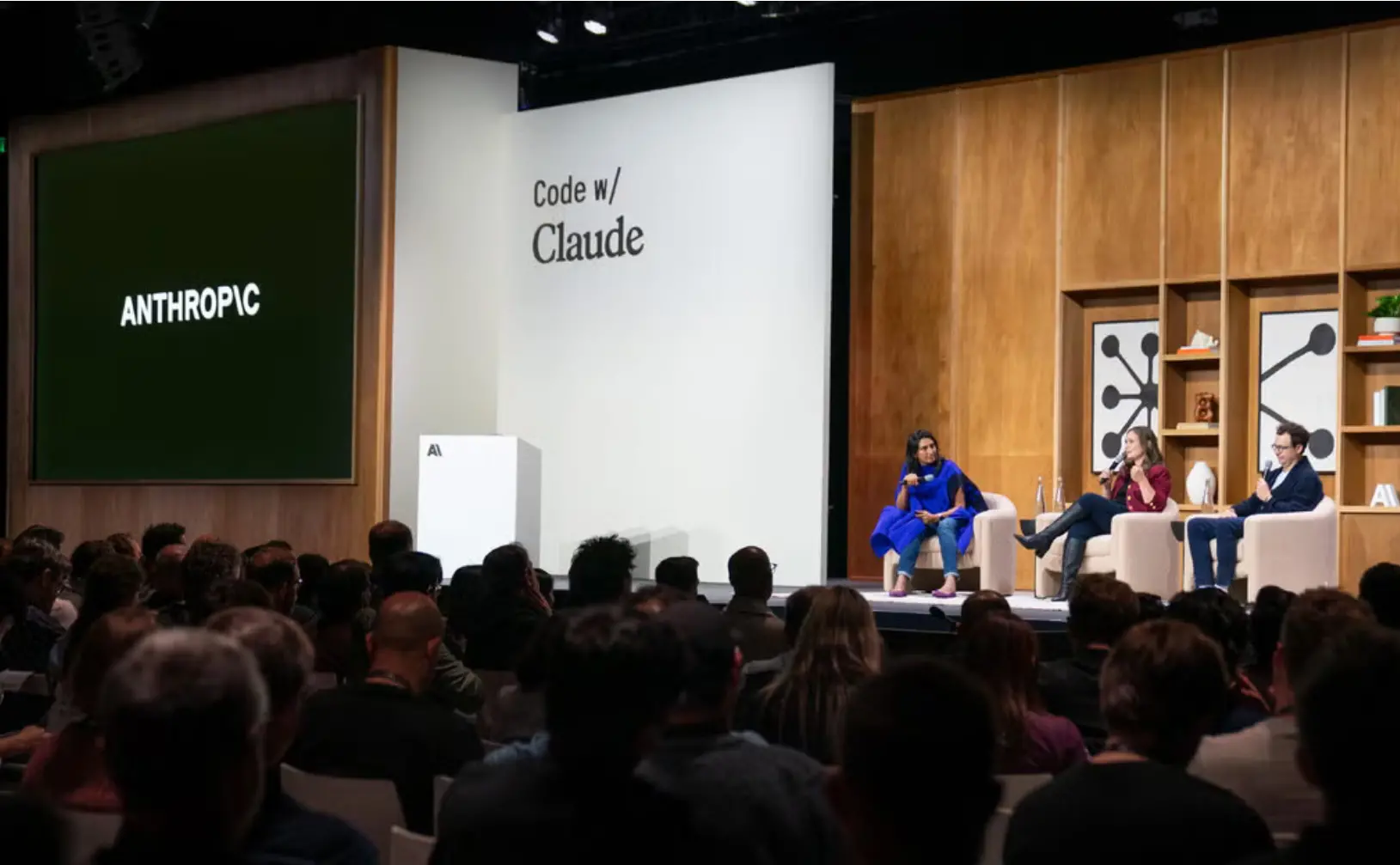
Caption: In May this year, the Amodei siblings appeared alongside the company’s Chief Product Officer Ami Vora (left) at the Anthropic Developer Conference held in San Francisco.
免责声明:本文章仅代表作者个人观点,不代表本平台的立场和观点。本文章仅供信息分享,不构成对任何人的任何投资建议。用户与作者之间的任何争议,与本平台无关。如网页中刊载的文章或图片涉及侵权,请提供相关的权利证明和身份证明发送邮件到support@aicoin.com,本平台相关工作人员将会进行核查。


