Written by: Faseeh Mangi
Translated by: Saoirse, Foresight News
In January this year, in a beautifully decorated building in the center of Islamabad, Pakistan's most powerful leaders gathered to welcome a special guest: Zachary Witkoff, the CEO of the crypto platform World Liberty Financial, co-founded by US President Donald Trump.
The guest list for the event was extremely impressive, resembling a state visit rather than just an exploratory, non-binding, non-monetary stablecoin cooperation ceremony. A group photo showed the 32-year-old, son of Trump advisor Steve Witkoff, standing next to Pakistan's Prime Minister Shehbaz Sharif and the country's more powerful Army Chief General Asim Munir.
On Asim Munir's other side stood a key figure who has facilitated the transformation of US-Pakistan relations over the past year: Bilal Bin Saqib, 35, who describes himself as "a person in the crypto circle." He admitted that while in college he worked three jobs, including cleaning toilets. At the event, Saqib praised the visiting Zachary Witkoff and other executives of World Liberty Financial, stating that their presence helped “put Pakistan on the international stage.”
Pakistan's skilled use of cryptocurrency diplomacy — what Saqib calls "crypto diplomacy," derived from Bitcoin — has solidified the rapidly warming friendship between Trump and Asim Munir. Islamabad hosted the family business of the US president with high-level hospitality, highlighting the deepening of this increasingly important geopolitical relationship. In a potentially disruptive conflict for the global economy, Pakistan has leapfrogged into a key mediator between the US and Iran, emphasizing the weight of this relationship.
Steve Witkoff confirmed through Bloomberg Terminal last week that Pakistan had submitted a 15-point action plan. Before the April 6 deadline set by Trump — after which Iran would either reach an agreement or face strikes against critical infrastructure — Islamabad was also mentioned as a possible venue for negotiations. Pakistan has a strong incentive to facilitate this: Iran's blockade of most shipping through the Strait of Hormuz has led to a severe energy shortage crisis for Pakistan.
"Given the importance of personal relationships in Trump's White House decision-making process, Pakistan is likely gaining some influence in the White House through this, placing itself in a favorable position to propose mediation to Washington," said Michael Kugelman, senior South Asia researcher at the Washington-based Wilson Center, regarding Pakistan's collaboration with Zachary Witkoff. "In the face of such an unconventional US government, unconventional factors often play a role — cryptocurrency is clearly one of them."
Saqib was relatively unknown last year but has since become one of Pakistan's most influential figures. He has built partnerships with several crypto industry giants, including Binance founder Changpeng Zhao (CZ). He also maintains close ties with fund manager Cathie Wood, Bitcoin billionaire Michael Saylor, and El Salvador's President Nayib Bukele — who made Bitcoin legal tender in 2021 and established a Bitcoin strategic reserve fund.
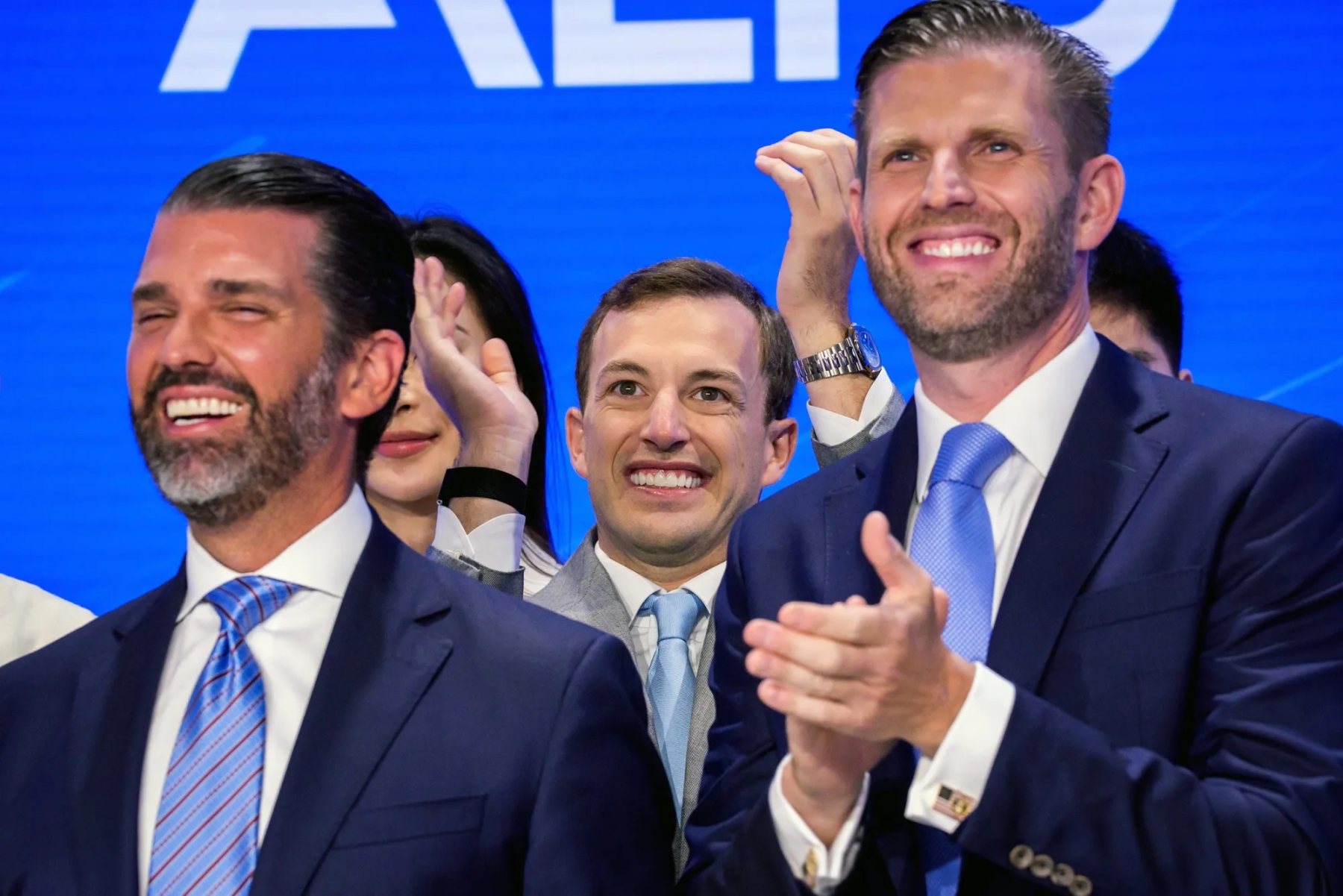
On August 13, at the opening ceremony of the Nasdaq stock exchange in New York, Zachary Witkoff stood next to Donald Trump Jr. and Eric Trump, the two celebrating a deal reached by World Liberty Financial. Photographer: Adam Gray / Bloomberg
However, the most significant diplomatic and commercial returns for him come from the close relationship with World Liberty Financial. The company hired Saqib as a consultant in April last year. World Liberty Financial spokesperson David Wachsman stated that Saqib resigned from this position after joining the government and did not receive any salary during his tenure.
Last month, Saqib released a selfie with Zachary Witkoff and other senior executives at Trump’s Mar-a-Lago Club in Florida. Almost simultaneously, Pakistan reached an agreement with the US to renovate the Roosevelt Hotel in Manhattan, with this deal led by negotiations from Steve Witkoff.
"The door opened because of cryptocurrency," Saqib said in a recent interview, "a new dialogue has begun, trust has been built. We have gained the opportunity to reshape the nation’s image."
For Pakistan, this represents a remarkable turnaround. Over the past decade, the US has been tightening its ties with India to counter China's rising military and economic power, while Pakistan has long been on the brink of bankruptcy and has faced diplomatic isolation. The situation shifted suddenly last May: the Pakistani military claimed that Trump prevented an armed conflict between India and Pakistan, a statement that was firmly denied by New Delhi, leading to months of strained relations between Pakistan and the US.
Although the White House later repaired its relationship with India, Trump continued to praise Asim Munir frequently. In February, at a peace committee meeting, the president referred to Pakistan's military chief as a "great general," "incredible person," and "steadfast fighter." In response, Pakistan reciprocated by calling for Trump to receive the Nobel Peace Prize and showing goodwill in other ways, while also further solidifying ties with the White House through cryptocurrency.
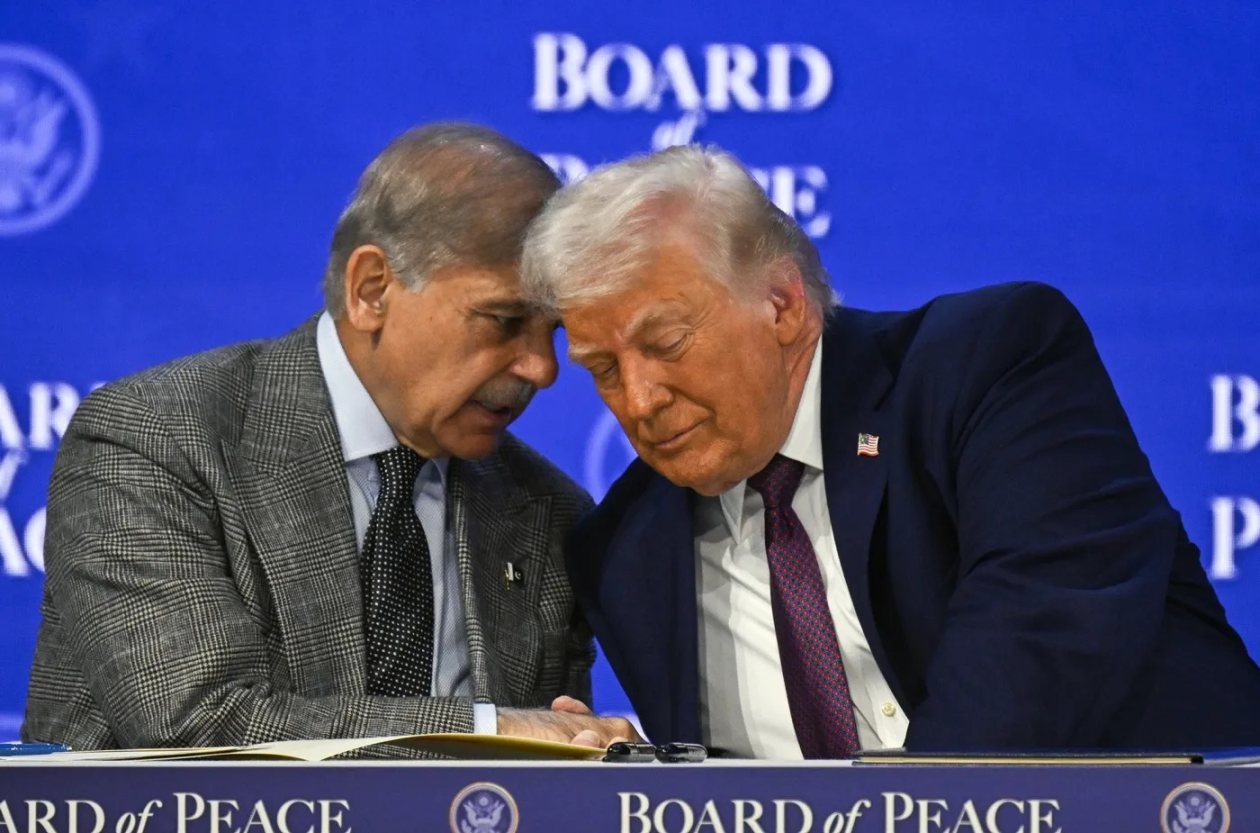
US President Donald Trump (right) and Pakistan's Prime Minister Shehbaz Sharif attend a peace committee meeting during the World Economic Forum in Davos on January 22. Photographer: Harun Ezzat / Anadolu Agency / Getty Images
"For a country lacking global investor attention, keeping up with Washington's crypto shift is not just about technology," said Uzair Younus, a partner at the Washington consulting firm The Asia Group. "It sends a signal: in an ever-changing global order, Pakistan still matters."
Until two years ago, Pakistan was wary of cryptocurrency. The country's regulatory bodies had kept their distance from the industry for a decade, citing concerns about fraud, Ponzi schemes, and money laundering risks. Deep in high inflation, heavy debt, and dwindling foreign reserves, Pakistan was then reliant on bailout loans from the International Monetary Fund, with immense repayment pressure.
But by 2024, attitudes shifted. As the economy began to recover, the senior military leadership in Pakistan realized that cryptocurrency could serve as a useful chip in global diplomacy. The country quickly enacted regulations for virtual assets, established a dedicated regulatory body, and invited global exchanges to apply for licenses. Pakistan also proposed to establish a national crypto reserve and allocated 2000 megawatts of electricity — about 5% of the national grid — for cryptocurrency mining.
Advancing this series of initiatives required a head overseer, and Saqib stepped into that role. Since March last year, he has been successively appointed to significant positions: Chief Advisor on Crypto Affairs to the Minister of Finance, CEO of the Pakistan Crypto Commission, Special Assistant to the Prime Minister on Blockchain and Crypto Affairs, and ultimately Chairman of the Pakistan Virtual Assets Regulatory Authority.
The specific reasons he has risen so rapidly to become one of Pakistan's most influential officials remain unclear. When asked who invited him to join the government, Saqib did not disclose details, only stating it was the Ministry of Finance.
When questioned about his professional capabilities, Saqib said his core ability is "to execute ideas into action."
"I am not a trader," he said, "I am a builder. I am an artist, not a scientist."
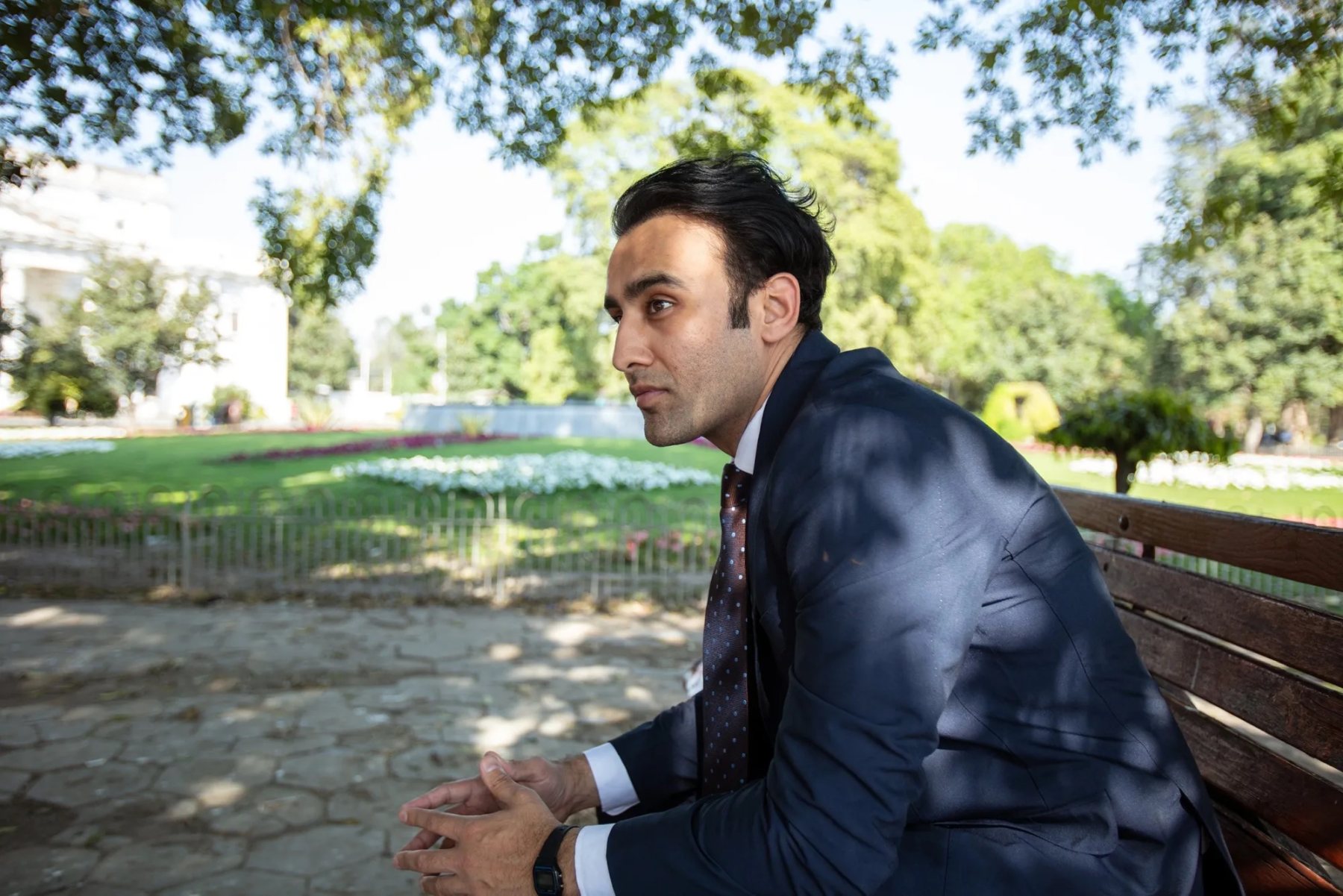
On March 27, Bilal Bin Saqib outside Jinnah Library in Lahore. Photographer: Shah Zaman / Bloomberg
Regardless of how he defines himself, success has indeed followed in quick succession. Saqib hails from Lahore, Pakistan's second-largest city, and cites his interest in cryptocurrency starting from the historic Bitcoin bull market in 2017 — when Bitcoin soared from under $1,000 at the beginning of the year to $14,000 by the end.
He lived between the UK and Pakistan, working three jobs during his undergraduate studies, including cashiering at the university supermarket, sorting goods, and cleaning toilets. He later earned a Master's degree in Social Innovation and Entrepreneurship from the London School of Economics, shortly thereafter taking the TED stage and making it to the Forbes list in 2019 for co-founding the charity Tayaba with his brother, helping impoverished women gain access to drinking water.
While living in the UK during the COVID pandemic, Saqib co-launched the "Million Meals" initiative, delivering fresh meals to healthcare workers and vulnerable groups, earning him recognition from former Prime Minister Boris Johnson and the British royal family, and he was awarded the Member of the Order of the British Empire.
Despite garnering numerous honors in the philanthropic field, Saqib faced struggles in the crypto industry. In the four years before his appointment by the Pakistani government, his LinkedIn profile showed he was working at The Coin Master, a company with only 2 to 10 employees, whose slogan was "helping tokens navigate the Web3 market path."
In an interview, Saqib admitted having gone through many tough times but did not elaborate.
"In the crypto industry, failure is the best teacher," he said, "there are no formal schools to attend. You can only learn through practice, getting up again and again after making mistakes."
"I only know one thing," he added, "as long as you throw enough mud at the wall, some will stick."
After officially joining the Pakistani government in March 2025, Saqib quickly made achievements. The following month, he persuaded Binance's Changpeng Zhao to serve as the strategic advisor to the Pakistan Crypto Commission — Zhao had previously served time in the US for not having established adequate anti-money laundering mechanisms and was pardoned by Trump in October.
"The chef has arrived in Pakistan. We're going full throttle — the atmosphere is heightened, and the momentum continues!" Saqib wrote in a post on X platform. In his profile photo, he wore a T-shirt stating "Cryptocurrency is not a crime."
A Binance spokesperson stated that the company has obtained permission from Pakistan's regulatory authority to operate in the country, "and will always adhere to all applicable regulatory requirements, working closely with local authorities to support the responsible development of the digital assets ecosystem."
Bringing Zhao on board was just the beginning. About three weeks later, Saqib hosted Zachary Witkoff and other executives from World Liberty Financial in Islamabad, which signed a memorandum of understanding with the Pakistani government to deepen cooperation in the application of stablecoins.
Pakistan promoted this matter prominently. The government stated at the time that World Liberty Financial "is supported by the Trump family, including President Donald and his sons," and that Trump "personally endorsed WLF."
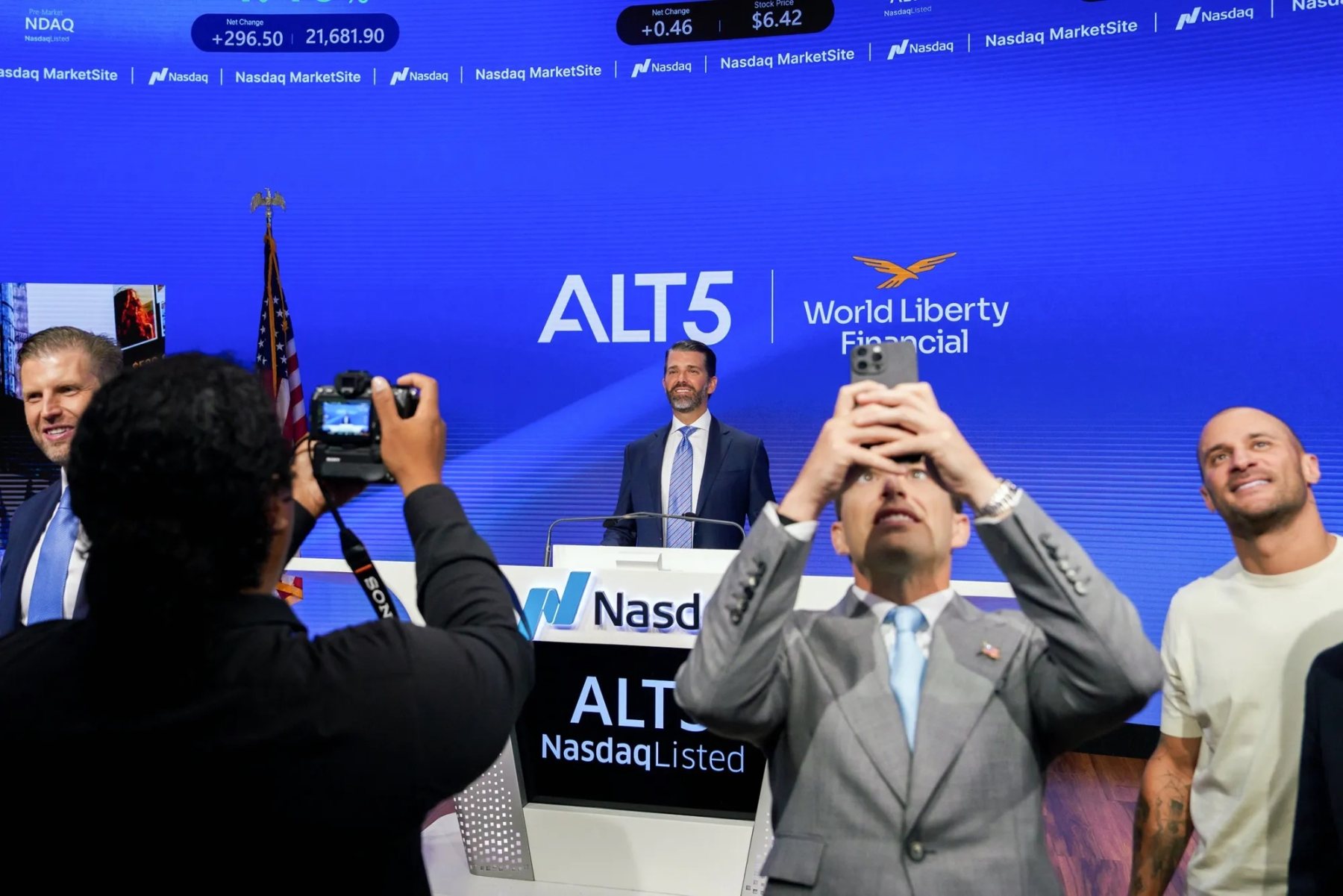
On August 13, Eric Trump (far left), Donald Trump Jr., Zachary Witkoff, and World Liberty Financial co-founder Chase Herro appeared at the Nasdaq market site in New York. Photographer: Adam Gray / Bloomberg
Zachary Witkoff is also ambitious. In May, during a video conversation in Lahore's picturesque Shalimar Gardens with Saqib, he expressed hope to assist Pakistan in achieving economic digitization, tokenizing the country's trillions of dollars worth of rare earth assets, and providing services such as digital wallets and stablecoins to the world’s third-largest unbanked population. He stated that Pakistan has "immense potential."
In late May, Saqib promoted the rise of Pakistan's crypto industry at a Bitcoin conference in Las Vegas, where attendees included US Vice President JD Vance as well as Donald Trump Jr. and Eric Trump — both co-founders of World Liberty Financial. A few days later, Saqib met with Bo Hines, then chair of the President's Digital Asset Advisory Council at the White House.
The following month, Saqib was unexpectedly added to Pakistan's trade negotiation delegation to the US. He was vacationing with family in a hill station in the Himalayas, with poor mobile reception, when an official suddenly called with an urgent message: "You need to go to Washington, pack your bags quickly."
Despite having no background in tariffs, being unclear about the meeting agenda, and even lacking formal attire, Saqib quickly seized the opportunity. Upon arriving in Washington, he headed straight to a mall to buy a blazer. The next morning, he sat across from US trade officials discussing digital assets and trade routes. When leaving Washington, he had participated in drafting a framework for a trade agreement.
This agreement is just one of the many substantial benefits the Trump administration has provided to Pakistan. The US has reduced tariffs on Pakistani goods to 19%, significantly lower than many Asian countries and well below the rate imposed on Indian goods — which once reached as high as 50% until Trump reduced it to 18% this January. The Trump administration also officially designated the Baloch Liberation Army as a terrorist organization, which Pakistan has long sought international recognition for.
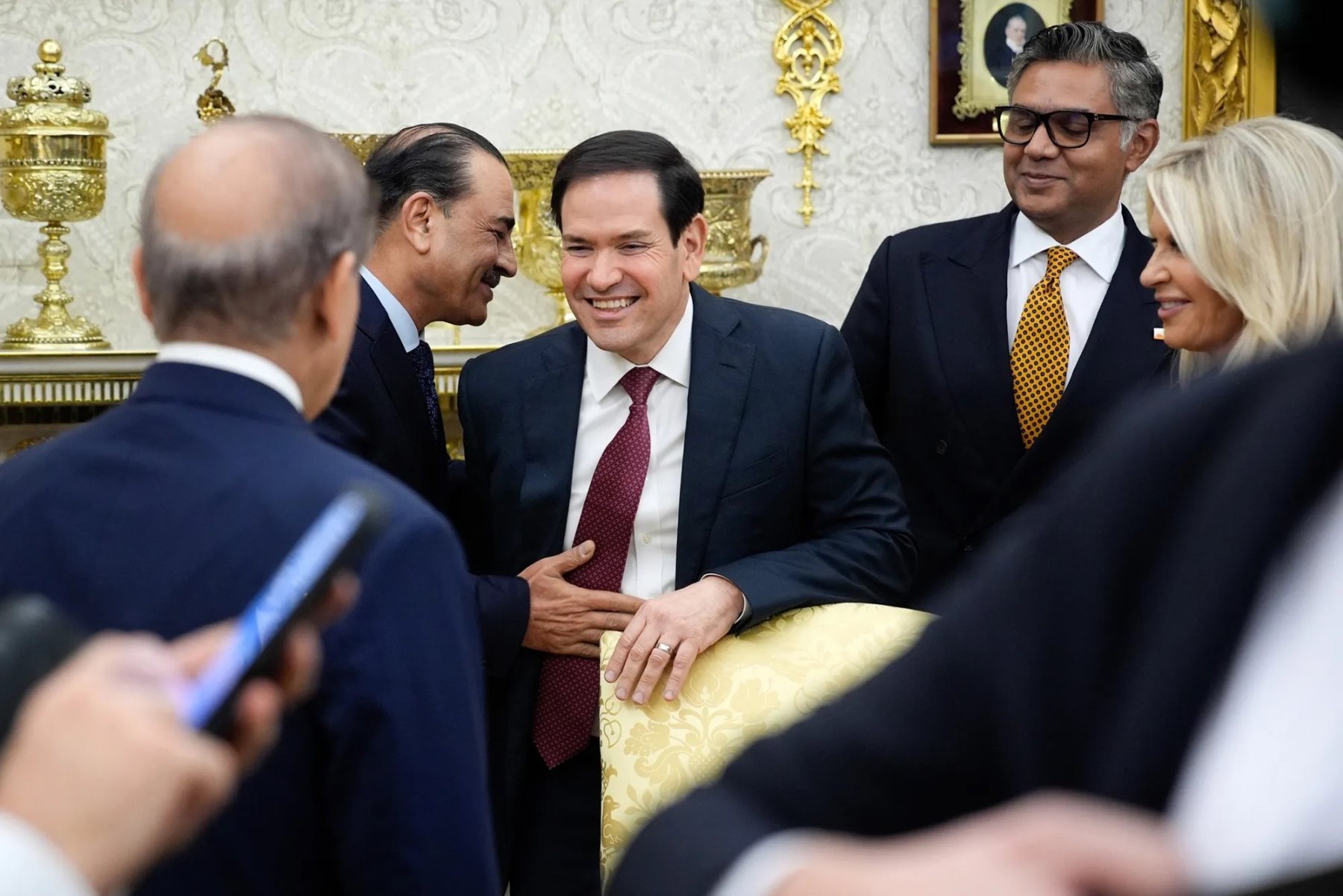
Army Marshal Asim Munir (middle left) meets with US Secretary of State Marco Rubio in September at the Oval Office, when US President Donald Trump hosted Pakistani Prime Minister Shehbaz Sharif. Photographer: Yuri Gripas / Abaca Press / Bloomberg
For the US, Pakistan offers multiple strategic values. It is not only a nuclear-armed nation at a pivotal location but can also help the US diversify its critical mineral supply chains. In September, a strategic metals company in Missouri signed a memorandum of understanding with a military-backed company to collaborate on developing rare earth resources.
The Trump family business could also benefit from entering Pakistan’s virtual asset market. According to Pakistan's Ministry of Finance, the country boasts 40 million crypto users, with estimated trading volume exceeding $300 billion, making it one of the countries with the highest crypto adoption globally — as citizens seek alternative investment channels amid a long period of high inflation.
Circumstances could still change, especially against the backdrop of soaring oil prices. Pakistan still needs to repay IMF loans, and the organization has traditionally been opposed to sovereign states' crypto experiments. El Salvador serves as a cautionary tale: its Bitcoin adoption led to strained relations with the IMF and stalled financing negotiations.
Trump has also been known to turn against allies, no matter how close their relations were previously. He may expect Pakistan, which signed a defense agreement with Saudi Arabia last year, to somehow participate in actions against Iran — placing Asim Munir in a very difficult position.
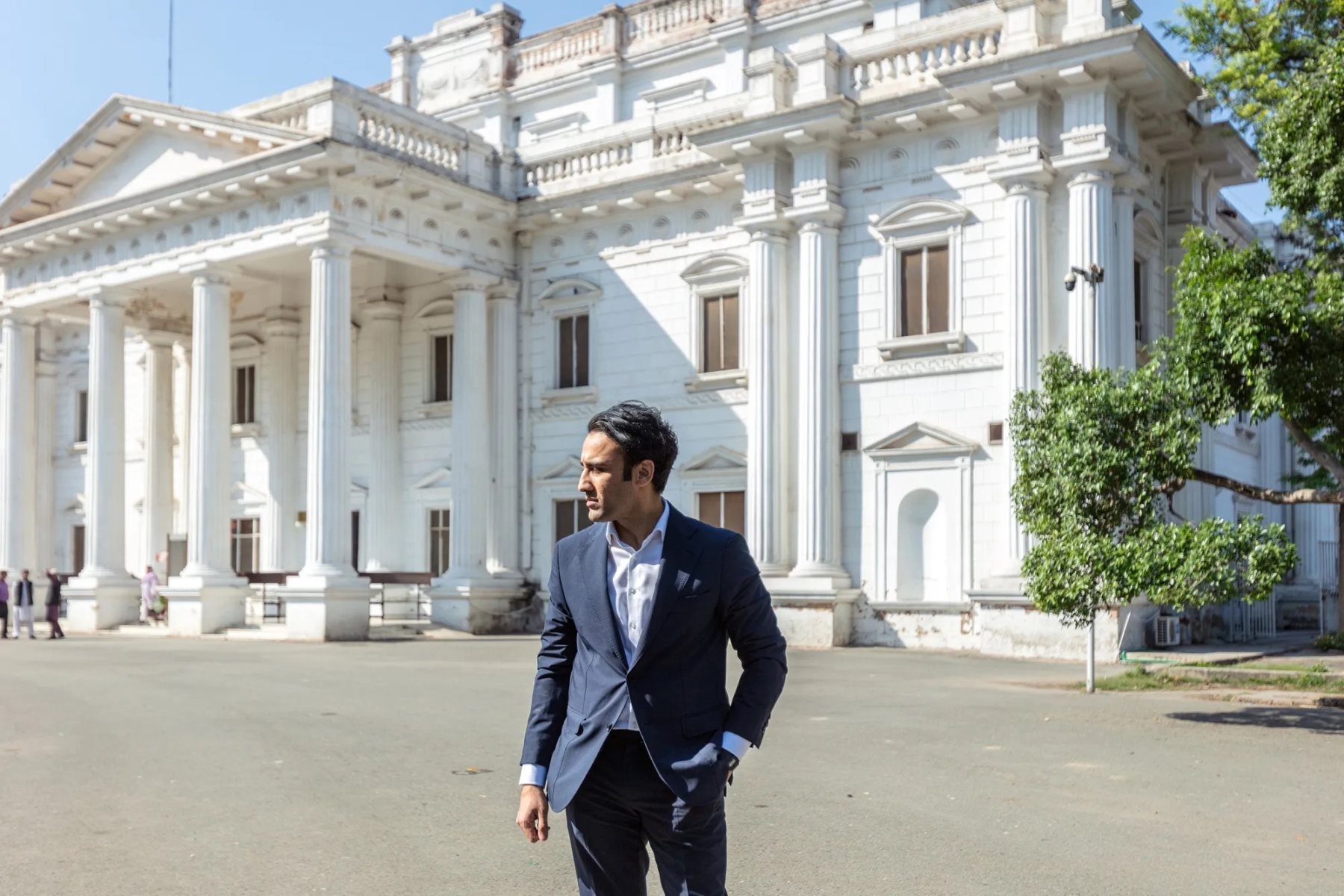
"I am not a trader, I am a builder. I am an artist, not a scientist." Photographer: Shah Zaman / Bloomberg
However, for Saqib, the focus is on developing the technical capabilities of Pakistan's younger generation to drive economic development and avoid seeking aid from the IMF every few years. Despite the global uncertainty, he remains optimistic about the country's direction.
"There have been many coincidences, and it has come at the right time," Saqib said, "all the stars have aligned."
Contributions to reporting: Sidhartha Shukla, Ryan Weeks, Suvashree Ghosh
免责声明:本文章仅代表作者个人观点,不代表本平台的立场和观点。本文章仅供信息分享,不构成对任何人的任何投资建议。用户与作者之间的任何争议,与本平台无关。如网页中刊载的文章或图片涉及侵权,请提供相关的权利证明和身份证明发送邮件到support@aicoin.com,本平台相关工作人员将会进行核查。


