Author: TechFlow
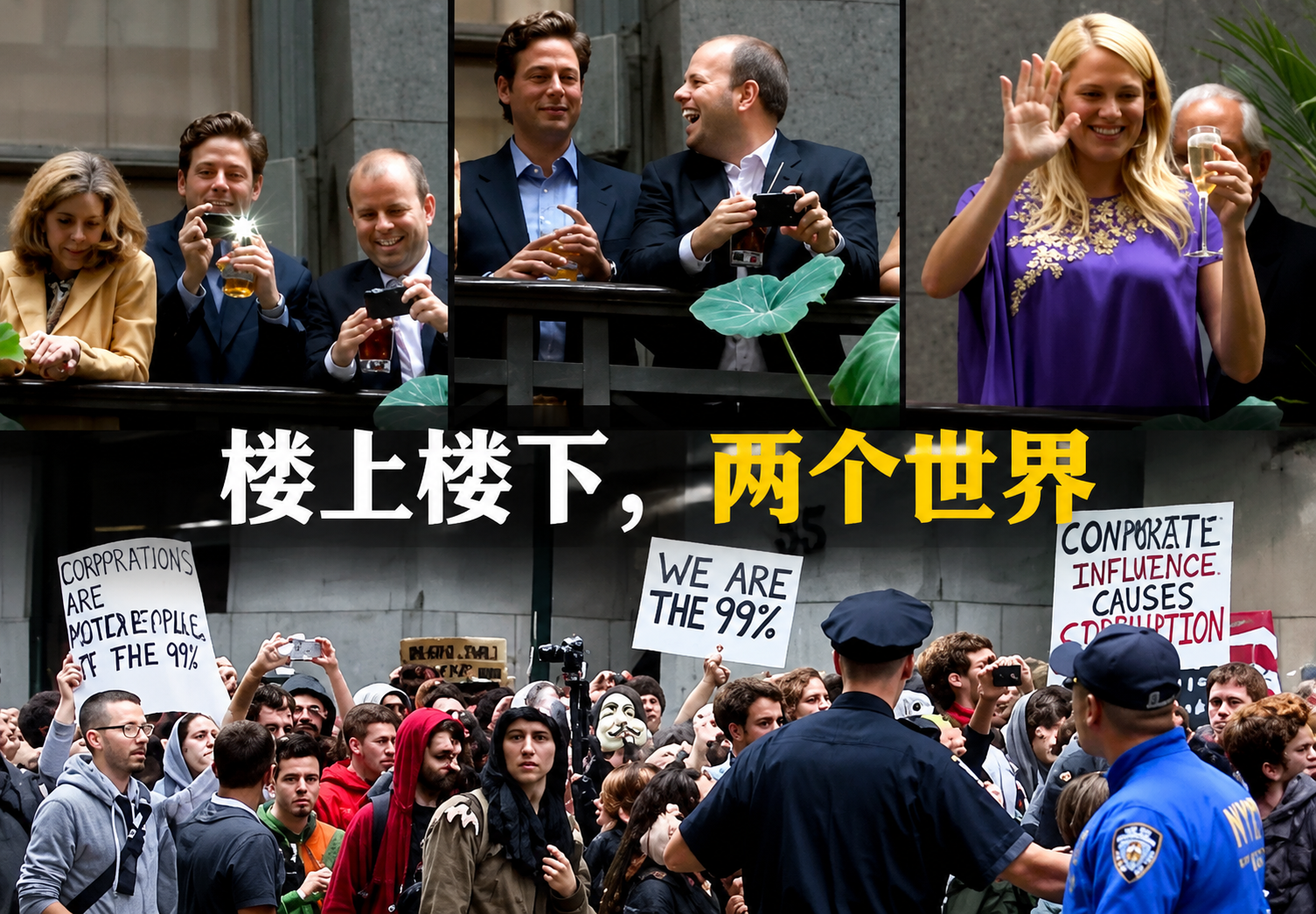
In 2011, an angry crowd surged into Wall Street, holding high the slogan "We are the 99%", protesting against the widening wealth gap following the 2008 financial crisis.
On the second-floor balcony, the Wall Street elites with 1% of financial power, dressed in suits and holding champagne, looked down from above, casually laughing while overlooking the protesting crowd, as if all the anger below had nothing to do with them.
This scene was captured on camera, becoming the most stark anti-example of "financial equity".
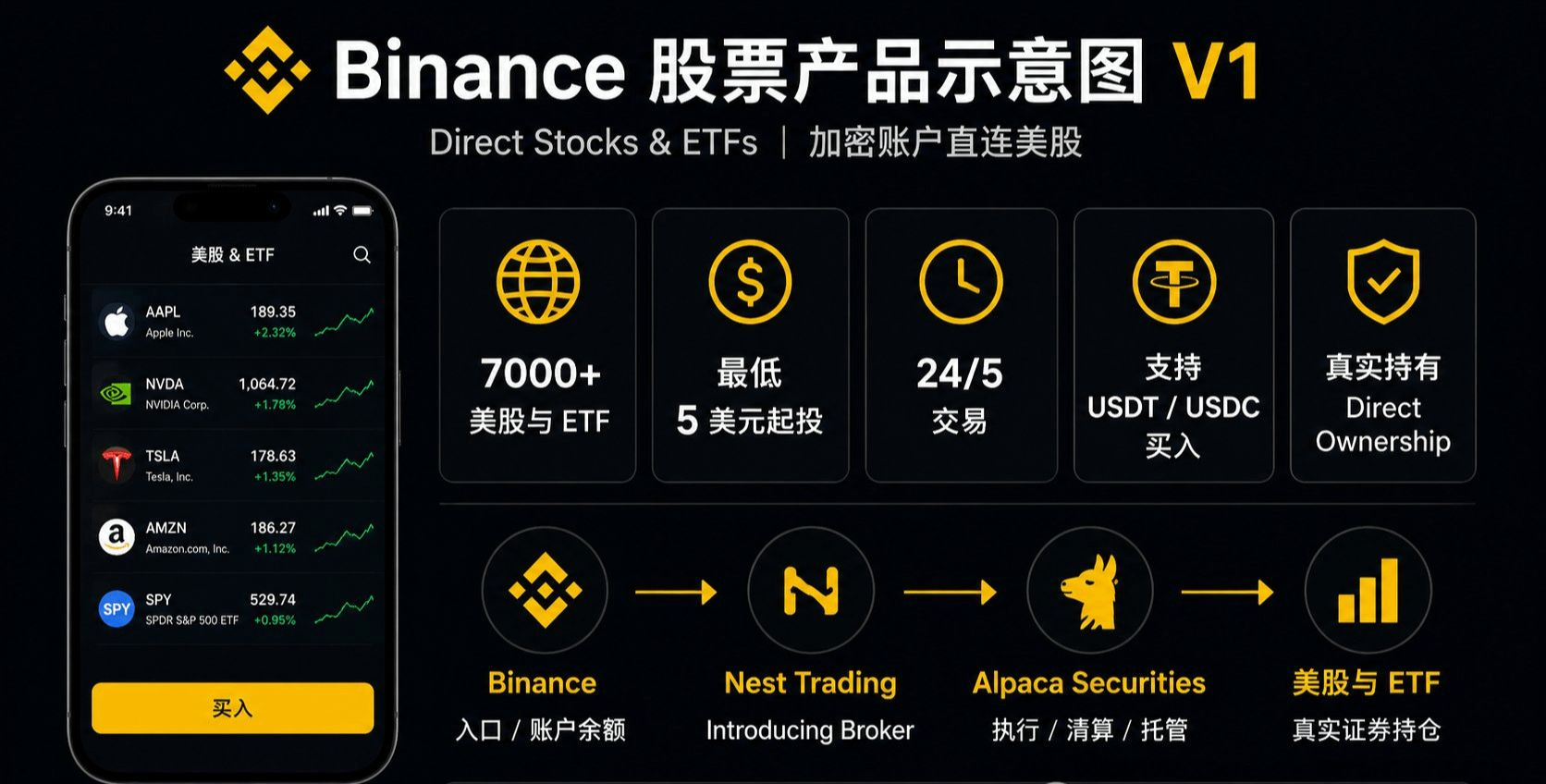
Fifteen years later, in 2026, a mobile phone and an account allow a common worker from the port of Manila, Philippines, to buy tokenized stocks of globally popular companies like Apple, Nvidia, and Tesla for just $5.
Even in emerging markets where traditional financial services are not well developed, one can still stand in the same market as Wall Street elites and share the opportunities arising from global economic growth.
Similarly, ordinary laborers:
In 2011, they stood outside the financial system, opposing that glass of champagne;
In 2026, they began to hold the keys to enter the financial system.
This may not mean that financial equity has been fully achieved, but at least, the barriers to participating in finance are being redefined.
Having just celebrated its ninth anniversary, Binance is becoming an important participant in the wave of lowering financial barriers.
Entering 2026, many began to notice that Binance, which started as a crypto exchange, has taken a series of initiatives that are not so Crypto:
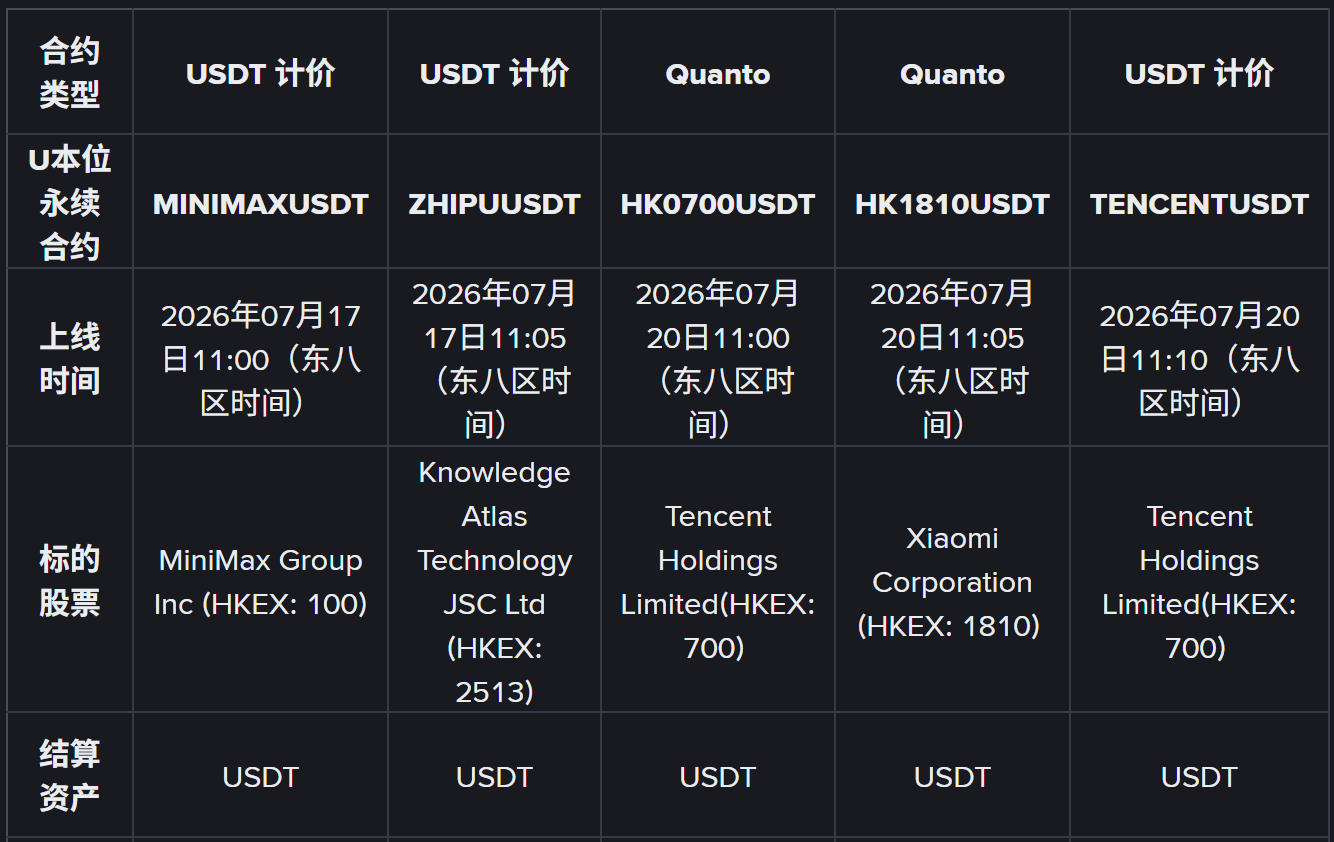
After supporting over 7000 US stocks and ETFs, on July 17, it announced perpetual contracts for several Hong Kong stocks including Tencent, Xiaomi, Zhiyu, and MiniMax;
Launched on-chain tokenized securities product bStocks, allowing the conversion of stocks into on-chain tokens on the BNB Chain;
Deepened its AI layout, continuously expanding core AI product capabilities such as Binance Skill Hub and Binance AI Pro…
This has formed a clear signal of turning:
In the past nine years, Binance has successfully shaped the public perception of being "the world's leading cryptocurrency exchange";
And standing at the starting point of its tenth year, Binance is redefining itself as the "super financial gateway of the next currency era," allowing more ordinary people to participate equally in the entire financial world, opposing the old order of finance that used to belong only to the 1% elite.
What are we talking about when we discuss "financial equity"?
The concept of "financial equity" has been mentioned repeatedly with each financial revolution.
But until today, the results presented have not been so optimistic.
Why is "financial equity" so far from ordinary people?
Over the past hundred years, traditional financial systems have reinforced four levels of barriers, each blocking more common investors out:
Users in Southeast Asia who wish to invest in US stocks must go through a series of processes including choosing a broker, applying for an account, submitting documents, currency exchange through a bank, wiring in funds, and tax reporting. Under geographical limitations, where a person is born often determines which financial products they can easily access.
Meanwhile, different financial platforms set different capital requirements: bank wealth management has minimum asset requirements, hedge funds are only open to qualified investors, and traditional financial product design logic seems naturally more inclined towards "the wealthy."
Furthermore, traditional financial markets have "market hours," and during weekends, holidays, and other non-trading periods, when Nvidia releases its earnings report, Asian investors are likely to miss out on opportunities.
Another important aspect is the "ability" difference between ordinary users and institutions: financial entrances are fragmented; stocks, commodities, and wealth management are dispersed across different entrances, each with its own rules, fees, and thresholds; market information is intertwined, and real-time cross-market asset analysis is more complex. The opportunity window passes swiftly, making it difficult for ordinary investors to have the research, analysis, and trading capabilities comparable to those of institutions.
These four barriers together form the foundation of "financial inequality," which does not require intentional exclusion, as the system itself acts as a filter.
In the past nine years, Binance has validated one thing in the crypto world:
A financial infrastructure without national boundaries or time constraints can allow anyone in the world with a smartphone to complete global transactions of cryptocurrency within minutes.
This open underlying architecture genuinely begins to level the field, allowing more users from emerging markets in Asia, Latin America, Africa, and elsewhere to seize the opportunities to participate in the global financial network.
However, cryptocurrency assets are ultimately just a corner of the financial world. If traditional financial assets such as stocks, gold, oil, and funds continue to operate within a relatively closed system, equity remains a half-finished product.
In other words, Crypto has realized globalization, but finance itself has not yet.
This is the reason why Binance wants to take it a step further, as well as its direction: to extend the equity capabilities accumulated in the crypto world over the past nine years into a broader financial world:
No matter if you are in Manila or Madrid;
No matter if you have $5 or $5 million;
No matter if you want to buy US stocks or Hong Kong stocks;
No matter if it is three in the morning or a holiday…
The tools available to institutions are available to you; the data analysis available to institutions is available to you; the assets institutions can buy are available to you, and the entrance is forever open equally.
To this end, Binance has summarized it succinctly: Finance leveled - open to all, powered for you.
So why now?
In the market, change is everywhere:
The regulatory environment is changing; global regulatory advancements like the US GENIUS Act and Europe's MiCA provide legal basis for Binance's transformation into a "financial super app";
Institution attitudes are changing; giants like BlackRock are taking the lead, and the flow of traditional funds into the crypto market exceeds expectations. As the crypto platform with the broadest user base and deepest liquidity, Binance is the most natural beneficiary;
User demands are changing; the capital frenzy in AI industries and the US stock market continues, with users globally, especially in Asia and Latin America, expressing strong demand for global asset allocation. However, traditional channels have high and fragmented thresholds, making a single entrance for 7 x 24-hour trading of global tokenized paths a more favorable option.
Transformation has become an inevitable trend.
At this year’s Hong Kong Web3 Carnival main venue, Binance co-CEO He Yi stated: In the future, Binance will cover 3 billion users globally, serving the financial needs of the general public.
From 300 million to 3 billion, a broader financial world becomes the core battleground for Binance's next phase of growth.
Thus, the question is no longer "Should we transform?" but has shifted to "How to transform?"
Super Financial App: One Entrance, All-encompassing
What truly isolates ordinary people from finance is never just a single product, but a complete set of systematic blockades.
Therefore, becoming the "super financial gateway of the next currency era" requires undergoing a complete bottom-up reconstruction of capabilities.
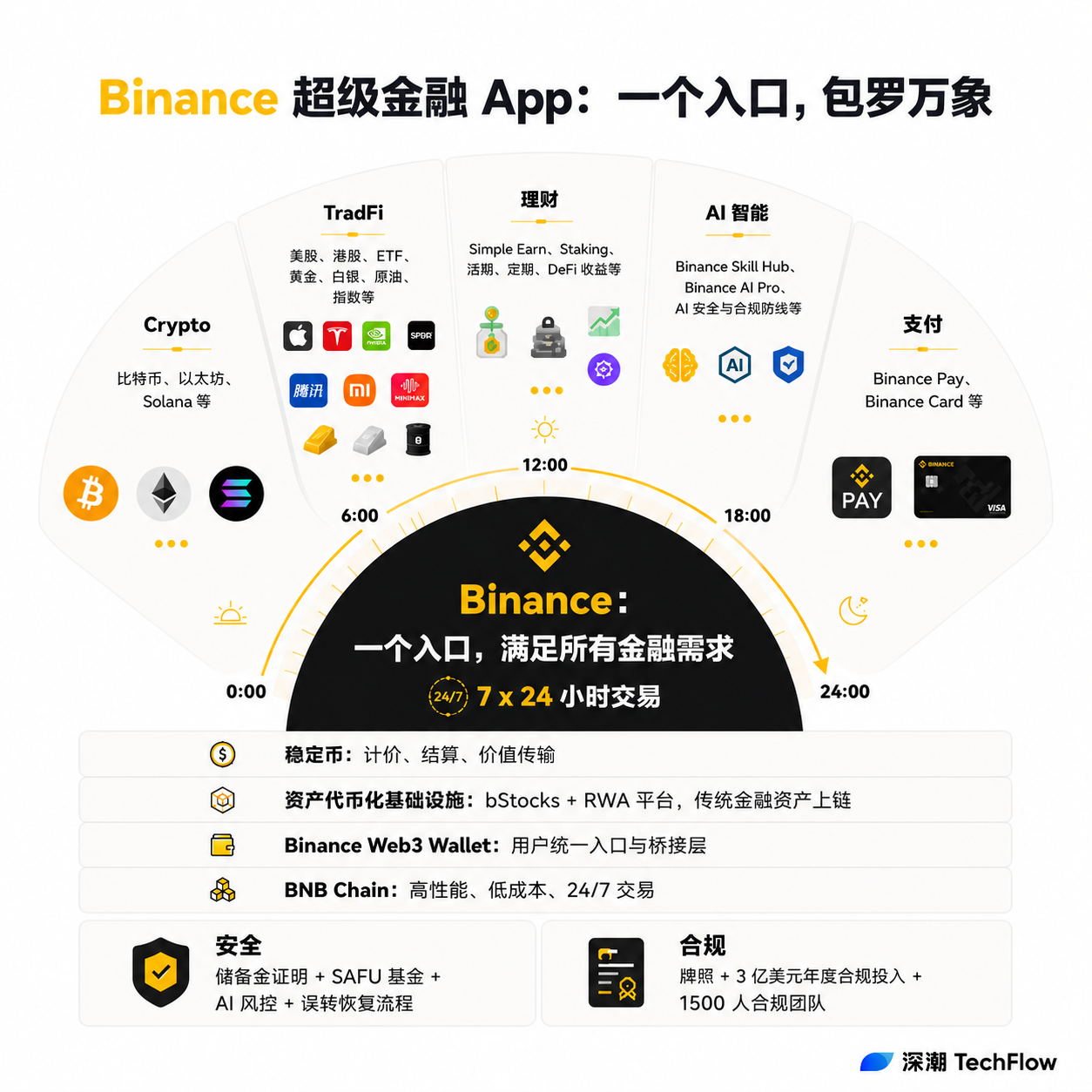
One Entrance, Meeting All Financial Needs
Interpreting "super financial app" literally, it first means "great capacity," accommodating the entire world.
On this front, Binance has promoted a full enrichment of its platform asset offerings. Beyond crypto, Binance now supports:
- Stocks and ETFs: Offering trading on over 7,000 US stocks and ETFs
- Commodities: Supporting trading of assets such as gold (XAU), silver (XAG), crude oil (CL, BZ), natural gas, etc.
- Stock Indices: Covering indices like S&P 500 and Nasdaq 100
- Pre-IPO: Launched its first Pre-IPO perpetual contract for SpaceX's pre-market assets on May 21
Notably, in the current context of capital flowing back into the "old tech stocks," Binance quickly responded and has recently launched several perpetual contracts targeting Hong Kong stocks, with some contracts priced in local currencies (such as Hong Kong dollars) while settlement and payment are still done with stablecoins, further eliminating cross-currency exchange rate issues.
On the other hand, is the comprehensive coverage of financial demands: After nine years of development and refinement, Binance's ecosystem now covers modules of trading, wealth management, Binance Pay, Binance Card, and more, whether trading US stocks, gold, indices, or everyday payment, one entrance satisfies it all.
From Capital to Capability, Truly Lowering the Barriers
While the assets and scenarios have become more abundant, if the barriers cannot be lowered, the "super financial app" would just be a locked door.
In terms of "removing barriers":
To address the management difficulties posed by fragmented entrances, Binance supports managing cryptocurrency + US stocks/ETF + tokenized securities and more through a single account, further integrating the asset management processes that used to be scattered across different platforms, allowing ordinary users, especially those in emerging markets, to participate in global asset allocation within a single app;
To confront the entry difficulties caused by different financial platforms’ minimum capital requirements, Binance's US stock and ETF trading supports fractional trading with a minimum of $5, which means with just $5, one can gain price exposure to world-class investment targets, while the service offers zero trading commissions for eligible users, settling in stablecoins or BNB, allowing users to directly hold the underlying assets and enjoy dividends, thereby simplifying the trading process further.
Moreover, true financial equity is not only about equal opportunities but also equal information; to that end, Binance has launched two core AI products, Binance Skill Hub and Binance AI Pro, aimed at democratizing institutional-level data analysis and trading execution capabilities, further leveling the capability differences between institutions and ordinary users.
7 x 24 Hours of Uninterrupted Trading, Breaking Time Limits in Finance
The structural defect in traditional finance that is often overlooked is the discontinuity of time. Out of 24 hours in a day, traditional markets rest for over 16 hours. Additionally, the time differences across different regions naturally create inequalities in opportunities.
To break this limitation, Binance's US stock and ETF spot trading supports 24/5 trading, meaning that when institutions release earnings reports at three in the morning, regardless of where you are in the world, you can immediately assess the trade.
Furthermore, bStocks tokenized securities support 24/7 trading, where each bStock is fully backed by US stocks held by regulated custodians at a 1:1 ratio, allowing users to settle on-chain at any time, further reducing the impact of traditional market trading time constraints.
Trust Infrastructure, Genuine Asset Security Assurance
If assets are not secure, all equity is a castle in the air.
Binance has enhanced user asset transparency and risk protection capacity through the launch of reserve proof and the SAFU fund: Users can verify through public channels at any time whether the platform’s assets are fully backed 1:1; at the same time, when unexpected events occur, SAFU serves as a safety emergency reserve to fully compensate users. In the 2019 hacking incident, no user suffered any loss.
Additionally, AI is also fortifying Binance's security and compliance defenses: In 2025, Binance obtained ISO 42001 (AI Management System) certification and deployed global AI strategies according to the EU AI Act framework. Currently, Binance has deployed multiple AI models covering KYC verification, trading monitoring, anti-fraud, and law enforcement response throughout the entire process. From 2025 to the first quarter of 2026, the AI compliance system intercepted about $10.53 billion in potential fraud and abnormal transactions, with over 80% of anti-fraud decisions assisted by AI.
Furthermore, Binance has developed a process for recovering mis-sent funds, becoming a highlight of Binance's security services. Since 2021, as of May 2026, Binance has successfully helped users recover over $8.2 billion in mistakenly sent cryptocurrency assets.
Why does all of this need to be built on blockchain infrastructure?
Whether it is buying globally with one account, or trading settlements 7 x 24 hours, Binance has a common underlying support: blockchain infrastructure.
BNB Chain is the core of this infrastructure. Its high performance and low-cost on-chain trading environment support the operation of a large number of DeFi, GameFi, and NFT ecosystems, and it is also the underlying carrier for the issuance and trading of tokenized assets and bStocks on-chain.
As a unified entrance and bridging layer for users, Binance Web3 Wallet further lowers the threshold for users to enter the on-chain world. It natively supports mainstream public chains such as BNB Chain, Ethereum, Bitcoin, and Solana, and through capabilities like gas abstraction and cross-chain interaction, it hides the originally complex on-chain operations behind the product experience, allowing users to connect both CEX and DeFi in a unified entrance for seamless asset and scenario flow.
Meanwhile, bStocks and RWA platform serve as the foundational infrastructure for asset tokenization, bringing more traditional assets such as US stocks, bonds, funds, and real estate onto the chain, gaining programmability, 24/7 trading capability, and global liquidity through blockchain.
And stablecoins run throughout the entire system, not only serving as the medium for value transmission between the crypto world and traditional finance but also becoming the most important valuation and settlement tool in the entire on-chain financial system. RWA assets are typically priced and traded in stablecoins, US stocks/ETF trades use stablecoin settlements, and in scenarios like DeFi, staking, and lending, stablecoins are the main valuation and collateral assets, providing price stability. Additionally, in many emerging markets where financial infrastructure is weak, stablecoins are the first ticket for users to enter global finance.
Based on this complete blockchain infrastructure, various assets can exist in digital form natively on the chain, value can flow in real-time globally, and financial services can operate continuously beyond time and geographical boundaries, becoming a common foundation connecting global assets, users, and liquidity.
Why Binance? The Strategic Advantage in Emerging Markets and Nine-Year Accumulation
From over 7000 US stocks to bStocks tokenized securities, from 8/5 trading hours to 24/7 support, from reserve proof to AI security and compliance, behind the grand proposition of "super financial gateway" is a sharper question:
Can you do what others cannot?
More and more exchanges are proposing similar concepts: Coinbase's Everything Exchange, Bitget's UEX panoramic exchange, Robinhood's Robinhood Chain.
The most essential answer is: What makes you more suitable than others to do this?
After discussing the "transparent" advantages related to products, technology, infrastructure, and scale, what other details about Binance are worth deeper exploration?
Emerging Markets: Binance's "First-Mover Advantage"
The value of financial equity in emerging markets far exceeds that in mature markets.
For a New Yorker who is already enjoying a well-established financial infrastructure, equity is merely an embellishment; however, for residents in Africa facing high inflation and fragile financial systems, what Binance provides may be the first real financial gateway to the world.
Over the past nine years, Binance has deeply embedded itself in these markets.
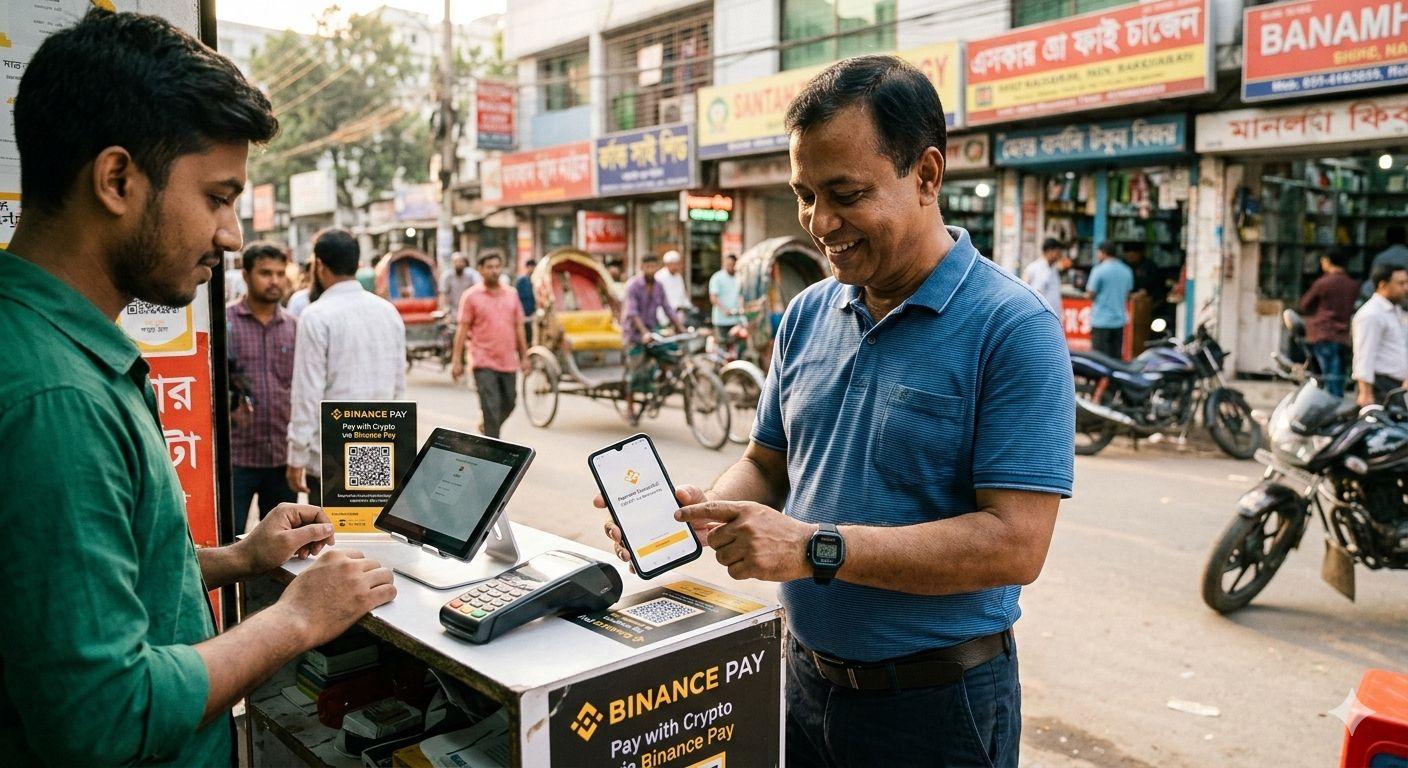
According to official reports, by July 2026, Binance's global registered users will be approximately 323 million, with users from emerging markets accounting for about 77%, a significant increase from 49% in 2020, making it the main engine of growth, among which:
Southeast Asia is the most balanced region for Binance's growth, with user activity consistently remaining high; Latin America continues to see strong growth amid local currency depreciation and inflation pressures, where stablecoins have become a daily means for ordinary people to combat inflation in countries like Argentina, Brazil, and Mexico; at the same time, penetration in Africa is also rapidly rising.
More importantly, these users are not mere transient traffic, but strong demand dependencies that stem from deeply rooted financial infrastructure needs, and they may become Binance's most solid foundation in the future.
Trust Assets: From "Besieged" to "Compliance Pioneer"
Reaching a settlement with the U.S. Department of Justice for $4.3 billion in 2023 may stand as the heaviest chapter in Binance's developmental history.
At that time, the common perception from outside was that Binance would either be crushed by regulation or be forced to shrink into a regional compliance exchange.
But Binance provided a different answer.
Following the settlement, Binance's strategic focus underwent a fundamental shift. Richard Teng took over as CEO and rang a large-scale alarm for "licensed financial institutions with compliance as the core strategy."
According to Binance's annual compliance report, the company's annual compliance investment is about $300 million, with a compliance team of nearly 1,500 people, accounting for about a quarter of the total global workforce, continuously protecting users from regulatory uncertainties.
In December 2025, Binance obtained comprehensive regulatory authorization from the Abu Dhabi Global Market Financial Services Regulatory Authority (FSRA), becoming the first cryptocurrency trading platform to obtain a global license under the ADGM framework, marking a milestone in Binance's compliance history. Additionally, Binance has received regulatory approval in 15 jurisdictions globally.
From being the "surrounded target" to a "compliance partner," it took Binance three years to complete the transition from "passive" to "proactive."
Community and Ecosystem: A Moat Built Over Nine Years
It is essential to know that 323 million users spread across more than 180 countries and regions give Binance the most densely populated cryptocurrency user network in the world.
Sustaining this operation is the depth of liquidity from institutions and market makers. Relying on 323 million users and an average trading volume of about $90 billion, Binance has become one of the deepest liquidity cryptocurrency trading platforms globally. For traditional financial institutions looking to issue tokenized assets, promote RWA on-chain, or connect with global users, the platform's gathered liquidity, trading depth, and global user base provide the most significant allure.
At the same time, where users are, developers follow. The continuously thriving developer ecosystem around the user network is BNB Chain. According to official data, BNB Chain possesses a vast developer community and thousands of active projects, processing an average of 10 million stablecoin transactions daily, with 15 million active stablecoin addresses monthly. Users, developers, and projects form a thriving decentralized ecosystem.
Furthermore, Binance also has the industry's most influential content dissemination network. Over the past nine years, thousands of KOLs, developers, research institutions, and content creators globally have produced content and disseminated value using Binance as a vital coordinate in the industry. When Binance's token listings become industry signals, BNB Chain becomes the default choice for developers, and Binance's compliance progress shapes industry trends, this cognitive lock-in also forms the most invisible yet solid barrier.
Products can be copied, interface designs can be replicated, and even market strategies can be imitated, but whether the symbiotic relationship formed between the thousands of projects and users on BNB Chain or the transaction habits and trust developed over nine years by the 323 million users, together with the global KOLs co-constructing Binance's cognitive consensus, these are core advantages that other competitors find difficult to replicate in the short term.
Conclusion
From a data perspective, in the transition to a "super financial app," Binance has already shown initial成果 supported by a series of advantages.
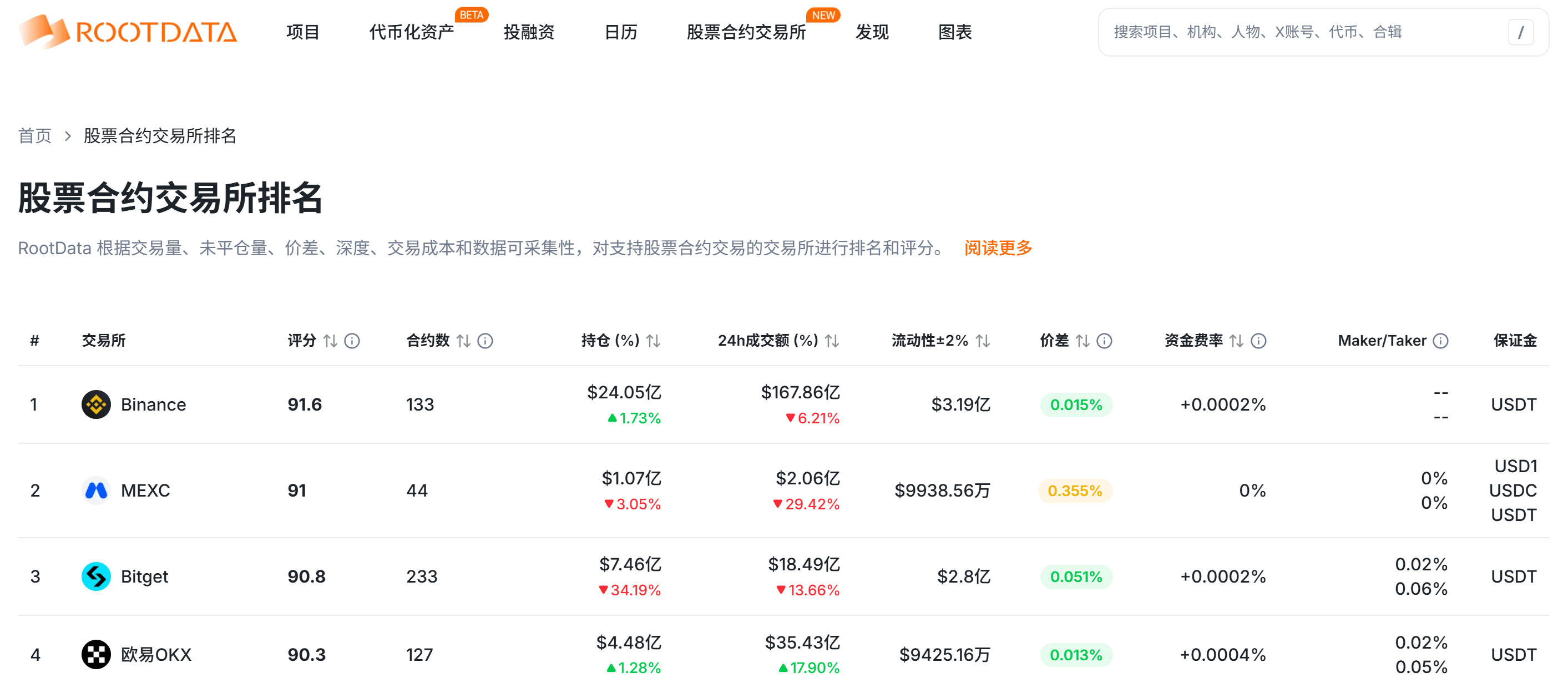
According to RootData’s rankings of stock contract exchanges, based on comprehensive trading volume, open interest, spreads, depth, transaction costs, and data collectability, Binance ranks first in the CEX category with a score of 91.6.
Another more intuitive data set reflects on Binance stocks and ETFs, which surpassed $1 billion in AUM within 30 days of launch, with total trading volume exceeding $3 billion and average inflows around $42 million daily, with emerging market users contributing over 73%. According to Binance Research forecasts, by the end of 2026, its AUM could exceed $10 billion.
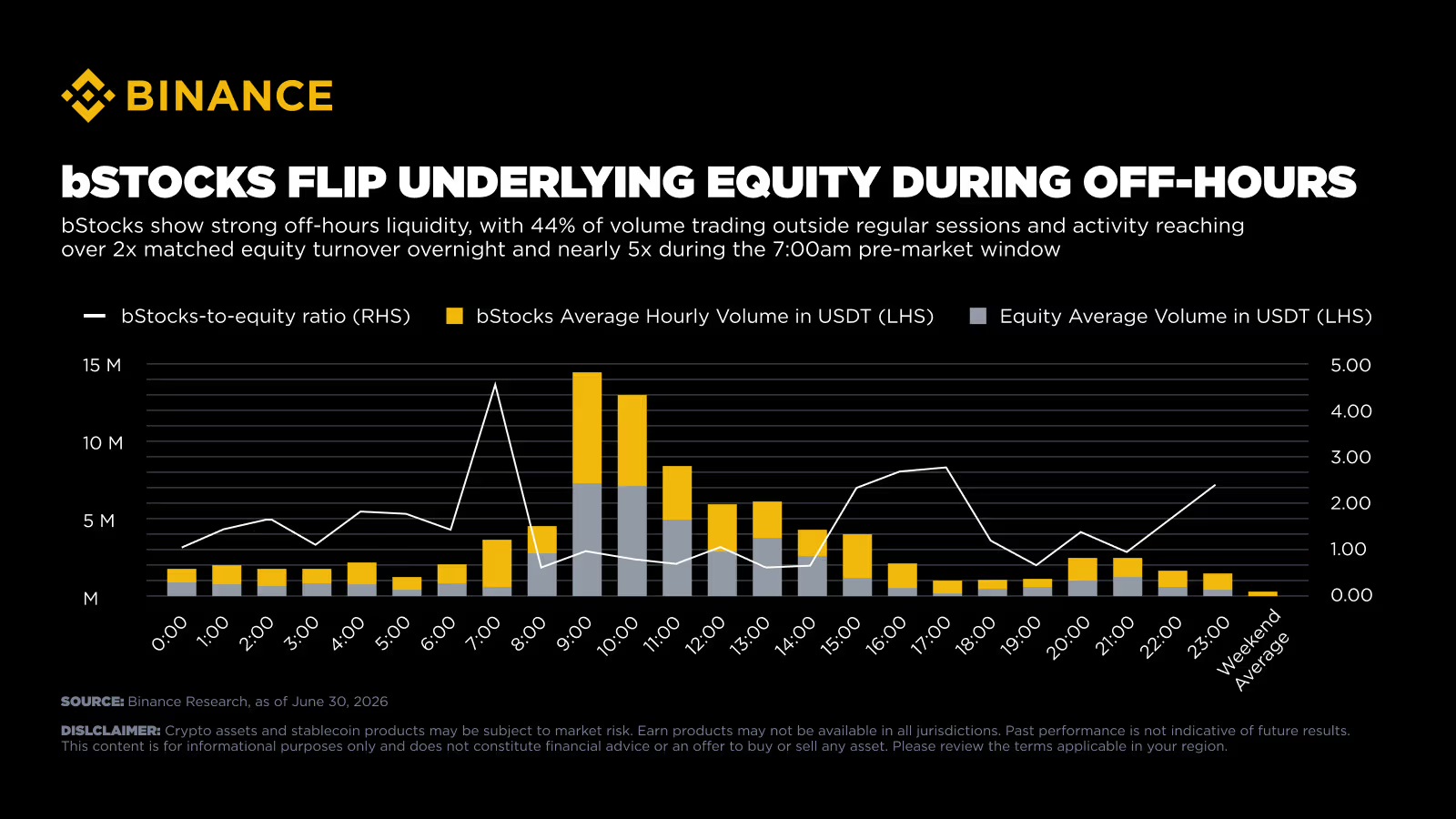
Meanwhile, bStocks broke $100 million in AUM within two weeks of launch, and within a month, the number of tokenized stock assets increased from 5 to 25, with a market capitalization of $300 million on-chain, and nighttime trading activity being more than twice that of daytime, nearly five times during pre-market trading windows before 7 AM.
This data has also been seen as a further validation of market demand for the products.
Of course, whether it is the technological and ecological accumulation of the past nine years or the positive data from the beginning of the "super financial gateway" transformation, they will not serve as a permanent golden ticket.
After all, this transition from a "crypto exchange" to a "global financial super gateway" is being pursued by everyone, and all are racing to establish advantages.
However, at this initial stage of transformation, Binance has become the one holding a greater advantage.
What kind of game can it play with these advantages?
In 2011, champagne on the second floor of Wall Street belonged to the 1%;
In 2026, when a worker from the port of the Philippines can use $5 to trade US stocks at the moment of an earnings announcement at three in the morning, the redistribution of financial power is happening in ways everyone can see.
免责声明:本文章仅代表作者个人观点,不代表本平台的立场和观点。本文章仅供信息分享,不构成对任何人的任何投资建议。用户与作者之间的任何争议,与本平台无关。如网页中刊载的文章或图片涉及侵权,请提供相关的权利证明和身份证明发送邮件到support@aicoin.com,本平台相关工作人员将会进行核查。


