Author: Zen, PANews
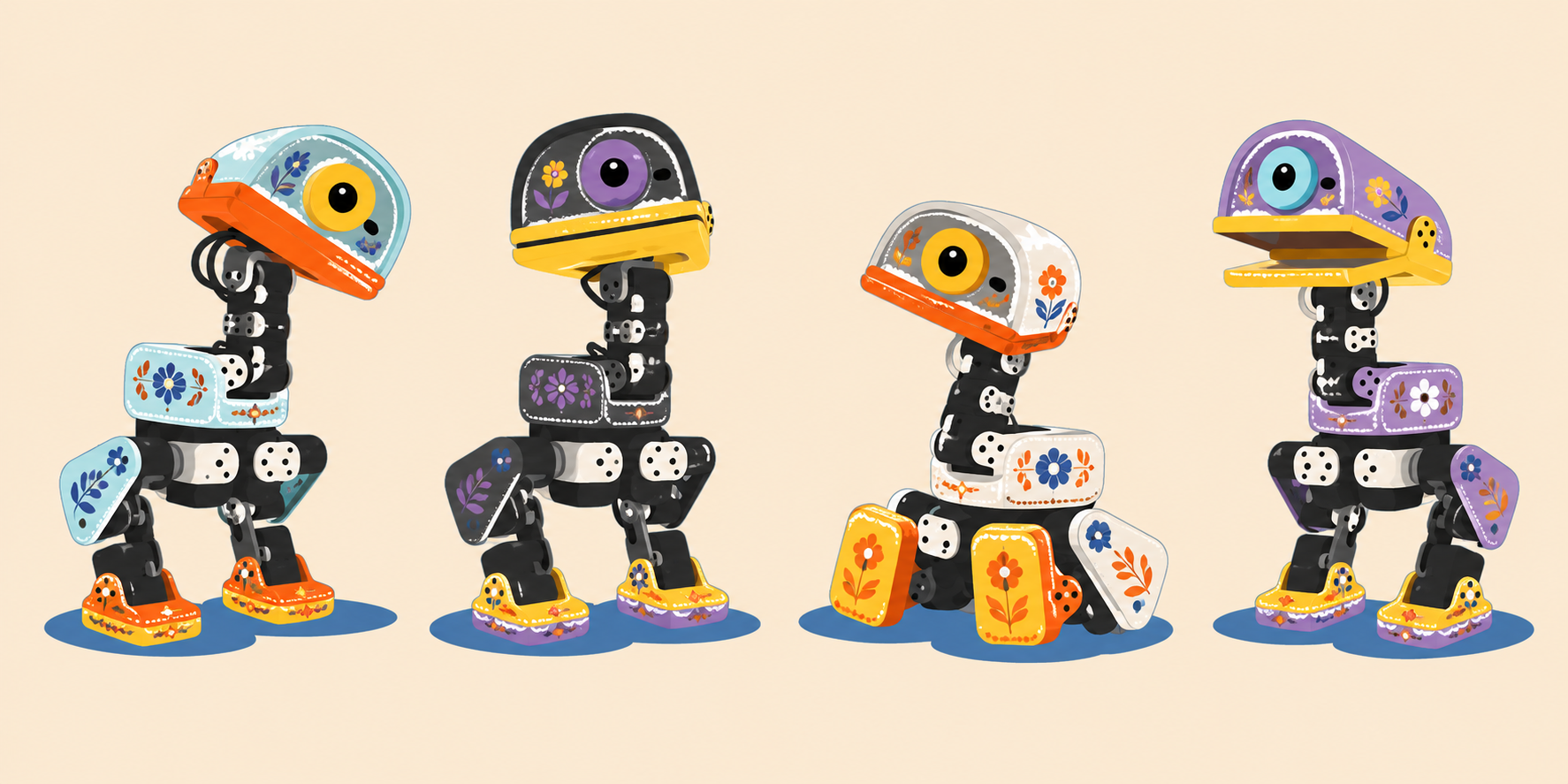
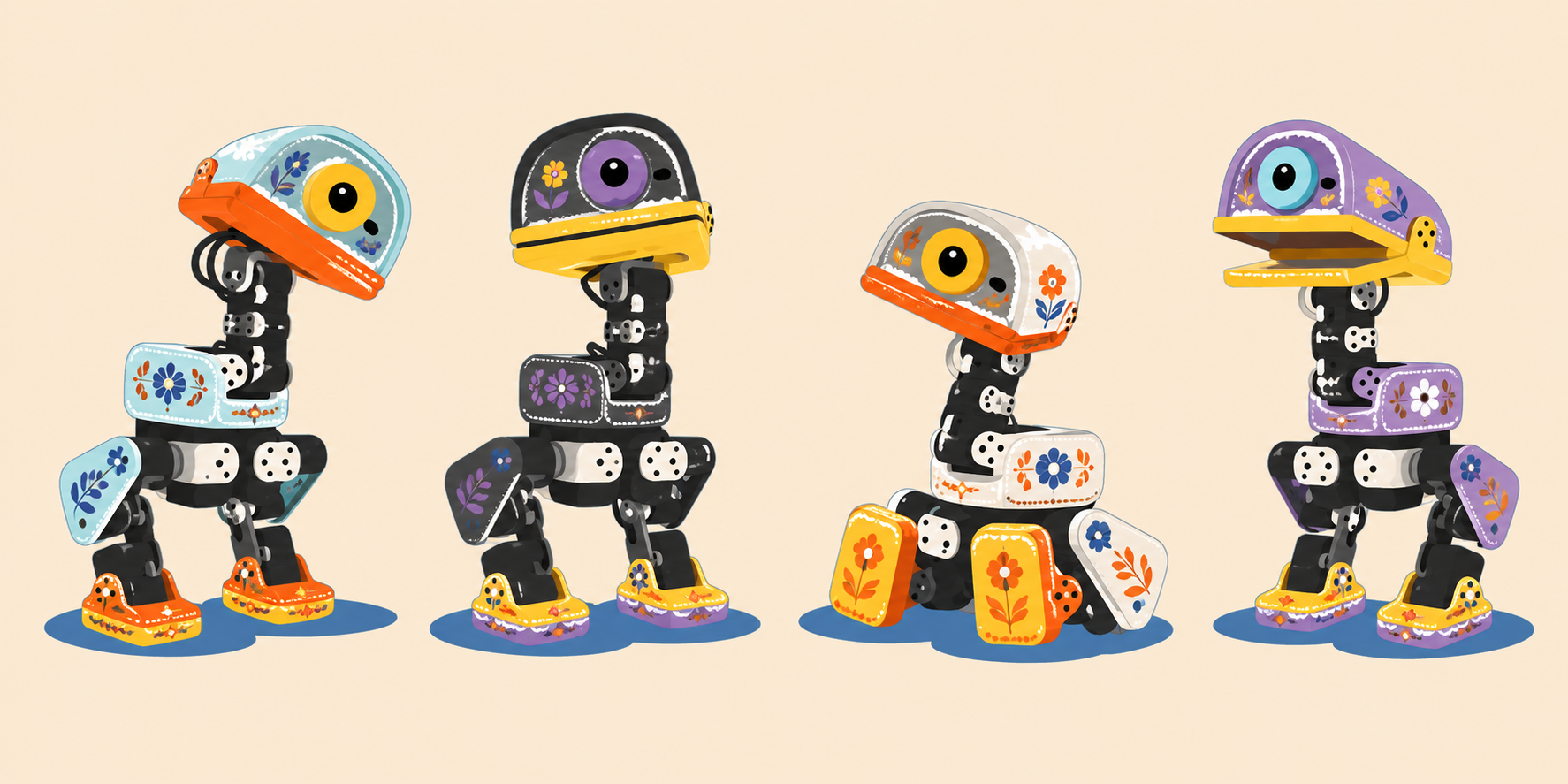
A machine duck, 25 centimeters tall and walking unsteadily, unexpectedly became one of the most talked-about new products in the robotics industry recently.
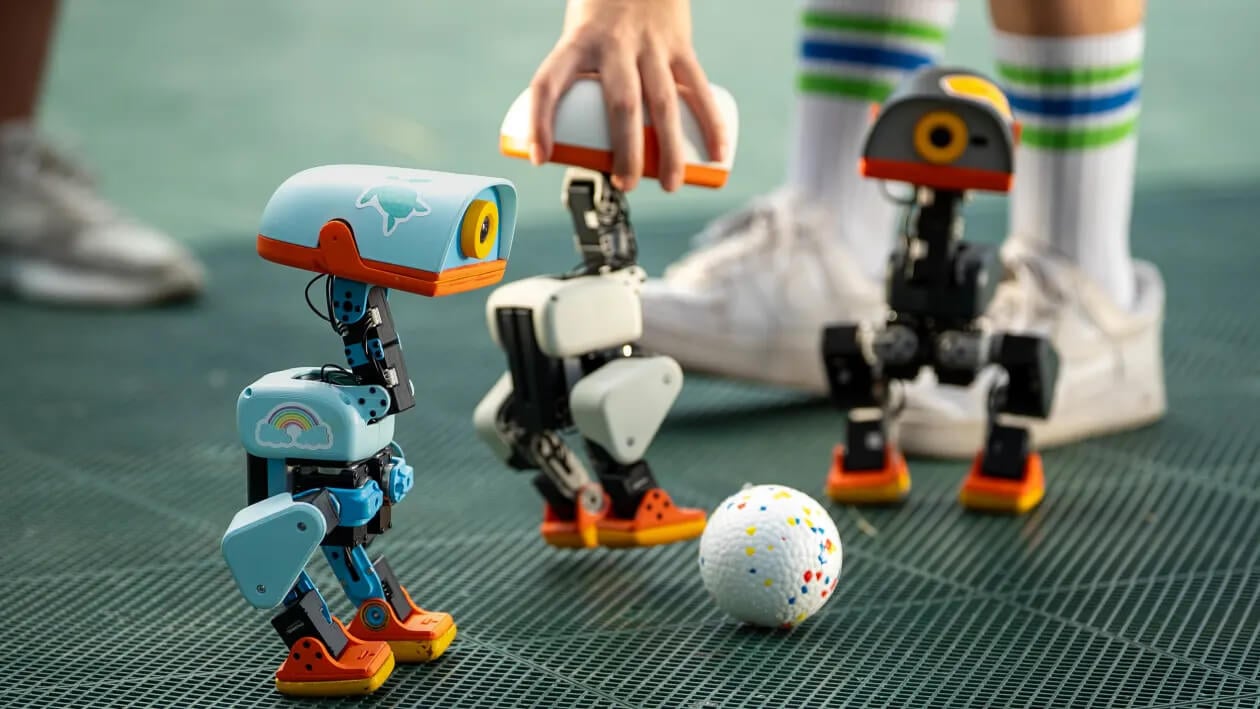
On August 27, Pollen Robotics, a subsidiary of Hugging Face, opened pre-orders for the Microduck. This robotic duck is priced at $399, can walk, sit down, get up on its own after falling, and can also pick up objects, kick a ball, or glide on wheels. Besides its core functionalities, developers can retrain its movements using the MuJoCo simulation environment and reinforcement learning, and then deploy the strategies directly onto the actual device.
"We didn't expect so many (orders)," said the co-founder and CEO of Hugging Face on the X platform on August 31, noting that within just five days, pre-orders for the Microduck had surpassed 10,000 units. In just six hours of going on sale, its order value exceeded $1 million. Due to the rapid accumulation of orders, the estimated delivery period for new orders was subsequently extended to 4 to 6 months.
The cuteness, low price, and open development environment are the main reasons why the Microduck has become a hot technology item, which raises a particularly worthy question: How can a Microduck equipped with 15 motors, cameras, LiDAR, dual IMUs, and local computing capabilities, able to run reinforcement learning strategies, be sold for only $399?
The answer lies not merely in Hugging Face's software capabilities. The Microduck is shipped from warehouses in France and the United States targeting the European and American markets, but its country of origin is clearly marked as China. While the specific manufacturing partners have not yet been disclosed, looking back at the production process of its previous product, Reachy Mini, a clearer Physical AI industry chain has begun to emerge.
From Demo to Mass Production, Shenzhen Fills a Gap in Robotics Commercialization
In April 2025, Hugging Face acquired the French robotics company Pollen Robotics, officially extending its business from AI models, datasets, and development tools to physical robots. Three months later, the two parties launched their first desktop robot aimed at general developers, Reachy Mini, starting at the same price of $399.
However, at the time of its launch, the also compact and open-development-focused Reachy Mini was essentially a prototype made largely from 3D-printed parts, still far from being true consumer-grade hardware. This manufacturing method could still support prototype validation and small batch trials. But as orders rapidly grew, the manufacturing approach suitable for laboratory and prototype validation soon proved inadequate.
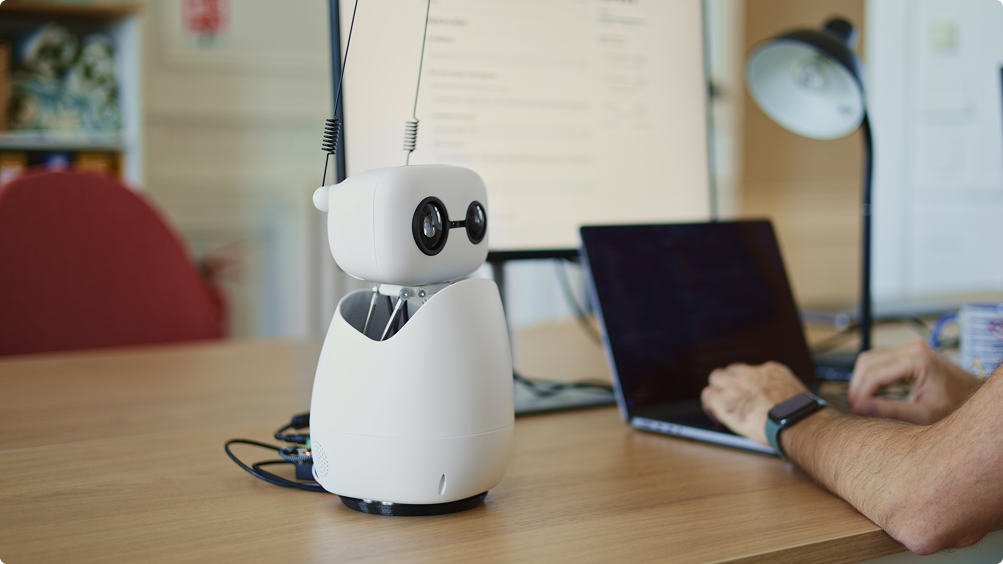
By November last year, Reachy Mini had received over 3,000 orders in just one week. This sudden increase in market demand brought to Pollen an issue that had not previously been so urgent: how to transform a validated robotic demo into a standardized product that could be reliably produced, tested in large quantities, and delivered in the thousands or even tens of thousands on schedule.
Ultimately, Pollen entrusted this important task to Seeed Studio, headquartered in Shenzhen. In less than five months, both parties advanced their collaboration in multiple aspects including mechanical structure, electronic systems, acoustics, manufacturing, and supply chain coordination, ultimately completing the production and shipment of 3,000 units. By the time of the Microduck's release, Pollen stated that over 10,000 units of Reachy Mini had already reached users.
If one merely perceives Seeed Studio as a large-scale assembly “OEM” for robots, it underestimates its crucial role in the collaboration.
For example, Reachy Mini interacts with users mainly through voice, but the noise generated by multiple motors operating simultaneously inside the robot can directly interfere with the microphone array. This issue cannot be resolved simply by adding another assembly step; it requires adjustments from mechanical structure, acoustic design, all the way to noise reduction algorithms. Pollen and Seeed Studio ultimately modified the product design through multiple rounds of experiments, allowing the robot to maintain a relatively stable pickup effect during movement.
This approach is closer to a type of engineering service. For robotic startups, creating a demo and mass-producing 10,000 units are two entirely different matters.
Robots in the lab can use expensive components, be fine-tuned by engineers for assembly tolerances, tolerate certain differences between devices, and allow for manual intervention whenever issues arise. However, once entering the consumer market, robotic products must contend with a complete set of issues like molds, PCBs, wiring harnesses, batteries, heat dissipation, acoustics, electromagnetic compatibility, quality control, and even after-sales maintenance.
Therefore, when robots transition from laboratory environments to large-scale production, competition is not merely about whether the models and algorithms can work, but rather whether models, controls, mechanics, electronics, and manufacturing can form a continuously iterative whole. And this is precisely where Shenzhen firms like Seeed Studio begin to demonstrate their value.
Behind the $399, Shenzhen Is Not Selling Cheap Components
Returning to the wildly popular Microduck, these adorably designed robotic ducks are also highly suitable for observing this change.
According to data disclosed by Pollen, this machine is only 25 centimeters tall, weighs about 800 grams, yet has 15 motors and is equipped with a camera, LiDAR, and two IMUs; its control system uses the Rockchip RK3566 chip, which can run motion strategies locally in the robot at 50Hz. The official codebase also opens-up MuJoCo, PPO, and Sim-to-Real training processes, allowing developers to retrain its walking, getting up, and other actions.
From the perspective of Physical AI research platform standards, this set of hardware configurations cannot be considered luxurious. But it is precisely this full utilization of mature hardware that provides an important basis for pricing the Microduck at $399.
Many robotic research platforms in the past have been costly, not because every component is at the forefront of technology. The more realistic issue is that robots have long been small-batch, highly customized products: mechanical structures, control boards, motors, and sensors lack sufficient economies of scale, requiring re-interface development and system adaptation between different components, while low-volume production means that costs for molds, testing, and engineering development can only be allocated to a limited number of products.
Microduck, however, takes a different route: it calls upon already mature, commercialized consumer electronics and robotic components wherever possible, and then forms differentiation through software, reinforcement learning capabilities, and product design.
This is also where the true value of the Chinese supply chain begins to reveal itself. It provides not only lower labor costs, nor merely cheaper components, but an already highly mature, rapidly accessible hardware production network.
Seeed Studio has previously demonstrated the underlying Greater Bay Area supply chain using Reachy Mini as an example: CNC structural components, speaker modules, heat dissipation components, battery packs, etc., can be completed by various specialized suppliers from different regions and then quickly integrated.
For overseas robotic startups like Pollen, this means they do not have to build a complete supply system from scratch around a robot, including batteries, PCBs, molds, and structural components, but can directly connect to a manufacturing network gradually formed through decades of development in the consumer electronics industry.
Now, the industrial capabilities once serving mobile phones, drones, and various smart hardware are being further transferred to the robotics industry. According to the "2025 Shenzhen Robot Industry Development White Paper," by 2025, the output value of Shenzhen's robotics industry will exceed 242 billion yuan, with a year-on-year growth of 20%; the city will produce nearly 8 million service robots, accounting for about 43% of the nation, and the output of industrial robots will be 194,900 units, accounting for about one quarter of the nation.
What is even more noteworthy is that this supply chain is extending from PCB, batteries, and structural components of the consumer electronics era towards actuators, reducers, sensors, controllers, and dexterous hands, which are specialized components for robots. For robotic companies, this implies that an increasing number of critical components, which would have traditionally required procurement and coordination across regions or even countries, could potentially be completed within a highly concentrated industrial cluster.
On September 2, Shenzhen officially announced the "Shenzhen Work Plan for Promoting High-Quality Development of the Intelligent Robotics Industry (2026–2028)," which proposed a particularly representative goal: to promote the localization of core robot components such as sensors, actuators, reducers, and controllers, forming a "half-hour supply circle," and further smoothing out the complete chain from R&D, trial production to large-scale production and delivery.
The extent to which this policy goal can ultimately be achieved still requires time for verification. However, the term "half-hour supply circle" aptly summarizes the barriers that the Shenzhen robotics industry truly hopes to establish. And for Physical AI, which is still in a phase of rapid iteration, this capability might even be more critical than production costs alone.
In the Physical AI Era, Shenzhen Is Becoming the "Development Infrastructure" for Robots
This also explains why, as we enter the Physical AI era, the value of Shenzhen may once again be amplified.
In the era of pure software, the core infrastructure of an AI company mainly consists of GPUs, data centers, and cloud services. After model updates, new codes and parameters can be rapidly deployed to thousands or even millions of users, allowing product iterations to occur primarily at the server and software levels.
Robots, however, are entirely different. If an engineer discovers that a new movement strategy necessitates greater joint torque, it may entail changing motors; if motor specifications change, it might impact mechanical structures, power supply, and heat dissipation designs; adjustments to structure could further modify the robot's weight and center of gravity distribution, potentially necessitating retraining of the original motion strategies. A seemingly localized hardware modification could ultimately resonate throughout the entire system.
Thus, the iteration of Physical AI is not simply a matter of software upgrades, but a feedback loop constantly revolving among software, hardware, and manufacturing.
In this process, a robot company’s competitiveness does not lie in designing a product to "perfection" all at once, but rather in how quickly it can recognize issues and iterate through redesigning, testing, modifying, and producing, then reassessing the real-world environment.
This is also the real distinction between "engineering capability" and conventional OEM. Traditional OEM emphasizes the stable and low-cost production of products according to predetermined designs, whereas the robotics industry is currently still undergoing rapid changes, with many products still requiring frequent adjustments even after entering mass production. In this context, the true value on the manufacturing side lies in participating in and bearing this ongoing iteration.
Reuters recently reported that an increasing number of overseas entrepreneurs are seeking hardware components and prototype manufacturers in Shenzhen, and some American robotic companies still procure a significant amount of components and hardware from China. As the global AI hardware craze intensifies, Shenzhen is becoming an important destination for overseas entrepreneurs investigating manufacturing capabilities in China.
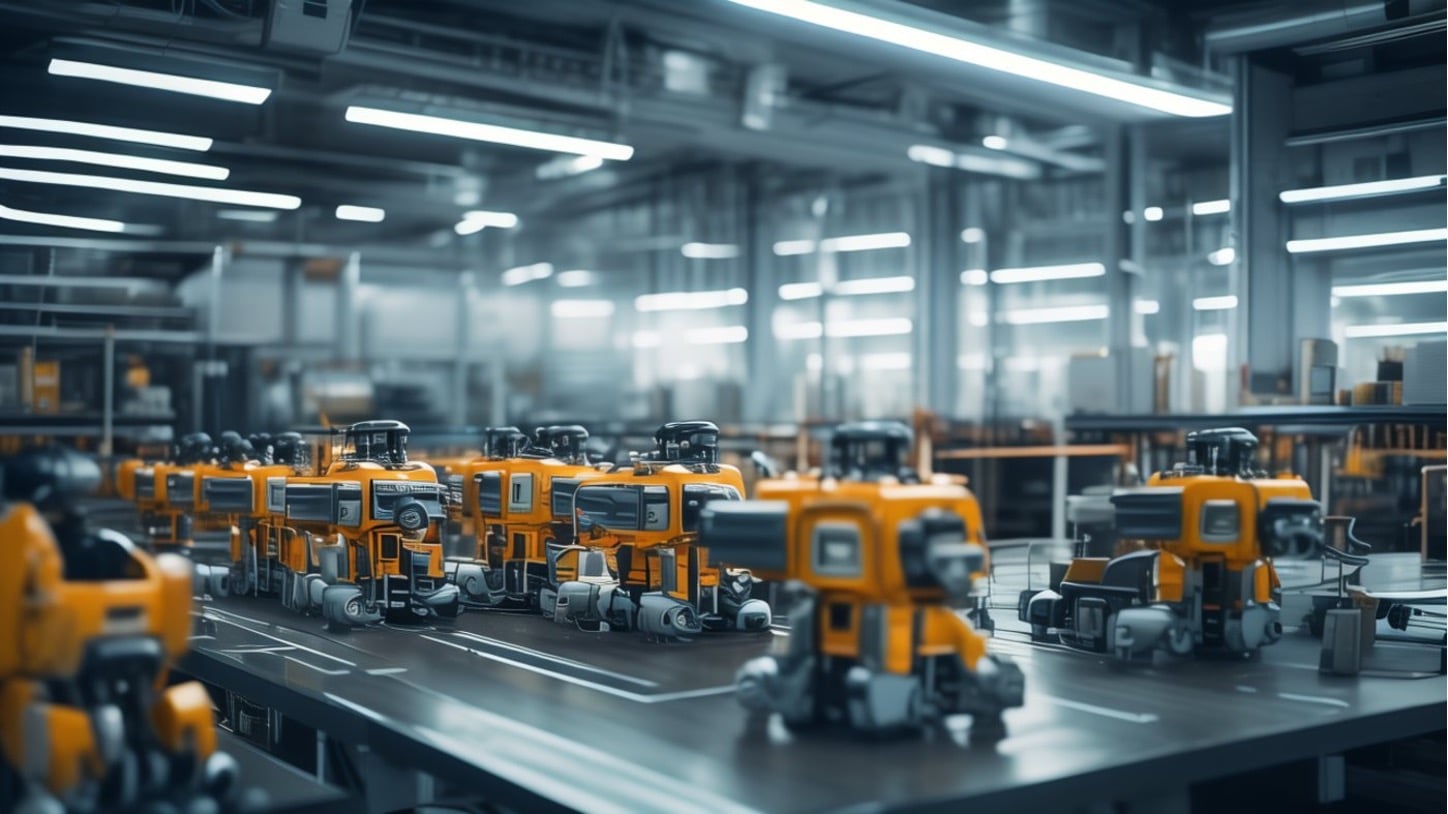
The Microduck and Reachy Mini serve as concrete examples.
In this division of labor, the Pollen team is responsible for the product, robotics body, control systems, and reinforcement learning training stacks of the robot, while the back-end Hugging Face provides an open-source AI platform and a global developer ecosystem, and the Chinese supply chain represented by Shenzhen companies participates in resolving another end of the issue: how to transform a laboratory robot into a product that can be stably manufactured and delivered in the range of thousands and tens of thousands.
Therefore, Shenzhen's role is no longer just "producing robots for overseas companies." For more and more robotic startups that neither have the capacity nor necessity to build factories and complete supply chains, it resembles a set of readily accessible Physical Infrastructure, the development infrastructure of the physical world.
In this sense, one of the changes brought about by Physical AI is to make manufacturing capabilities once again a part of the foundational infrastructure of the AI industry.
Beyond Supply Chain Advantages, A Smarter "Brain" Is Needed
That said, having a highly competitive supply chain in the Physical AI era does not guarantee that China will necessarily achieve comprehensive leadership in the robotics industry.
Reuters' investigation into the Chinese humanoid robot industry indicates that China currently possesses robust robotics hardware and large-scale manufacturing capabilities, yet many robots still face challenges of dexterity, environmental adaptability, and autonomous decision-making abilities once deployed in real factories. Some seemingly complex demonstrations still heavily rely on preset actions and controlled environments, and there is a long way to go before they can autonomously navigate open scenarios.
Domestic robotic companies largely acknowledge this bottleneck. During the WAIC this year, many industry practitioners, including executives from Zhi Yuan Robotics, viewed the ability to create an effective closed loop between data, model capabilities, and the hardware and real scenarios as one of the most critical issues of embodied intelligence at present.
Thus, compared to the "brain," China's current relative advantage remains more evident in the "body," that is, the ability to manufacture robots, reduce costs, and rapidly complete hardware iterations.
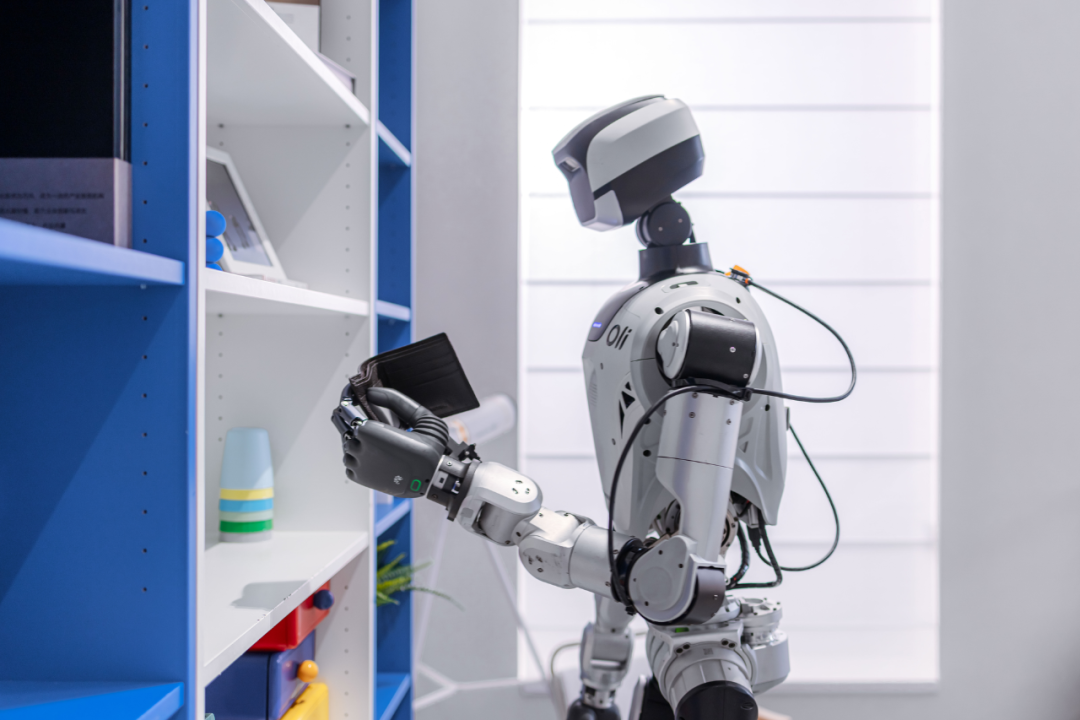
However, the "body" and the "brain" are not entirely independent. The cheaper the robot, the more the laboratory can purchase; the more robots there are, the more real machine experiments and data collection developers can conduct; the faster the hardware iteration, the lower the cost for new algorithms transitioning from simulation to the real world.
Weighing only about 800 grams, the Microduck exemplifies this relationship very concretely. Due to its relatively low price, a failed strategy often results in nothing more than a lightweight robot falling down, with potential hardware loss and trial-and-error costs significantly lower than those associated with large humanoid robots. Thus, the $399 price is not just a consumer price but also an AI experimental cost. This may be one of the reasons why the Microduck holds genuine value and can quickly spark interest in the developer community.
What Hugging Face aims to do is not just to sell more machine ducks, but hopes to gradually transform the behavioral capabilities of robots into assets similar to open-source models. Once a developer trains a new movement strategy, others can download, modify, and deploy it onto their own robots. Pollen also explicitly states that they hope to see behavior strategies, training environments, and training methods in Physical AI able to be shared and reproduced like software models in the future.
However, for this model to genuinely succeed, an important prerequisite is that robots in the real world must be sufficiently affordable and must be easily obtainable. Reassessing the Microduck from this perspective, it essentially connects two entirely different infrastructures.
One set is the open-source models, data, and robotics software ecosystem being developed by Hugging Face; the other is the electronic, mechanical, and manufacturing supply chain formed over decades in Shenzhen and the Pearl River Delta. The former aims to lower the developmental threshold for "intelligent" robotics, while the latter continuously lowers the manufacturing threshold for the "body" of robots. Both have achieved a remarkably intuitive combination in a $399 machine duck.
Of course, future global robotics competition will not be determined by products like the Microduck alone. Truly universal humanoid robots will still require stronger models, larger-scale and higher-quality data, more reliable actuators, and need to identify commercial scenarios capable of covering expensive hardware costs in the long term.
But the Microduck at least reveals a change that is occurring: the manufacturing capacities that Shenzhen has accumulated over the past two decades in mobile phones, drones, smart homes, and IoT devices will not lose value simply because the industry has entered the AI era. On the contrary, as AI begins to possess a "body," the engineering and supply chain capabilities originally serving consumer electronics are now gaining an entirely new clientele—emerging robotic and Physical AI startups worldwide.
Thus, the future value of the Chinese robotics industry may not solely be manifested in more prominent local brands like Yushu and Zhi Yuan. Beyond these complete machine manufacturers, China may also play another more concealed yet equally crucial role: becoming the global production and engineering infrastructure for Physical AI transitioning from code to reality.
免责声明:本文章仅代表作者个人观点,不代表本平台的立场和观点。本文章仅供信息分享,不构成对任何人的任何投资建议。用户与作者之间的任何争议,与本平台无关。如网页中刊载的文章或图片涉及侵权,请提供相关的权利证明和身份证明发送邮件到support@aicoin.com,本平台相关工作人员将会进行核查。


